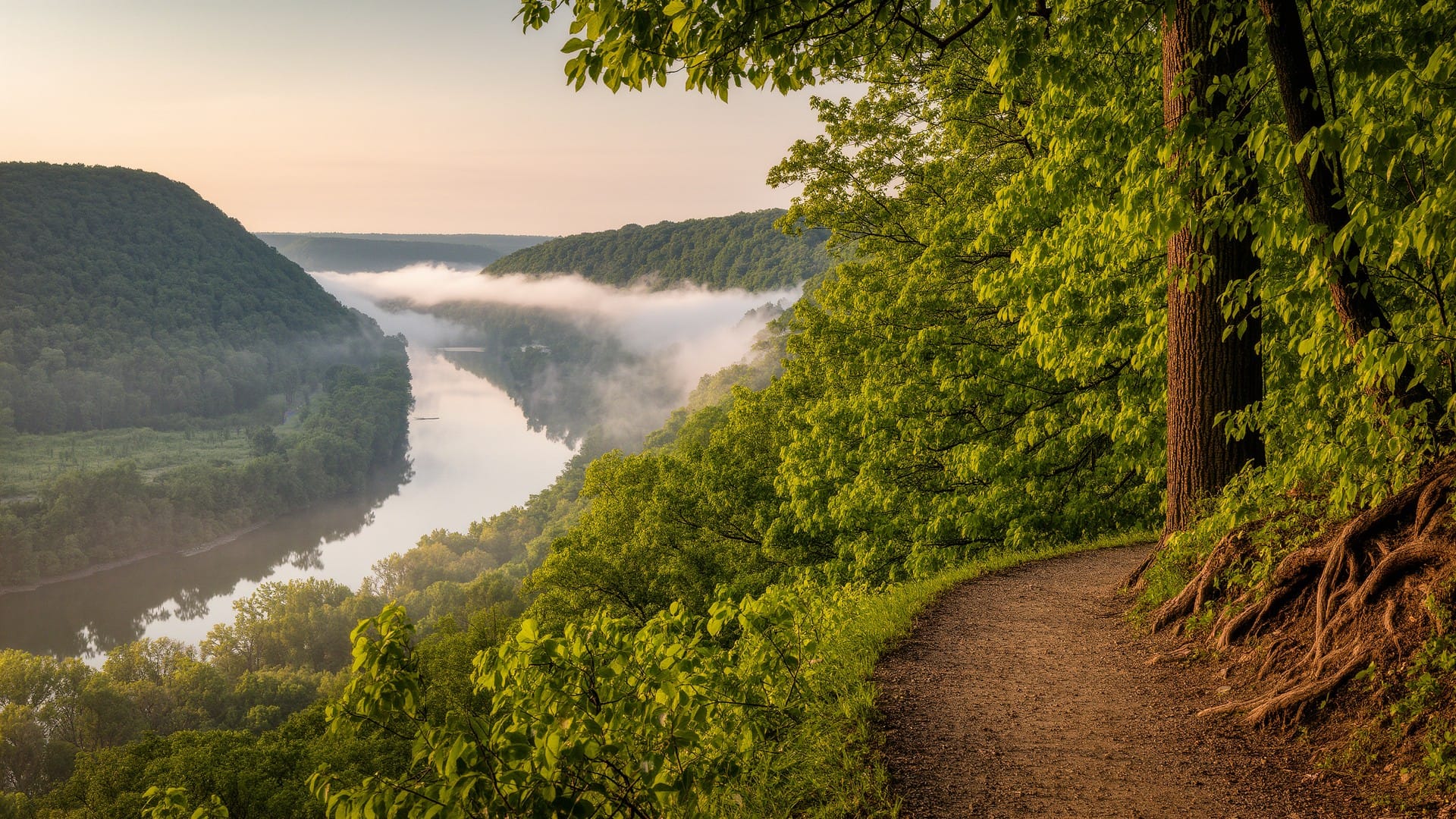
Best Hikes Near Cincinnati, Ohio: 10 Trails and Day Trips
Cincinnati has something most Ohio cities don't — real topography. The city is built on hills above the Ohio River, and the surrounding countryside rolls and folds in ways that flat central Ohio can only dream about. Drive thirty minutes in any direction from Fountain Square and you'll hit gorges, limestone cliffs, lakeside trails, and some of the richest history in the state.
The problem? Most people think of Hocking Hills when they think of Ohio hiking. Cincinnati gets overlooked. That's a mistake. The southwest corner of the state has world-class gorge hiking at Clifton Gorge, fossil-hunting adventures at Caesar Creek, and a metro park system with legitimately impressive terrain. And if you're willing to cross the river into Kentucky, the options expand even further.
I've spent a lot of time hiking the greater Cincinnati area — more than most people realize exists within a 90-minute drive. Here are my 10 favorite trails, ranked by the ones I'd send a friend to if they texted me on a Saturday morning asking where to go.
Close to home (under 30 minutes)
1. Sharon Woods Metro Park
3.8 miles | Easy | 15 min north of downtown
The best urban hike in Cincinnati, hands down. Sharon Woods sits in Hamilton County just inside I-275, and the gorge trail is the reason to come. A small creek has carved a surprisingly deep cut through the park's limestone and shale layers, and the trail follows the rim before dropping down to creek level. The loop is shaded, well-maintained, and has enough elevation change to feel like you actually hiked. There's a lake, too — nice for a post-hike stroll.
I've done this one a dozen times. Still doesn't feel stale. The gorge changes character with every season — in spring, water pours over cascades that dry up completely by July. In fall, the narrow walls frame the foliage like you're looking through a viewfinder.
Best season: Spring for the creek at full flow. Fall for gorge foliage.
Read the full Sharon Woods Metro Park trail guide →
2. William Howard Taft National Historic Site
0.3 miles | Easy | In the city (Mount Auburn)
I know — a third of a mile isn't a hike. But this is about pairing it with a walk through the Mount Auburn neighborhood, one of Cincinnati's most historic hillside districts. The Taft birthplace is a beautifully restored Victorian home, and the neighborhood itself is full of 19th-century architecture and sweeping views of the basin below. Park at the site, tour the house, then walk the steep neighborhood streets. Your calves will know they worked.
Best season: Year-round. The house museum is open daily.
Read the full William Howard Taft NHS visitor guide →
3. Ulysses S. Grant Birthplace
0.5 miles | Easy | 30 min east of downtown (Point Pleasant)
Another historical site that works better as part of a day out than as a standalone hike. Grant's birthplace sits on the Ohio River in the tiny town of Point Pleasant, Clermont County. The riverside setting is pretty, and the small museum covers Grant's early life before the war. Pair this with a drive along the Ohio River scenic byway — the bluffs and river views between Cincinnati and Point Pleasant are gorgeous, especially in fall.
Best season: Spring and fall for the river drive. The museum has limited winter hours.
Read the full Ulysses S. Grant Birthplace visitor guide →
Worth the drive (45 minutes to 1 hour)
4. John Bryan State Park and Clifton Gorge
5.5 miles | Moderate | 1 hr northeast of downtown
This is the big one. John Bryan and the adjacent Clifton Gorge State Nature Preserve together form the best gorge hiking in southwest Ohio — limestone walls dropping 80-100 feet to the Little Miami River below, old-growth cedars clinging to cliff faces, and trail sections that thread along narrow ledges above the water. The full loop connects both areas and takes you through Yellow Springs, one of Ohio's most eclectic small towns.
The gorge itself is dramatic enough to rival anything in Hocking Hills, and it's less crowded on weekdays. The North Rim trail has the best views. The South Gorge trail gets you closest to the water. Do both.
This is my number one recommendation for anyone in Cincinnati who wants real hiking without driving two-plus hours to Hocking Hills.
Best season: Spring for the Little Miami running high and wildflowers along the rim. Fall foliage in the gorge is extraordinary.
Read the full John Bryan State Park trail guide →
5. Caesar Creek State Park
5.2 miles | Moderate | 45 min northeast of downtown
Caesar Creek is a do-everything park — hiking, fishing, boating, swimming, and the thing that makes it truly unique: fossil hunting. The park sits on an exposed Ordovician seafloor, and the designated fossil collection area along the emergency spillway is littered with 450-million-year-old brachiopods, trilobites, and crinoid stems. You just pick them up off the ground. My kids still talk about the trilobite we found three years ago.
The hiking trails loop through forested ridges above the reservoir, with occasional lake views through the canopy. The Pioneer Village at the park entrance adds a historical dimension — restored 19th-century buildings, open on weekends in season.
Best season: Fall for foliage around the reservoir. Summer for swimming and fossil hunting after heavy rain exposes new specimens.
Read the full Caesar Creek State Park trail guide →
6. Charles Young Buffalo Soldiers National Monument
0.5 miles | Easy | 1 hr northeast of downtown (Wilberforce)
Charles Young was the third African American to graduate from West Point and one of the most remarkable military officers in American history. His restored home near Wilberforce University tells a story that most people don't know — and should. The grounds are small, but the visit is powerful. Pair this with John Bryan State Park and Yellow Springs, both less than 15 minutes away, for a full day trip that mixes history and hiking.
Best season: Year-round. Check NPS website for seasonal hours.
Read the full Charles Young Buffalo Soldiers NM guide →
7. Dayton Aviation Heritage National Historical Park
1.0 miles | Easy | 1 hr north of downtown
The Wright Brothers' story starts here — not at Kitty Hawk, here. The Dayton Aviation Heritage sites include the Wright Cycle Company building where Wilbur and Orville built their first aircraft components, and Huffman Prairie Flying Field where they perfected powered flight. The walking tour connects several sites through Dayton's historic west side. It's a light walk, not a hike, but the history per square foot is unmatched in Ohio.
Best season: Spring and fall for comfortable walking weather. The prairie field is beautiful in late summer.
Read the full Dayton Aviation Heritage guide →
Day trip destinations (1-2 hours)
8. Deer Creek State Park
3.5 miles | Easy | 1.5 hr northeast of downtown
Deer Creek is a quiet state park built around a 1,277-acre reservoir in Pickaway County. The trails loop through mixed hardwood forest along the lake, with periodic views of the water. It's not dramatic terrain — this is glaciated central Ohio, so the hills are gentle — but the combination of lake scenery, woodland walking, and general solitude makes it a solid day trip. Pack a picnic and eat at one of the lakeside shelters.
The campground here is underrated, too. If you want to turn a day trip into an overnight, the sites along the lake are well-spaced and quiet. I've camped here in October and had the entire loop practically to myself. Wake up, hike the trail in the morning mist, pack up, and you're home by lunch.
Best season: Fall for reservoir reflections and quieter trails. Spring for migrating birds along the water.
Read the full Deer Creek State Park trail guide →
9. Hopewell Culture National Historical Park
2.6 miles | Easy | 1.5 hr east of downtown (Chillicothe)
Two thousand years ago, the Hopewell people built massive geometric earthworks in the Scioto River valley. The scale is hard to grasp until you stand at the center of the Mound City group and realize these perfectly symmetrical mounds were constructed without metal tools, draft animals, or writing. The trail loops through the earthwork complex and the surrounding prairie. The visitor center museum is excellent — don't skip it.
This is a UNESCO World Heritage Site as of 2023, and deservedly so. Pair it with a drive through the scenic Scioto River valley south of Chillicothe.
Best season: Spring and fall for comfortable walking and fewer crowds. The earthworks are striking in fresh snow.
Read the full Hopewell Culture NHP trail guide →
10. Camp Nelson National Monument (Kentucky)
1.5 miles | Easy | 1.5 hr south of downtown (Nicholasville, KY)
Cross the river for this one. Camp Nelson was one of the largest recruitment and training centers for United States Colored Troops during the Civil War. More than 10,000 African American soldiers trained here, and the refugee camp that grew up around the fort became a community of freed people seeking safety and agency. The trail loops through the restored fort grounds above the Kentucky River — the bluffs and river views are stunning, and the interpretive panels tell a story that deserves more attention.
Best season: Spring for wildflowers along the Kentucky River bluffs. Fall for foliage.
Read the full Camp Nelson National Monument guide →
When to hike: a seasonal guide for Cincinnati
Spring (March-May): Start here. Cincinnati sits in the Ohio River valley, which warms up a week or two before northern Ohio — so your wildflower season starts sooner. The gorges at John Bryan fill with trillium and Dutchman's breeches by mid-April, and Sharon Woods' creek cascades run strongest after March rains. Pack waterproof boots. It will rain on you at least once.
Summer (June-August): Miserable if you pick the wrong trail. The river valley traps humidity like a bowl. But John Bryan's gorge bottom runs 10-15 degrees cooler than the rim — I've hiked down there on 90-degree days and felt comfortable. Caesar Creek's swimming beach is the other answer. Go early, carry extra water, stay out of open sun at midday.
Fall (September-November): I once drove the Ohio River scenic byway from Cincinnati to Point Pleasant in mid-October and had to pull over three times because I couldn't stop looking at the hillsides. The gorges are even better — narrow walls concentrate the color like stained glass. October weekends at John Bryan get crowded. Go midweek if you can manage it.
Winter (December-February): The river valley keeps Cincinnati a few degrees warmer than Columbus or Cleveland. Still cold, but manageable. This is when the historical sites earn their keep — Taft, Grant, Camp Nelson all have indoor components that make a cold-weather visit worthwhile. Sharon Woods on a crisp December morning is more pleasant than you'd expect.
Before you head out
Southwest Ohio's hiking is spread across metro parks (free), state parks (sometimes parking fees), and National Park Service sites (free but check seasonal hours). The Yellow Springs area — John Bryan, Clifton Gorge, Charles Young — can fill an entire day and should be your first trip if you haven't been.
Cincinnati sits in a valley, so the weather you see downtown might not match what's happening at elevation 30 minutes away. Pack layers. The gorges at John Bryan are cooler than the surrounding terrain, which is great in summer and bracing in winter.
The drive times in this guide are from downtown Cincinnati / Fountain Square. If you're starting from the northern suburbs — Mason, West Chester, Lebanon — subtract 15-20 minutes from the northeast destinations. Caesar Creek and John Bryan are practically in your backyard.
One more thing: if you're a fossil hunter, Caesar Creek is a pilgrimage. Bring a bag and keep your eyes on the ground at the spillway area. You will find something. Everyone does.
Happy trails.
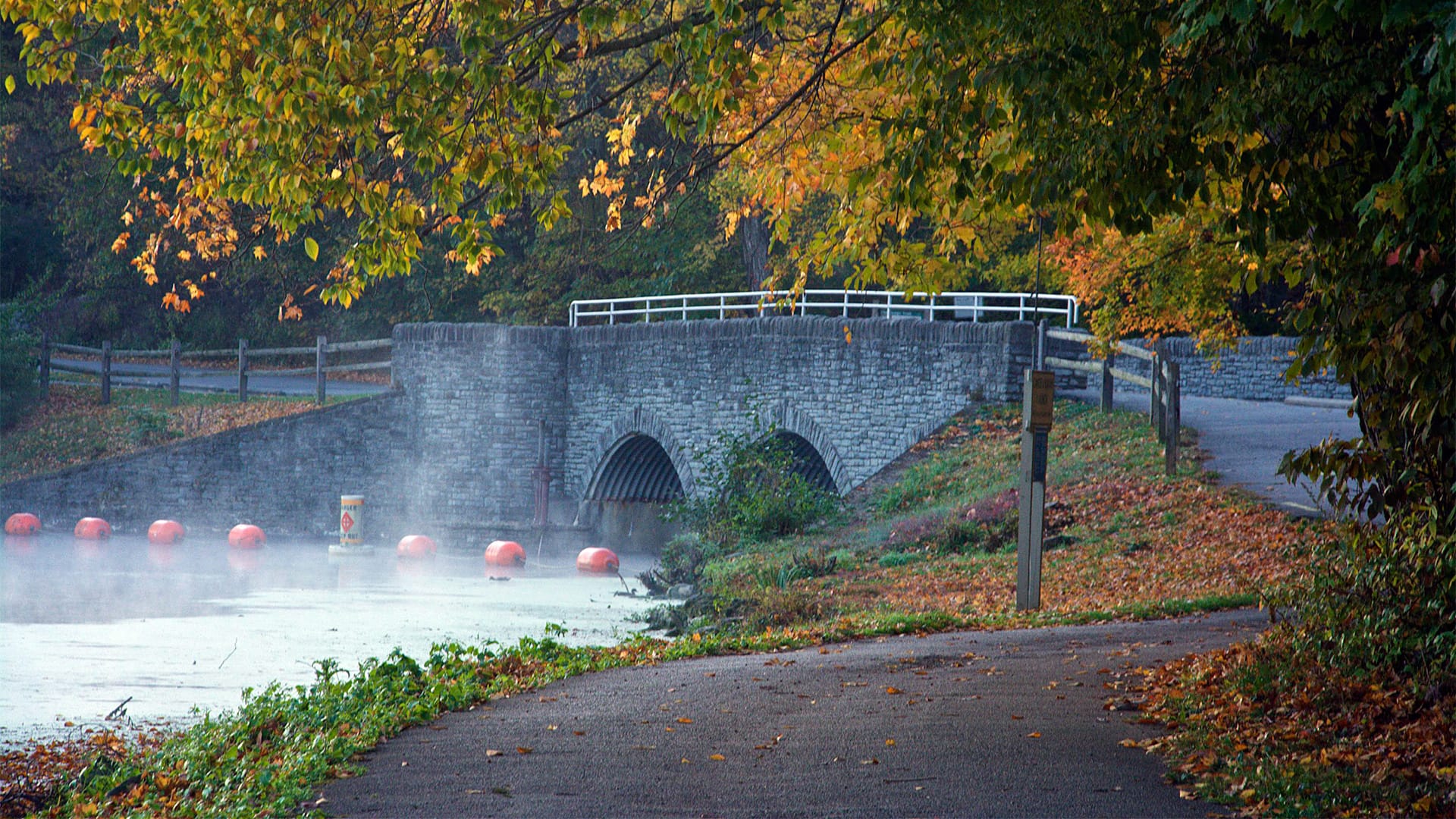
Sharon Woods Metro Park Cincinnati

William H. Taft National Historic Site
Ulysses S. Grant National Historic Site
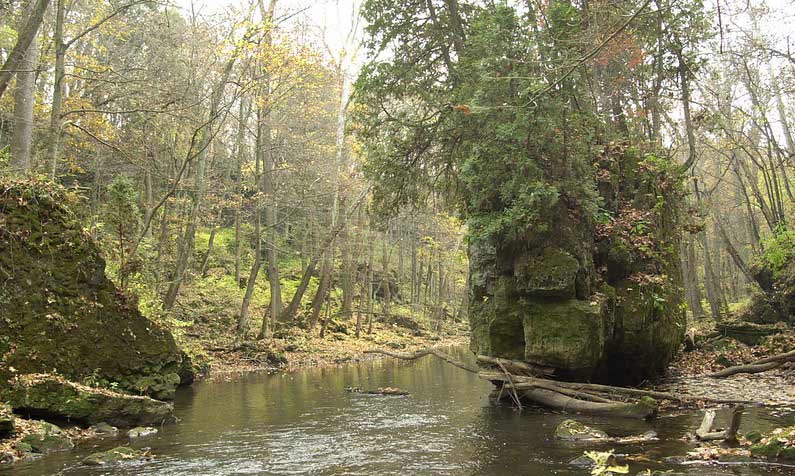
john Bryan State Park
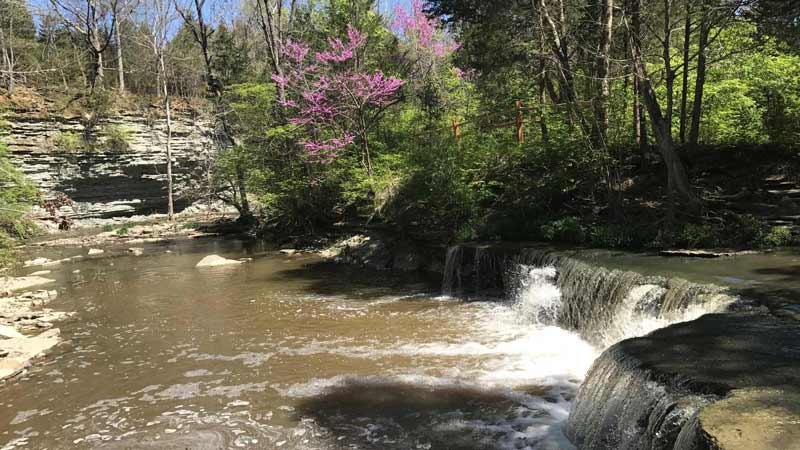
Caesar Creek State Park
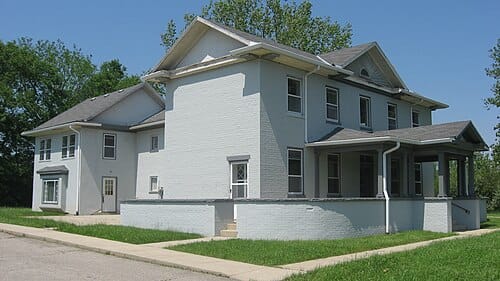
Charles Young Buffalo Soldiers National Monument
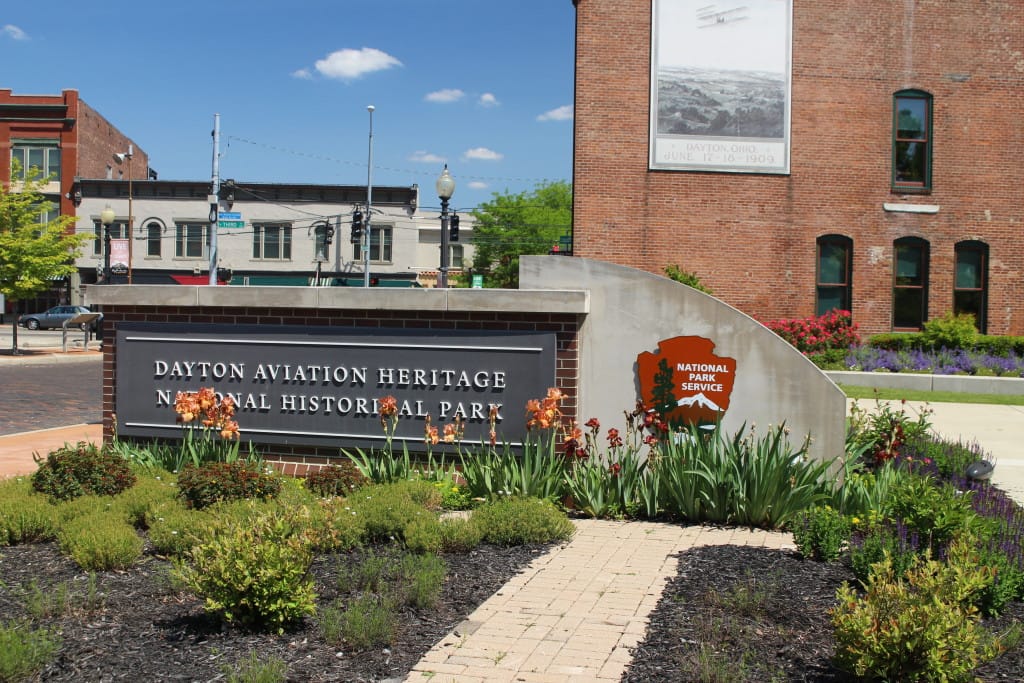
Dayton Aviation Heritage National Historical Park
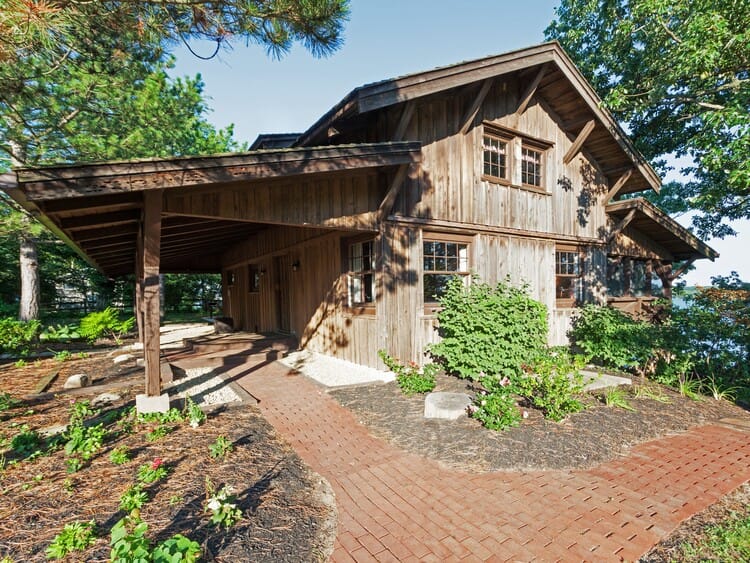
Harding Cabin at Deer Creek State Park
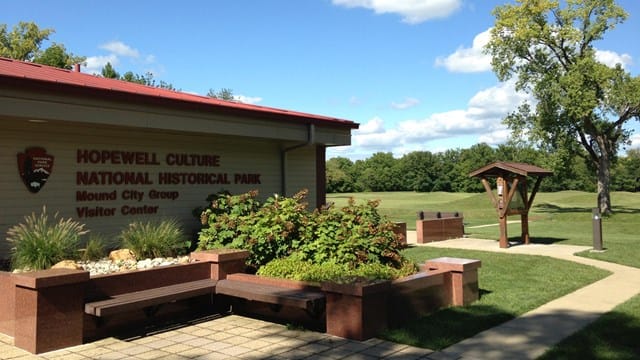
Hopewell Culture National Historical Park
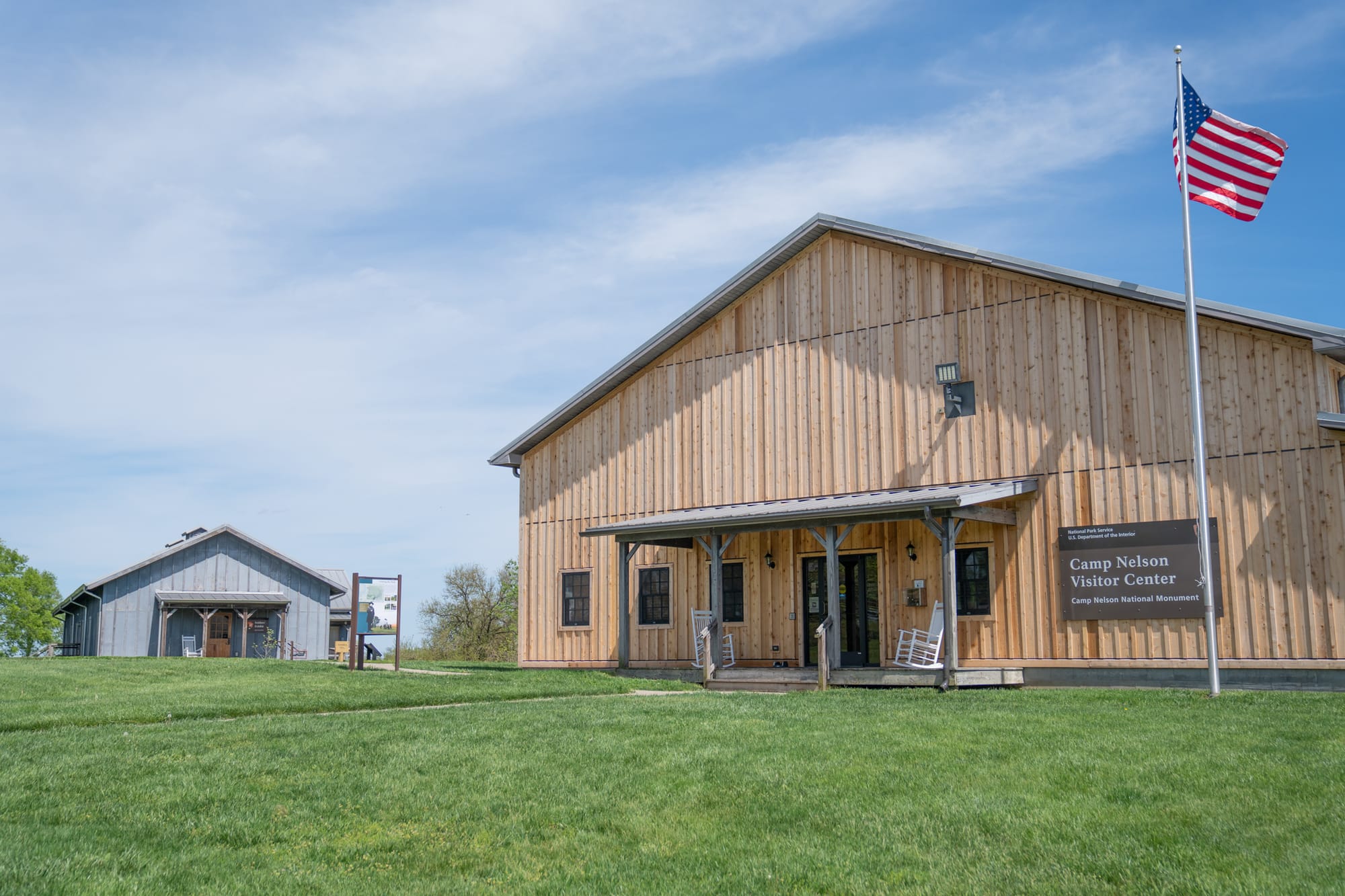
Camp Nelson National Monument