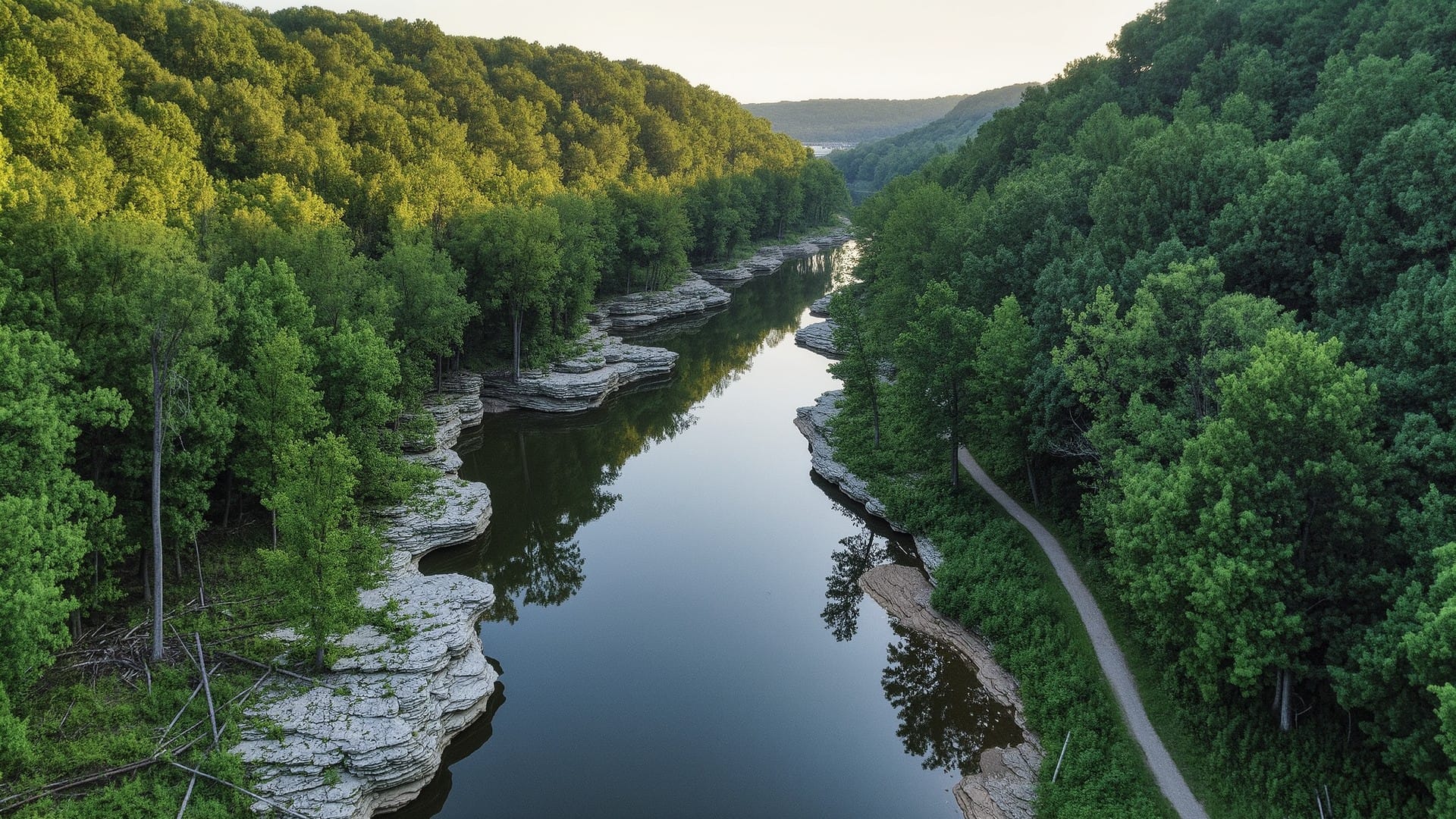
Best Hikes Near Dayton, Ohio: 10 Trails and Day Trips
Dayton sits in a sweet spot for Ohio hiking. Thirty minutes east, you're in the gorges and limestone bluffs of the Little Miami River valley — some of the most dramatic terrain in southwest Ohio. An hour north, quiet lakeside trails meander through rural Shelby County. Push east toward Columbus, and the landscape opens into prairies, reservoirs, and metro parks with bison herds.
The city itself is better known for aviation history than trails, and that's fair — the Wright Brothers story is one of the great American narratives, and Dayton owns it. But hiking near Dayton means you're never far from serious outdoor time. The trick is knowing which direction to drive.
Here are my 10 favorite hikes and outdoor destinations within about 90 minutes of Dayton. The best of them — John Bryan State Park — belongs on any Ohio hiker's bucket list. The rest round out a year of weekends.
Close to home (under 45 minutes)
1. John Bryan State Park and Clifton Gorge
5.5 miles | Moderate | 30 min east of downtown
John Bryan is the crown jewel of Dayton-area hiking, and it isn't close. The park and the adjacent Clifton Gorge State Nature Preserve sit along the Little Miami River where it has cut a 100-foot-deep gorge through Silurian-era dolomite. The cliff walls are layered and textured, old-growth white cedars cling to the ledges, and the river churns through rapids at the bottom.
The North Rim Trail gives you the best views — long stretches of cliff-edge walking with the gorge dropping away to your left. The South Gorge Trail takes you down to river level where you feel the spray from small rapids. The full loop connects both and passes through Yellow Springs, one of Ohio's most interesting small towns. Grab lunch at the Winds Cafe or browse the shops on Xenia Avenue after your hike.
I tell every visitor to Dayton: you have to do this hike. People expect flat, boring Ohio and they get a gorge that rivals anything in the eastern United States. The surprise on their faces is half the fun.
Best season: Spring for the river running high and wildflowers along the rim. Fall foliage in the gorge is extraordinary — the narrow walls concentrate the color.
Read the full John Bryan State Park trail guide →
2. Dayton Aviation Heritage National Historical Park
1.0 miles | Easy | In the city
The Wright Brothers didn't just visit Dayton — they were Dayton. The Aviation Heritage trail connects several NPS sites across the city: the Wright Cycle Company building where they ran their bicycle shop and tinkered with aeronautics, the Wright-Dunbar Interpretive Center, and Huffman Prairie Flying Field where they actually perfected powered flight after Kitty Hawk. Most people don't know that. Kitty Hawk was the first flight. Dayton is where they learned to really fly.
The walking tour through the Wright-Dunbar neighborhood adds historical depth — this was also the home of Paul Laurence Dunbar, one of the first nationally recognized African American poets. The NPS has done a thoughtful job connecting the Wright Brothers and Dunbar stories into a single narrative about Dayton's creative heritage.
Best season: Year-round. Huffman Prairie is beautiful in late summer when the tall grasses wave in the wind.
Read the full Dayton Aviation Heritage guide →
3. Charles Young Buffalo Soldiers National Monument
0.5 miles | Easy | 30 min east of downtown (Wilberforce)
Colonel Charles Young was a barrier-breaker in every sense — the third African American to graduate from West Point, the first Black superintendent of a national park (Sequoia), and a military officer whose career was systematically limited by the racism of his era. His restored home near Wilberforce University is a small but powerful NPS site. The grounds are compact, and the visit is more about the story than the distance.
Pair this with John Bryan State Park, 15 minutes south. The combination of American military history and world-class gorge hiking makes for one of the best day trips in the Dayton region.
Best season: Year-round. Check NPS website for seasonal hours and special programs.
Read the full Charles Young Buffalo Soldiers NM guide →
4. Caesar Creek State Park
5.2 miles | Moderate | 45 min southeast of downtown
Caesar Creek is the trail that gives you everything in one park — forested ridges above a big reservoir, decent elevation change for Ohio, lake views through the canopy, and the thing that makes it one-of-a-kind: a fossil-hunting area where 450-million-year-old Ordovician sea creatures are just lying on the ground waiting for you to pick them up.
The designated collection area along the emergency spillway is where the magic happens. After heavy rain, the erosion exposes fresh specimens — brachiopods, trilobites, bryozoans, crinoid stems. You don't need special equipment. Just sharp eyes and a bag. I've found trilobites here that are museum-quality, sitting in the gravel like they've been waiting four hundred million years for someone to notice.
The hiking trails loop through the forested bluffs above Caesar Creek Lake, and the Pioneer Village at the park entrance — restored 19th-century buildings — adds a historical dimension. Plan for a full morning if you want to hike and fossil hunt.
Best season: Fall for trail foliage around the reservoir. Spring and summer after rain for fresh fossil exposure.
Read the full Caesar Creek State Park trail guide →
Worth the drive (1-1.5 hours)
5. Lake Loramie State Park
3.0 miles | Easy | 1 hr north of downtown
Lake Loramie is a quiet park in Shelby County that most hikers drive right past on their way to somewhere else. That's their loss. The lake is a former canal reservoir — part of the Miami and Erie Canal system that once connected Lake Erie to the Ohio River — and the trails loop through wooded shoreline and open meadows. It's peaceful in a way that's hard to find at more popular parks.
The fishing is good here — bass, catfish, bluegill — and the campground is one of the more pleasant in the state park system. Nearby, the Annie Oakley Birthplace in neighboring Darke County is a quirky historical side trip. She grew up poor on the Ohio frontier and became the most famous sharpshooter in the world. Ohio produces interesting people.
Best season: Spring for wildflowers along the lake. Summer for fishing and kayaking. Fall for quiet walks with lakeside reflections.
Read the full Lake Loramie State Park trail guide →
6. Battelle Darby Creek Metro Park
3.8 miles | Easy | 1 hr east of downtown
Dayton hikers don't always think of Columbus's metro parks, but Battelle Darby sits on the western edge of Franklin County — closer to Dayton than to downtown Columbus. The headline feature is the bison herd. A small group of American bison roams a fenced tallgrass prairie within the park, and you can watch them from an elevated observation platform along the trail.
Beyond the bison, the park has excellent riparian trails along Big Darby Creek, tallgrass prairie restoration, and enough acreage to absorb a crowd. The flat, easy trails make it accessible for all skill levels.
Best season: Fall for golden prairie grasses and active bison. Spring for wildflower meadows.
Read the full Battelle Darby Creek Metro Park trail guide →
7. Deer Creek State Park
3.5 miles | Easy | 1 hr east of downtown
Deer Creek isn't going to be the story you tell people. It's the park you go to when you just want to be outside and not think about it — flat lake trail, herons lifting off the water ahead of you, the quiet sound of nothing much happening. The reservoir reflects the sky in that way Ohio lakes do when the air is still. It's meditative, not exciting.
Pack a lunch and eat at one of the lakeside shelters. If you're there in the evening, the sunset over the reservoir is the kind of thing that makes you sit on your tailgate for an extra twenty minutes before driving home.
Best season: Fall for quiet trails and lake reflections. Spring for waterfowl migration.
Read the full Deer Creek State Park trail guide →
8. Glacier Ridge Metro Park
3.2 miles | Easy | 1 hr east of downtown
Prairie and wetland walking in Union County, northwest of Columbus. Glacier Ridge is named for the glacial deposits that shaped the terrain — flat, open, and dotted with wetland ponds that attract waterfowl and dragonflies. The trails are wide and easy, and the open sky feels expansive after hiking in dense forest. Good birding park. Quiet on weekdays.
Best season: Late summer for prairie grasses at peak height. Spring for wetland birds.
Read the full Glacier Ridge Metro Park trail guide →
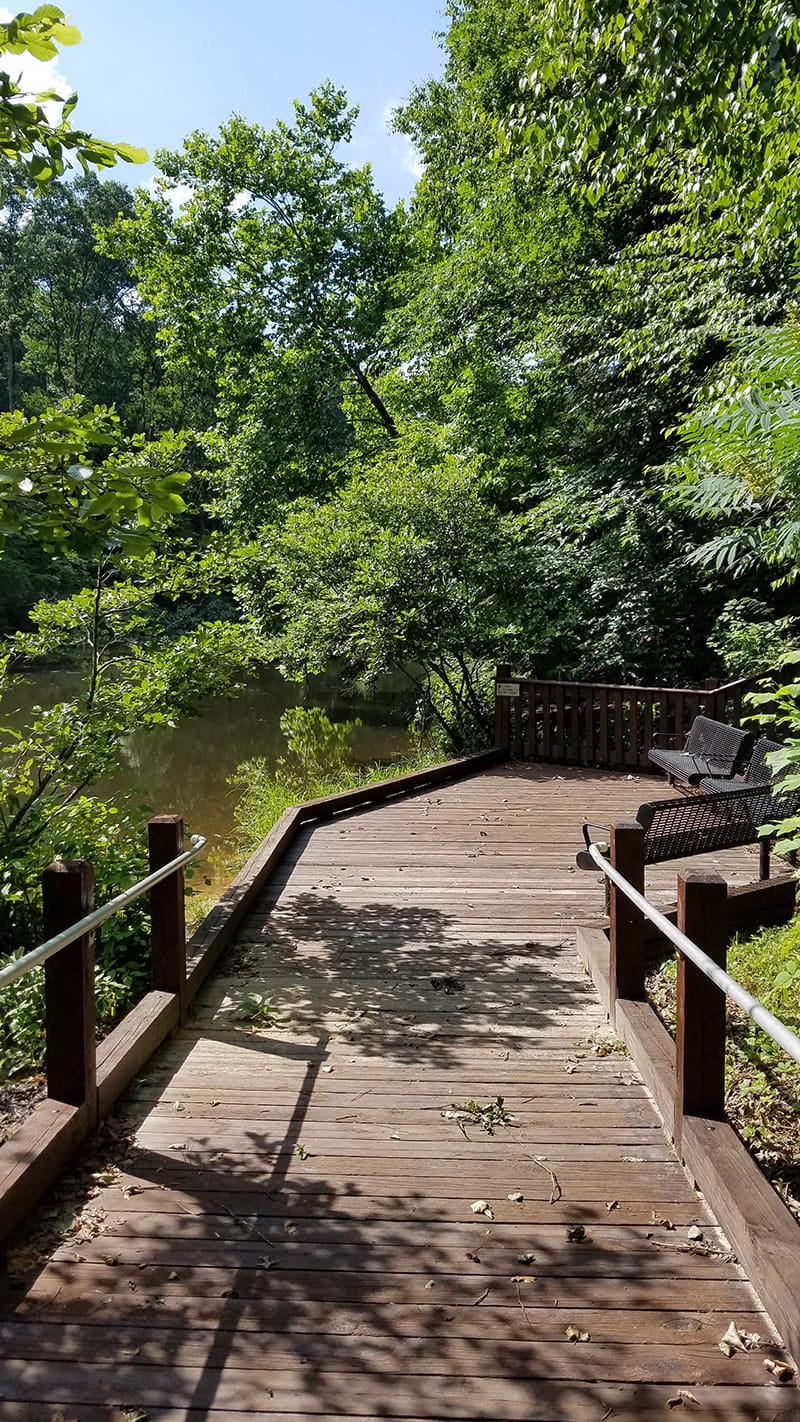
9. Clear Creek Metro Park
5.0 miles | Moderate | 1.5 hr east of downtown
Clear Creek is where the terrain changes. Sitting on the edge of the Hocking Hills region in southeastern Ohio, this metro park has sandstone gorges, hemlock forests, and rugged trails that feel more like Appalachia than the Miami Valley. The biodiversity here is remarkable — it's one of the most botanically rich sites in Ohio, with rare ferns and wildflowers tucked into the gorge microclimates.
If you've hiked every park within an hour of Dayton and want the next step up in difficulty and scenery, Clear Creek is it. The trails have real elevation change, creek crossings, and rocky footing in places.
Best season: Spring for wildflowers — Clear Creek is famous for its trillium and hepatica displays. Fall for gorge views.
Read the full Clear Creek Metro Park trail guide →
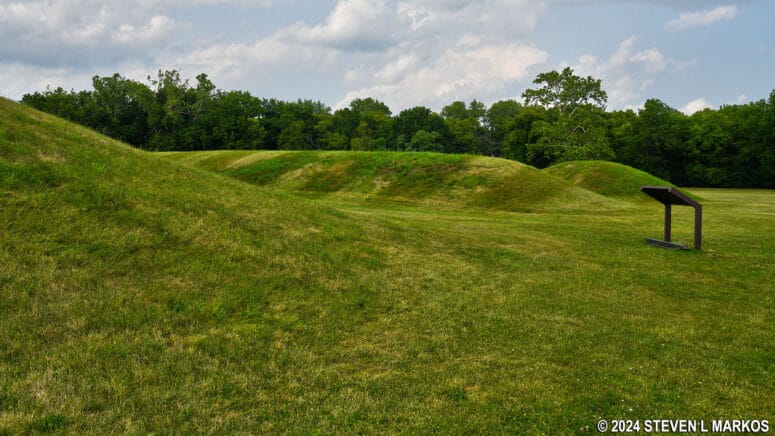
10. Hopewell Culture National Historical Park
2.6 miles | Easy | 1.5 hr east of downtown (Chillicothe)
The visitor center here is one of the better small museums in Ohio — free, well-curated, and refreshingly honest about how much we still don't know about the Hopewell people and why they built what they built. The earthworks outside are massive geometric enclosures constructed two thousand years ago, and they became a UNESCO World Heritage Site in 2023. The trail loops through the Mound City group and surrounding prairie — easy walking, but the kind of place where you stop a lot just to look.
If you make the drive to Chillicothe, take Route 23 south through the Scioto River valley on your way home. One of the most beautiful drives in Ohio, especially in October.
Best season: Spring and fall for comfortable walking. Winter for snow-covered earthworks.
Read the full Hopewell Culture NHP trail guide →
When to hike: a seasonal guide for Dayton
Spring (March-May): The Miami Valley warms up fast. By mid-April, the gorges at John Bryan are alive with trillium, Dutchman's breeches, and wild geranium along the rim. The Little Miami runs strongest in spring, making Clifton Gorge's rapids genuinely dramatic. Rain is constant — bring waterproof boots and expect mud. But that rain is also why Caesar Creek is best in spring: heavy storms expose fresh 450-million-year-old fossils in the spillway gravel.
Summer (June-August): John Bryan's gorge bottom runs 10-15 degrees cooler than the rim. That's not marketing. I've measured it. When it's 92 degrees on the parking lot asphalt, it's 78 in the gorge with shade overhead and the river creating its own microclimate. That's your summer answer. Lake Loramie and Deer Creek offer post-hike swimming if you need it.
Fall (September-November): Here's what I'll say about Clifton Gorge in October: the dolomite cliffs glow warm in low-angle light, the canopy turns gold and red above narrow walls that concentrate the color, and if you time it right — a Tuesday morning in mid-October — you might have the North Rim Trail to yourself. This is the best season. It's not close.
Winter (December-February): The NPS sites earn their keep in winter — Dayton Aviation Heritage and Charles Young are mostly indoor experiences that work fine when it's 25 degrees outside. John Bryan's gorge takes on a stark beauty with bare trees and occasional ice formations on the cliff faces, but watch your footing on exposed rock near the rim. Bring traction devices if there's been freezing rain.
Before you head out
Dayton's best hike — John Bryan and Clifton Gorge — is 30 minutes away and should be your first trip. Period. After that, work outward: Caesar Creek for the fossils, Lake Loramie for the quiet, Clear Creek for the rugged terrain.
Most state parks charge modest parking fees. NPS sites are free. The Yellow Springs area (John Bryan + Charles Young) can fill an entire day and makes an excellent introduction to what's available.
Ohio weather changes fast in the Miami Valley. Pack layers, carry water, and check conditions before heading to any trail after heavy rain. The gorge trails at John Bryan can be slippery when wet, and some sections close during high water events.
Happy trails.
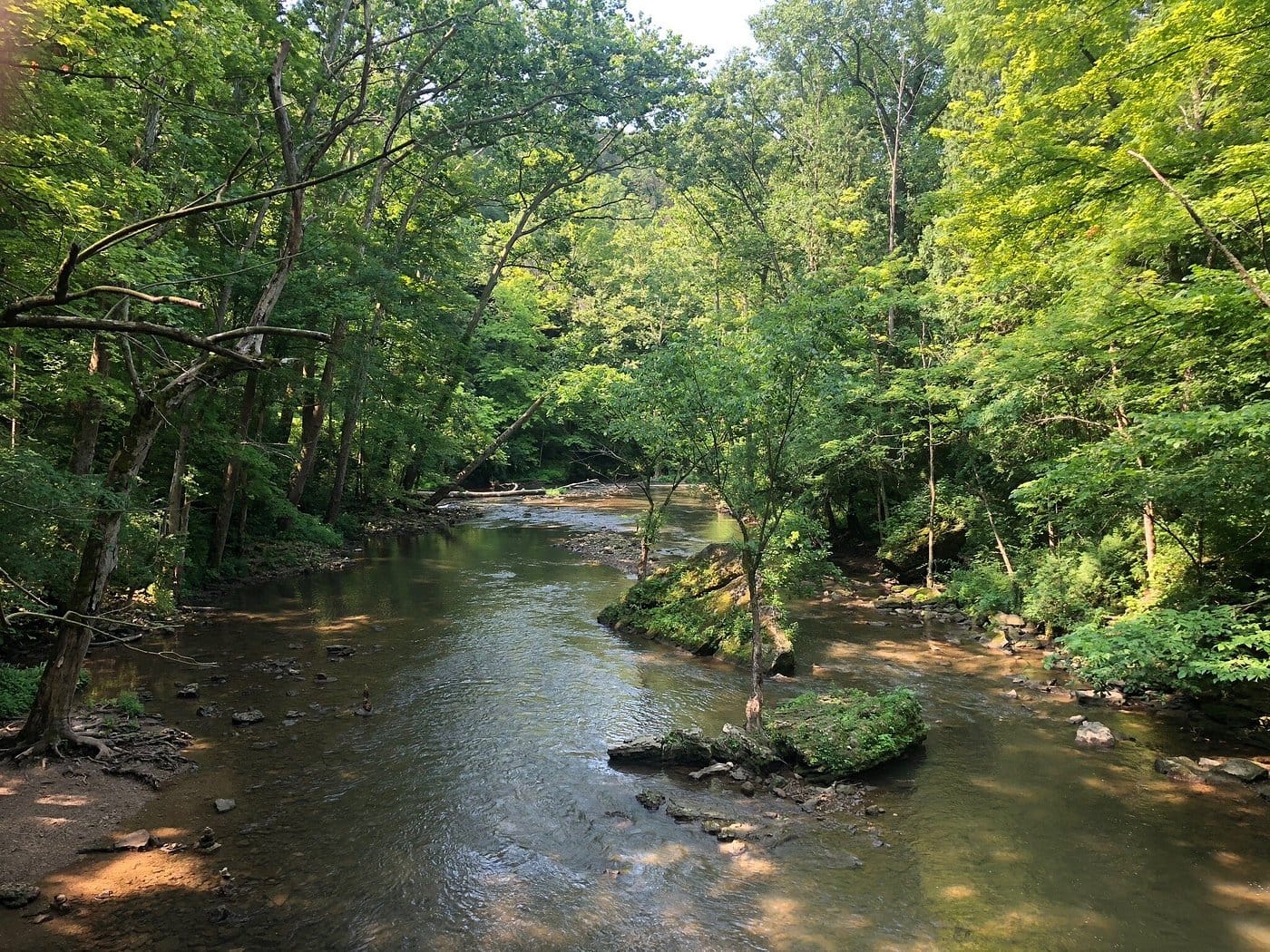
John Bryan State Park and Clifton Gorge
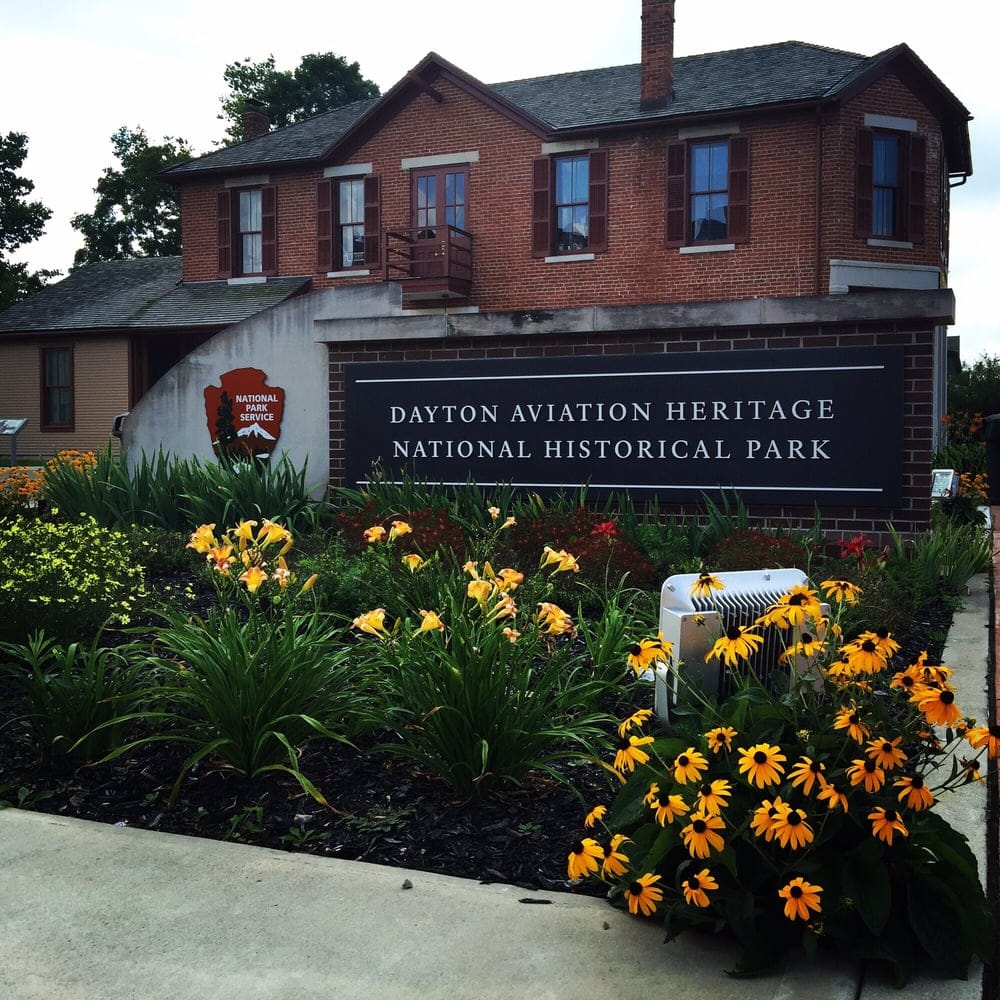
Dayton Aviation Heritage National Historical Park
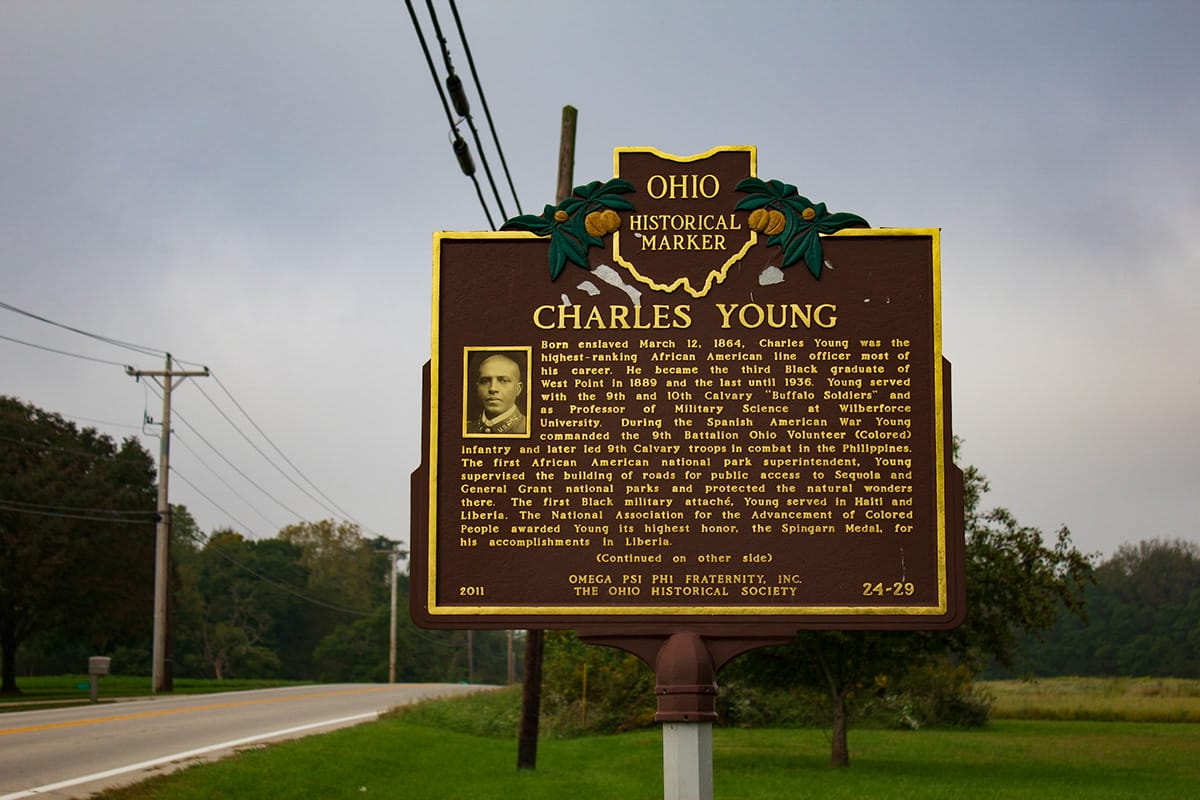
Charles Young Buffalo Soldiers National Monument
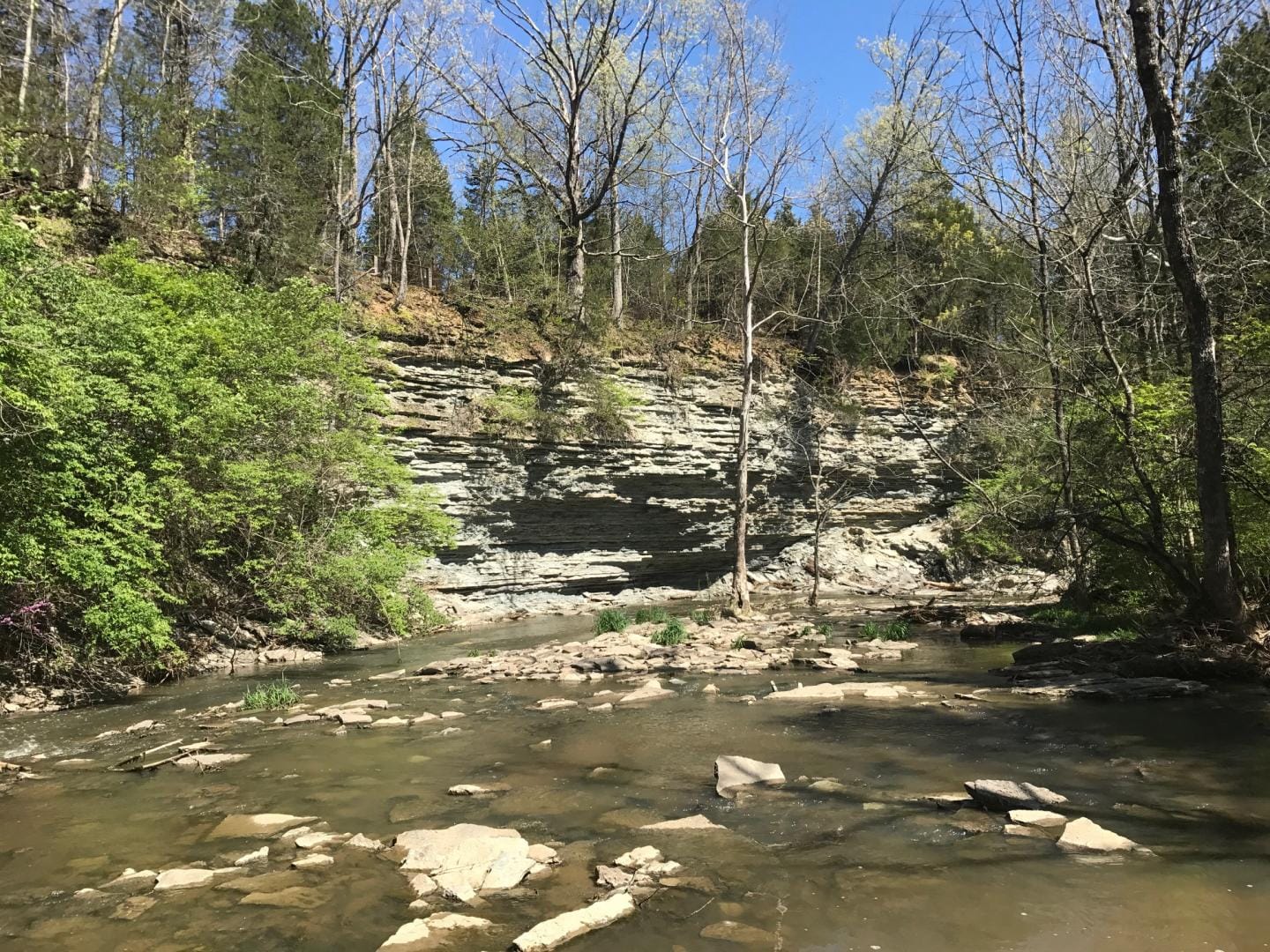
Caesar Creek State Park
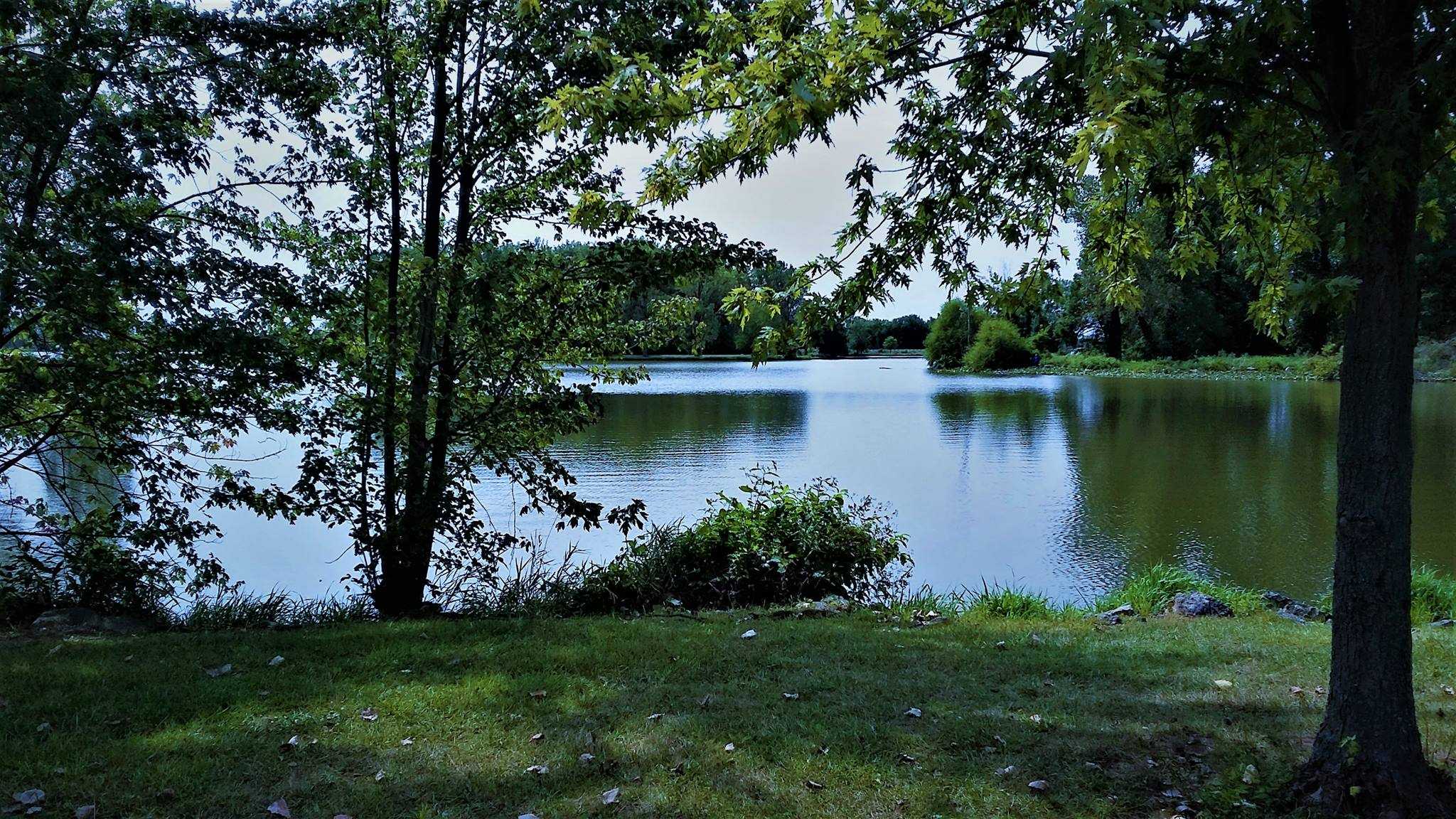
Lake Loramie State Park
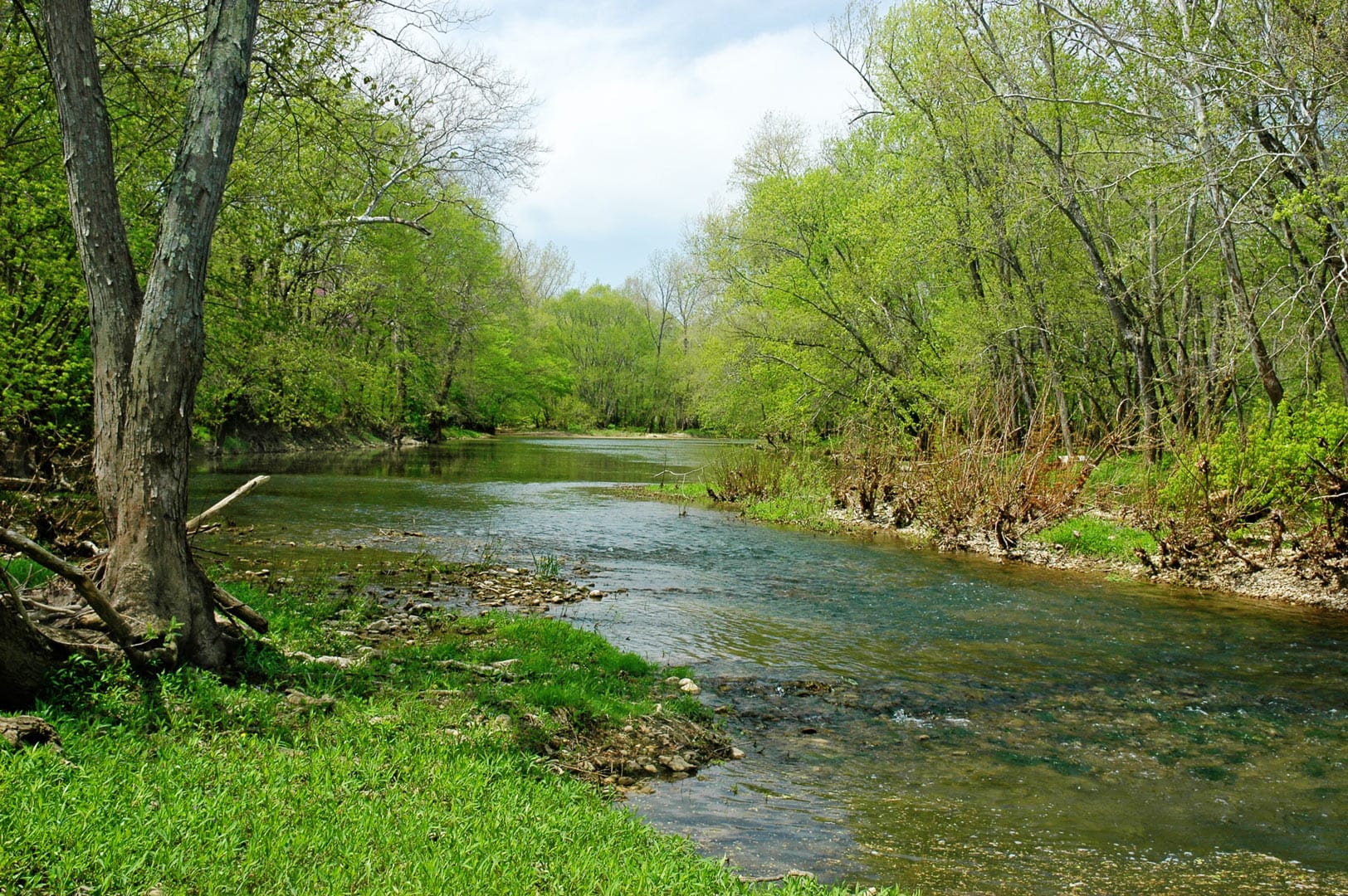
Battelle Darby Creek Metro Park
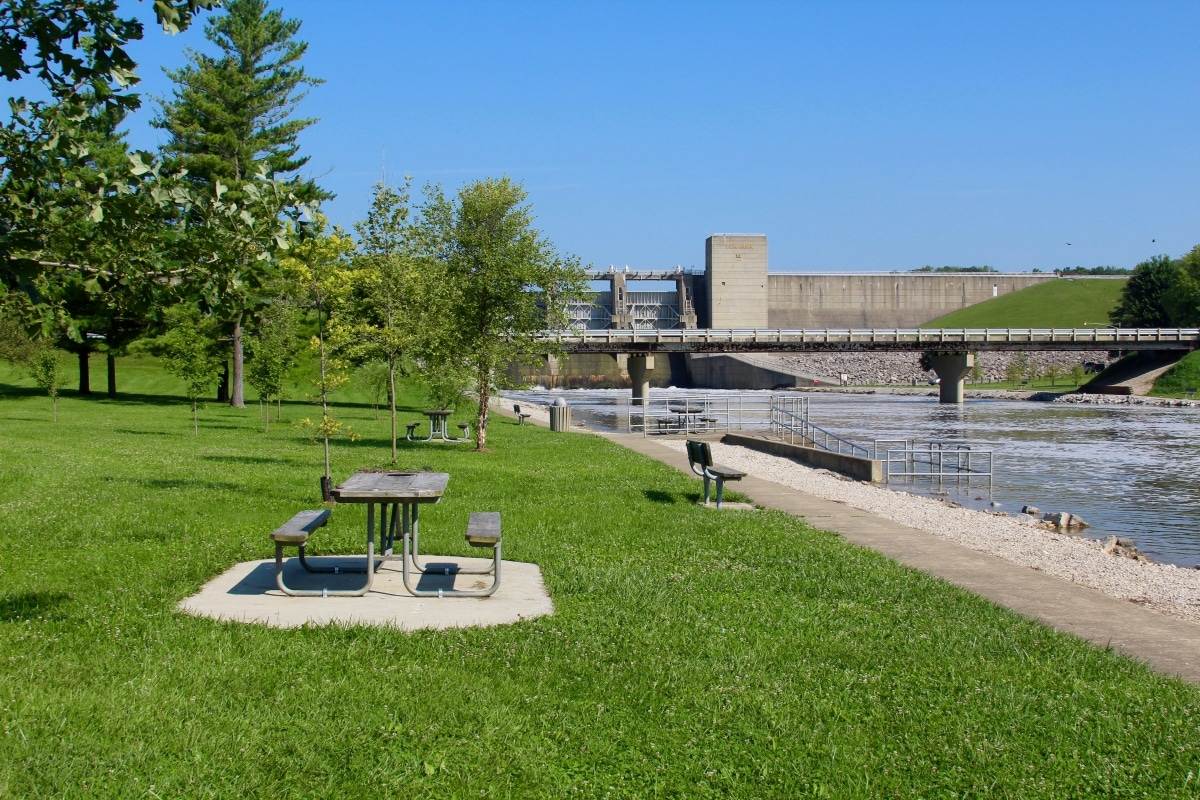
Deer Creek State Park
Glacier Ridge Metro Park
Clear Creek Metro Park
Hopewell Culture National Historical Park