
Neil Armstrong Boyhood Home: Walking Tour & Visit
Trail Map
Interactive map showing the trail route for Neil Armstrong Boyhood Home: Walking Tour & Visit. The map displays topographic information and trail markers.
Elevation Profile
Elevation data not available for this trail.
Chart showing elevation changes along the trail distance. Hover or focus on the chart to see specific elevation values at each point.
Neil Armstrong’s boyhood home refers to the house where Neil A. Armstrong, the first person to walk on the Moon, lived as a teenager and young adult in Wapakoneta, Ohio.
The home is located at 601 West Benton Street, Wapakoneta, Ohio. Armstrong’s family moved there in 1944 when he was in high school, and he lived there through his late teens. Armstrong lived there while attending Blume High School and taking flying lessons nearby — experiences that helped shape his future as an aviator and astronaut.
The home is a well-kept two-story structure in a residential neighborhood and remains a private residence; the current owners maintain Armstrong memorabilia inside and honor its history.
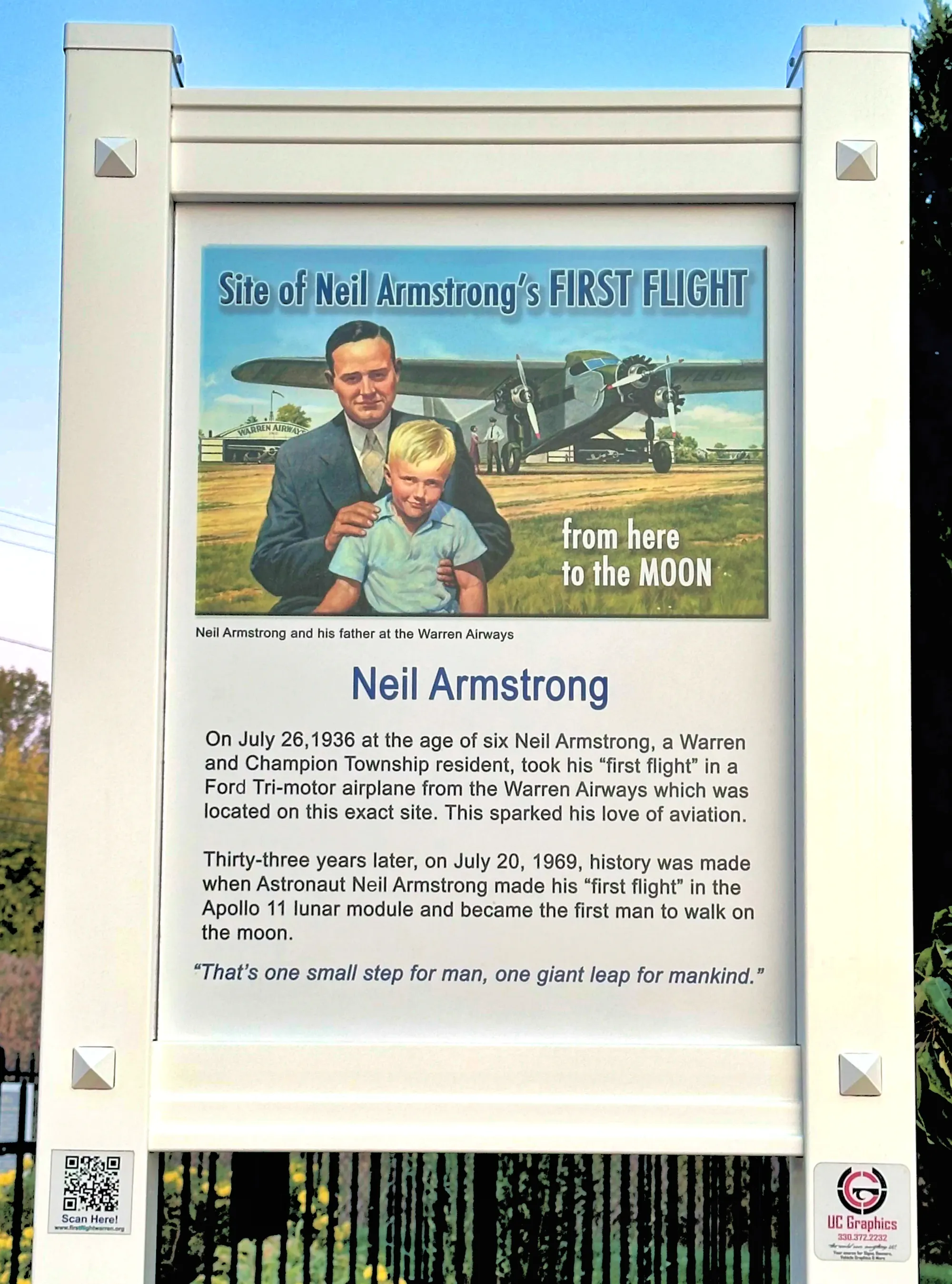
The home is often referred to locally as “Eagle’s Landing, Boyhood Home of Neil Armstrong, First Man to Walk on the Moon,” and a historical marker stands outside commemorating its significance.
Neil studied aeronautical engineering at Purdue University on a U.S. Navy scholarship. Later earned a master’s degree from the University of Southern California.
Wapakoneta celebrates Armstrong’s legacy with the Armstrong Air & Space Museum, which highlights his achievements and the history of space exploration. The town also includes other historic sites tied to his early life, such as the farm where he was born near Wapakoneta and the local airfield where he learned to fly.
Neil Armstrong History
Neil Alden Armstrong was born on August 5, 1930, in Wapakoneta. He grew up in several Ohio towns due to his father’s state job, but Wapakoneta was home.
Fascinated by flight from a young age, he earned his pilot’s license at 16—before he had a driver’s license. He later studied aeronautical engineering at Purdue University.
Armstrong served as a U.S. Navy pilot during the Korean War, flying 78 combat missions. After the war, he became a test pilot with the National Advisory Committee for Aeronautics (NACA), the forerunner of NASA. He flew experimental aircraft, including the X-15 rocket plane, helping advance high-speed flight research by reaching speeds over 4,000 mph and altitudes above 200,000 feet.
Selected as a NASA astronaut in 1962, Armstrong first flew in space on Gemini 8 in 1966, where he successfully handled a dangerous in-orbit spacecraft malfunction. The mission performed the first docking of two spacecraft in orbit. He solved a dangerous in-space emergency and safely returned to Earth.
In 1969, he commanded Apollo 11, the first mission to land humans on the Moon. On July 20, 1969, Armstrong became the first person to step onto the lunar surface. The mission collected lunar samples. Famous quote:
“That’s one small step for man, one giant leap for mankind.”
Apollo 11 fulfilled President Kennedy's goal of landing a man on the moon before the end of the 1960s.
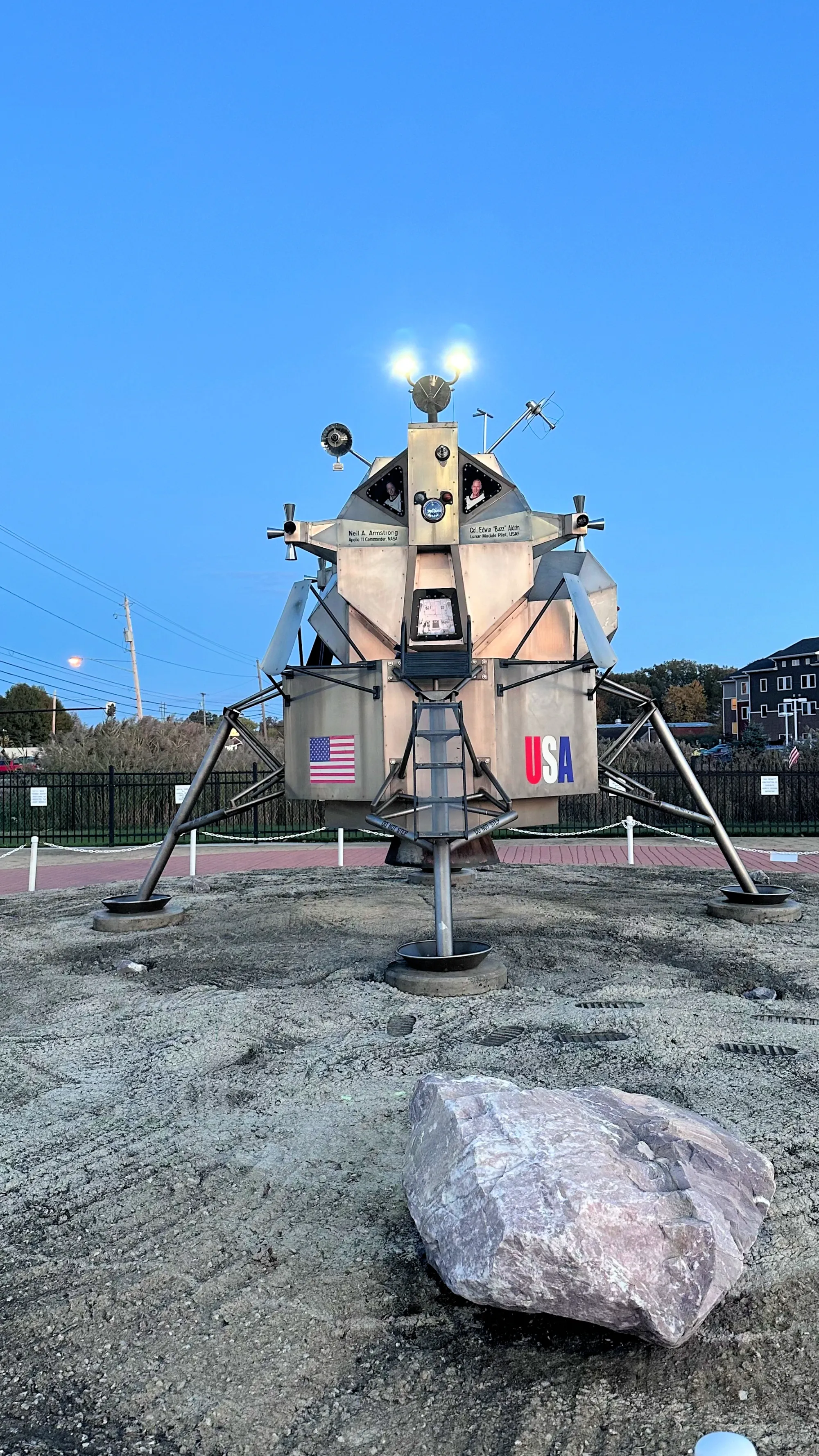
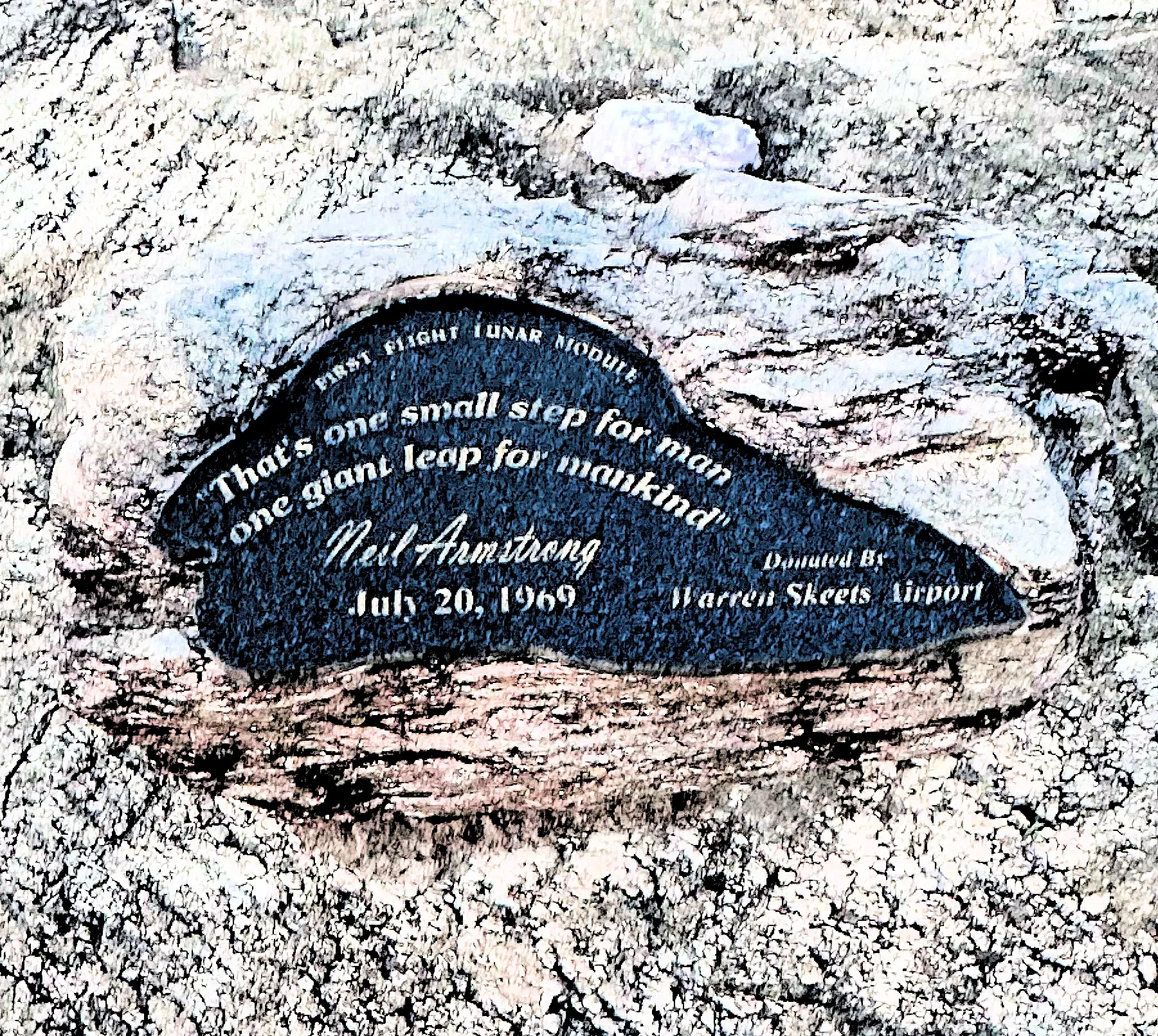
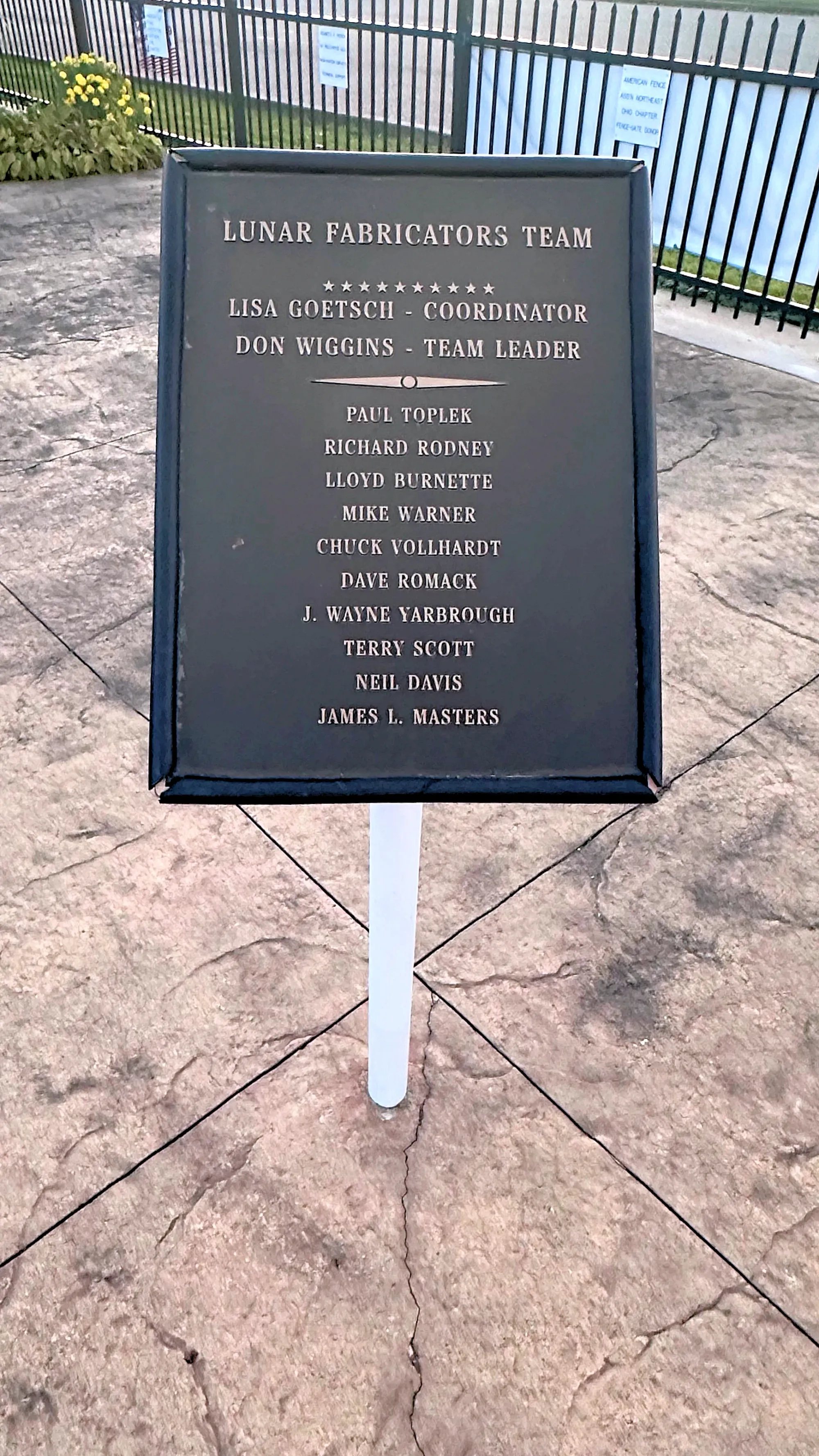
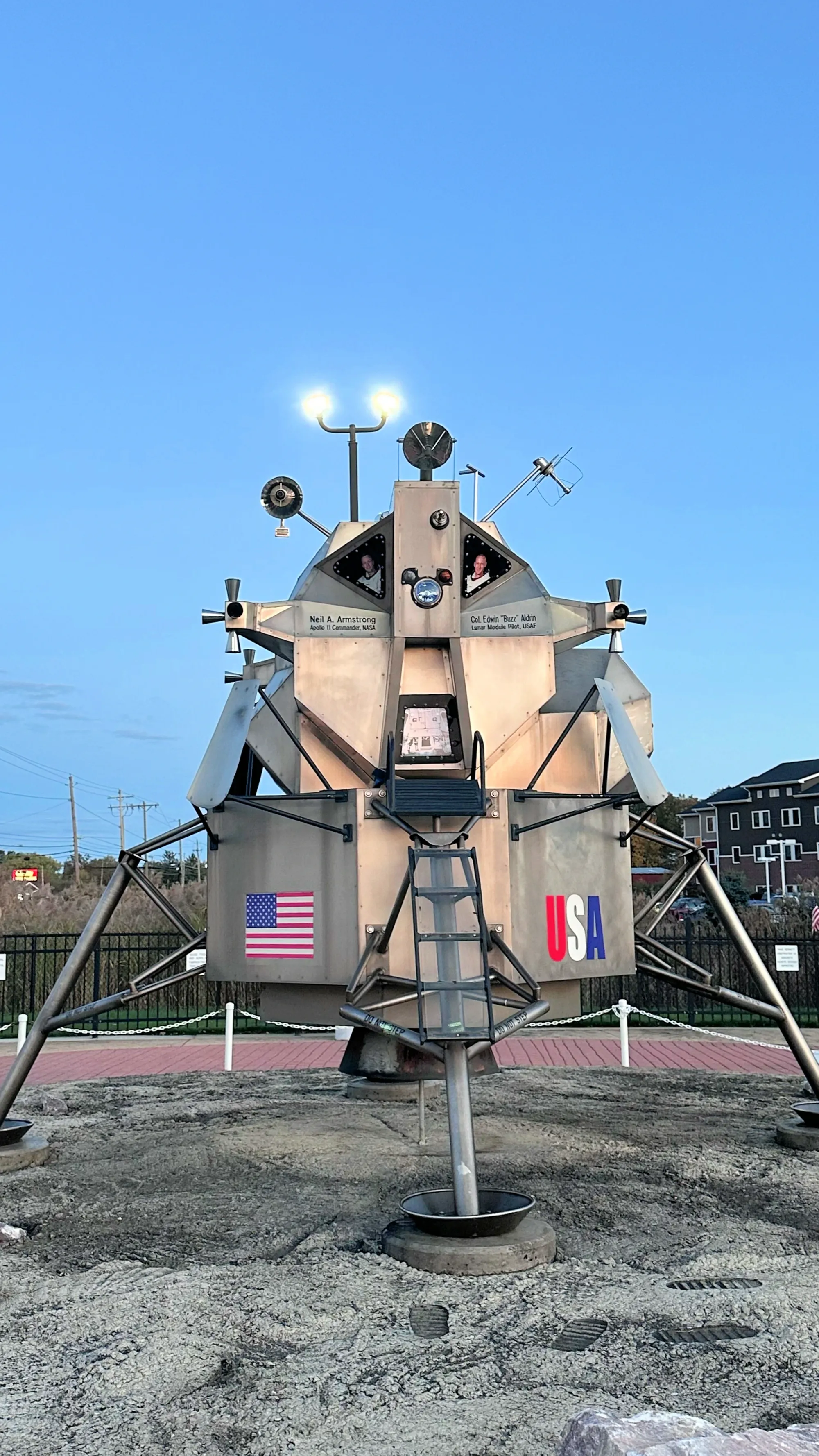
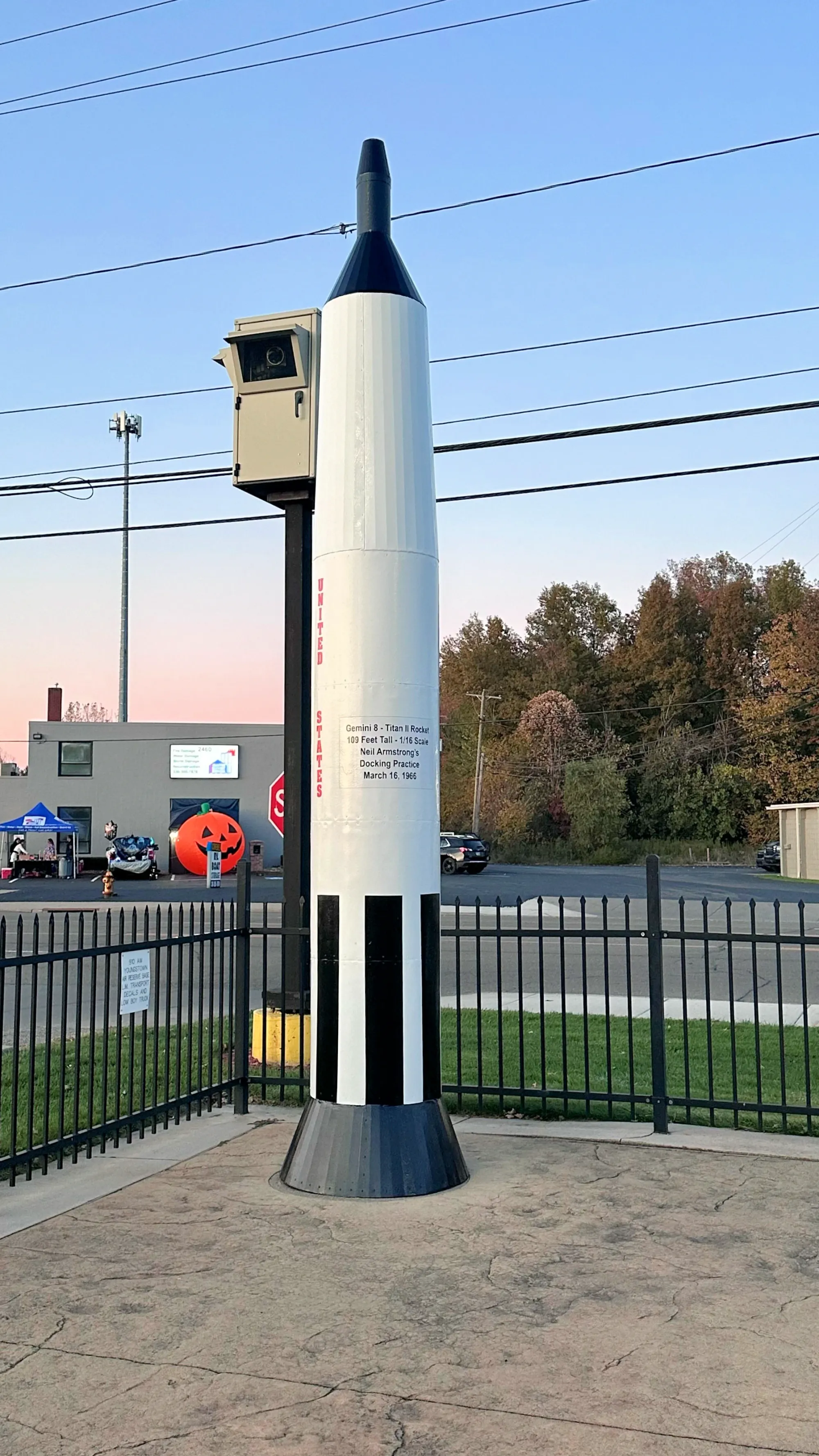

After leaving NASA in 1971, Armstrong became a professor of aerospace engineering at the University of Cincinnati. He later served on corporate boards and participated in investigations, including the Challenger shuttle disaster review. He received the Presidential Medal of Freedom, Congressional Space Medal of Honor, and Congressional Gold Medal.
Despite worldwide fame, he remained known for his humility and private nature.
Neil Armstrong died on August 25, 2012, at age 82.
His legacy continues to inspire space exploration around the world.
Armstrong Air & Space Museum
It is located:
- Address: 500 Apollo Drive, Wapakoneta, Ohio 45895, USA.
- The museum is located just off Interstate 75 in Wapakoneta, in northwest Ohio — the hometown of astronaut Neil Armstrong.
History
The museum was created to honor Neil Armstrong, the first person to walk on the Moon during the Apollo 11 mission in 1969, and to celebrate Ohio’s significant contributions to aviation and space exploration.
Shortly after the Apollo 11 landing, Ohio’s governor proposed building a museum in Armstrong’s hometown, and local residents enthusiastically raised funds to make it happen.
The museum was formally dedicated on July 20, 1972, three years after the Moon landing, drawing visitors to learn about Armstrong’s career and the broader story of space travel.
Over the years, the facility has expanded and updated exhibits. In 2019, the museum added the Neil Armstrong STEM Inspiration Center to support hands-on learning, reflecting its mission to inspire future generations.
What to See
The museum features a variety of historic aircraft, spacecraft, and space artifacts connected to the history of flight and exploration:
- Gemini VIII spacecraft — flown by Neil Armstrong and David Scott during the first successful docking of two spacecraft in Earth orbit.
- Apollo 11 Moon rock — a sample collected by Armstrong and Buzz Aldrin on the Moon.
- Neil Armstrong’s spacesuits from the Gemini and Apollo programs, showcasing authentic gear used during historic missions.
- Early aircraft that Armstrong piloted, including planes from his youth and test flight career.
- Interactive exhibits and simulators — like lunar landing and shuttle landing simulators — and a dome theater playing space documentaries.
- The museum’s architecture is designed to evoke a futuristic lunar base and often includes outdoor displays of aircraft and aerospace artifacts.
- It places special emphasis not only on Armstrong but also on other Ohioans who played key roles in aviation and space exploration, making it both a local and national tribute to aerospace history.
Hiking in Wapakoneta
Here are the main hiking & walking trails in Wapakoneta, Ohio, with approximate distance and difficulty ratings:
Heritage Trails Park District (Wapakoneta)
Distance: ~1.4 miles total of connected nature trails
Difficulty: Easy
Terrain: Wooded dirt paths, mostly flat
Good For: Casual hiking, birdwatching, families
Notes: Shaded trails with benches and native plants. Can be slightly muddy after rain.
Wapakoneta Riverwalk (Belcher Park area)
Distance: ~1 mile (point-to-point sections connect parks)
Difficulty: Very Easy
Terrain: Paved, flat riverside path
Good For: Strollers, wheelchairs, biking, relaxed walks
Notes: Great scenic river views; ideal for beginners.
Wapakoneta Community Nature Center
Distance: ~0.5–1 mile (informal loops)
Difficulty: Easy
Terrain: Natural ground, lightly wooded
Good For: Short quiet walks, wildlife viewing
Notes: Smaller and less developed than Heritage Trails.
School Woodland Trails (Blackhoof Street area)
Distance: ~0.5–1 mile network
Difficulty: Easy
Terrain: Dirt woodland path
Good For: Quick shaded hikes
Notes: Peaceful local favorite; mostly flat.
There are several nearby larger hiking options about 15–30 minutes away including Lake Loramie State Park. I wrote a blog about that state park and Annie Oakley's birthplace. It is worth a read.
Conclusion
Neil Armstrong's birthplace in Wapakoneta is worth seeing. Although there is not a lot of hiking, there is several hiking trails nearby. It is enlightening to see information about the first man to walk on the moon.