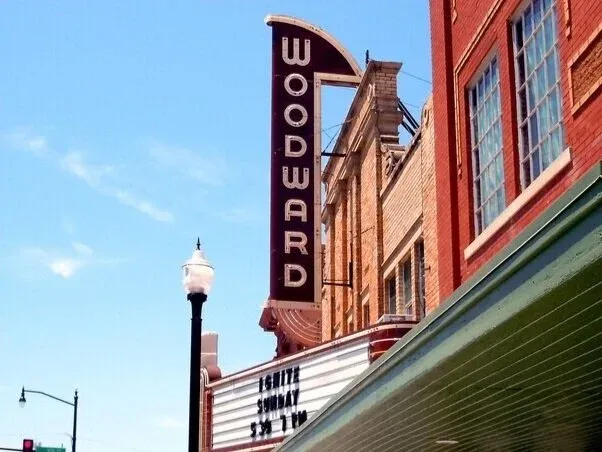
Stop #10 Woodward, Oklahoma
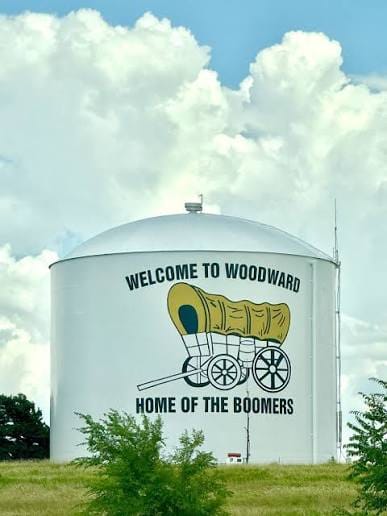
Our next stop was Woodward, Oklahoma. The original plan was to camp, but one night is not worth all the work to set up and tear down camp. So we reserved a room in Woodward, Oklahoma. It is an interesting area that we would never have known about. We ventured around Woodward to find out more.
Woodward History
As the historic county seat of northwestern Oklahoma, Woodward has a story woven deeply through the threads of railroad expansion, cattle drives, the Cherokee Outlet, and a resilient spirit forged by severe weather and booms. Long before its days as an agricultural and energy hub, the region was widely traveled and inhabited by Plains Indian peoples. Following the Civil War, the land served as a vast expanse for cattle ranching, with large portions of the Cherokee Outlet leased for grazing by the Cherokee Strip Live Stock Association.
The arrival of the Southern Kansas Railway—tied to the Atchison, Topeka and Santa Fe system—in April 1887 marked a major turning point, extending tracks down from Kansas into the region. A bustling little settlement and depot soon sprouted right where the rail line intersected a local military road. Beyond trade and travel, Woodward quickly established itself as a vital supply hub for nearby Fort Supply, situated just 12 miles to the northwest.
The exact origin of Woodward's name remains unclear. Historical records point to two primary possibilities: railroad director Brinton W. Woodward and local frontiersman Richard "Uncle Dick" Woodward, who worked as a buffalo hunter, teamster, and saddle maker.
Bolstered by efficient rail networks, Woodward evolved into a vital cattle-shipping center for the Oklahoma Territory. Its position as a commercial hub was further reinforced in 1911–1912 with the arrival of the Wichita Falls and Northwestern Railway. Gradually, agriculture matched cattle in economic importance; the prairie supported extensive wheat crops, and a thriving broomcorn industry sustained local manufacturing operations in Woodward and Mooreland from 1912 through 1947.
The 1947 tornado
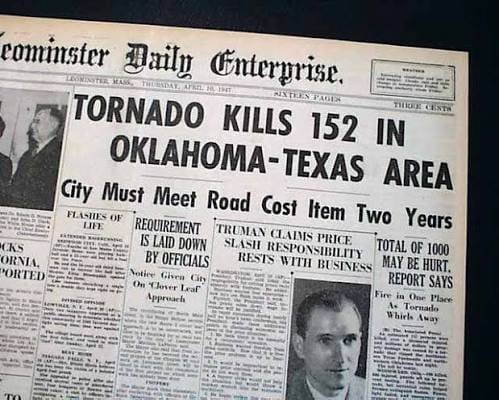
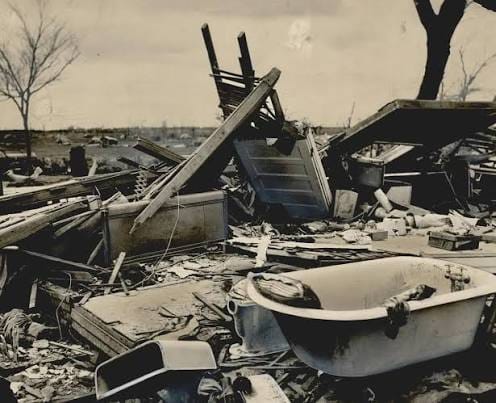
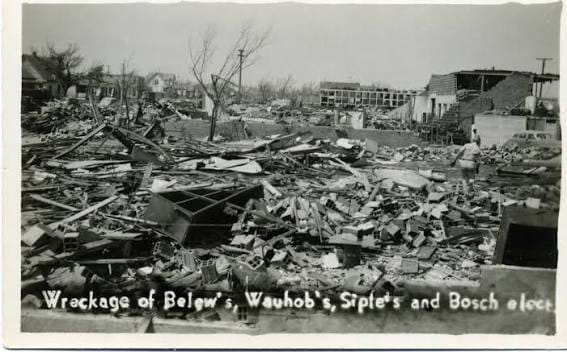
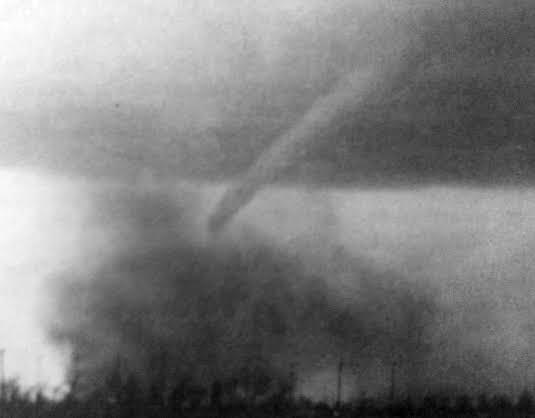
Just after 8:30 p.m. on April 9, 1947, a violent tornado swept out of the Texas Panhandle into Oklahoma, devastating Woodward. Destroying nearly 200 blocks and killing over 100 people, the storm is one of the darkest chapters in the city's modern history. As the Oklahoma Historical Society notes, the event permanently shaped the community, which continues to honor the victims through local monuments and historical collections.
Oil and gas boom
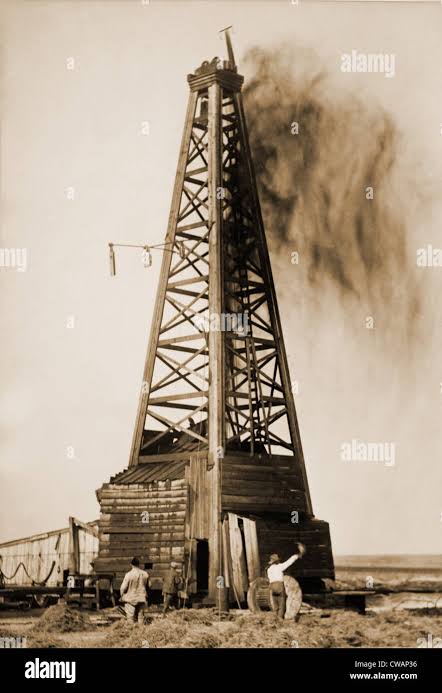
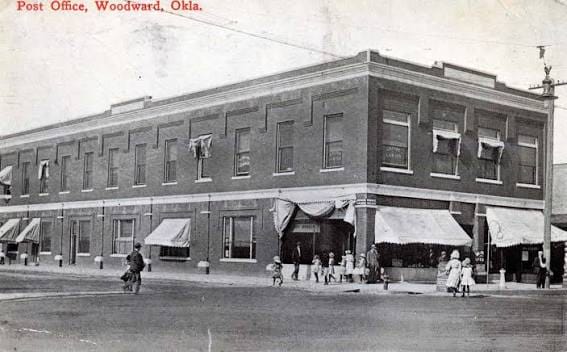
Woodward underwent an exciting transformation in 1956, when the McCormick Number One well hit gas and kicked off a fantastic two-decade economic boom. With that new oil and gas production, the town flourished—population numbers climbed, and folks welcomed new schools, a hospital, vocational-technical classes, and all sorts of fresh infrastructure, bringing the population to 13,610 by 1980.
Of course, when the early 1980s economic downturn hit, the boom slowed down and the population dipped before settling into a steady rhythm. By the time of the 2020 Census, Woodward was home to 12,127 residents.
Native American History
The region traversed by I-40 is rich in Indigenous history. Numerous Native nations, including the Five Tribes, have deep-rooted connections to Oklahoma stemming from their relocation to Indian Territory in the 1800s. Their communities, languages, and cultural practices continue to play a vital role in shaping Oklahoma’s identity today.
The Five Tribes usually refers to the Cherokee, Chickasaw, Choctaw, Muscogee (Creek), and Seminole Nations. They are distinct Native nations with their own histories, governments, and cultures. The older label “Five Civilized Tribes” came from non-Native usage and reflects a colonial judgment, so Five Tribes is generally preferred today.
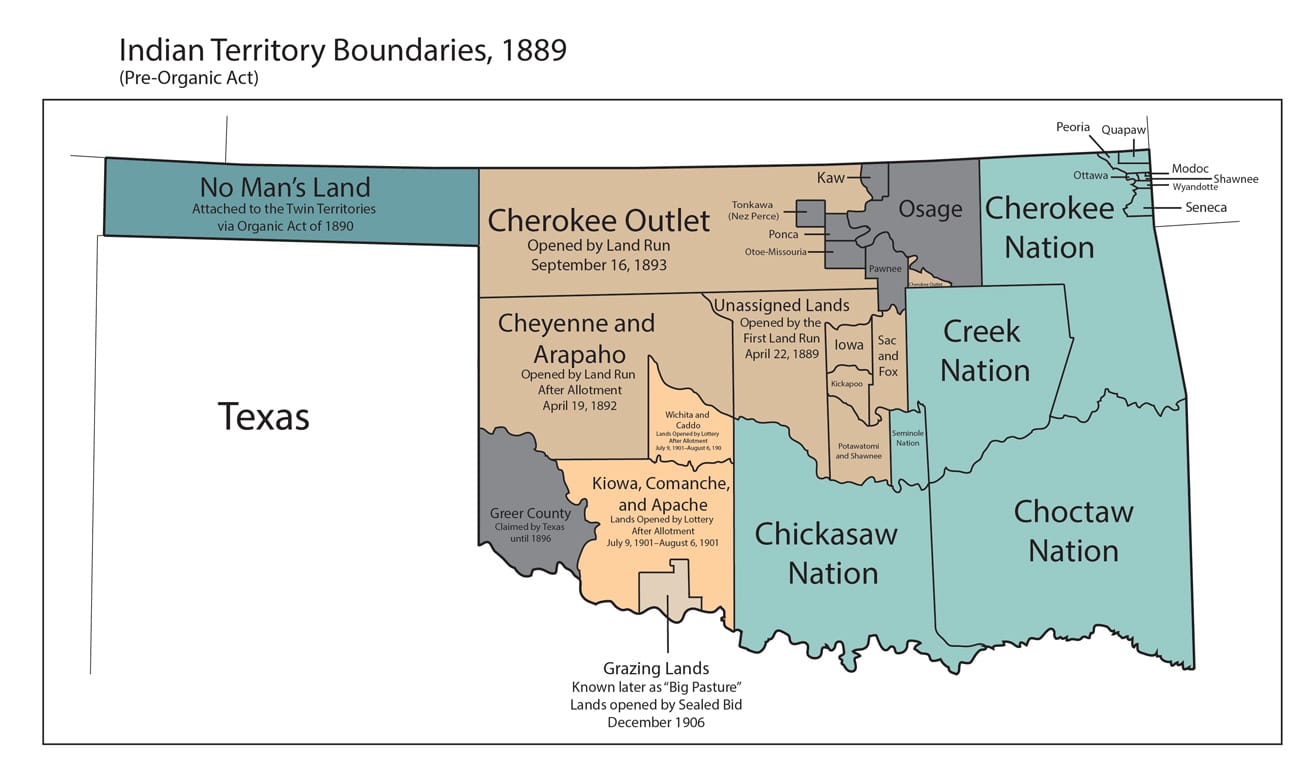
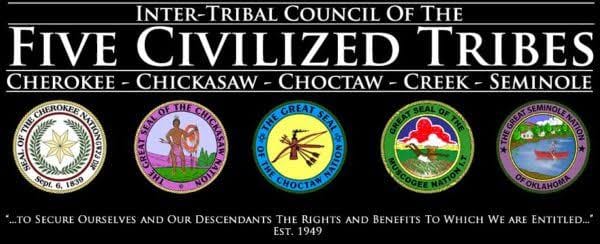
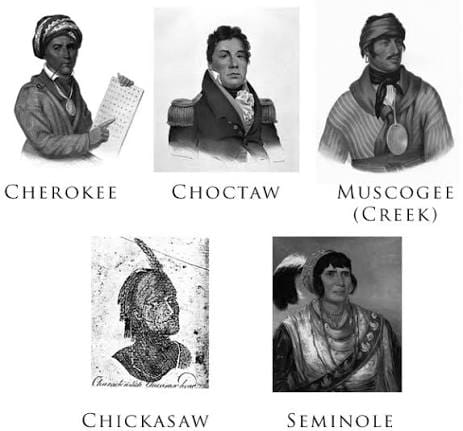
All five nations had homelands in the southeastern United States long before the U.S. existed. In the 1800s, U.S. expansion and federal removal policies forced many citizens west to Indian Territory, much of which is now Oklahoma. These removals caused immense suffering and loss of life; the Cherokee removal is especially known as the Trail of Tears.
In Indian Territory, the nations maintained their own governments and communities. After the Civil War, treaties reshaped relations with the U.S.; later, federal allotment policies divided much of their collectively held land. Oklahoma became a state in 1907, but the five nations continue as sovereign tribal governments today.
Baxter Springs, Kansas
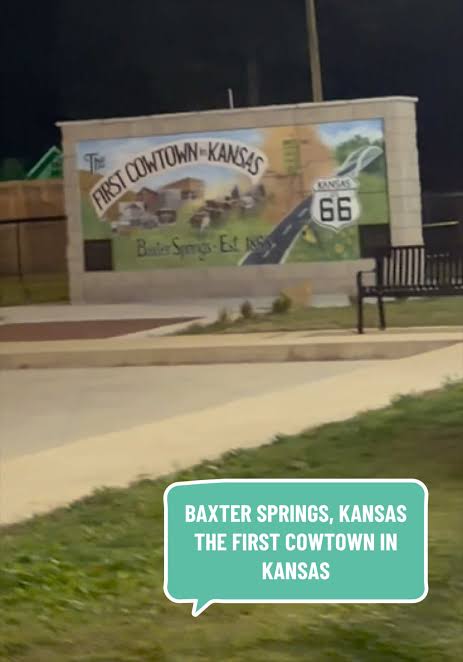
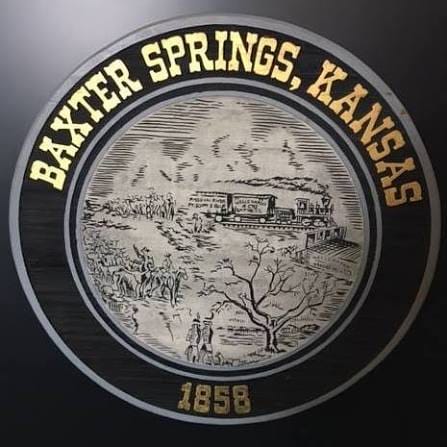
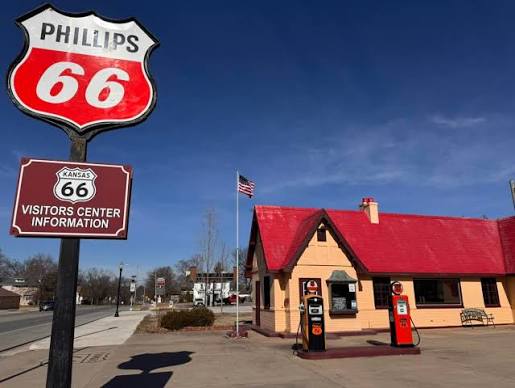
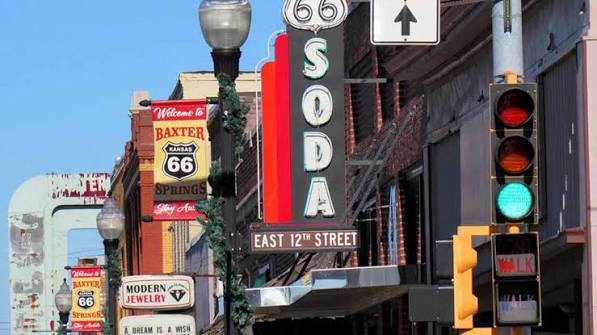
Located in Cherokee County at the intersection of Kansas, Missouri, and Oklahoma, Baxter Springs has a history shaped heavily by its tri-state geography. Before the arrival of Route 66, the area served as a natural stopping point for travelers traveling through the region, leading a community to form around its natural springs.
Baxter Springs gained strategic importance during the Civil War following the Union's establishment of Fort Blair (Fort Baxter). On October 6, 1863, the town became the site of the Battle of Baxter Springs, where Confederate guerrillas under William Quantrill ambushed Union troops—a deadly clash that left a lasting mark on the community. Visitors can still tour the Ft. Blair.
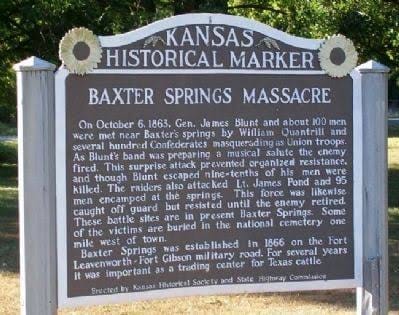
The Baxter Springs Heritage Center & Museum is particularly useful if you want the broader history, because its exhibits cover the Civil War, Native American history, mining, transportation and Route 66.
Baxter Springs and Route 66
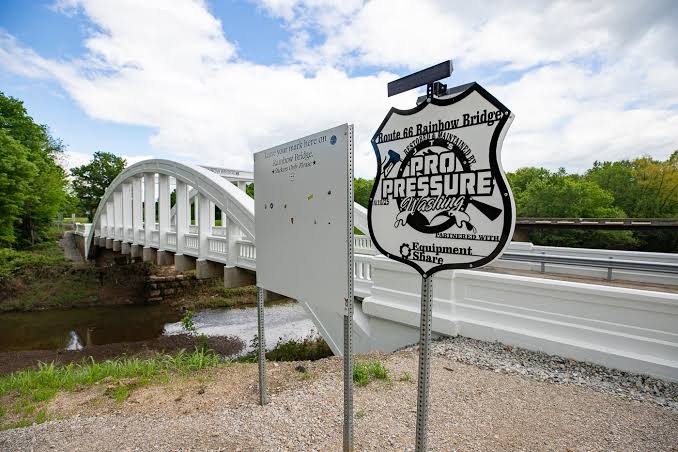
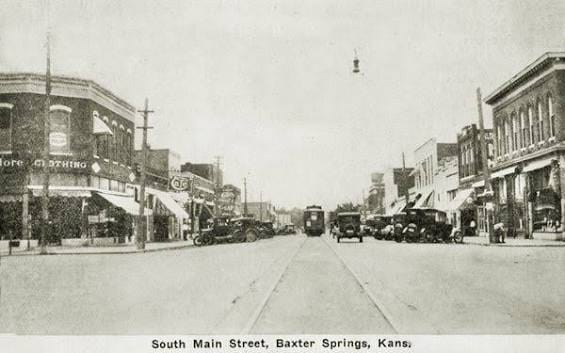
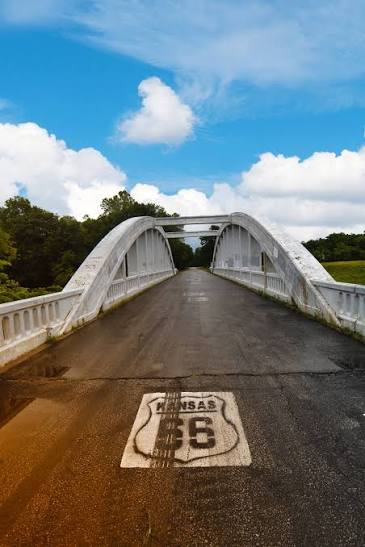
Route 66 officially put Baxter Springs on the map when the highway system was established in 1926. Though Kansas features only about 13 miles of the original route, Baxter Springs serves as a principal stop along the stretch, entering from Galena via Riverton and largely following Military Avenue toward Missouri. A highlight of this section is the 1923 Rainbow Bridge—a historic concrete Marsh Rainbow Arch crossing Brush Creek north of town that was incorporated into Route 66 when it was designated.
Route 66 stops in Baxter Springs
- Kansas Route 66 Visitors Center — housed in a restored historic gas station on Military Avenue. It's a good starting point for understanding the Kansas section of Route 66.
- Historic Rainbow Bridge — one of the most recognizable pieces of original Route 66 infrastructure in the area.
- Monarch Pharmacy & Soda Fountain — a surviving downtown business with an old-fashioned soda fountain and Route 66 connection.
- The Ritz Movie Theatre — a historic theater building on Military Avenue dating to the Route 66 era.
- Decades of Wheels — a classic-vehicle attraction on the historic highway.
- Landmark Route 66 — a Route 66 photo stop in town.
Conclusion:
We didn't have Woodward, Oklahoma, on our travel agenda, but plans change. Woodward, Oklahoma, was actually a really nice place to visit. We also stopped in Baxter Springs, Kansas. It is a very interesting stop as well. Sometimes things happen for a reason. We were very glad to have the opportunity to stay in Woodward, Oklahoma.