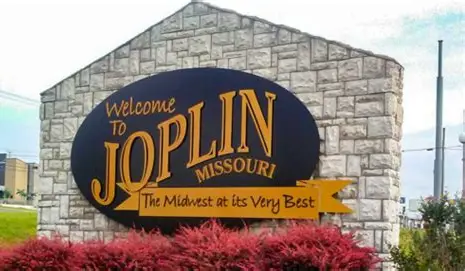
Stop #11 Joplin, Missouri
Joplin, Missouri is a city in southwest Missouri near the Kansas and Oklahoma borders. It grew from a mining town into a regional center for business, medicine, education, and transportation.
Joplin was founded in the 1870s in the heart of the Tri-State Mining District, spanning Missouri, Kansas, and Oklahoma. The area gained fame for its rich lead and zinc deposits, attracting miners, immigrants, and businesses, which fueled rapid growth. By the early 1900s, Joplin had become one of the world’s leading producers of lead and zinc.
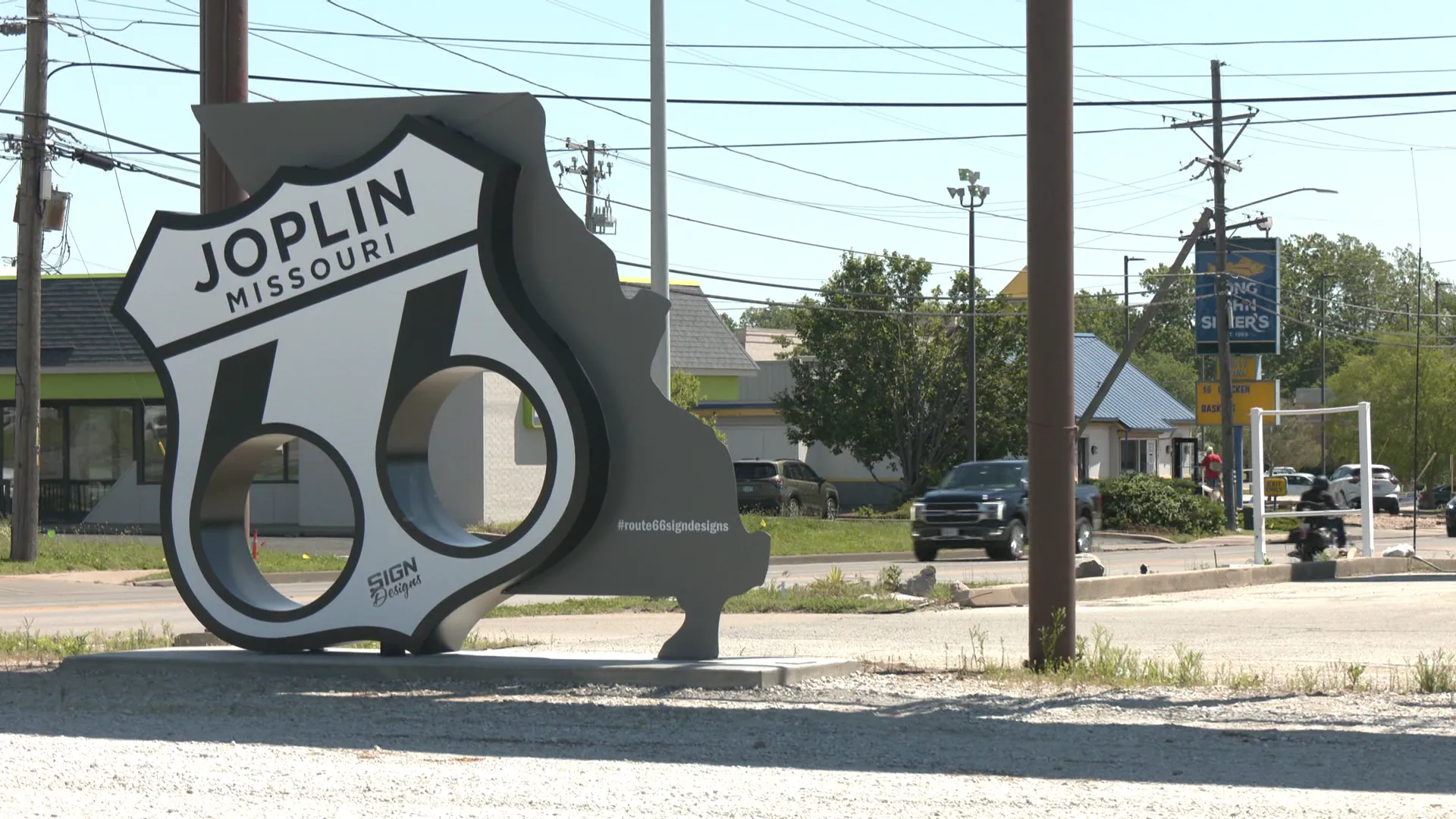
Joplin emerged as a key stop along U.S. Route 66, the iconic highway connecting Chicago and Los Angeles. Travelers passing through spurred the development of motels, restaurants, and other roadside businesses emblematic of the Route 66 era.
The 2011 EF5 Tornado



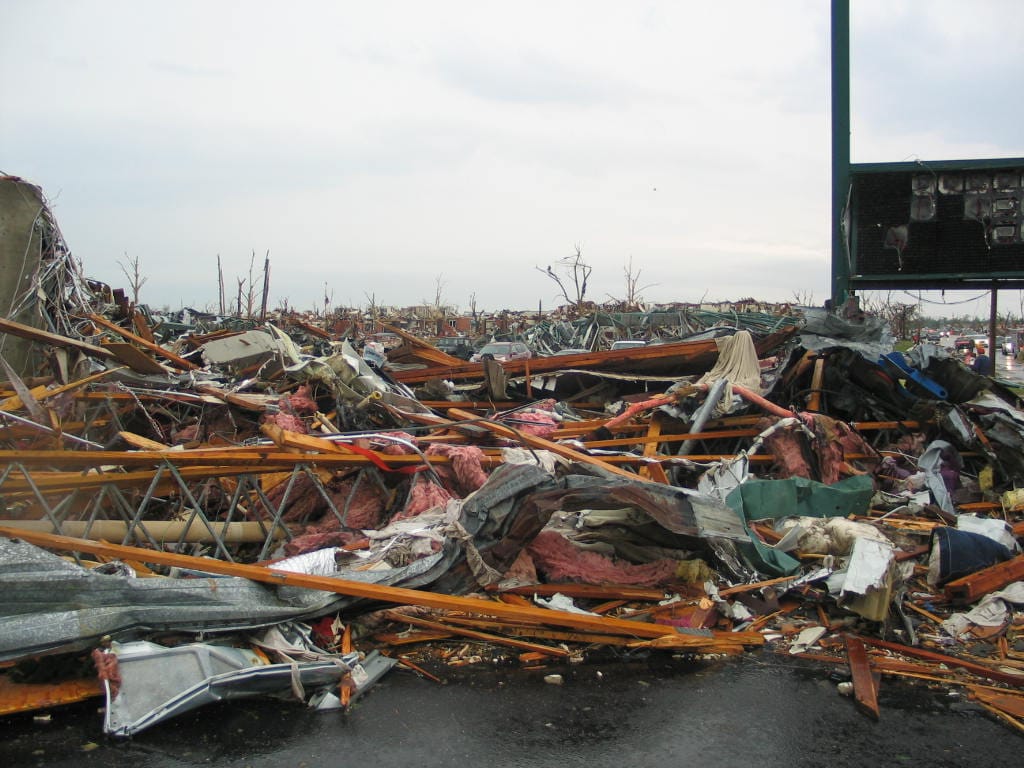
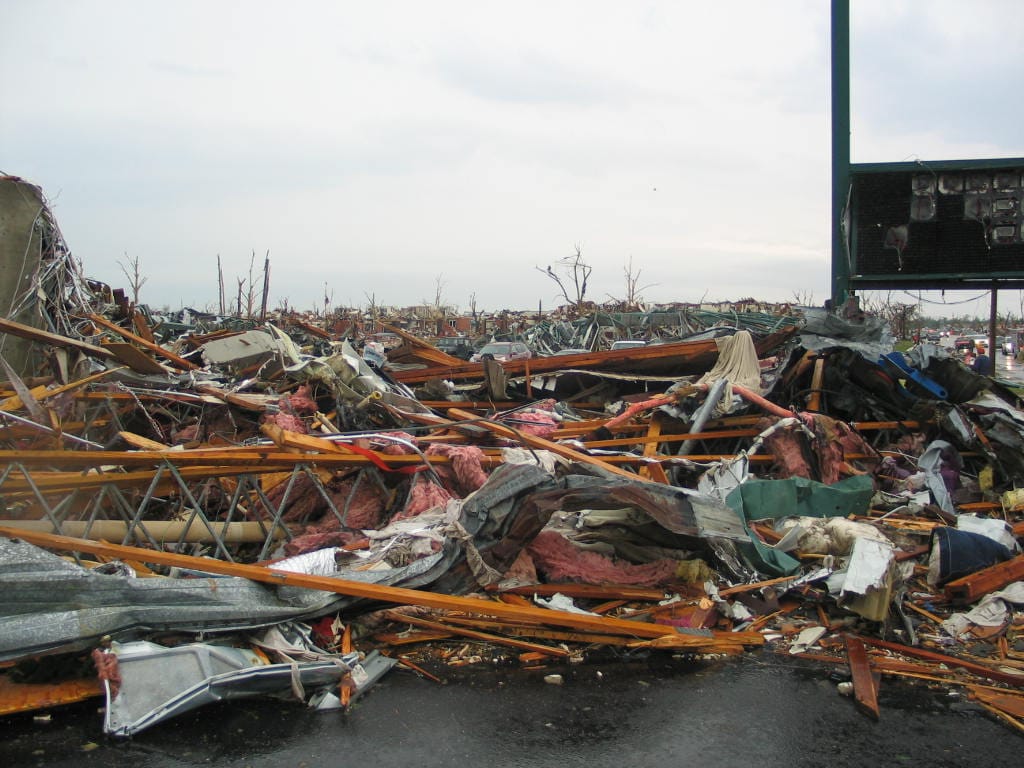
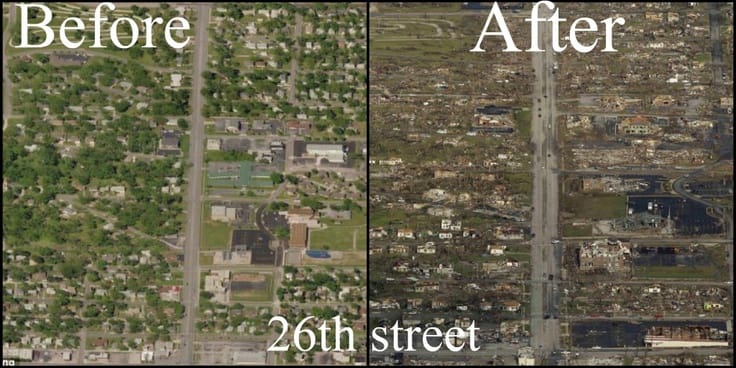
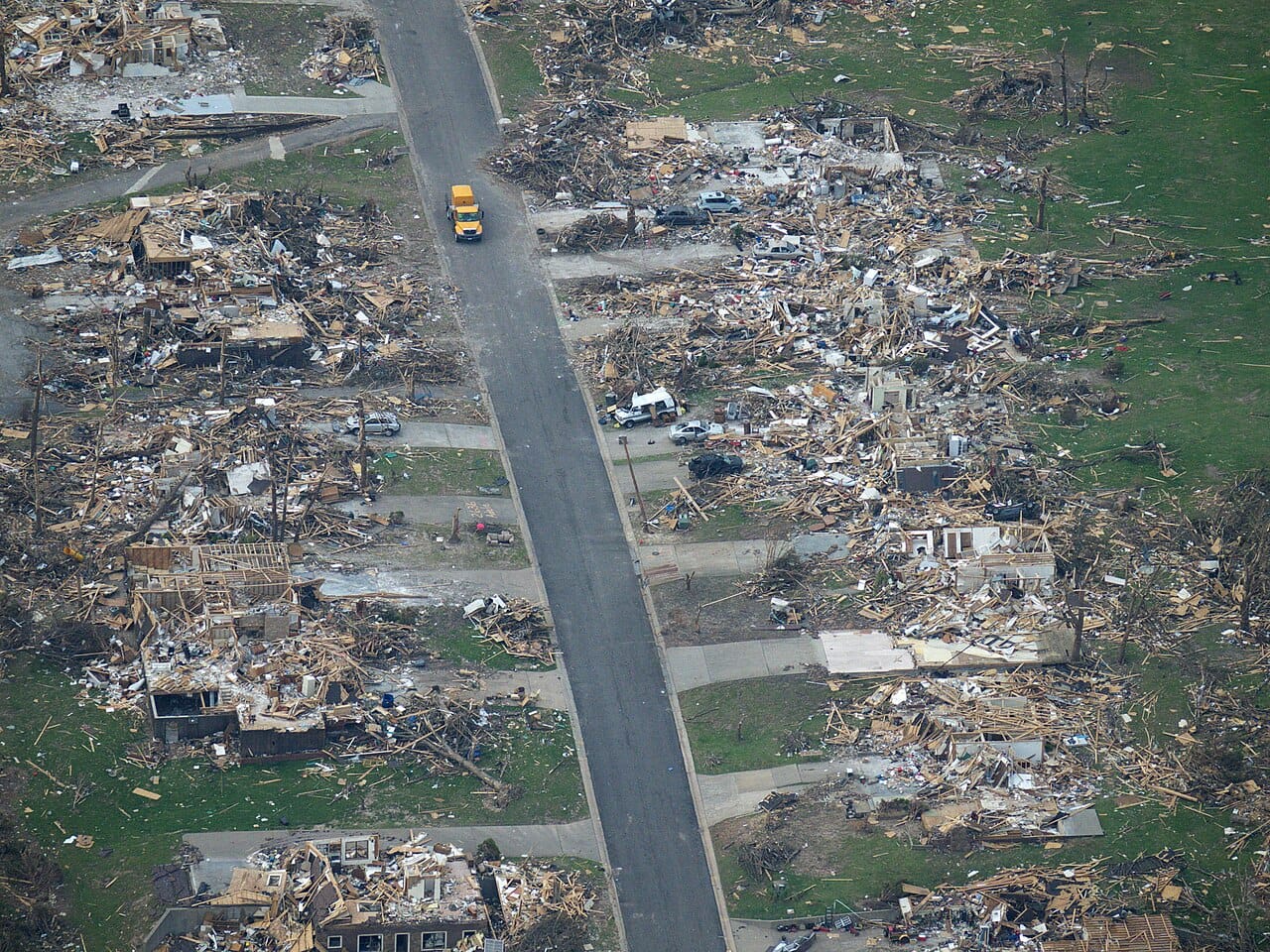
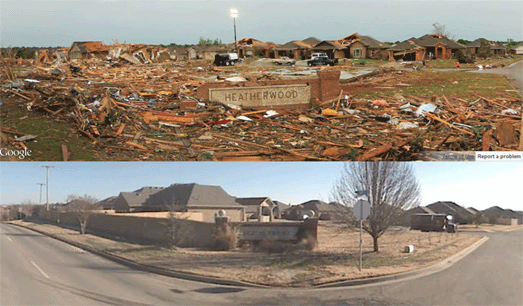
Joplin’s modern history is deeply marked by the catastrophic tornado of May 22, 2011. Striking around 5:41 p.m., this EF5 tornado—the highest rating on the Enhanced Fujita scale—claimed 161 lives and injured over 1,000 people. Thousands of homes and buildings were damaged or destroyed, making it one of the deadliest and costliest tornadoes in U.S. history. In the aftermath, the city rebuilt with new schools, medical facilities, neighborhoods, and storm-resistant construction.
Traveling Through Some Crazy Storms June 25-26, 2026
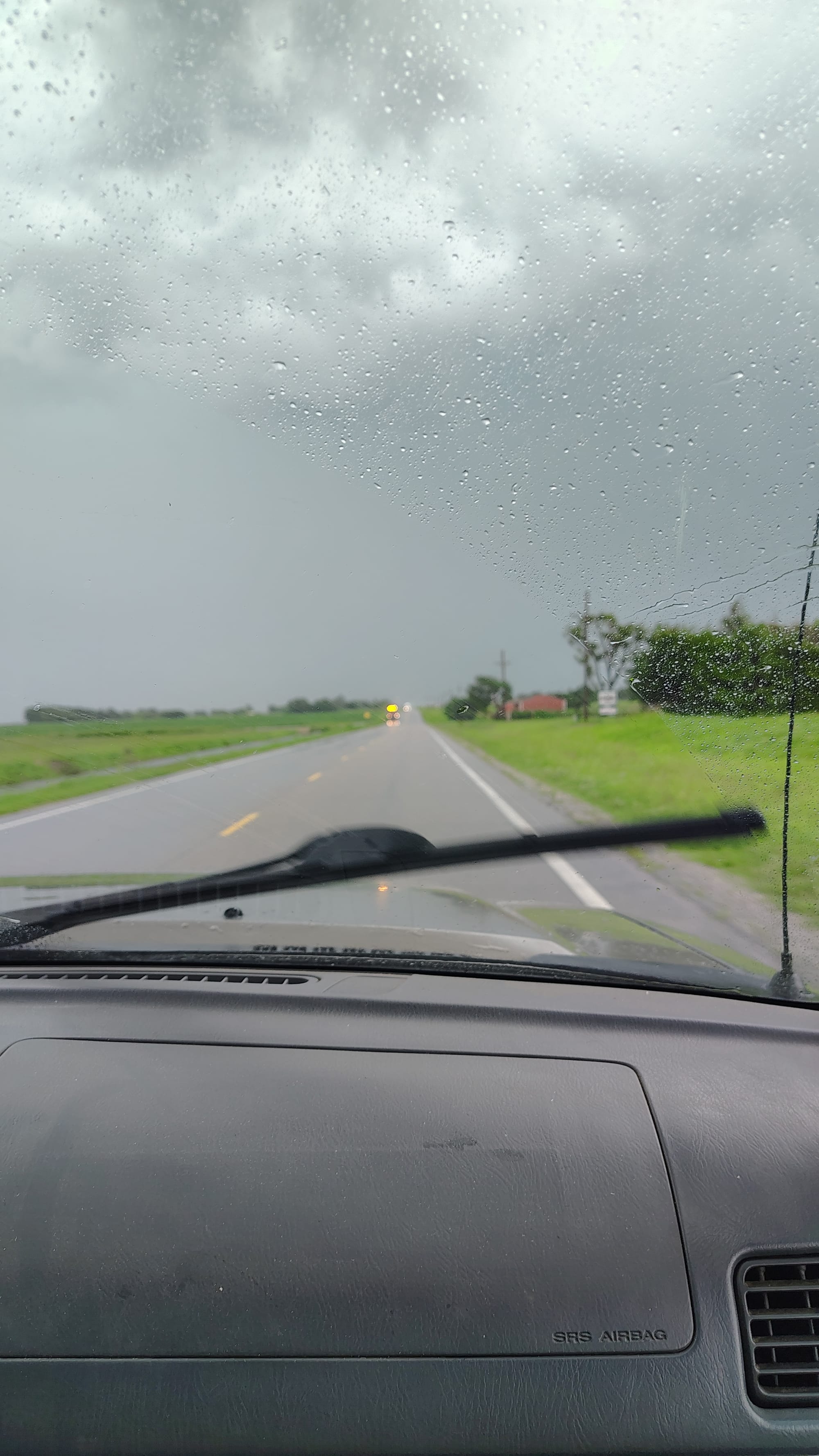
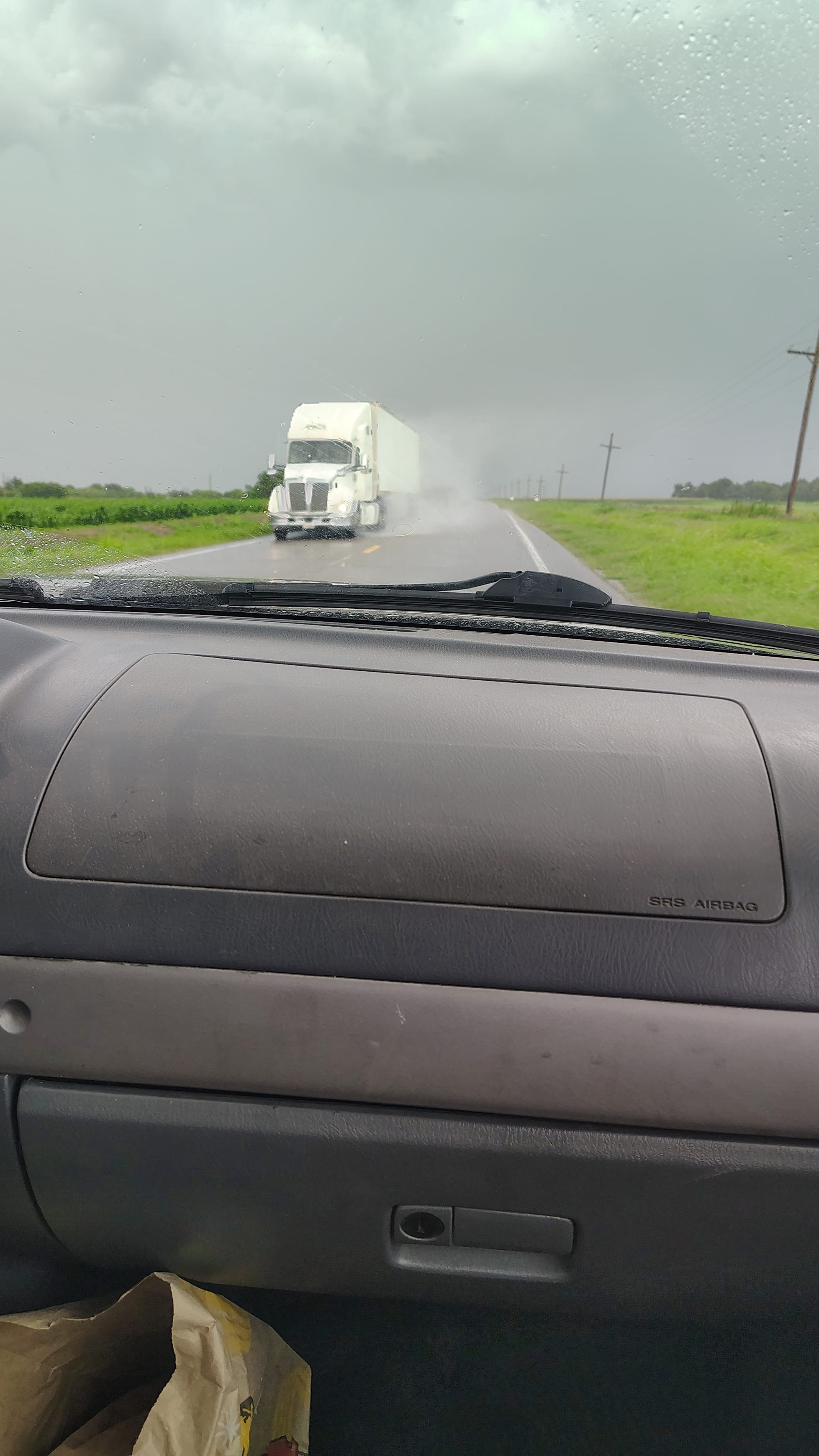
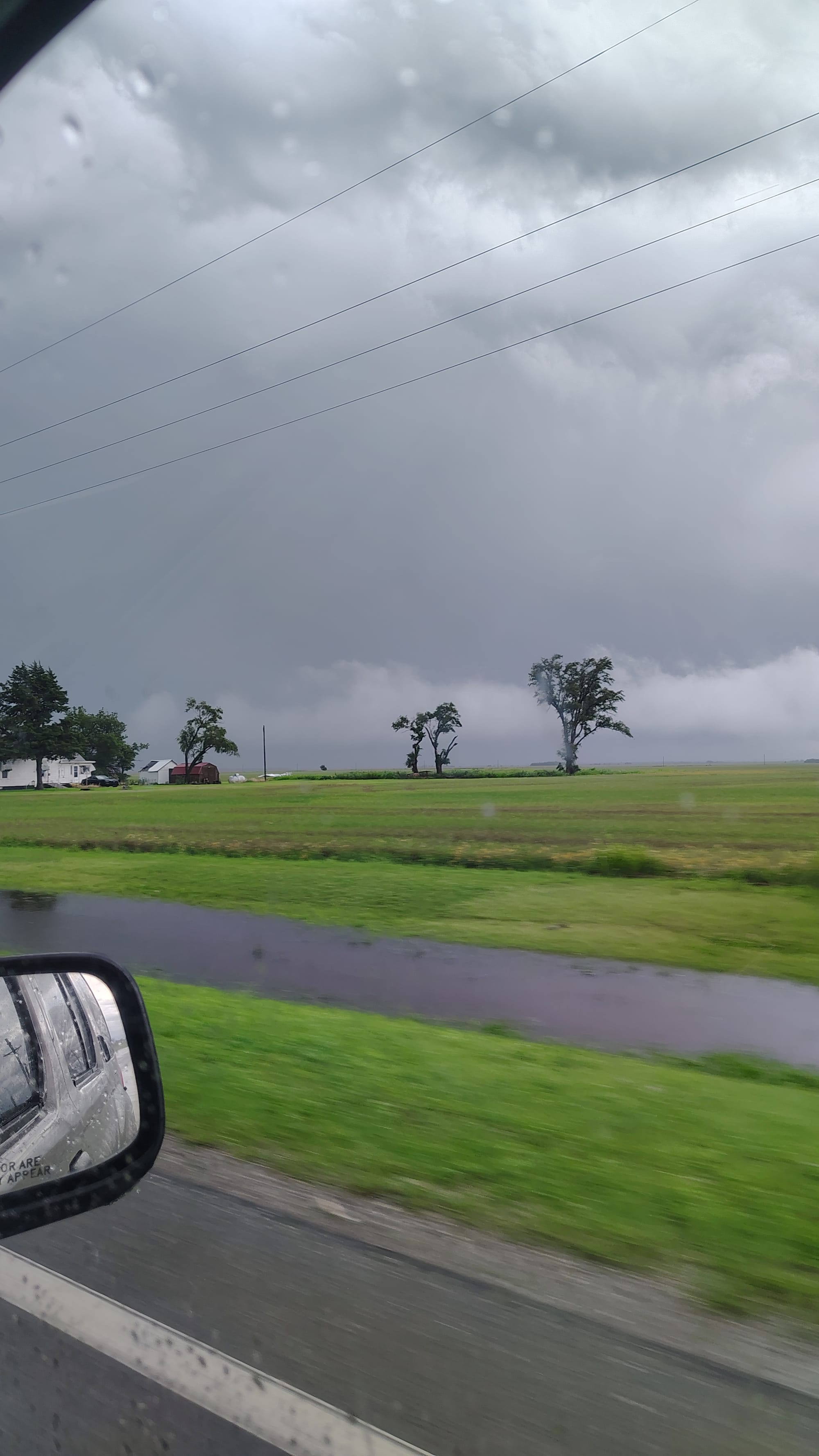
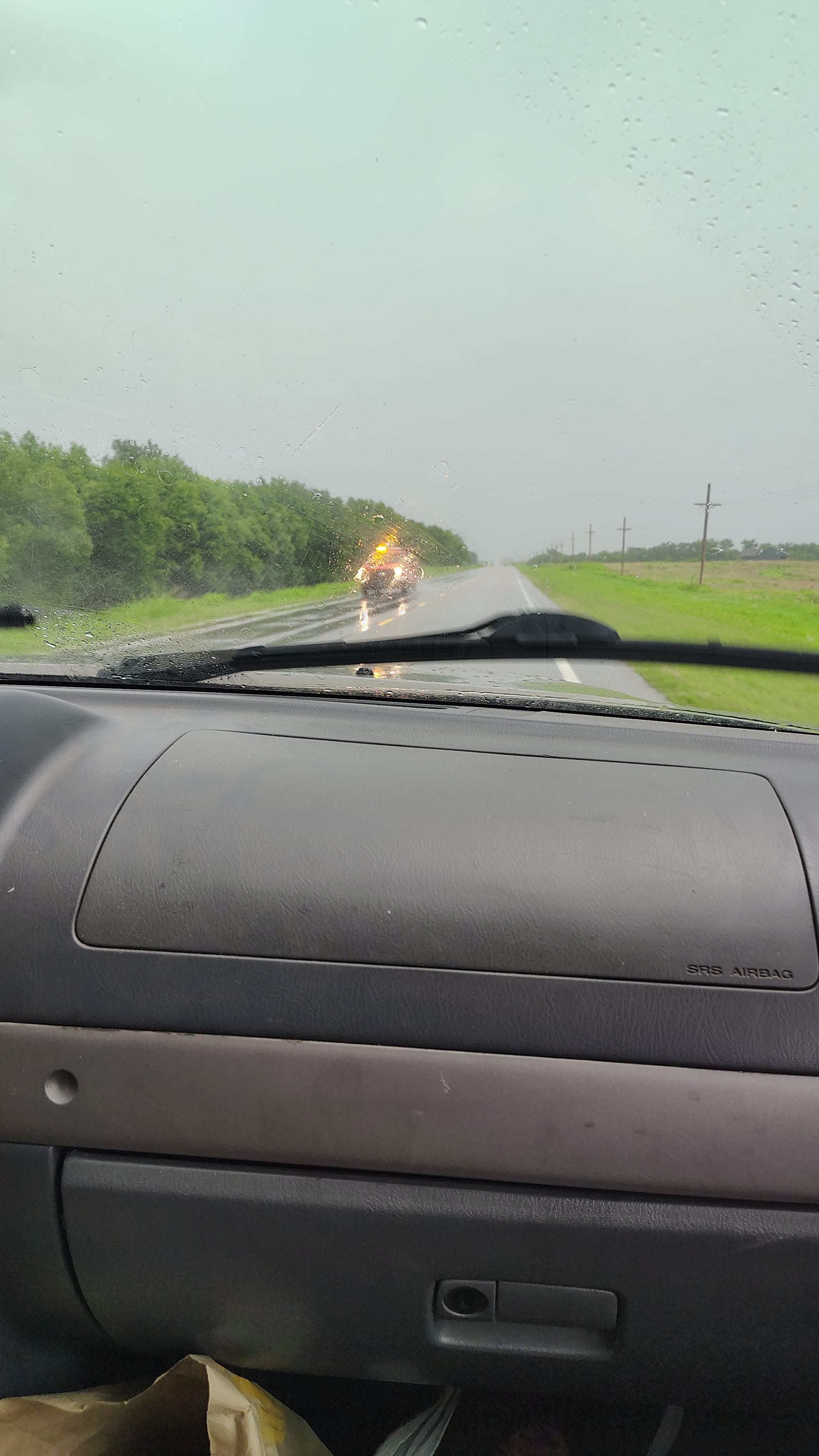
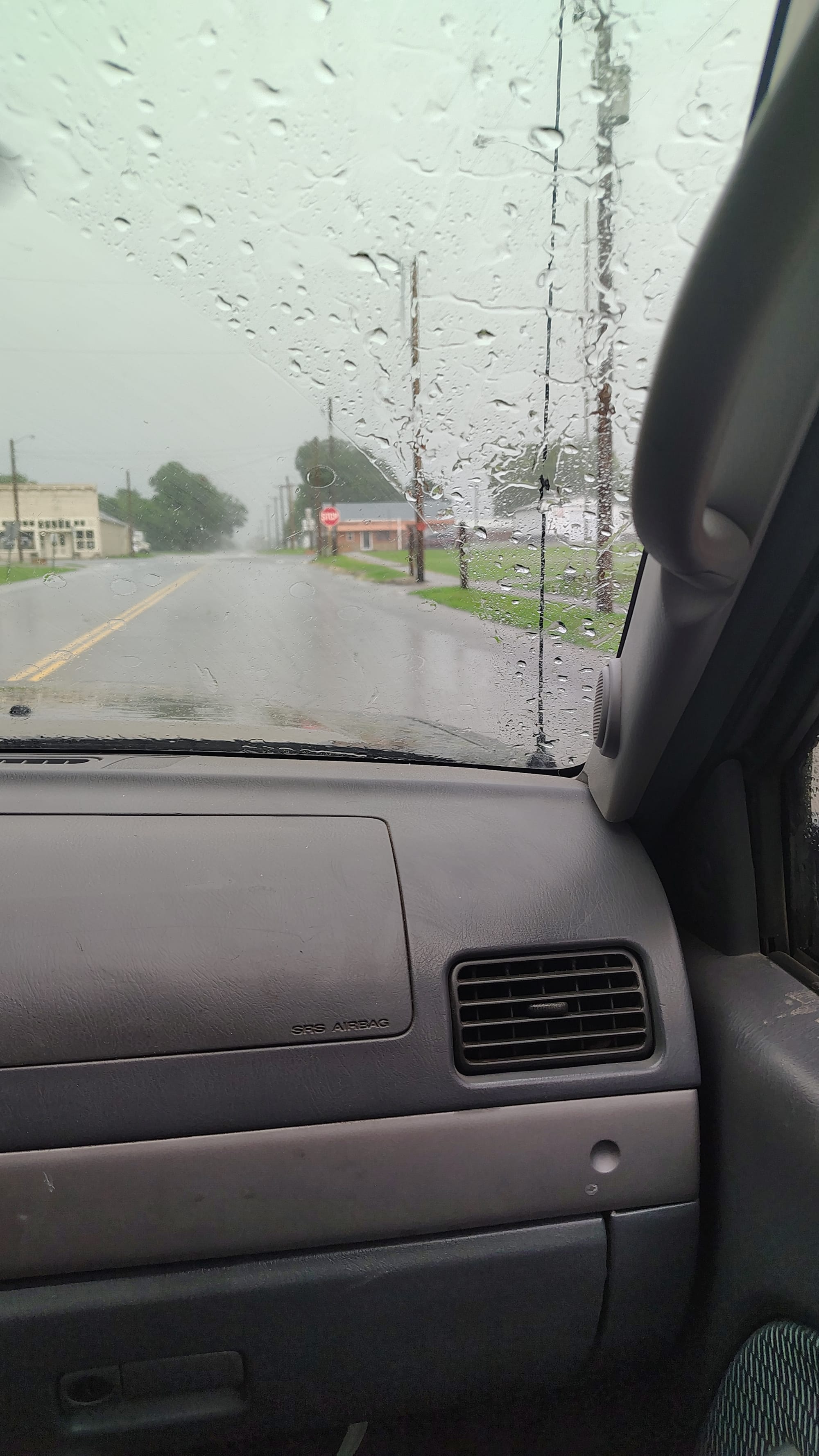
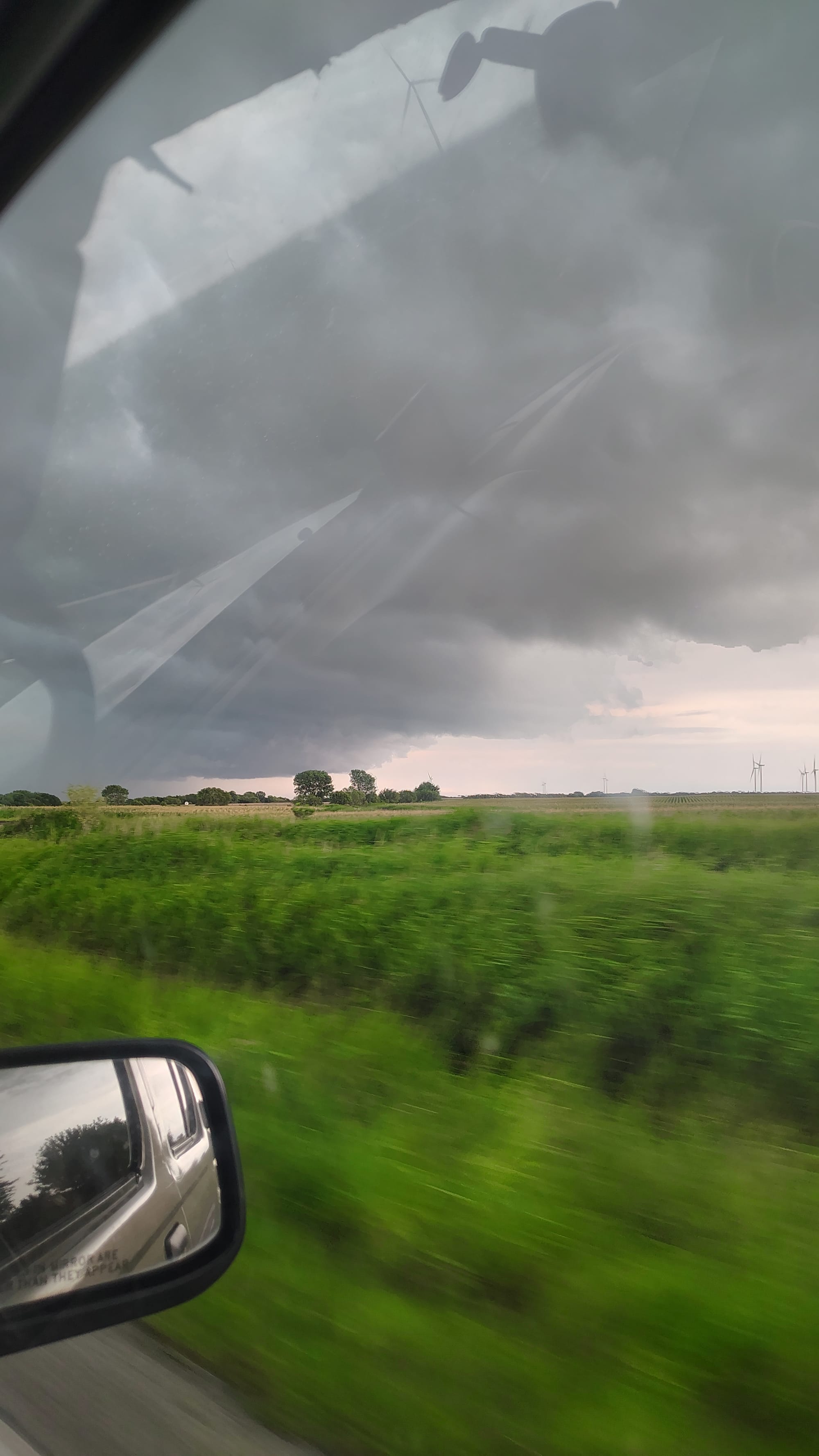
Weather pictures of the storms. We are a round dot just outside the red/yellow in picture 2 below. We saw a truck off the road and a derailed train.
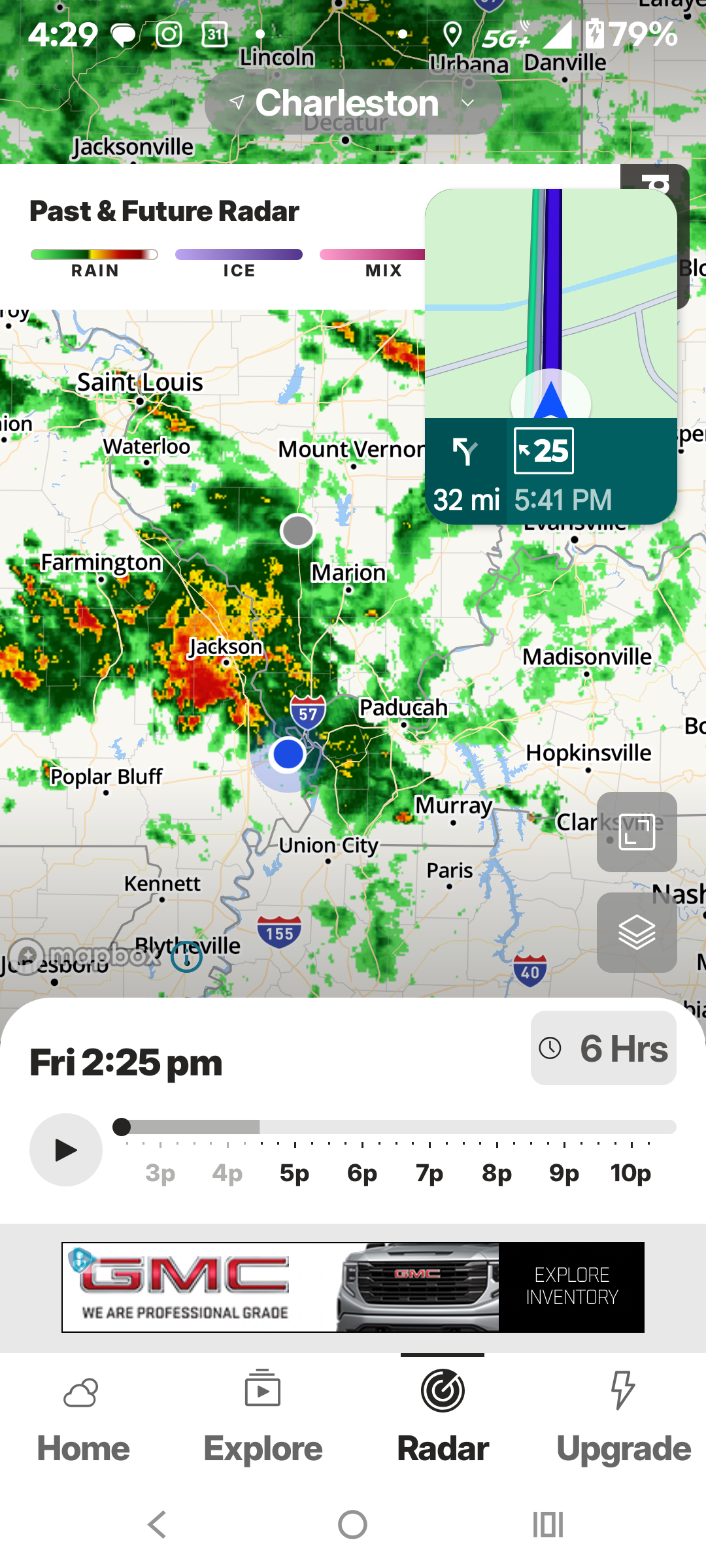
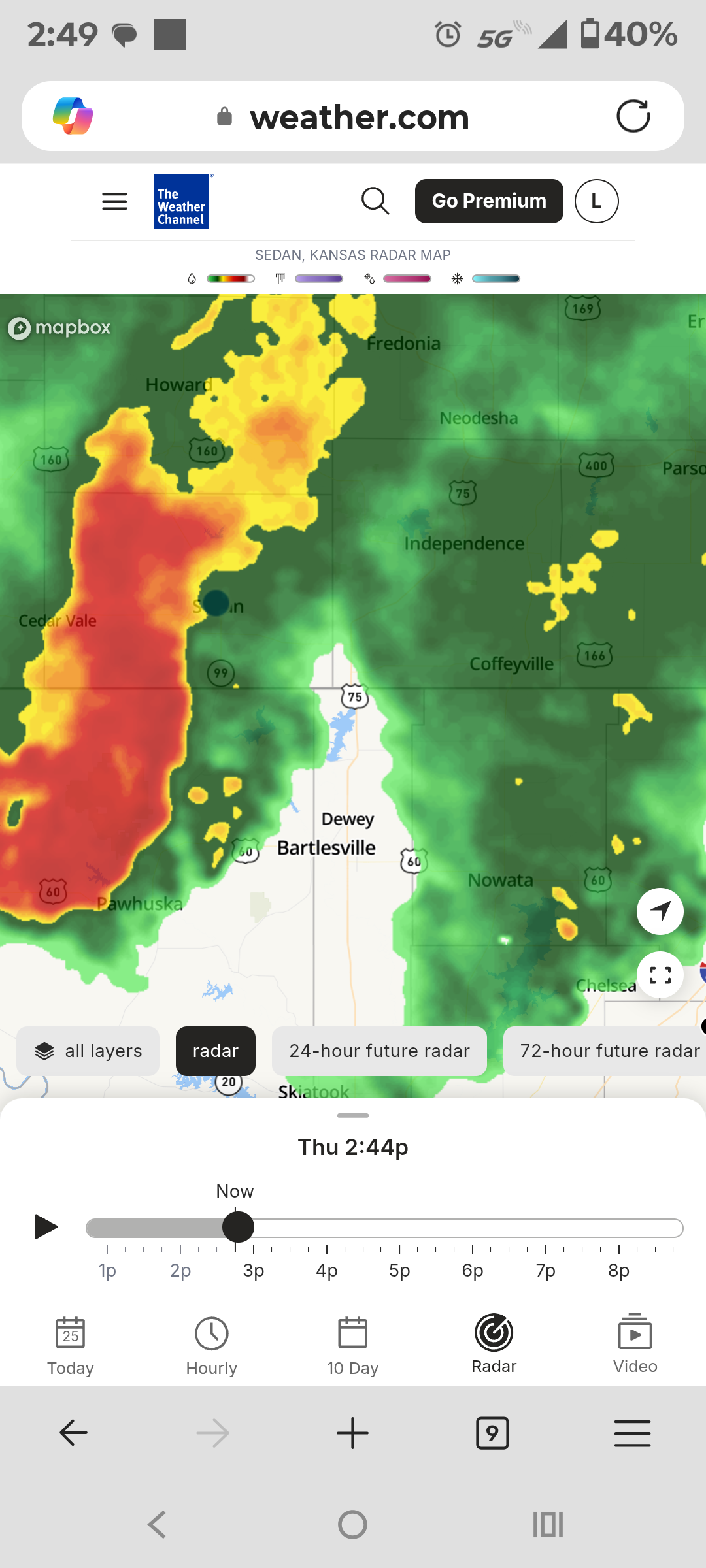
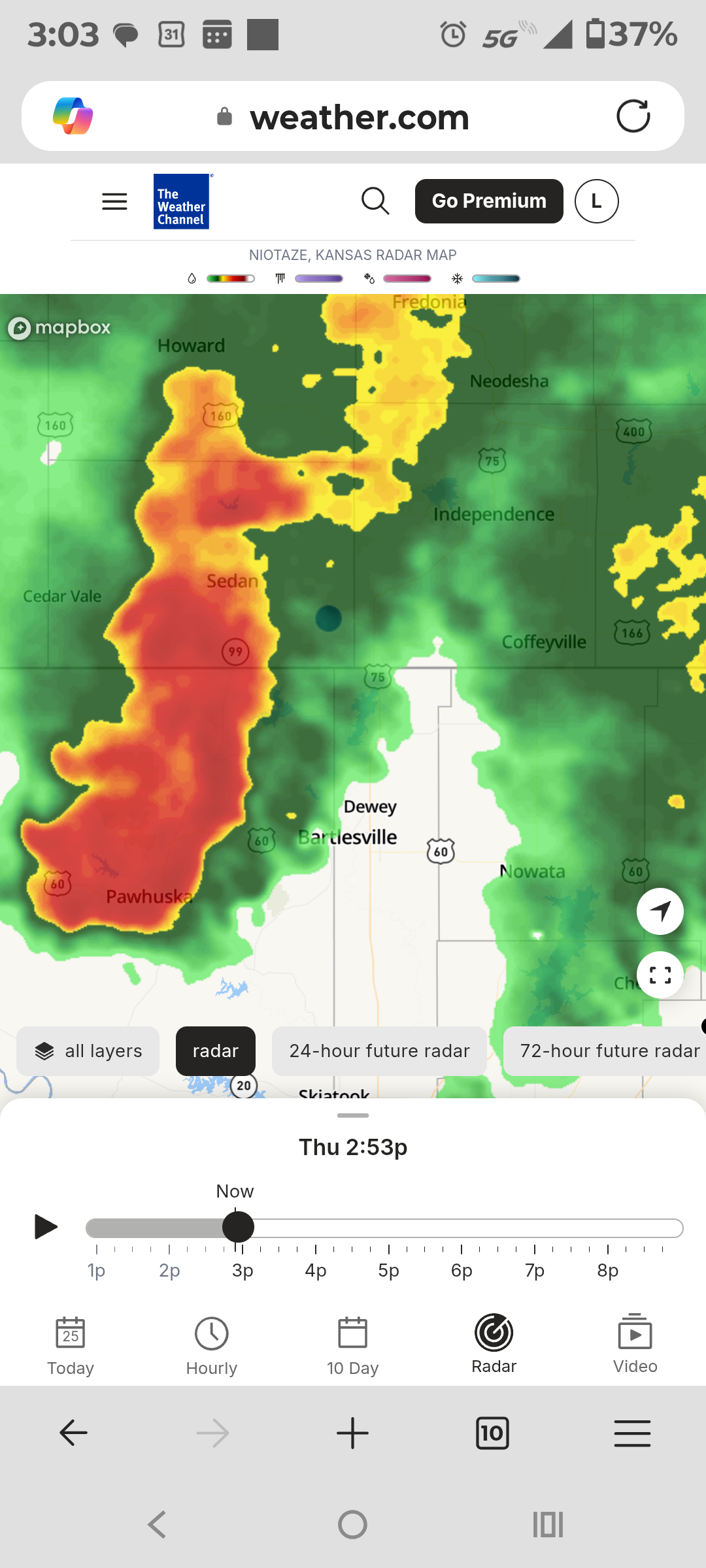
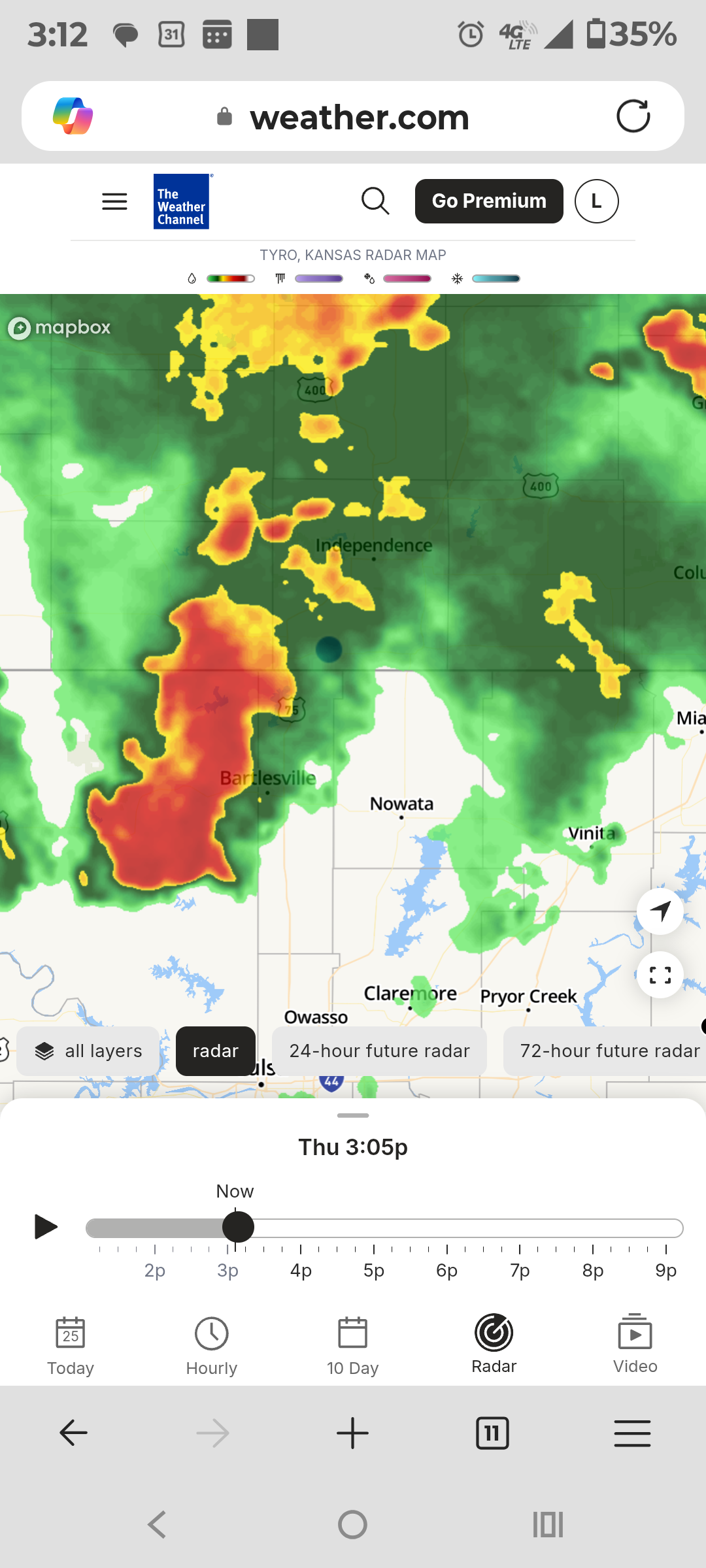
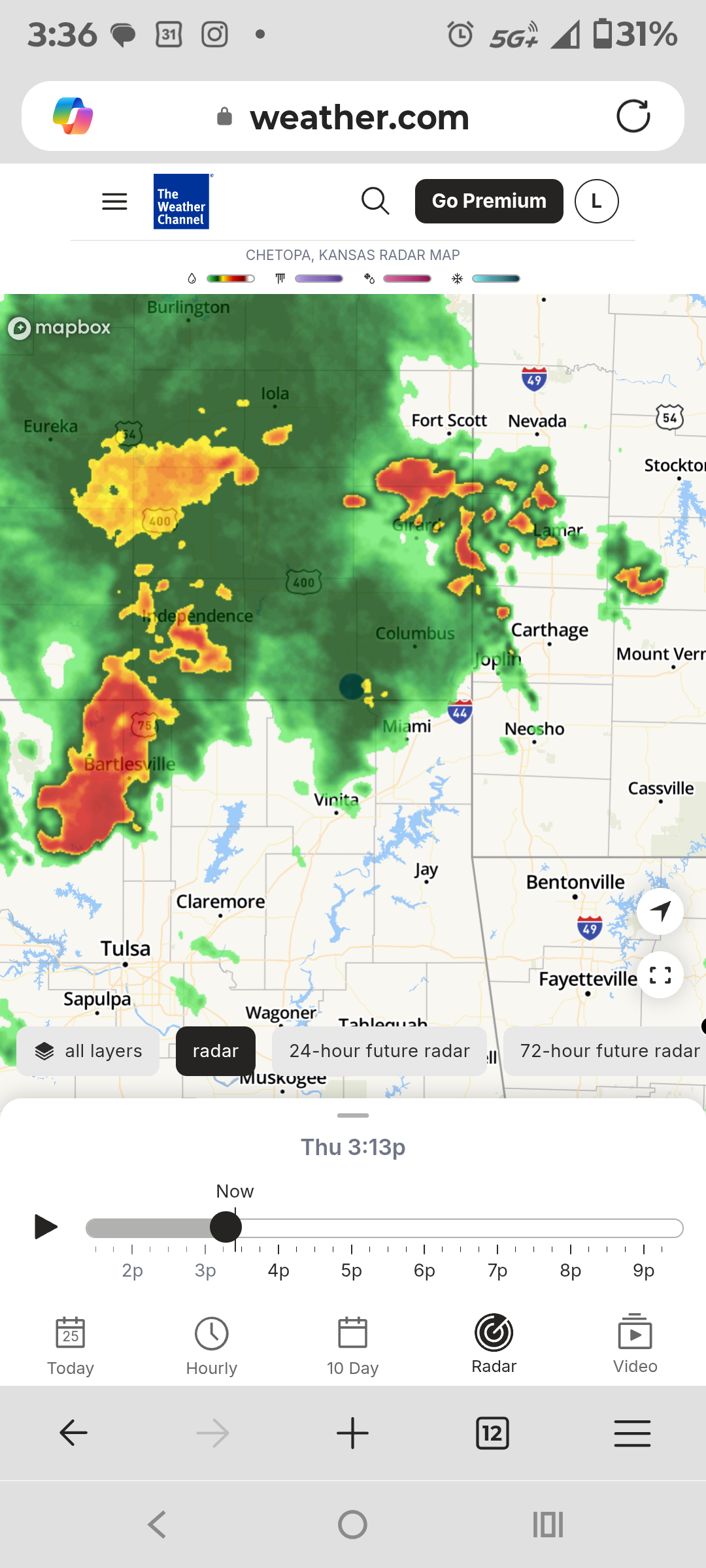
We are the round dot you can barely see. The storms were intense.
The National Weather Service determined that the June 25–28, 2026, event produced approximately 3–12 inches of rain across the broader region, with extremely intense rainfall in some areas—up to 2 inches within 30–45 minutes. Roads became impassable, some were washed out, and numerous water rescues were necessary. The trip coincided with a significant, evolving storm system: the western portion around Joplin, Diamond, and Baxter Springs experienced severe thunderstorms with hail and strong winds, while farther east toward southeast Missouri, including Cape Girardeau and Murphysboro, flash flooding and extreme rainfall were the primary hazards.
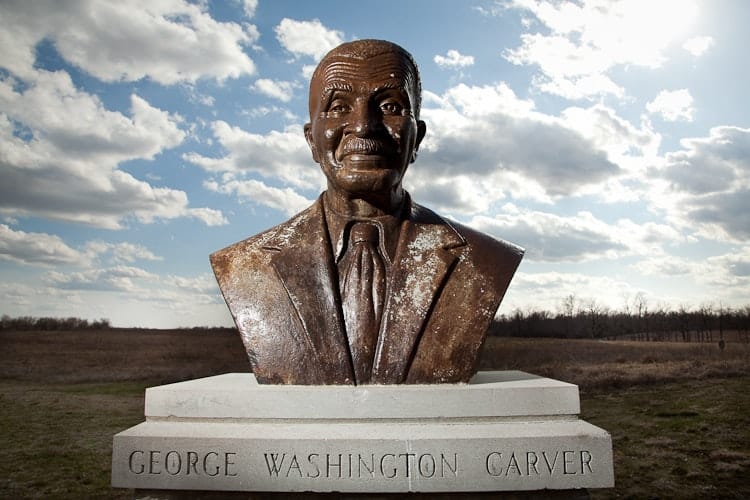
George Washington Carver National Monument
I didn't know that my husband did a book report as a child about George Washington Carver. This was an unexpected stop, but it was very enjoyable and informative.
The visitor center is a multilevel facility that houses a museum, theater, park store, interactive exhibits areas, classrooms, additional restrooms, library, museum collection facility, offices space, and a large multipurpose area that also serves as a tornado shelter.
It is open daily, 9am to 5pm, except Thanksgiving Day, December 25, and January 1. Entrance Fee-free
Mailing Address: 5646 Carver Road Diamond, MO 64840
Phone: 417.325.4151
George Washington Carver National Monument is located in southwestern Missouri just outside of Diamond and about 10 miles from Joplin. Summer temperatures generally range from 75-100 degrees with high humidity. Winter temperatures generally range from 0-50 degrees with periods of intermittent freezing.
A Little Bit About George Washington Carver
George Washington Carver (c. 1864-1943) is remembered as one of the most important agricultural scientists in American history. He helped farmers improve their crops, cared deeply about education, and showed how science could be used to solve everyday problems. Carver was born into slavery around 1864 near Diamond Grove, Missouri, during the American Civil War. His parents were Mary Carver and Giles Carver, who were enslaved by Moses and Susan Carver.
When George was only a baby, slave raiders kidnapped him, his mother, and his sister. George was later found and returned to the Carver farm, but his mother was never found. After slavery ended in 1865, Moses and Susan Carver raised George and his brother James as their own children. Although they did not legally adopt them, they provided them with a home and encouraged George's interest in learning.
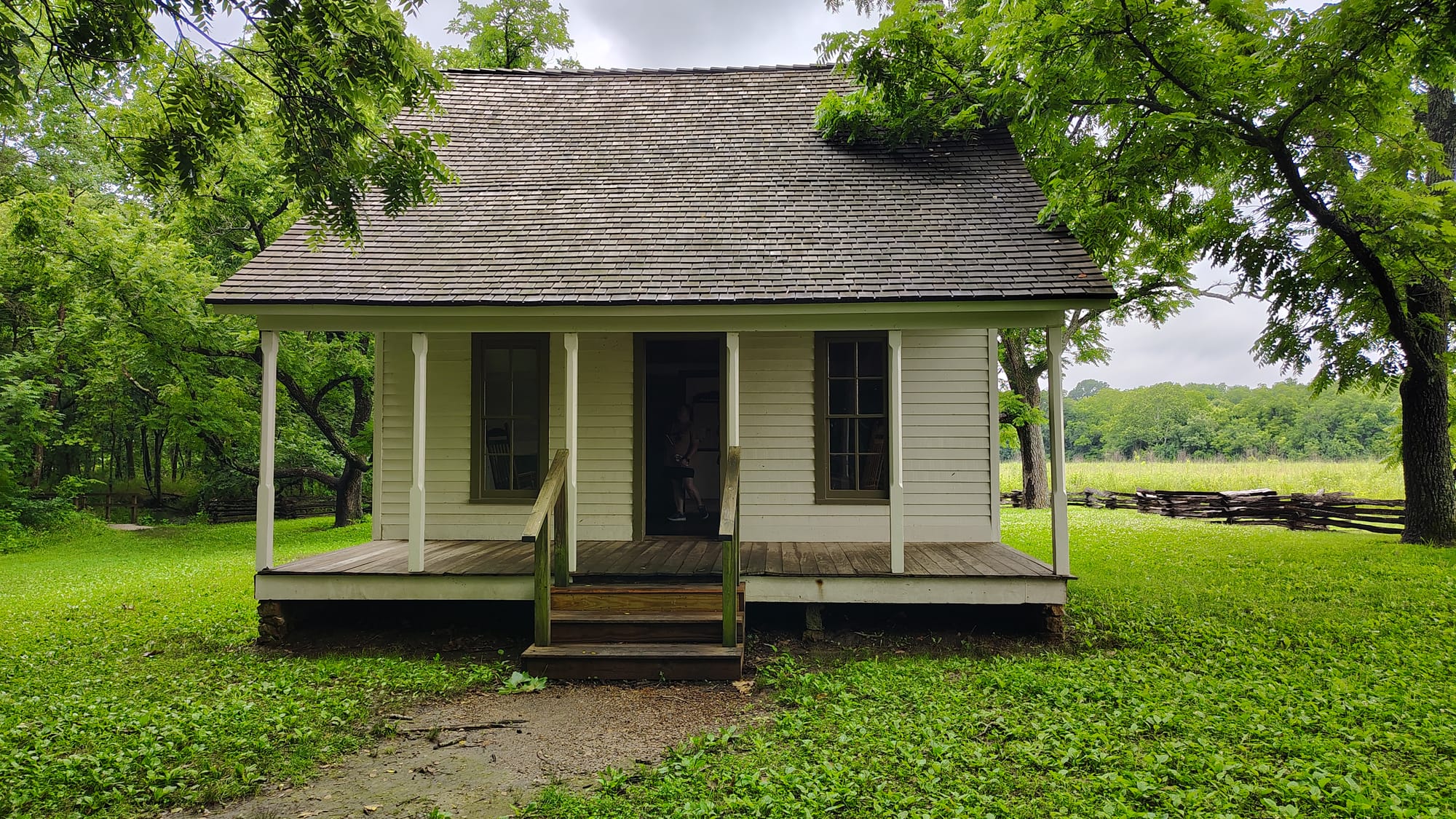
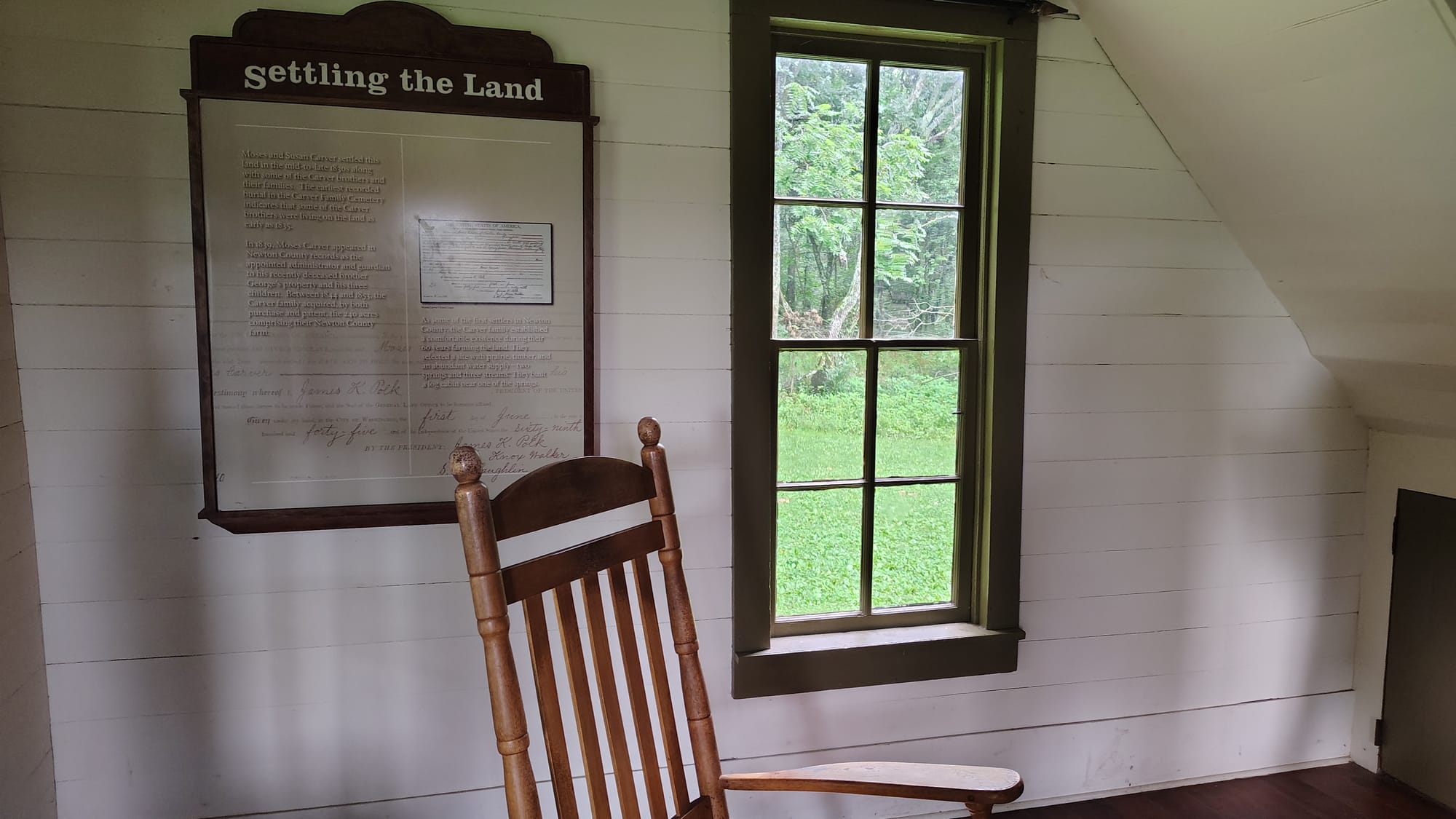
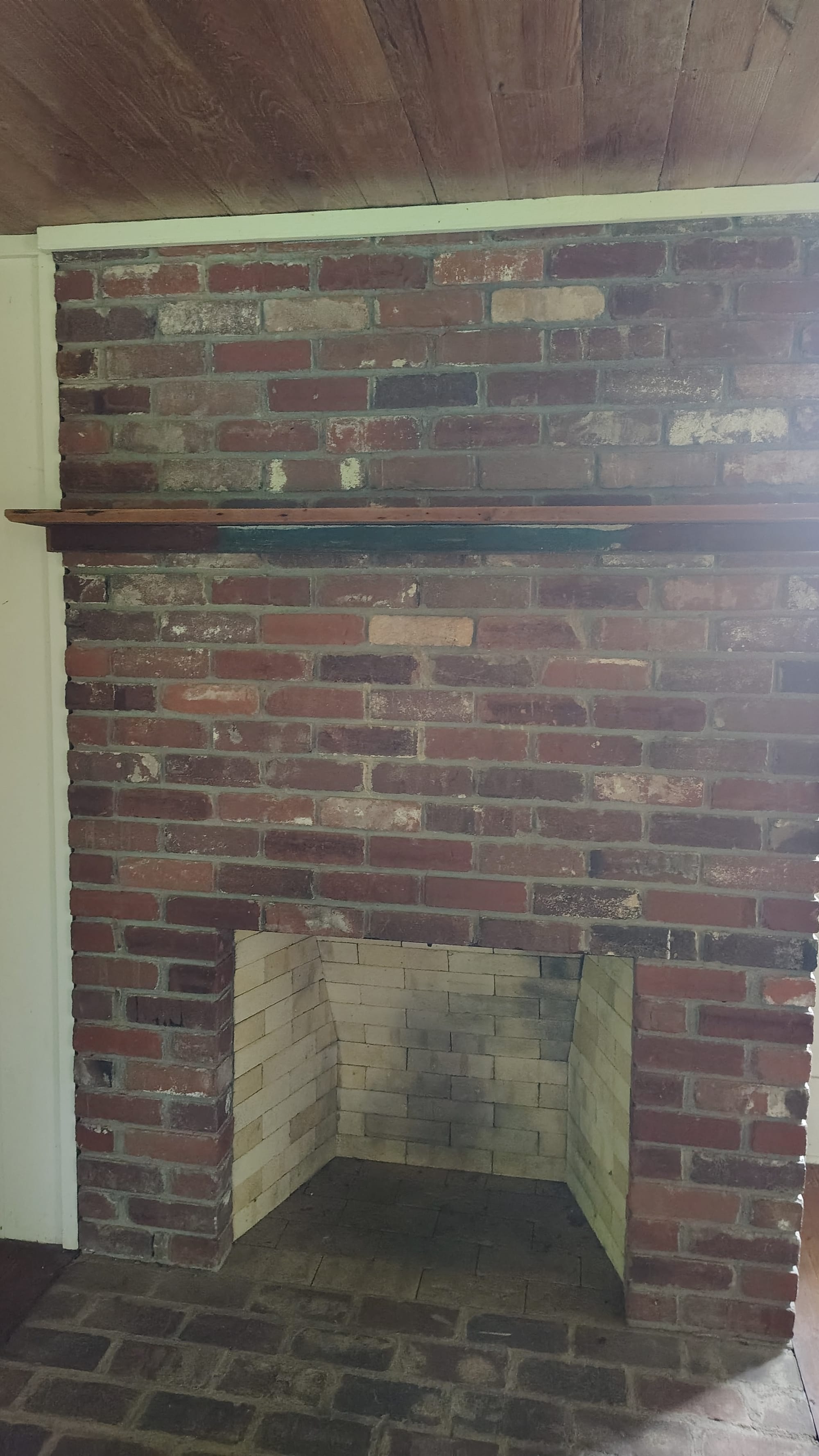
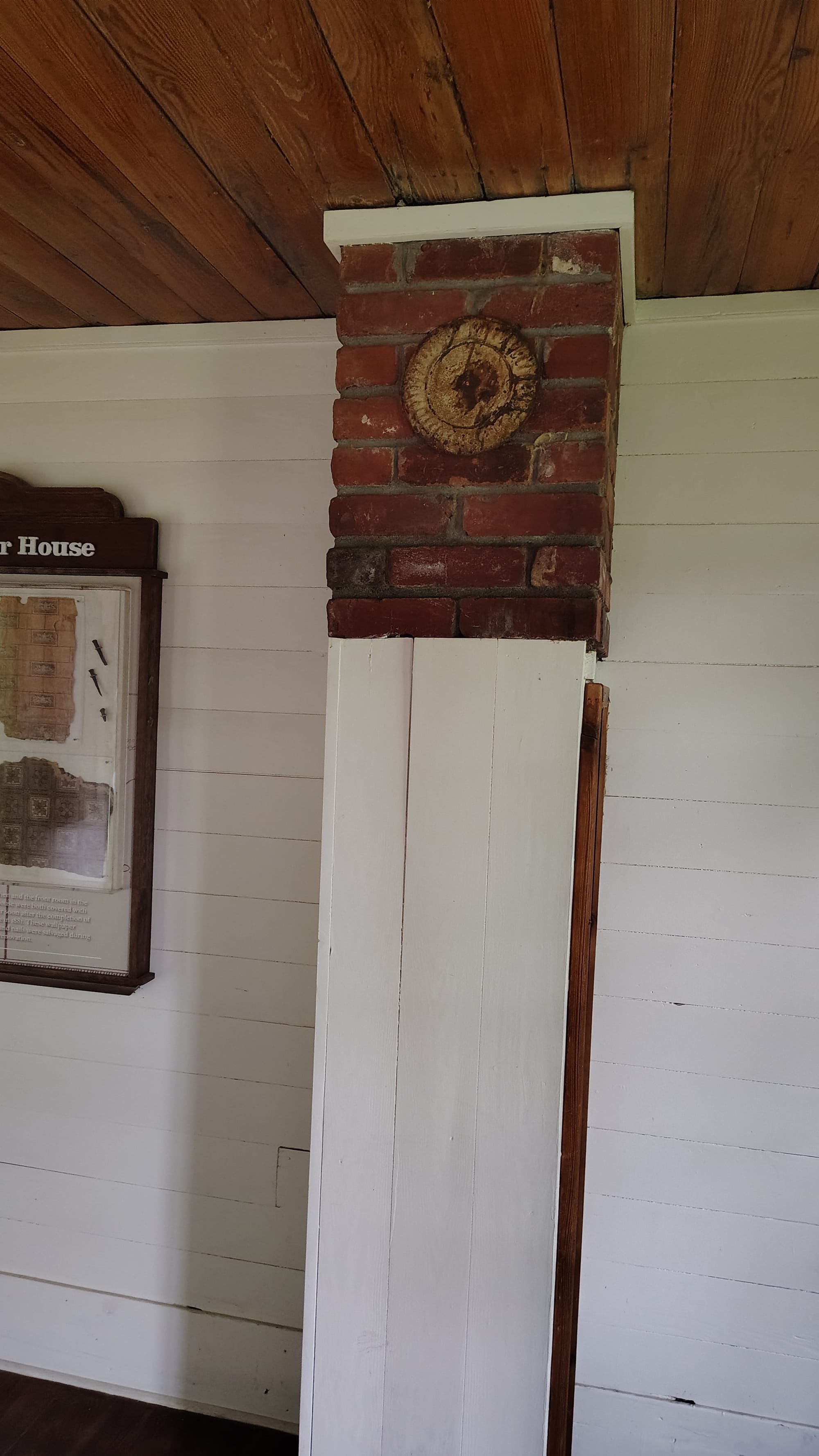
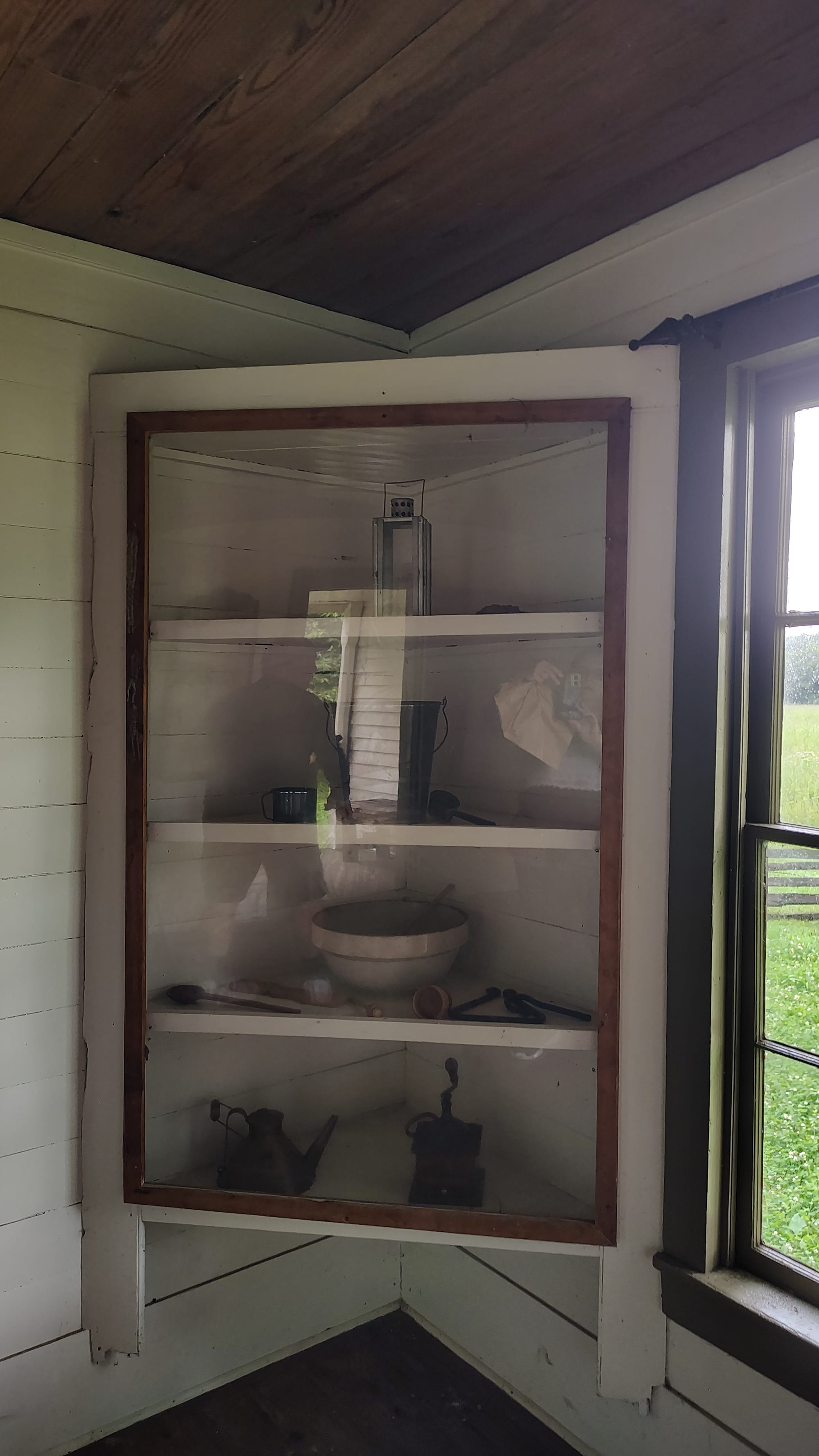
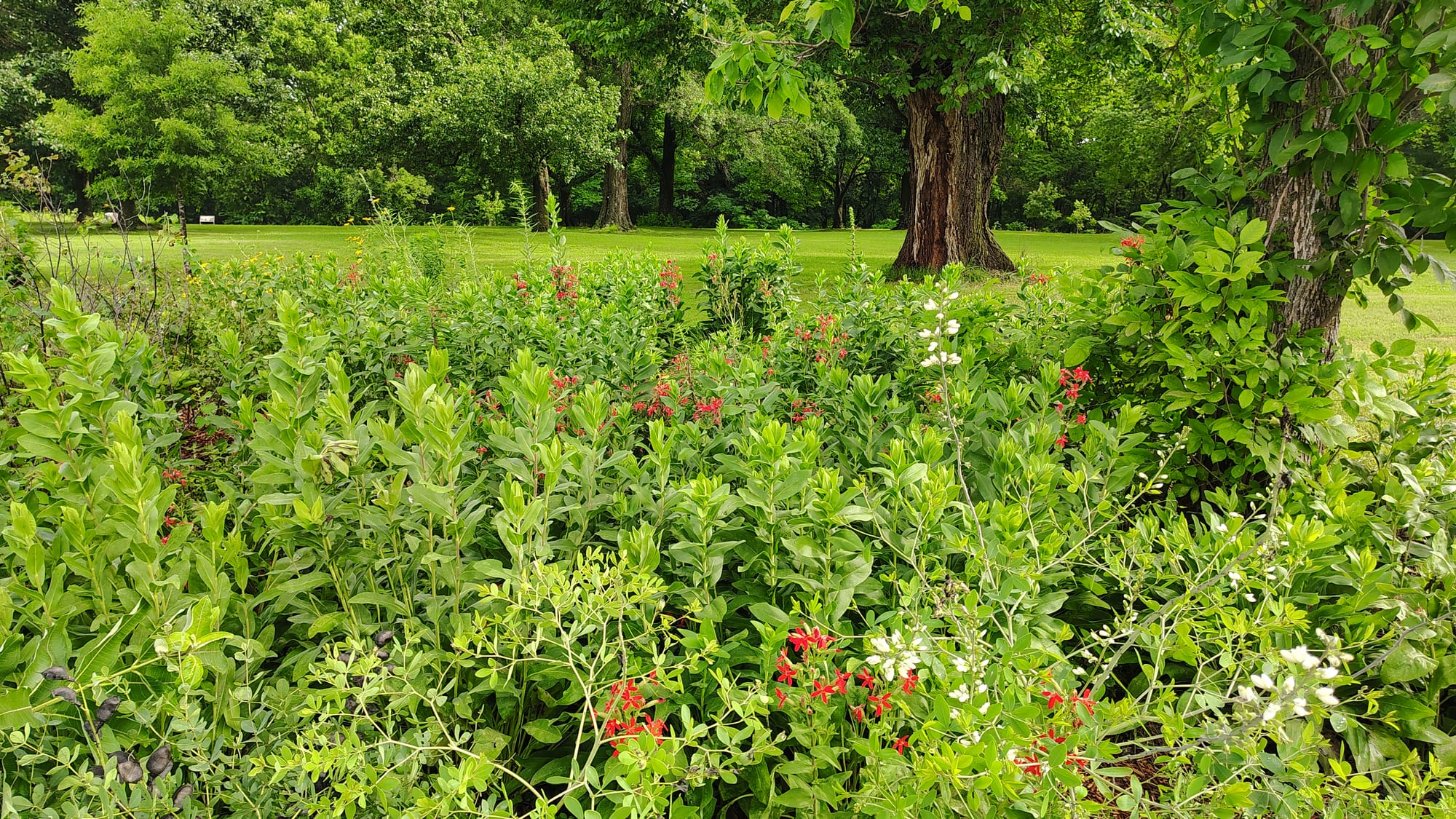
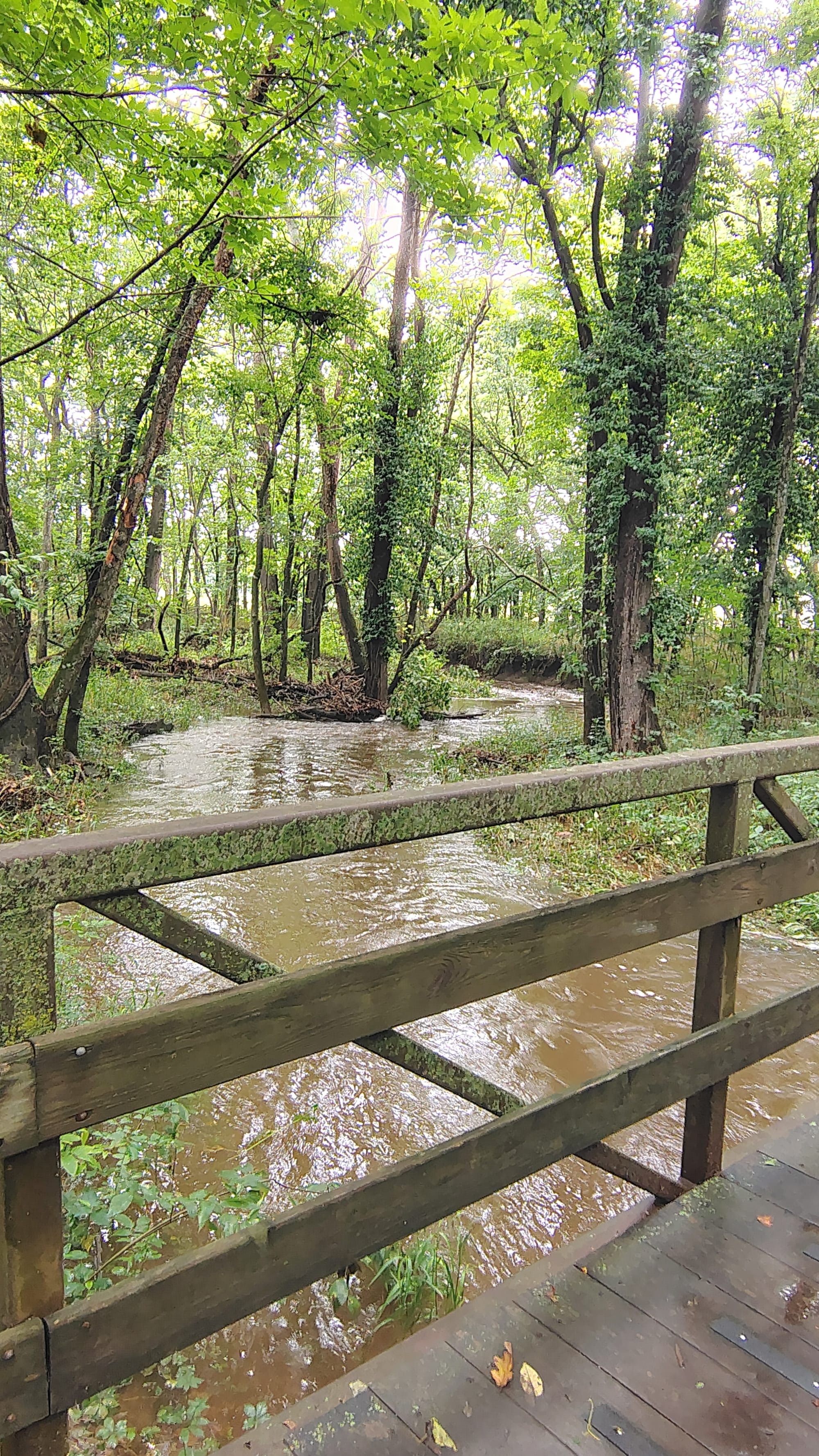
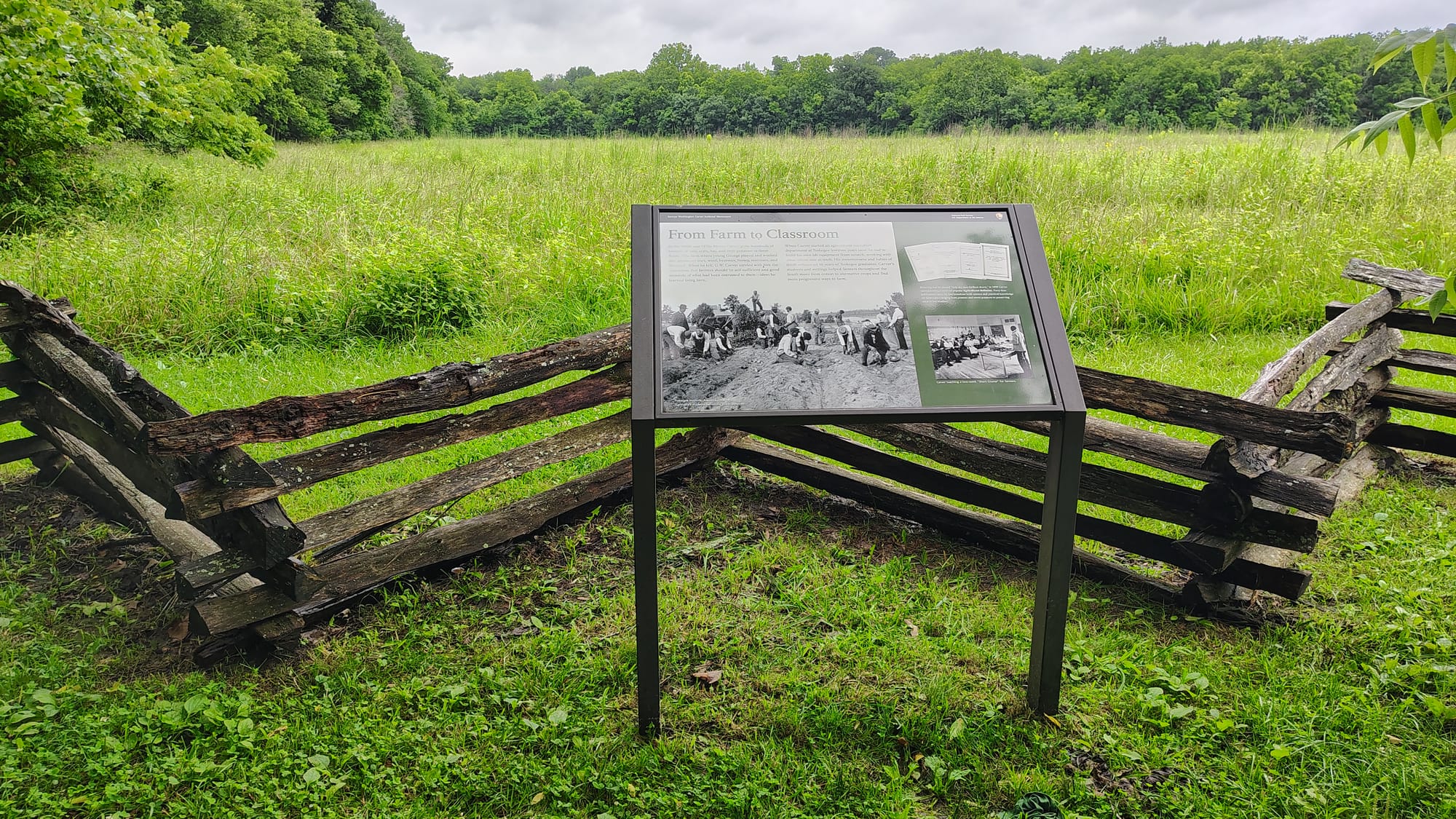
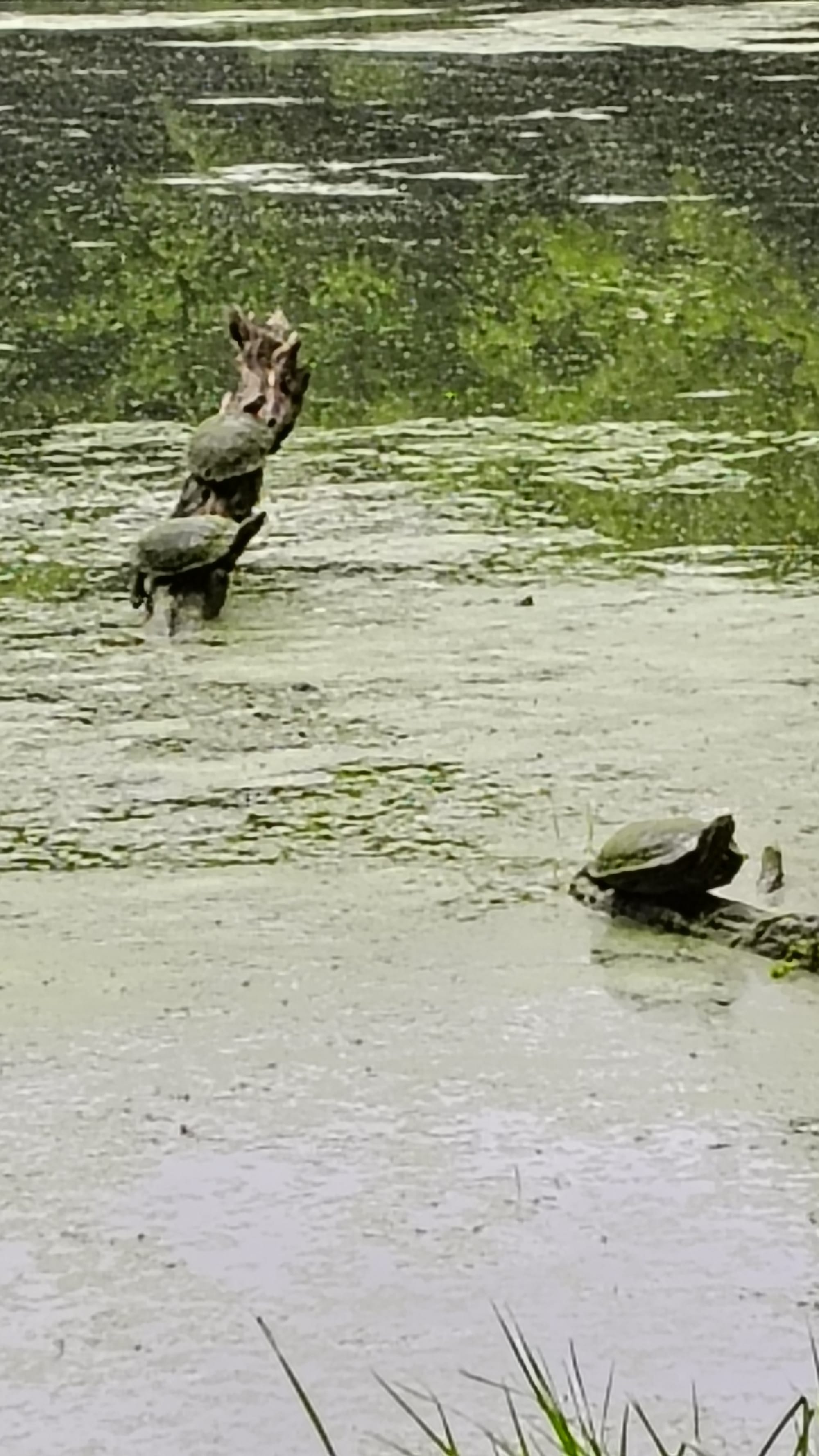
Susan and Moses Carver's home
As a child, George was often too sick to do heavy farm work. Instead, he spent time studying plants, flowers, and nature. He became so skilled at helping plants grow that neighbors called him the "Plant Doctor."
Because few schools accepted Black students at the time, Carver had to travel and work hard to get an education. He attended several schools before enrolling at Iowa State Agricultural College (now Iowa State University). In 1894, he earned a degree in agricultural science and became the university's first Black graduate. He later joined the faculty, becoming its first Black professor. In 1896, educator Booker T. Washington invited Carver to teach at Tuskegee Institute (now Tuskegee University) in Alabama. Carver remained there for the rest of his career.
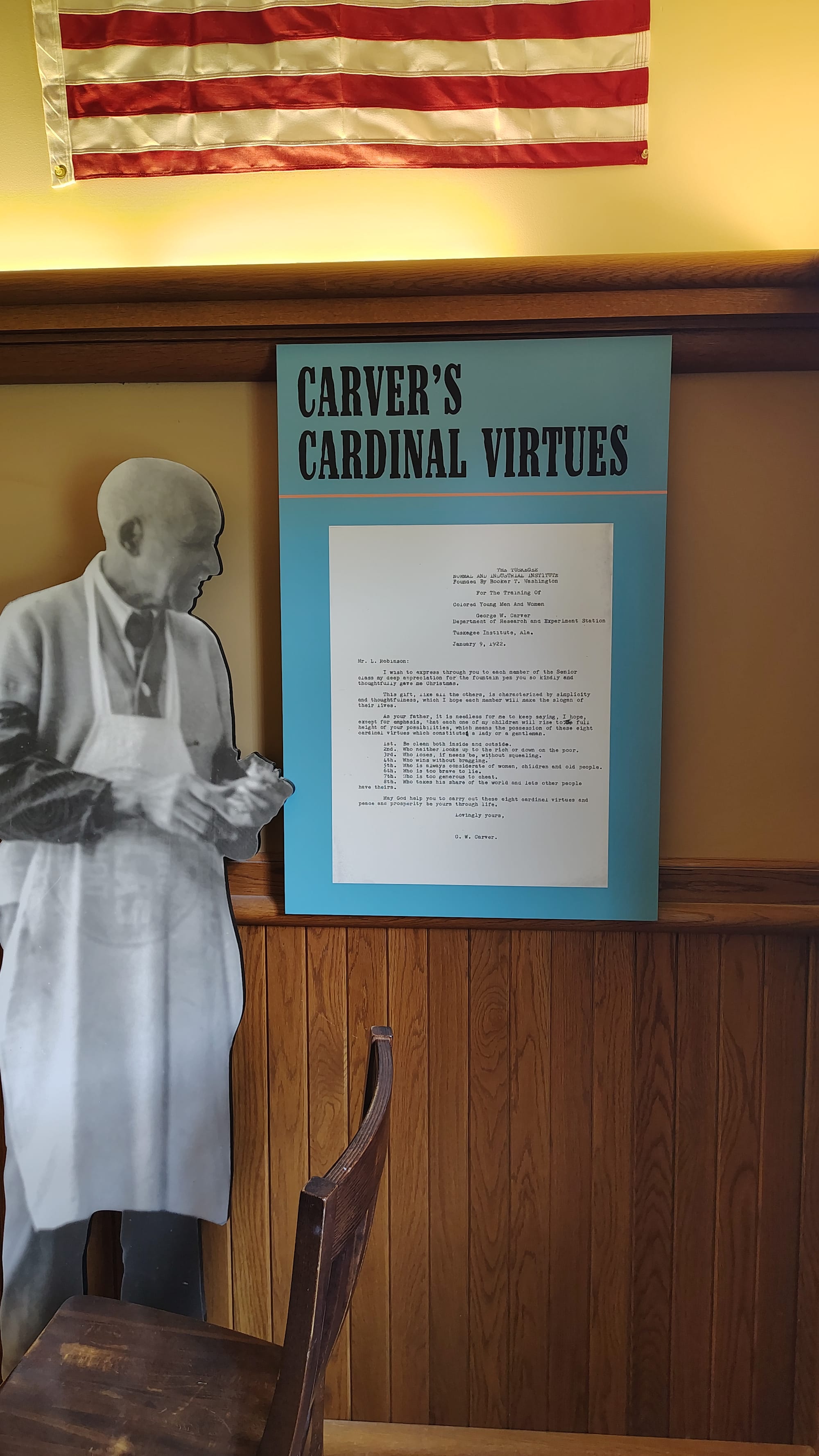
George Washington Carver's Eight Cardinal Virtues
- Be clean both inside and outside.
- Neither look up to the rich nor down on the poor.
- Lose, if need be, without squealing.
- Win without bragging.
- Always be considerate of women, children, and older people.
- Be too brave to lie.
- Be too generous to cheat.
- Take your share of the world and let others take theirs.
These came from a letter Carver wrote on January 9, 1922, to a senior student at Tuskegee Institute. The last line of the letter states: "May God help you carry out these eight cardinal virtues and peace and prosperity be yours through life."
Carver's work centered on assisting poor farmers, particularly in the South, where continuous cotton planting had depleted the soil. He promoted crop rotation with peanuts, sweet potatoes, peas, and other crops to restore soil fertility. Carver also explored hundreds of practical uses for these crops, leading to products such as dyes, paints, cosmetics, soaps, inks, and food items. While he did not invent peanut butter, his innovations expanded the ways crops could be utilized and helped farmers increase their income.
Carver became one of the most celebrated African American scientists of his era. In 1923, he was awarded the Spingarn Medal for his outstanding achievements.
In 1941, the George Washington Carver National Monument was established in Missouri, becoming the first U.S. national monument dedicated to an African American.
George Washington Carver passed away on January 5, 1943, at approximately 78 years of age and was laid to rest on the campus of Tuskegee University.
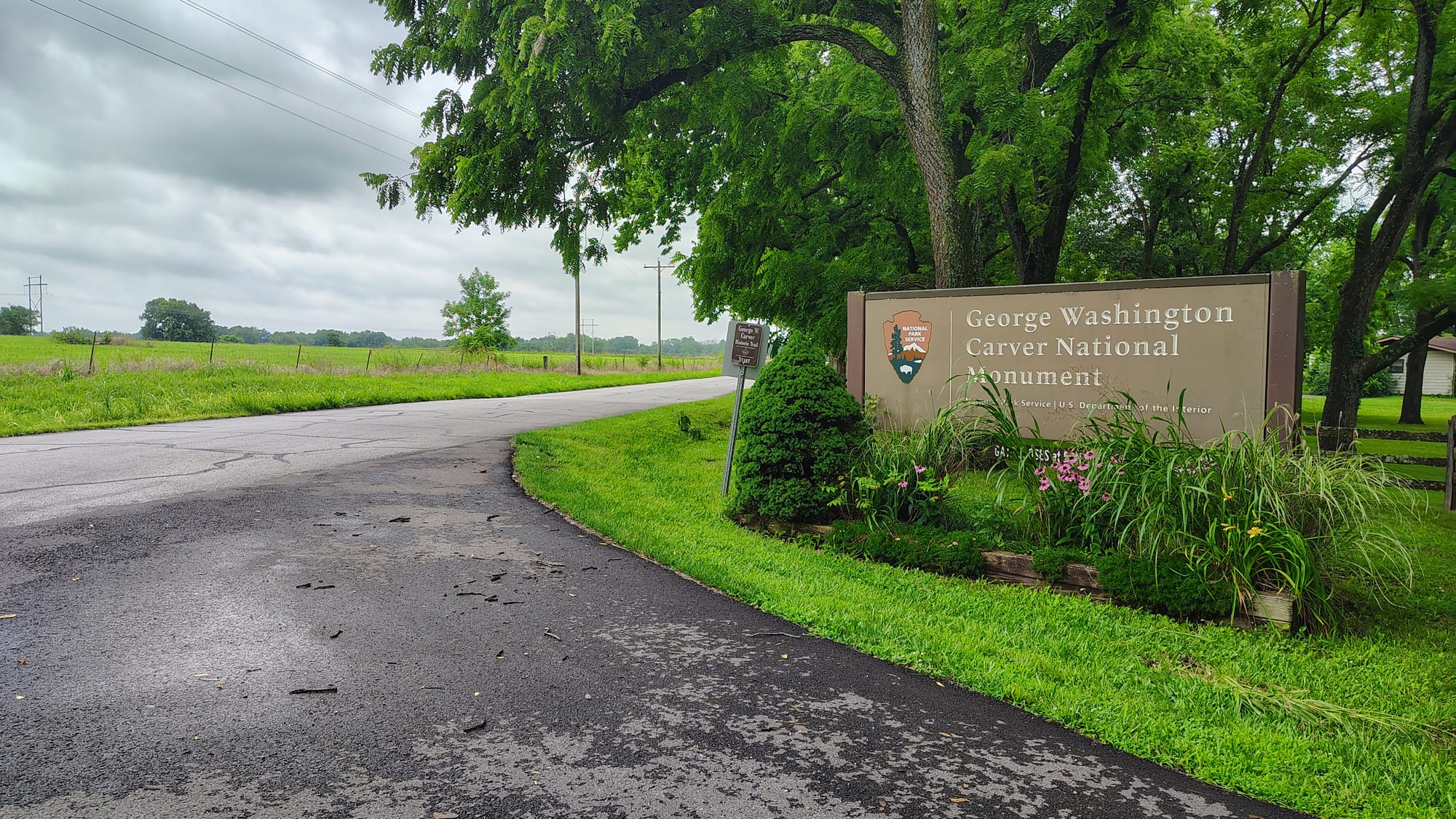
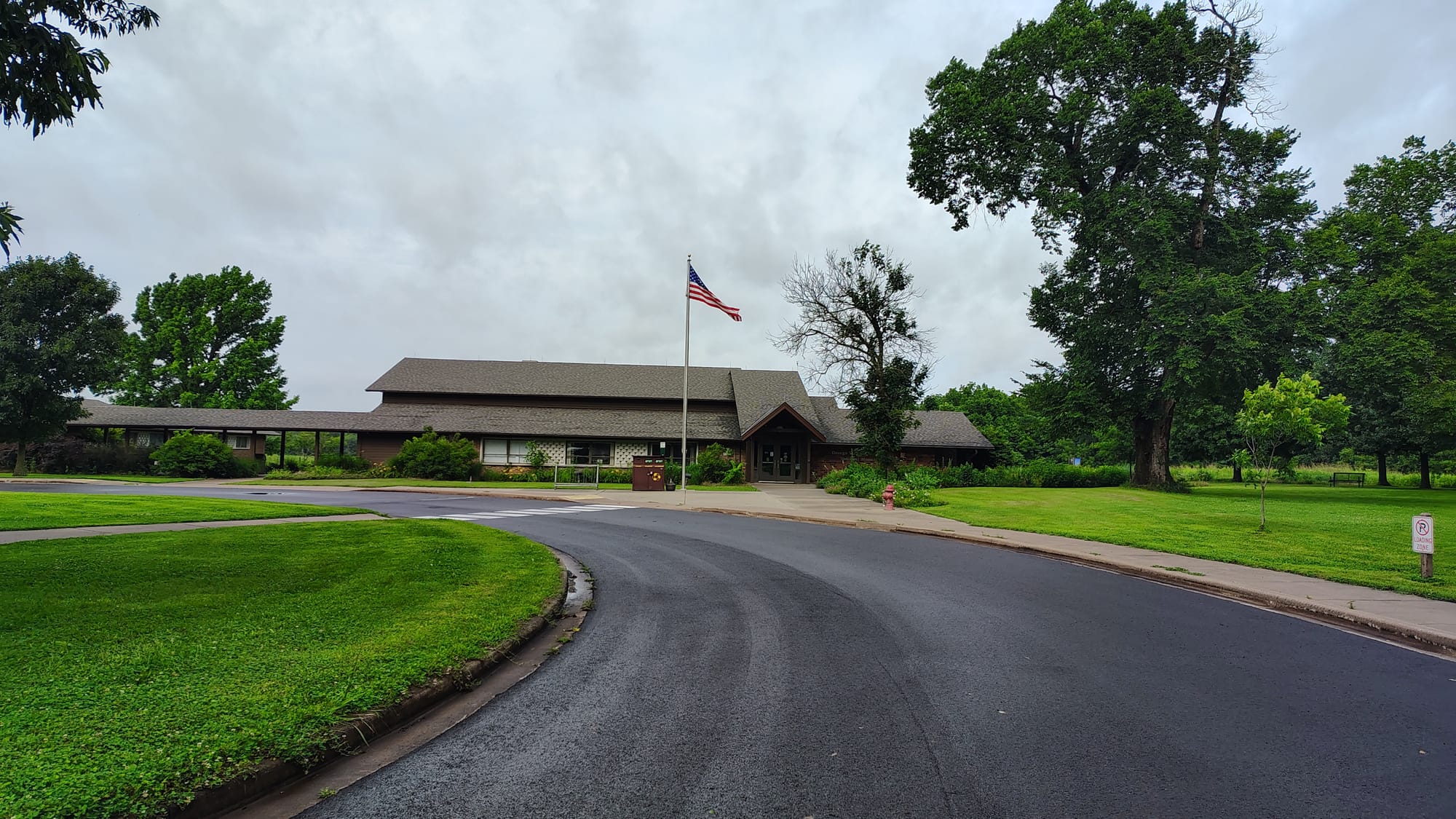
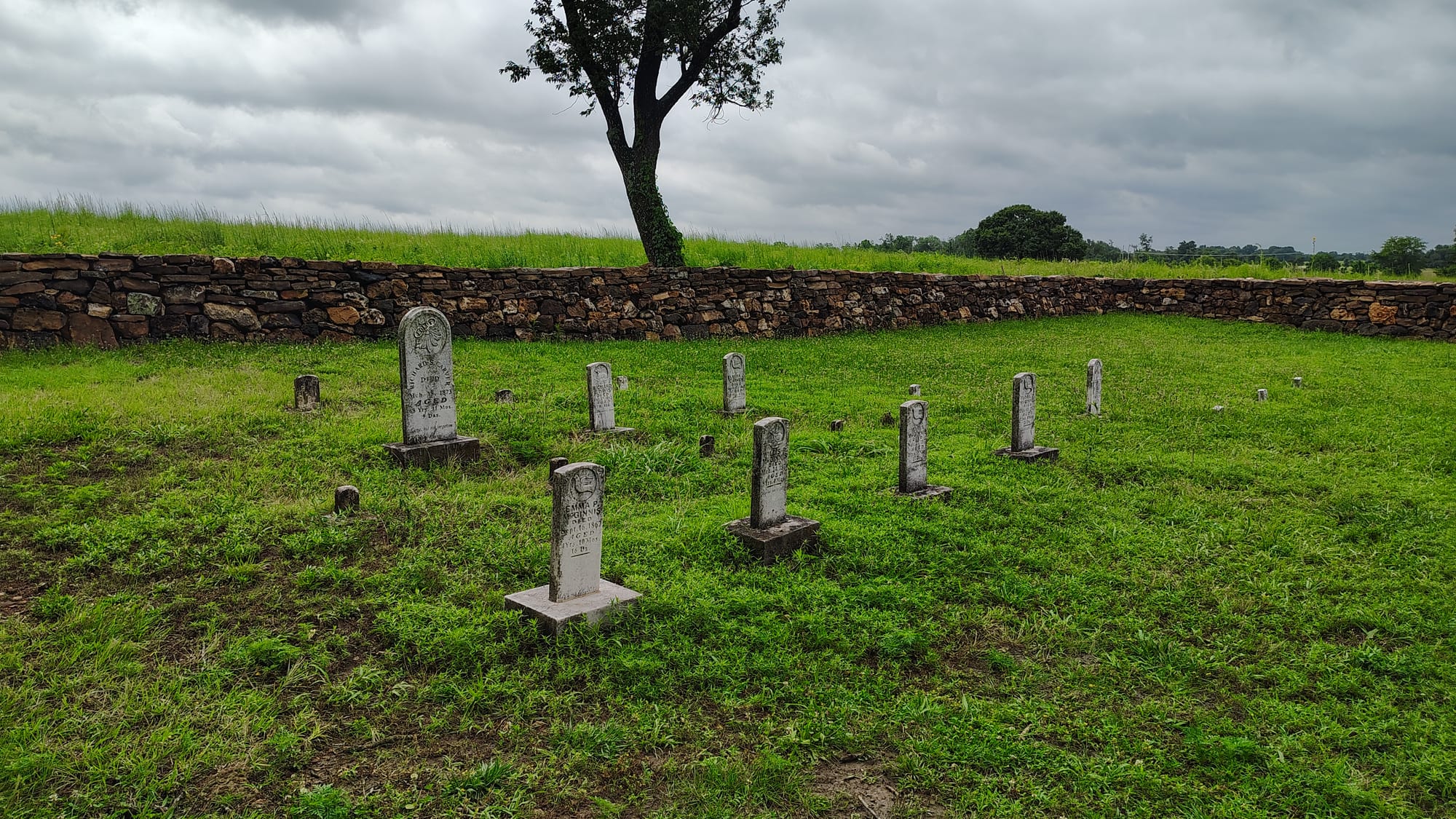
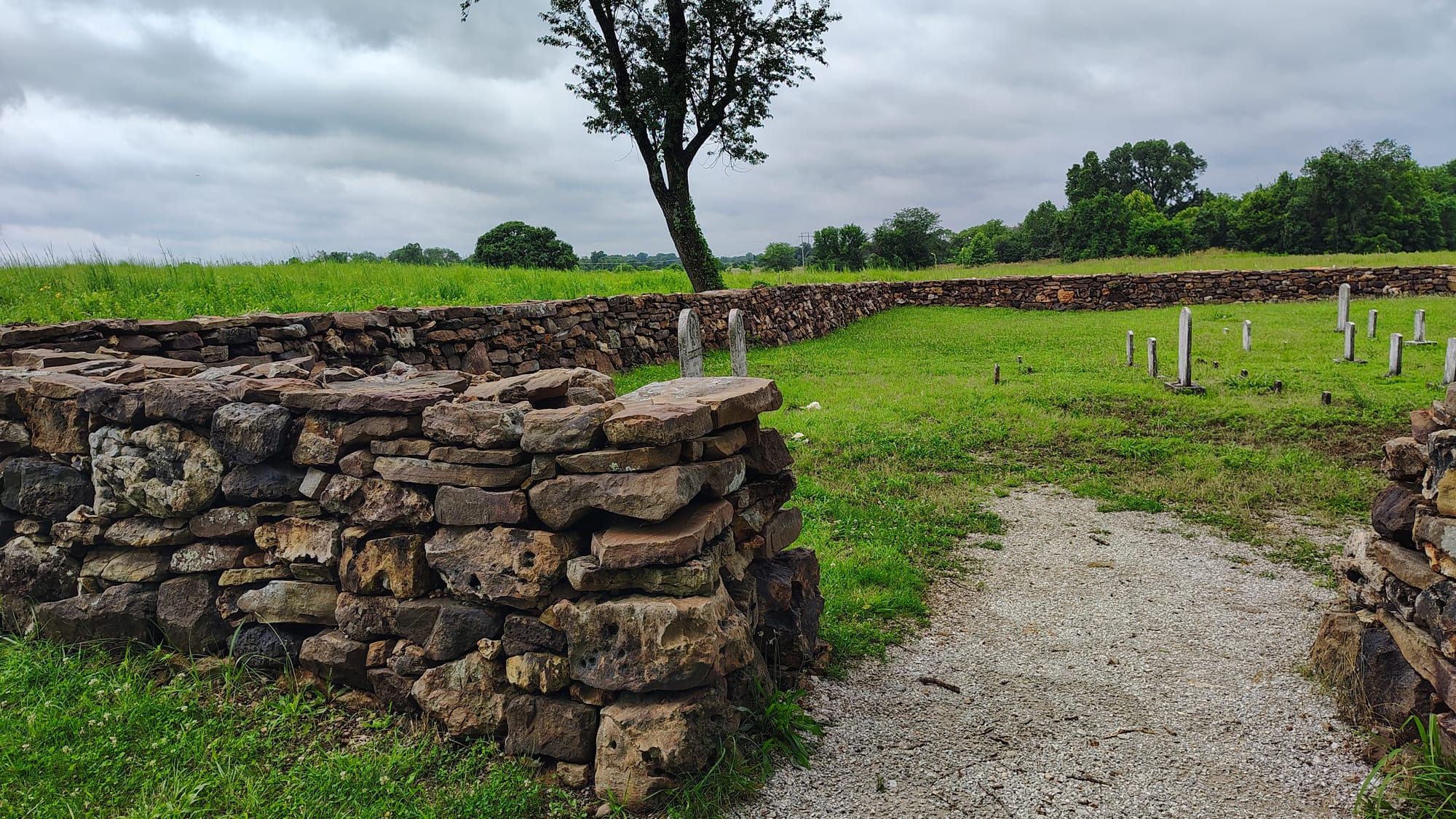
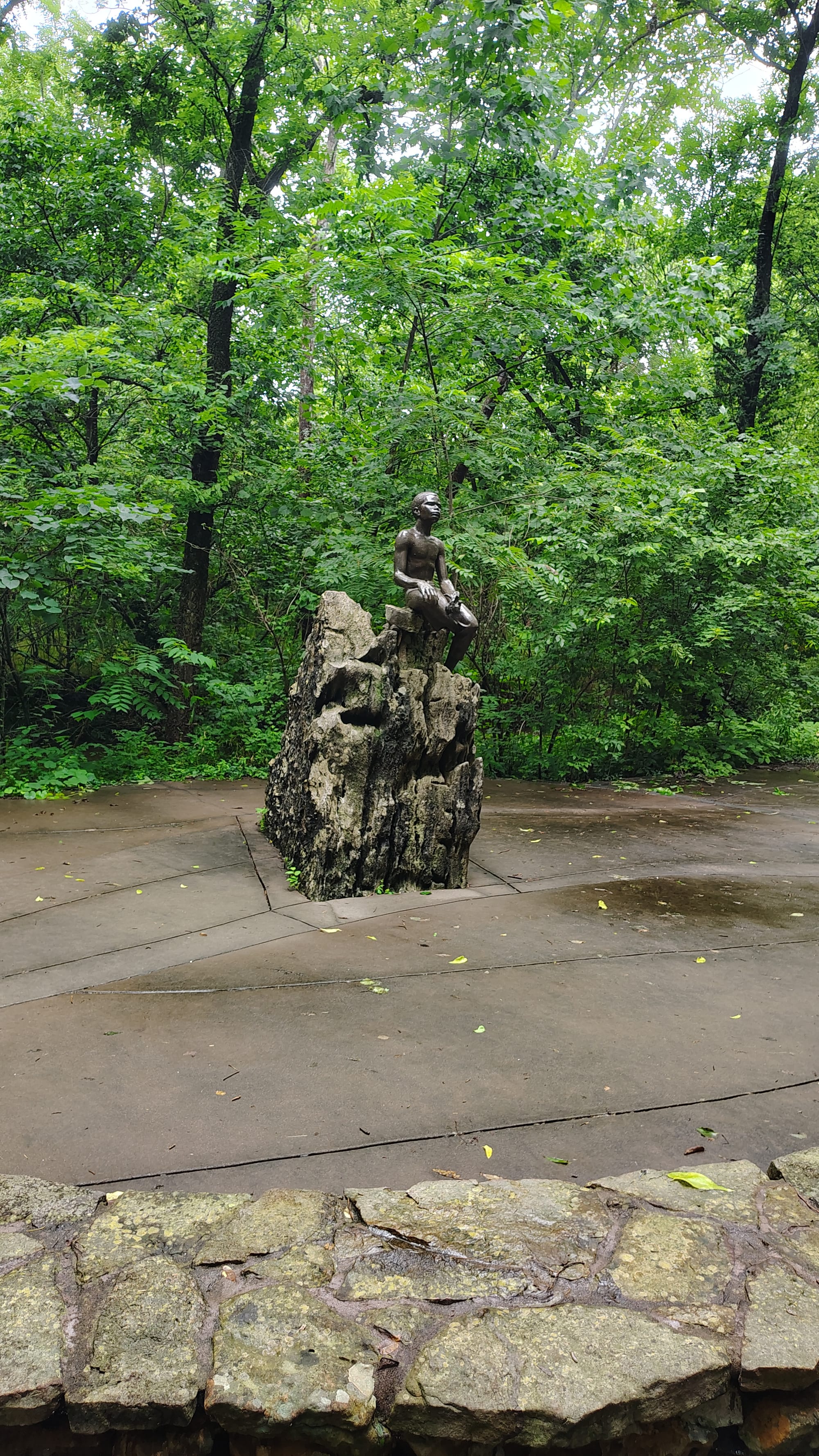
The George Washington Carver National Monument and cemetery where Moses and Susan Carver are laid to restwhere Moses and Susan Carver are buried.
Conclusion
Joplin’s story is one of mining wealth, Route 66 travel, severe weather history, and rebuilding after disaster—a city shaped by both the opportunities and challenges of the American Midwest.
We really enjoyed our stop in the Joplin area. It is definitely worth a stop.