
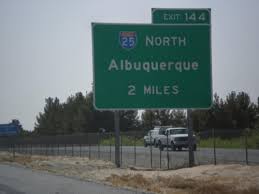
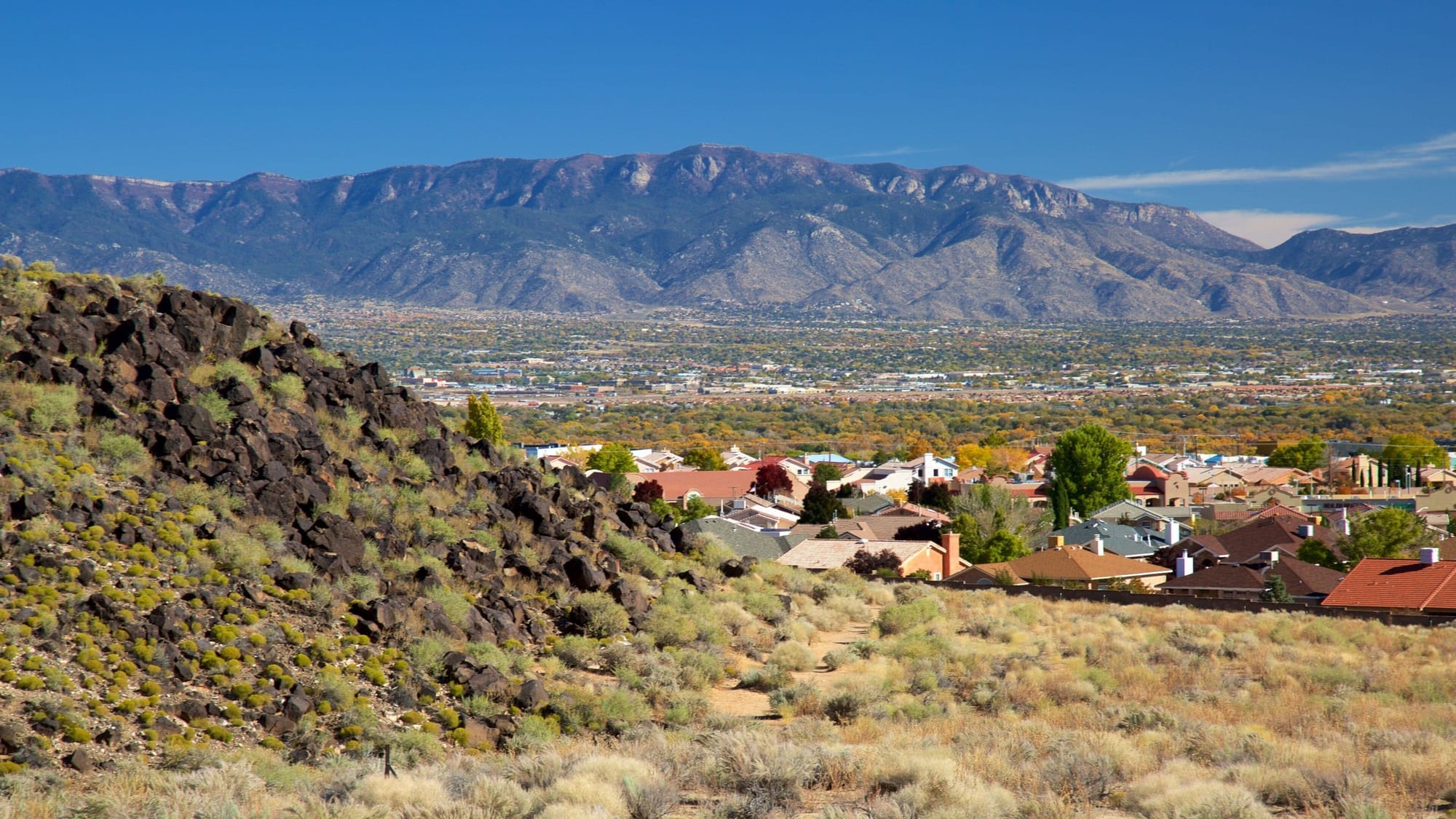
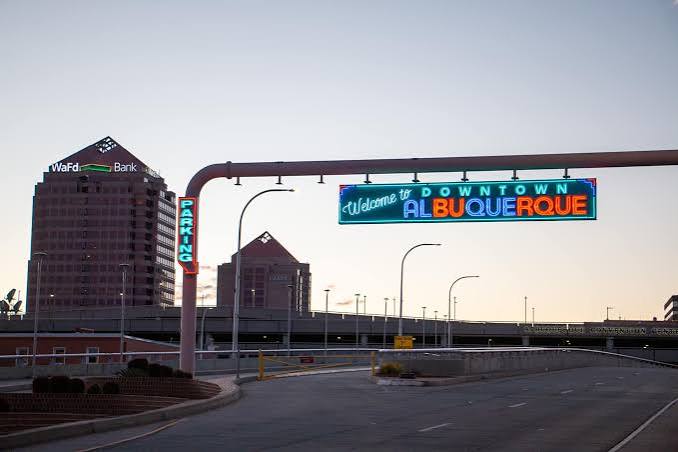
Stop #8 Albuquerque, New Mexico
Albuquerque’s history stretches back over a thousand years, influenced by Indigenous traditions, Spanish colonization, Mexican rule, U.S. presence, the arrival of the railroad, and the modern growth of the American Southwest.
History
For centuries, the Albuquerque area has been home to Indigenous peoples, particularly Pueblo communities along the Rio Grande. Nearby pueblos such as Isleta, Sandia, and others developed thriving agricultural societies, supported by irrigation and the fertile soil of the river’s floodplain. Long before Europeans arrived, the region was part of a broader network of Indigenous trade and travel routes.
Spain established permanent colonial settlements in the Rio Grande Valley during the late 16th and 17th centuries. In 1706, Spanish colonial leaders founded La Villa de Alburquerque, named after Francisco Fernández de la Cueva, Duke of Alburquerque. The town was laid out around a central plaza, reflecting Spanish colonial planning traditions, and this area eventually became what is now Old Town Albuquerque. Over time, the spelling changed from Alburquerque to Albuquerque, likely due to common usage.
After Mexico gained independence from Spain in 1821, Albuquerque became part of the Mexican Republic. Its position along the Camino Real de Tierra Adentro—the main route linking Mexico City with New Mexico settlements—made it an important trade hub, drawing merchants, farmers, ranchers, and travelers passing through.
During the Mexican-American War (1846–1848), U.S. forces seized control of Albuquerque. The Treaty of Guadalupe Hidalgo in 1848 handed over New Mexico and other territories from Mexico to the United States.
By 1850, New Mexico became a U.S. territory, and Albuquerque started developing as a center for commerce and transportation. The Civil War brought brief turmoil to the area, and in 1862, Confederate and Union forces fought in the Battle of Albuquerque during the Confederate advance into New Mexico.
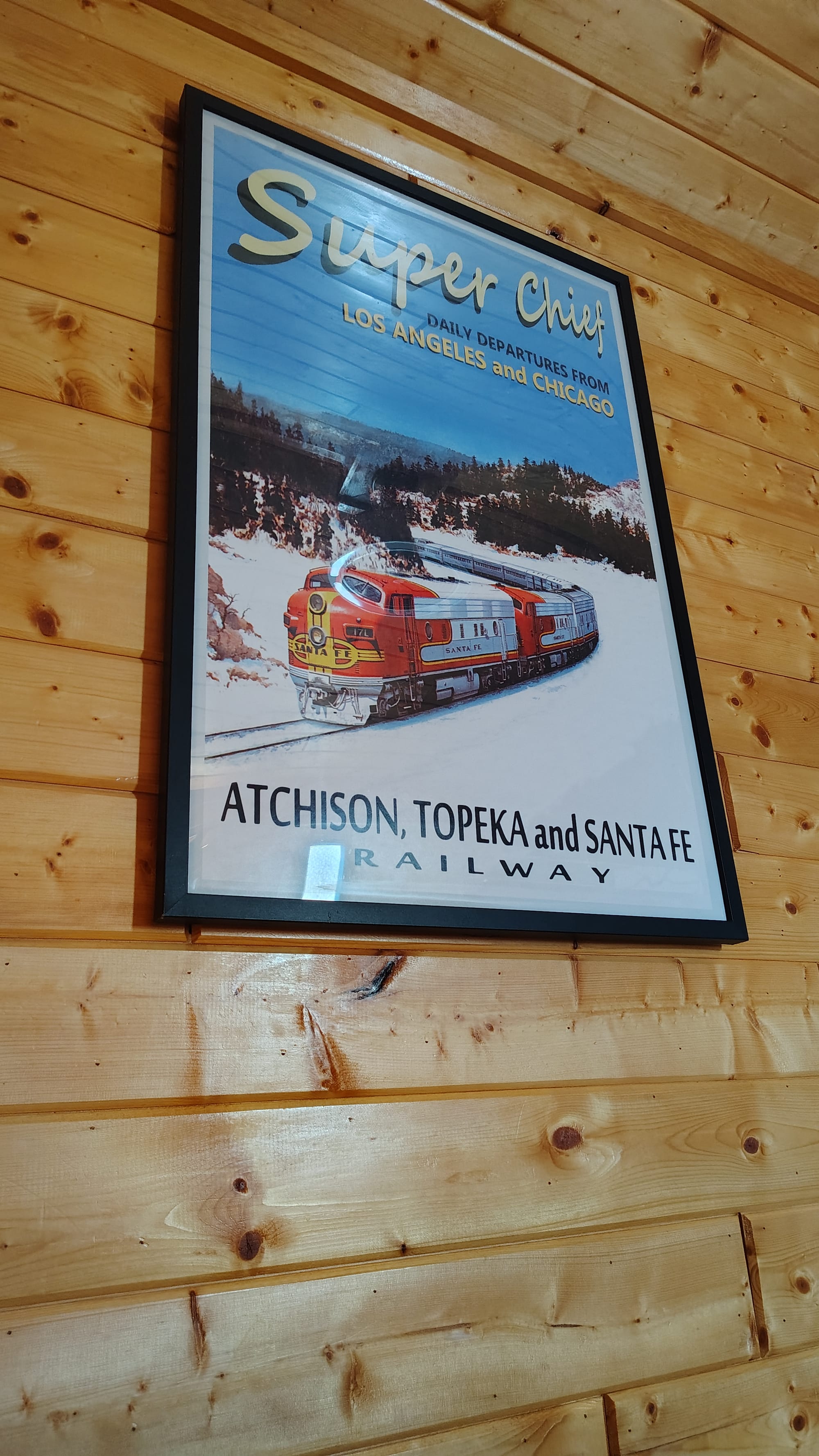
In 1880, the arrival of the Atchison, Topeka and Santa Fe Railway marked a major turning point for Albuquerque. The tracks divided the city into two connected but distinct areas: Old Town remained the historic heart, while a new downtown and commercial district grew up several miles to the east. This brought a surge in population, new businesses, hotels, warehouses, and waves of immigrants, turning Albuquerque into a vital transportation hub linking the Midwest and Southwest.
By the early 1900s, Albuquerque was becoming known not only for commerce but also for its dry climate, which attracted people seeking relief from respiratory illnesses. Tourism and health-related development became important parts of the economy.
The city incorporated many surrounding communities as it expanded. In 1912, New Mexico became the 47th state, and Albuquerque continued growing as one of its principal cities.
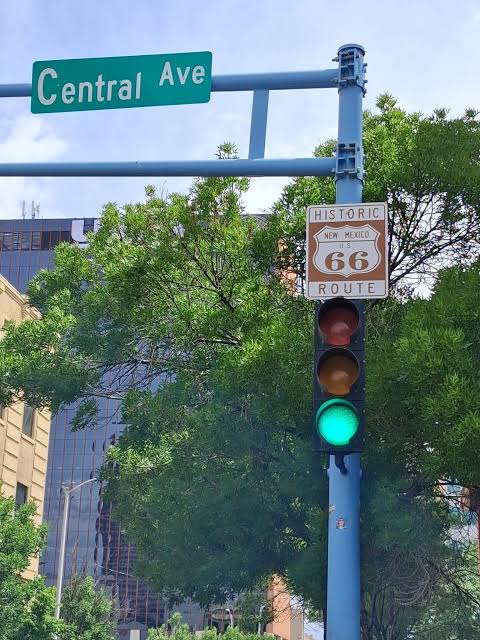
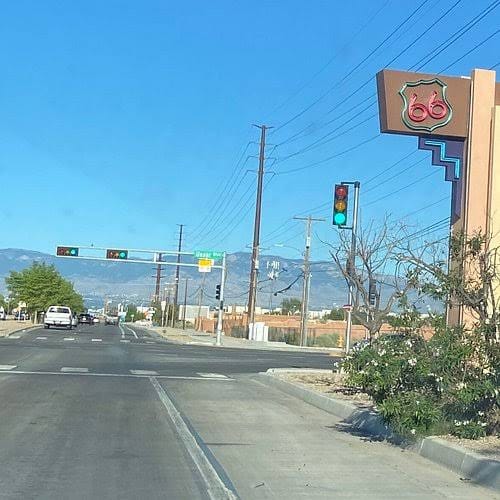
Albuquerque gained renewed significance with the rise of automobile travel. Starting in the 1920s, U.S. Route 66 ran right through the city, sparking the growth of restaurants, motels, gas stations, and tourist spots along Central Avenue. Today, Route 66 is still a key part of Albuquerque’s historic identity, especially in the Nob Hill and Central Avenue areas.
World War II brought major changes to Albuquerque. The U.S. military set up Kirtland Army Air Field, making the area a key spot for aviation and weapons research. The city was closely tied to the Manhattan Project, with scientists at Los Alamos National Laboratory creating the first atomic weapons and Albuquerque serving as a vital hub for transportation and military support. After the war, its military and tech industries kept growing.
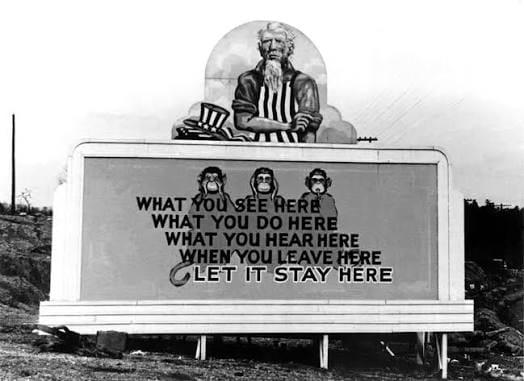
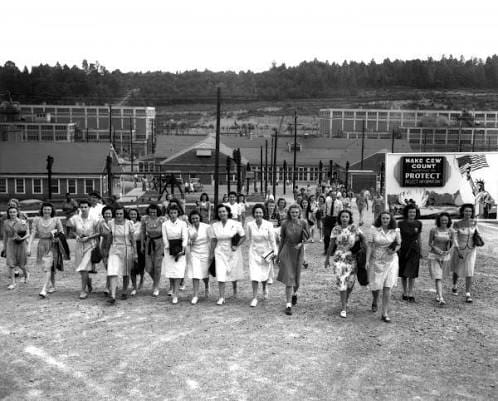
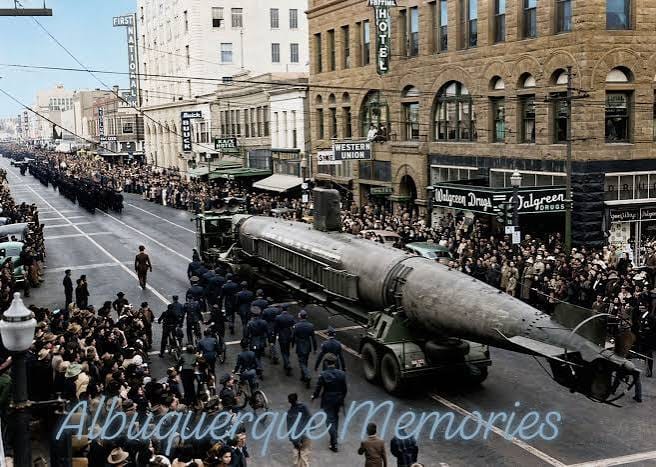
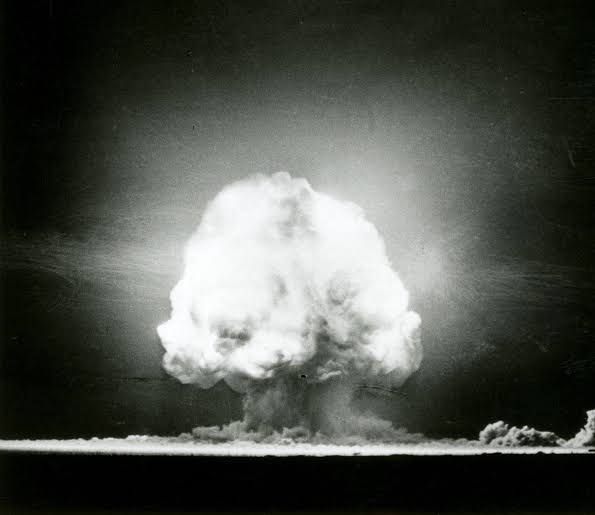
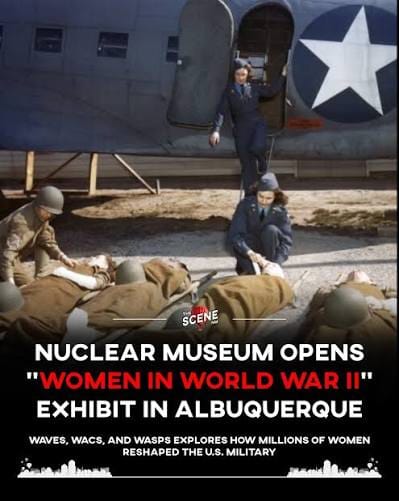
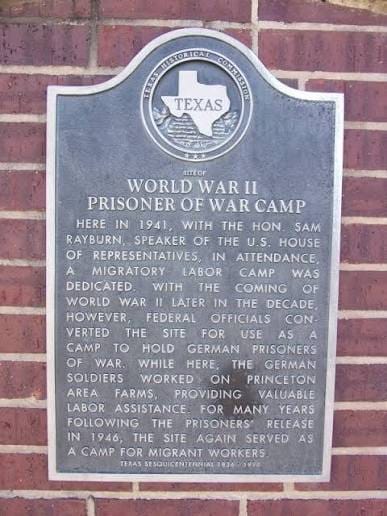
Starting in the 1950s, Albuquerque saw significant suburban expansion, with its population booming alongside the growth of federal facilities, the military, tech companies, and the University of New Mexico. The city built a unique aviation and tech-driven economy, bolstered by Intel’s major semiconductor plant in nearby Rio Rancho, which fueled the metro area’s growth. Like many fast-growing Western cities, Albuquerque also dealt with challenges such as heavy reliance on cars, limited water resources, suburban sprawl, and efforts to protect its historic neighborhoods.
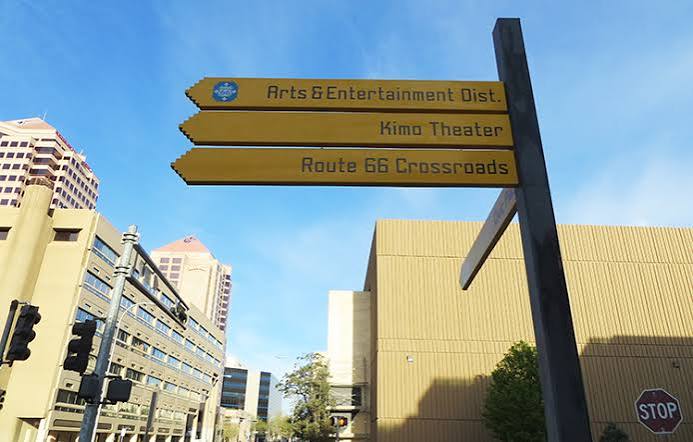
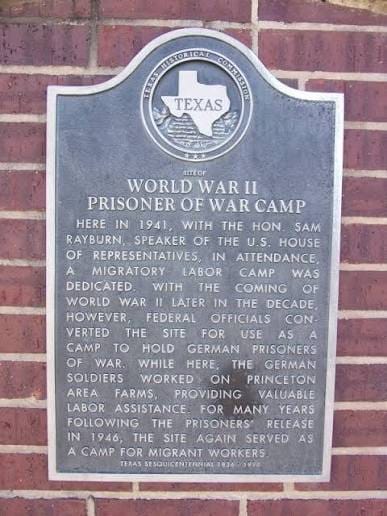
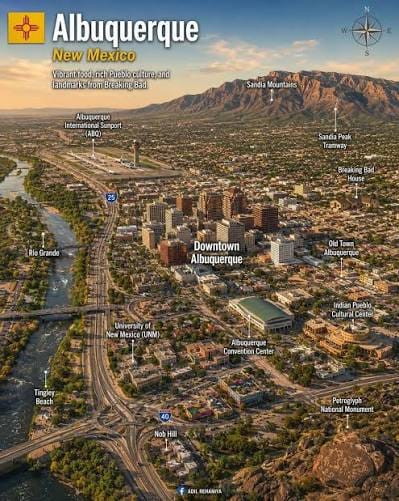
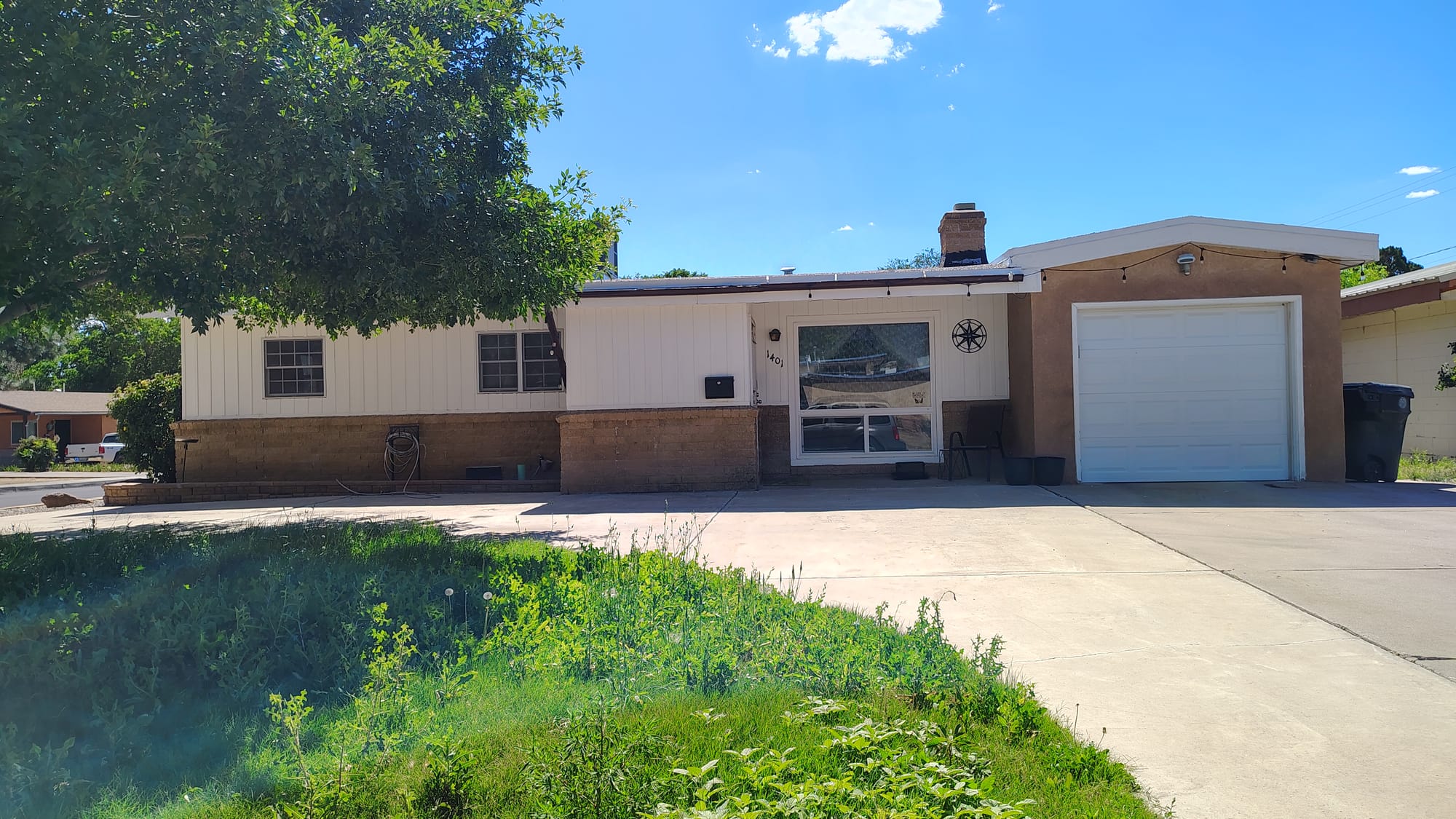
Growing Up in Albuquerque During the 1960s and 1970s
Life in Albuquerque during the 1960s and 1970s had a distinctive Southwestern character:
- Albuquerque was much smaller, with many neighborhoods surrounded by open desert and farmland.
- Route 66 (Central Avenue) was lined with neon signs, classic motels, diners, and drive-in theaters.
- Families often spent weekends in the Sandia Mountains, at the Rio Grande, or in nearby national forests.
- The city celebrated a blend of Hispanic, Native American, and Anglo cultures through festivals, food, music, and traditions.
- New Mexican cuisine—especially green chile cheeseburgers, enchiladas, tamales, and breakfast burritos—was an everyday part of life.
- The first Balloon Fiesta in 1972 quickly became a source of local pride, and residents watched it grow from a small community event into an internationally famous festival.
Many longtime residents remember Albuquerque in that era as a friendly city where children rode bicycles through neighborhoods, explored the arroyos, attended high school football games, cruised Central Avenue on Friday nights, and enjoyed a slower pace of life before the city's rapid growth in the 1980s and beyond.
Rio Grande River
The Rio Grande in Albuquerque can look surprisingly dry, especially in late summer and fall. The main reasons are New Mexico’s arid climate, reduced water supply, irrigation diversions, and upstream water management.
The river naturally has large seasonal swings, so a dry-looking stretch doesn't necessarily mean the entire Rio Grande has dried up.
According to recent reporting and USGS river measurements:
- March 27, 2026: The river began drying in sections unusually early in the year.
- Summer 2026: Parts of the riverbed stayed dry for nearly six months amid an exceptionally dry monsoon season.
- September 19: Heavy rainfall restored connected flow through the Middle Rio Grande.
- October 19: The USGS gauge in Albuquerque recorded about 157 cubic feet per second, which is below the historical median of 324 for this date.
Causes
- Drought and heat: Less rain and snowmelt mean less water entering the river, while heat increases evaporation.
- Water diversions: Irrigation canals and agricultural use affect how much water remains in the river channel.
- Climate change: Rising temperatures increase evaporation and contribute to reduced snowpack and earlier snowmelt, putting additional pressure on the river.
- River management: Reservoir releases and water-delivery obligations influence when and how much water moves downstream.
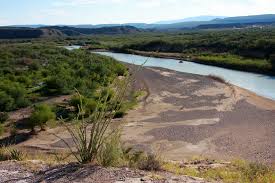
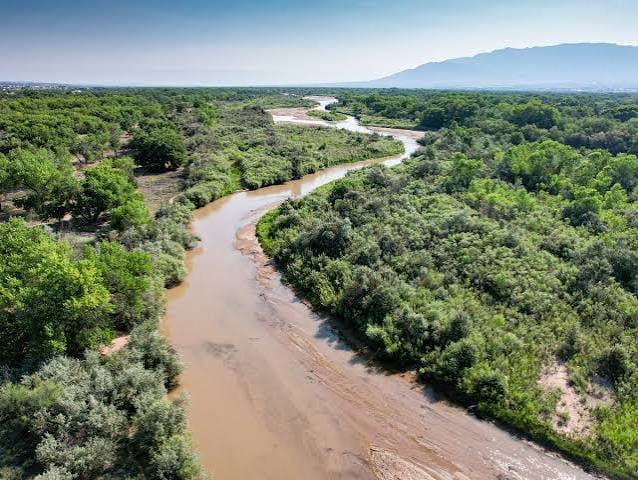
The big concern: Even though recent rain restored flow, it may not last without sustained precipitation and healthy snowpack.
Prairie Dogs
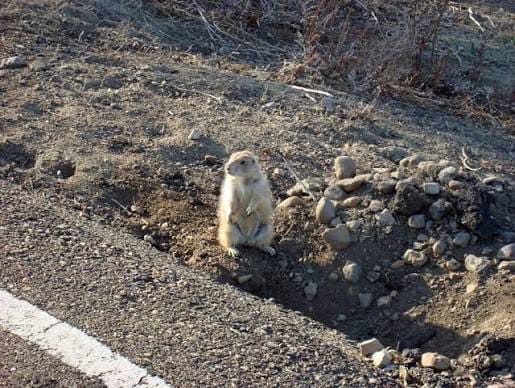
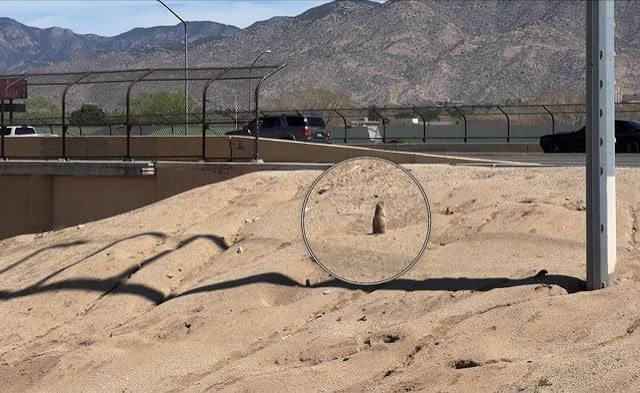
Prairie dogs are pretty common around Albuquerque because the city sits in the high-desert grasslands of central New Mexico, where these burrowing rodents naturally thrive. If you're seeing them clustered near freeway exits, there are a few good reasons for that
1. Open, grassy land
Prairie dogs prefer open ground where they can spot predators. The broad, treeless areas around highway ramps and road embankments can look like ideal habitat.
2. Roadsides can be easy places to dig
Some highway margins have loose, well-drained soil that's suitable for burrows. If the ground isn't disturbed too often, a colony can establish itself there.
3. Regularly maintained grass
Roadside vegetation can provide grasses and other plants to eat. Even patches of green grass in an otherwise dry landscape can attract them.
4. They may be remnants of a larger colony
Albuquerque has expanded into the surrounding desert and grasslands. Prairie dogs may remain in undeveloped parcels and roadside strips that still provide suitable habitat.
The City of Albuquerque specifically notes that prairie dogs are often confined to little pockets of land along roadsides and traffic intersections, where development has squeezed their habitat. Interestingly, human disturbance can actually make these spots attractive to prairie dogs because the vegetation is sparse and they can see approaching predators.
One local detail: if you're seeing them around the Eubank Boulevard exit on I-40, locals have reported a colony there for decades. So they're not necessarily moving there because of the freeway — the freeway may simply have been built beside or through land that was already suitable for them.
Don't feed them or approach their burrows; watching from a safe distance is best.
Balloon Ride
World Balloon was the company we chose to use. They were kind enough to reschedule our flight from June 19, 2026, to June 20, 2026, because of detour to Gallup.
Meeting Location:
6390 Coors Blvd. NW
Albuquerque, NM 87120
Phone: (505) 293-6800
Website: World Balloon
It was an unforgettable experience. Our pilot was fantastic, showing great attentiveness to my 91-year-old mother-in-law, who had always dreamed of taking a balloon ride. This turned out to be the perfect opportunity for her.
Email
info@worldballoon.com (we will respond within 24 hours)
Telephone
505-293-6800
(7am to 9pm, mountain time)
We will answer immediately, or, return your call as quickly as possible.
Meeting Location
6390 Coors Blvd NW, Albuquerque, NM 87120
(Directions from your location)
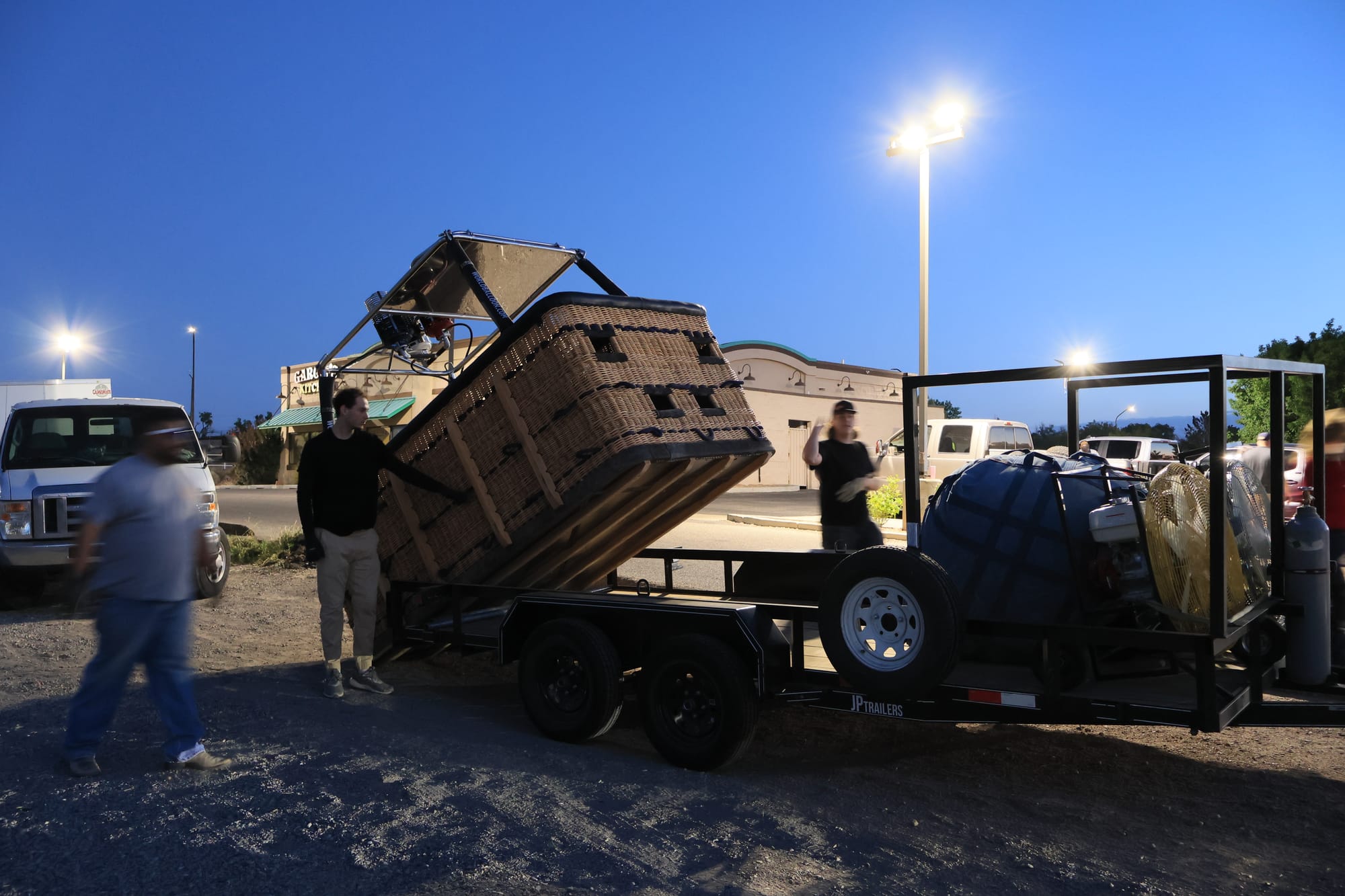
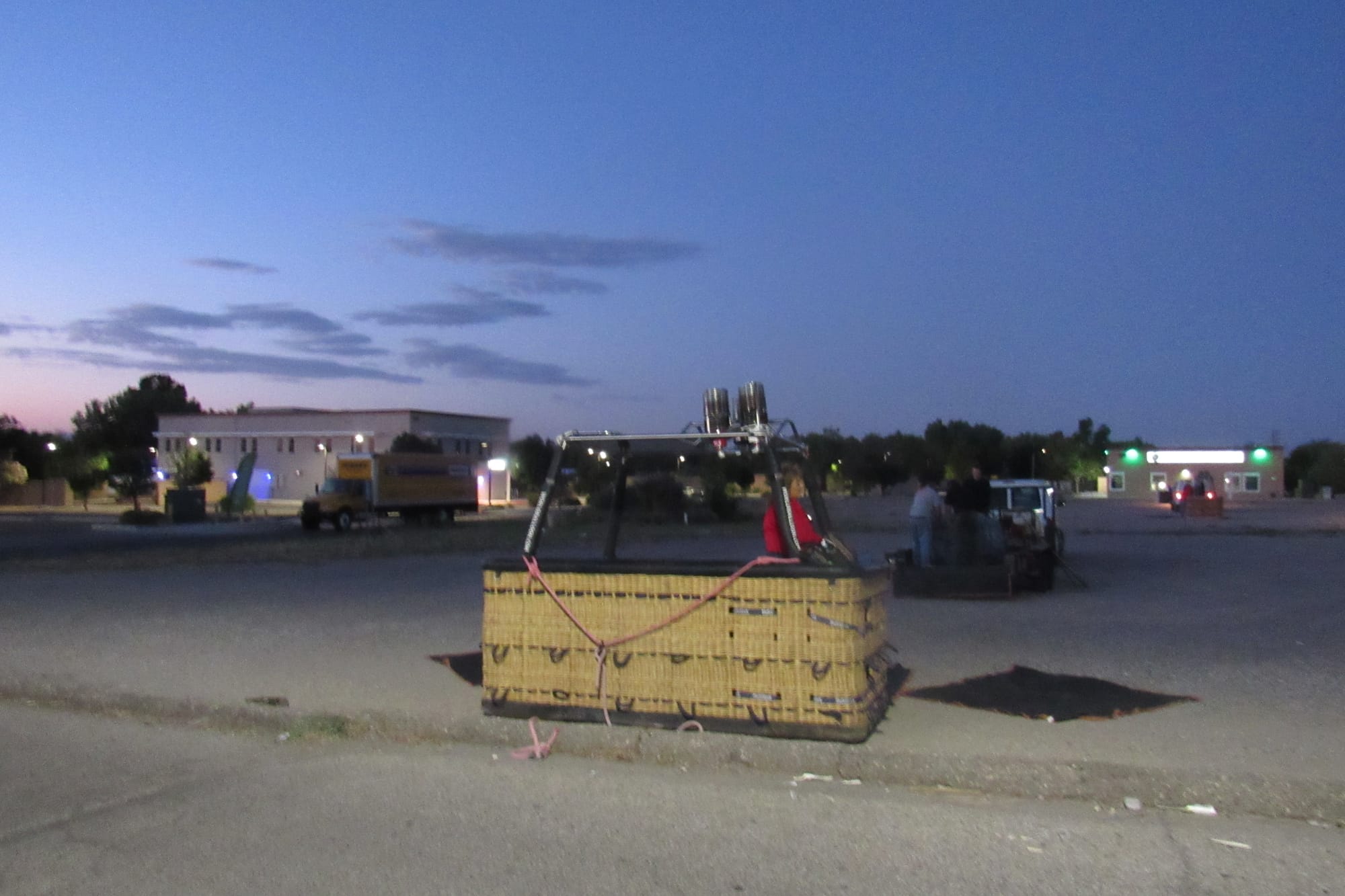
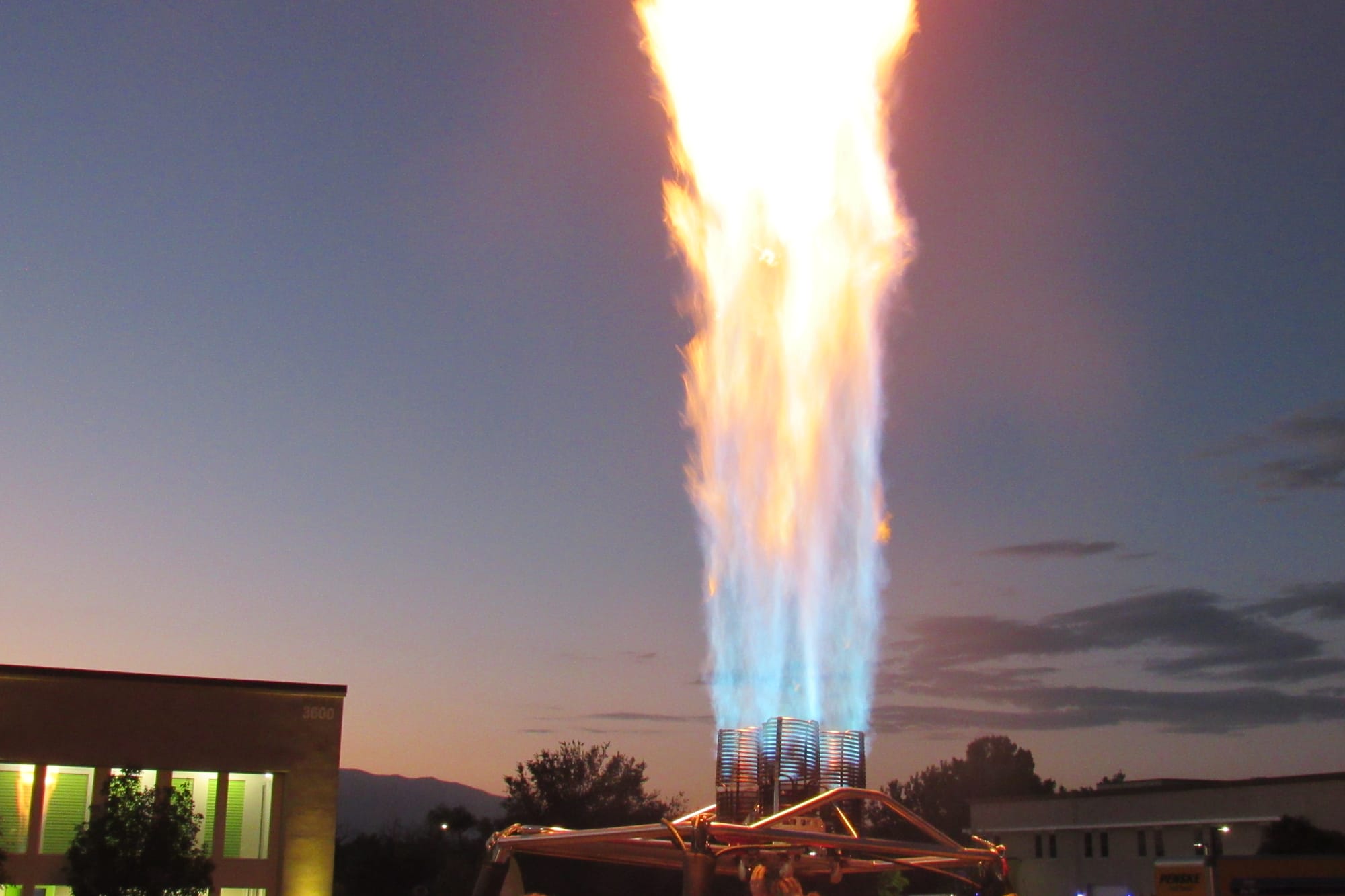
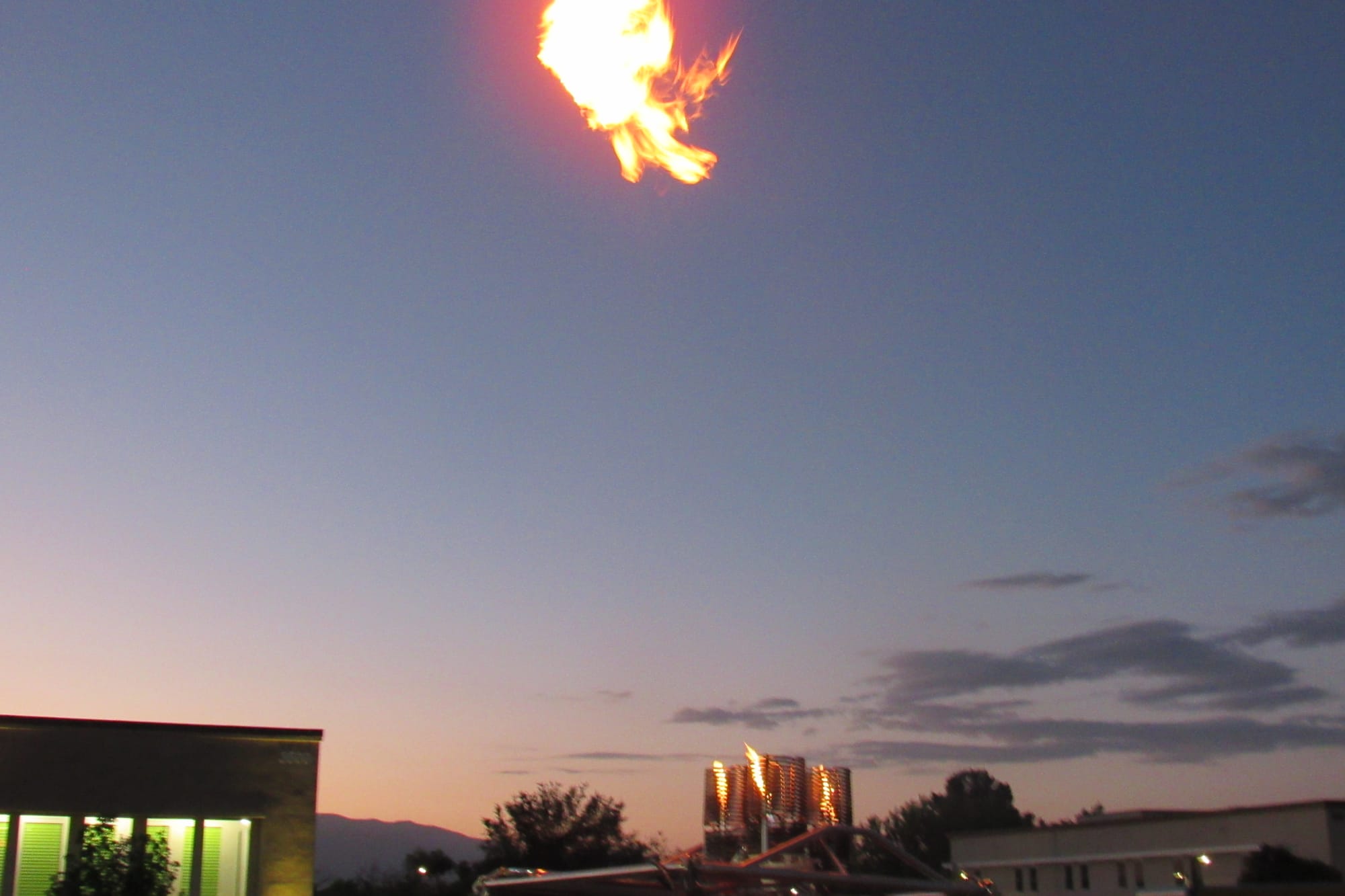
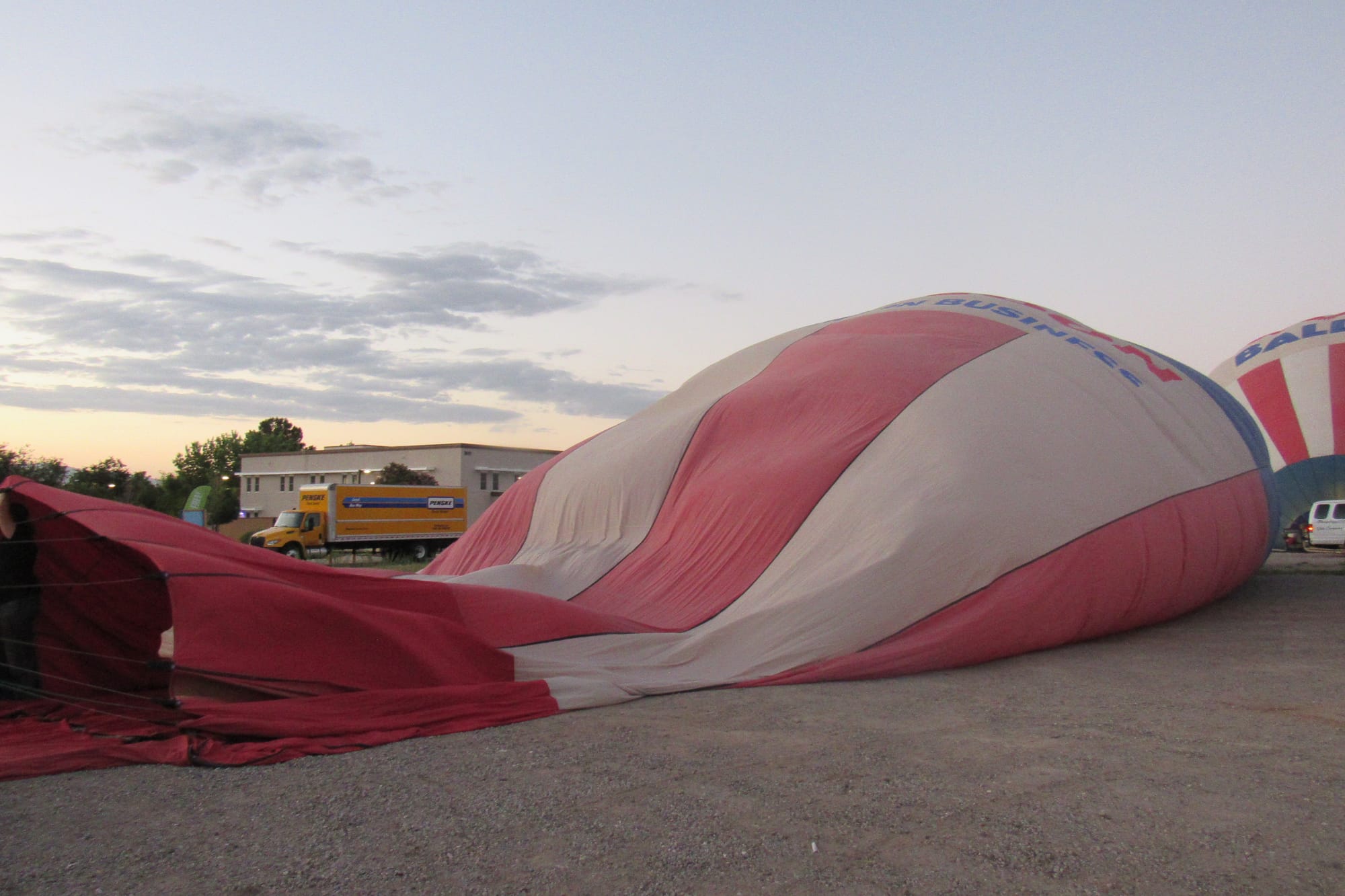
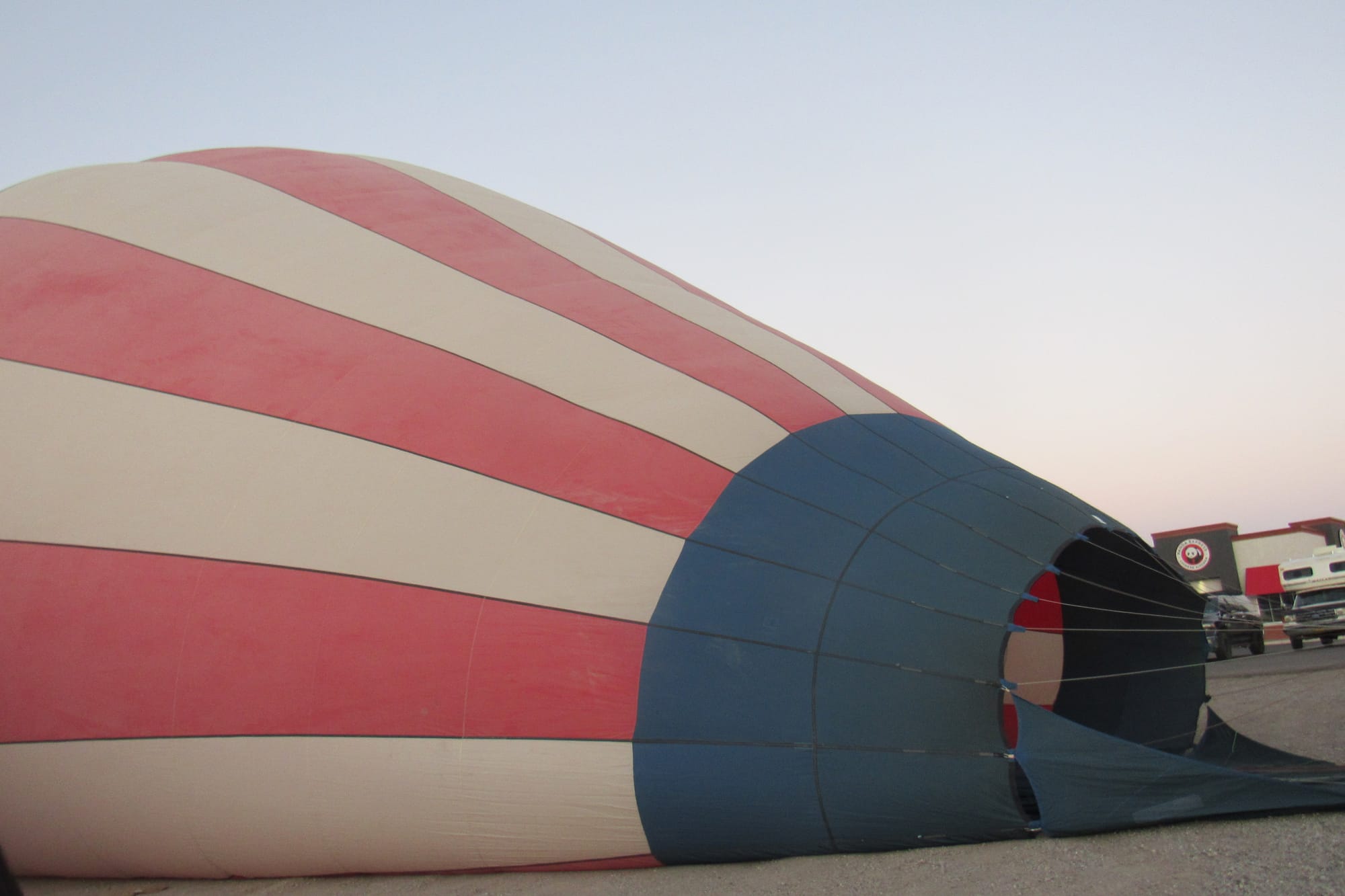
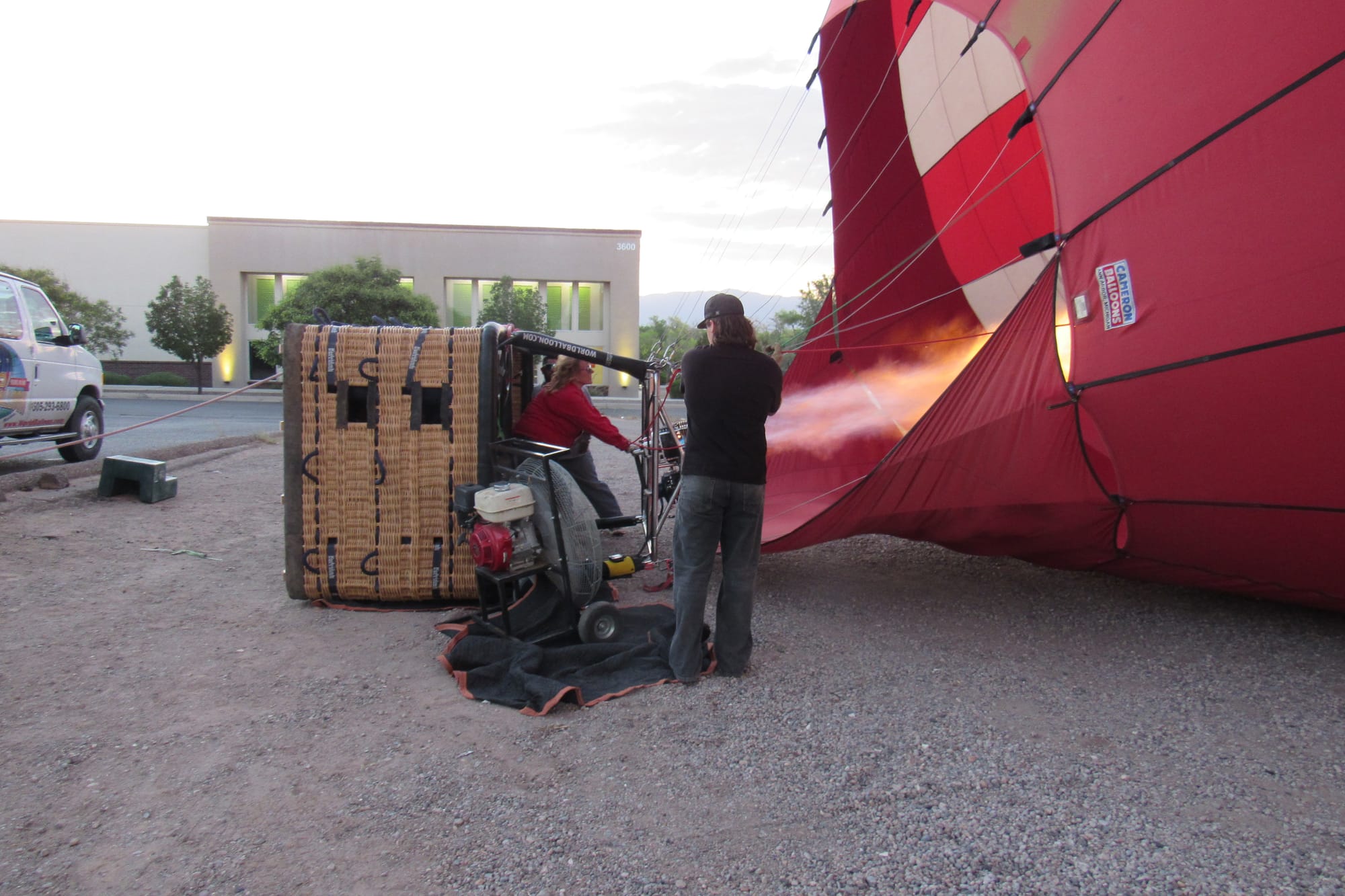
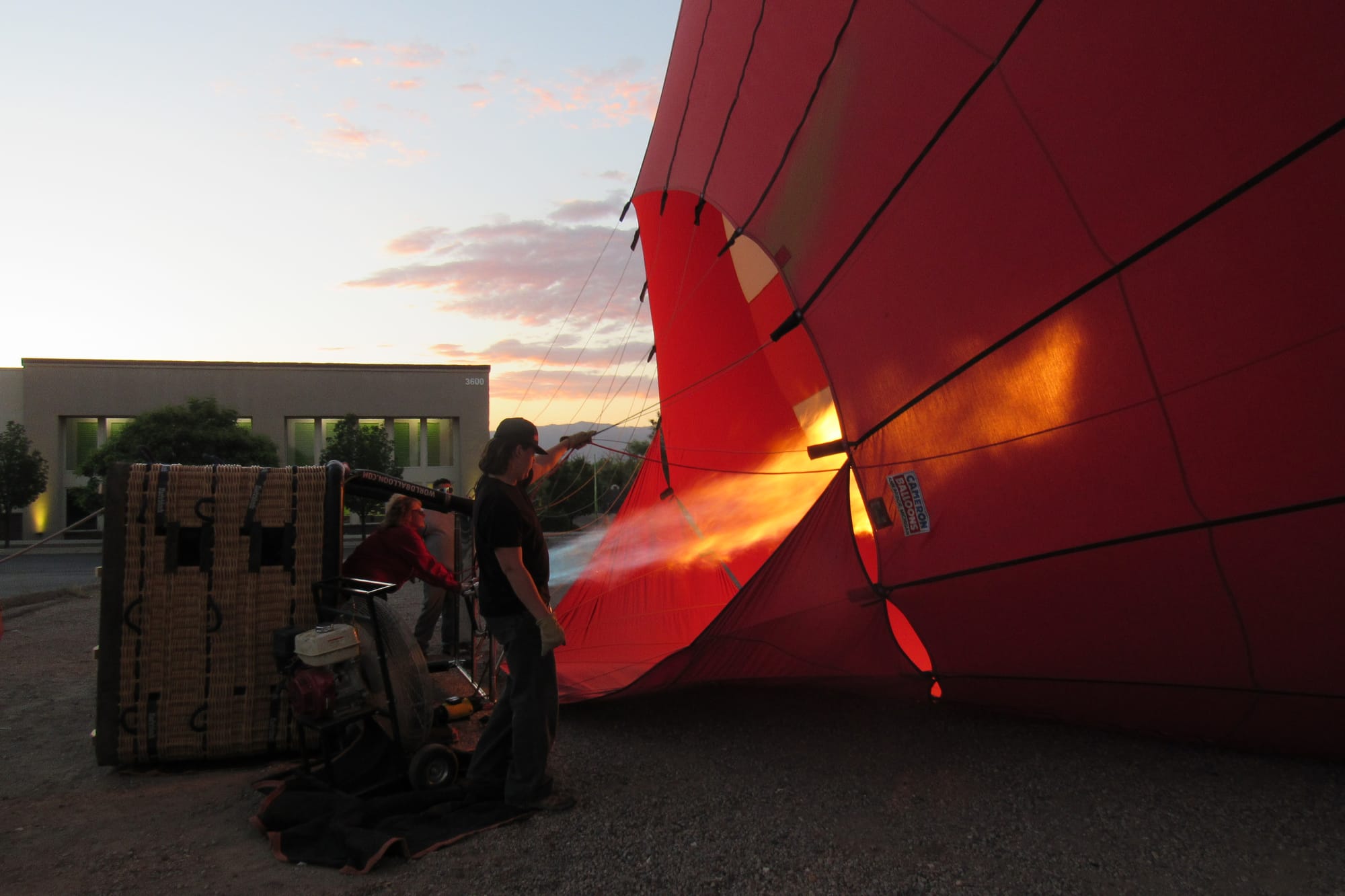
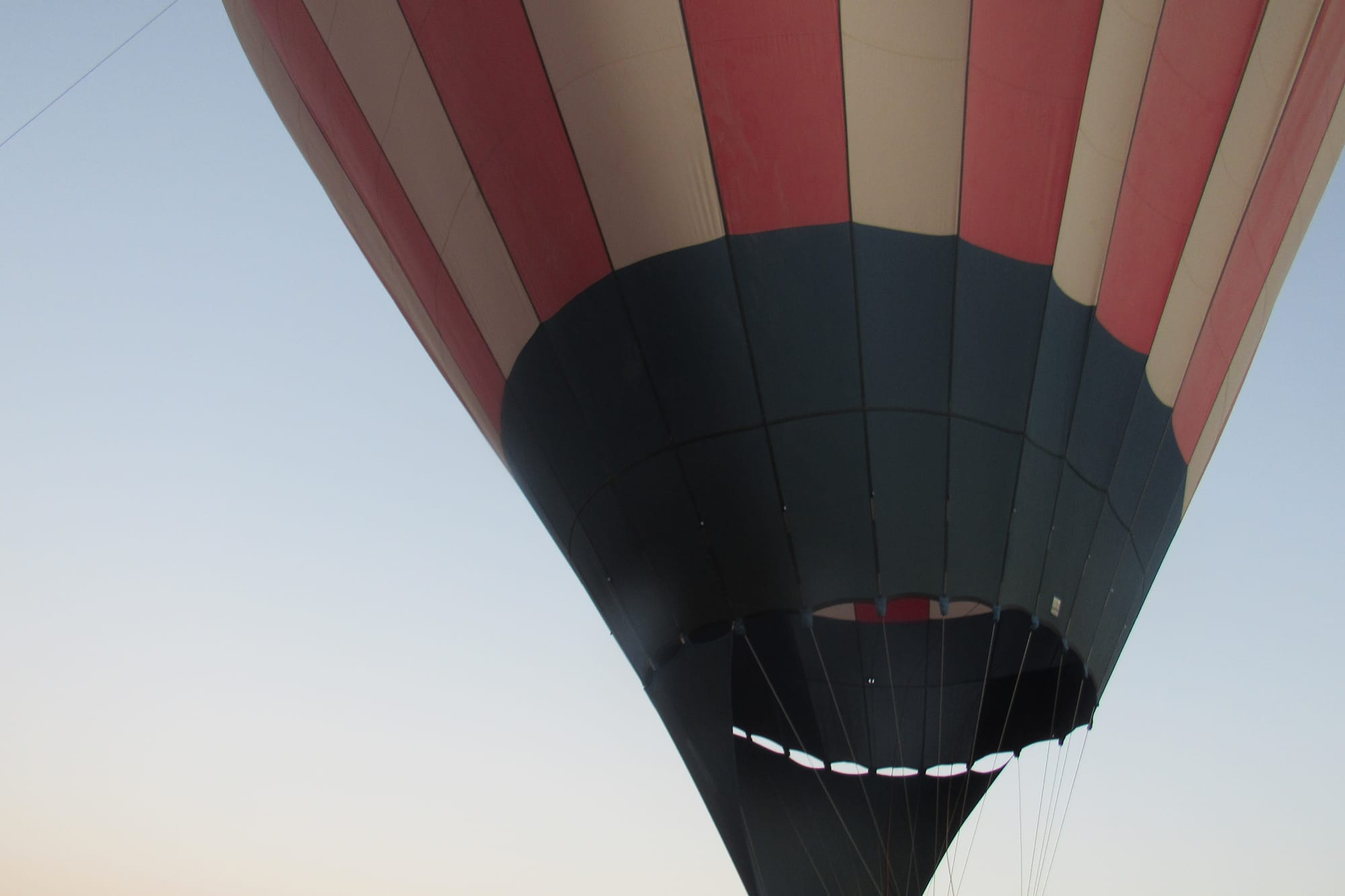
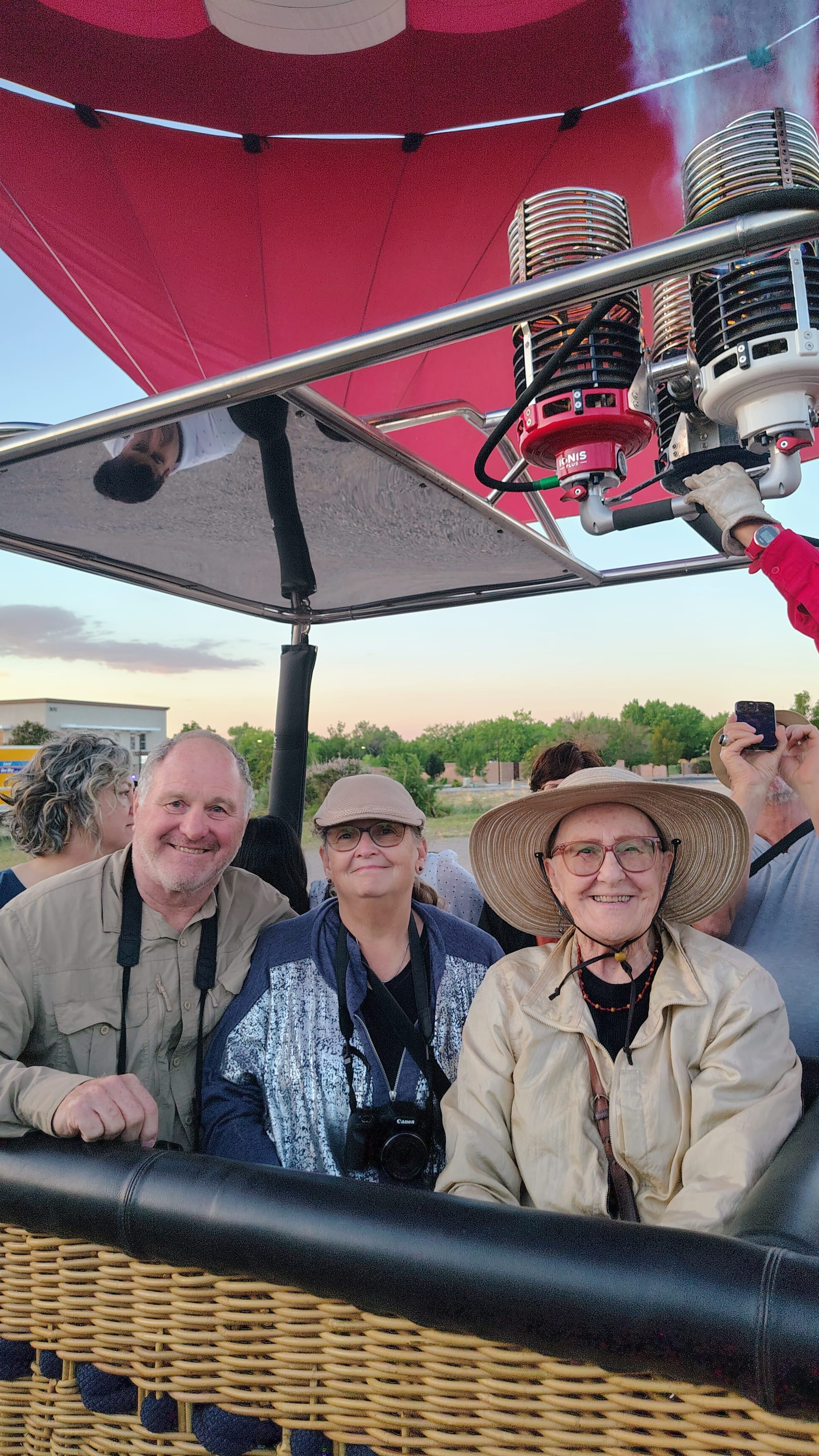
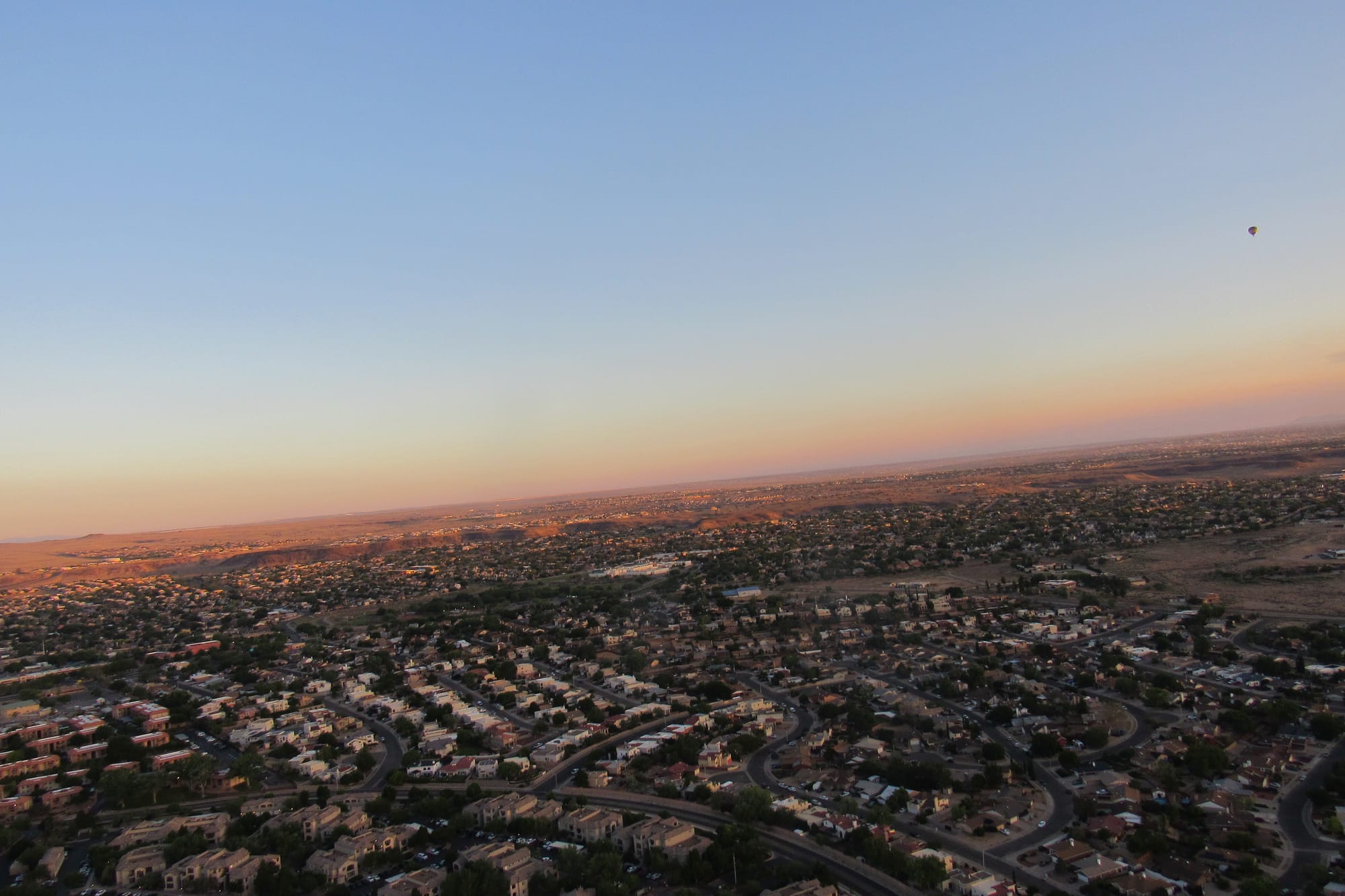
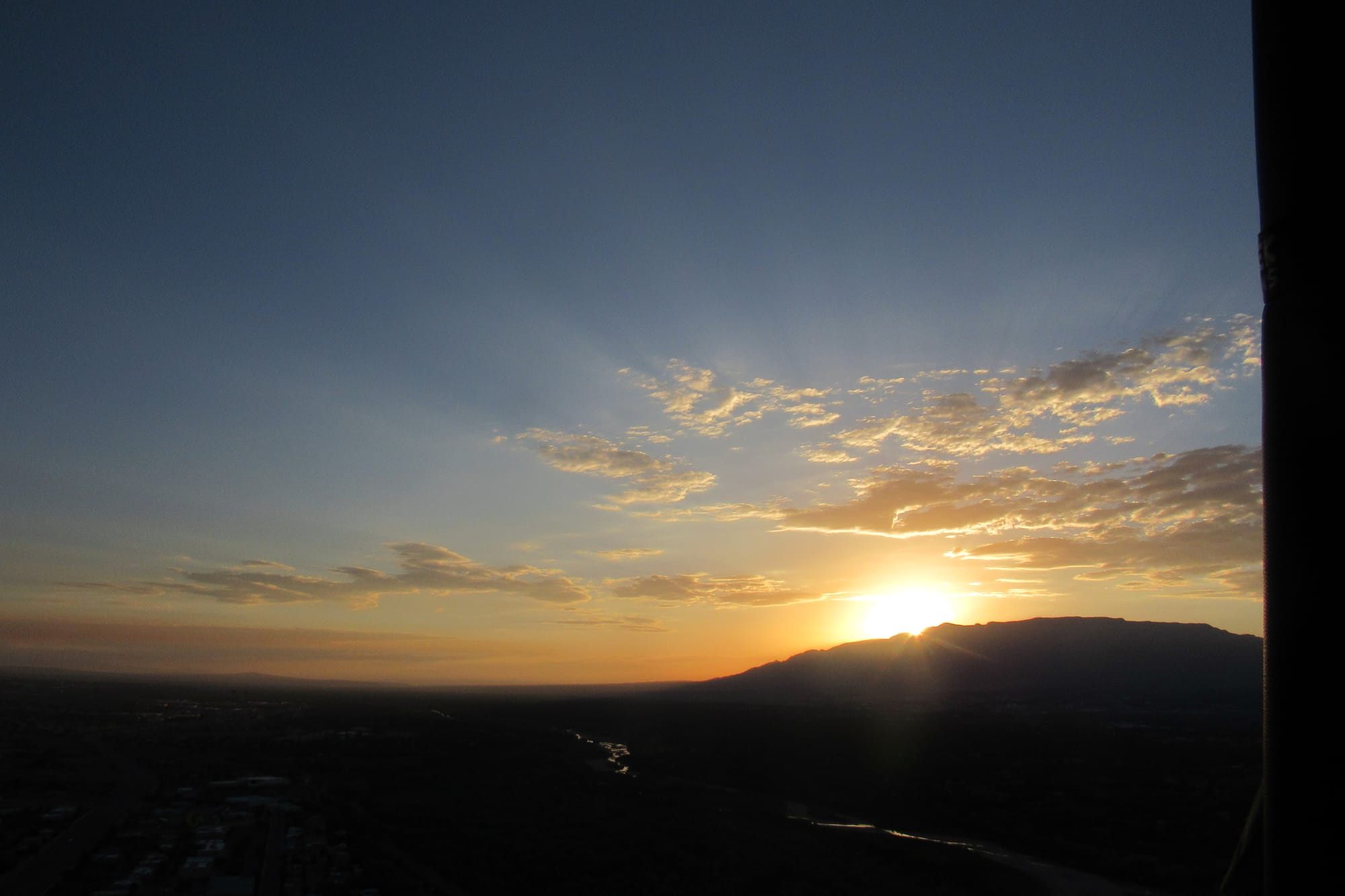
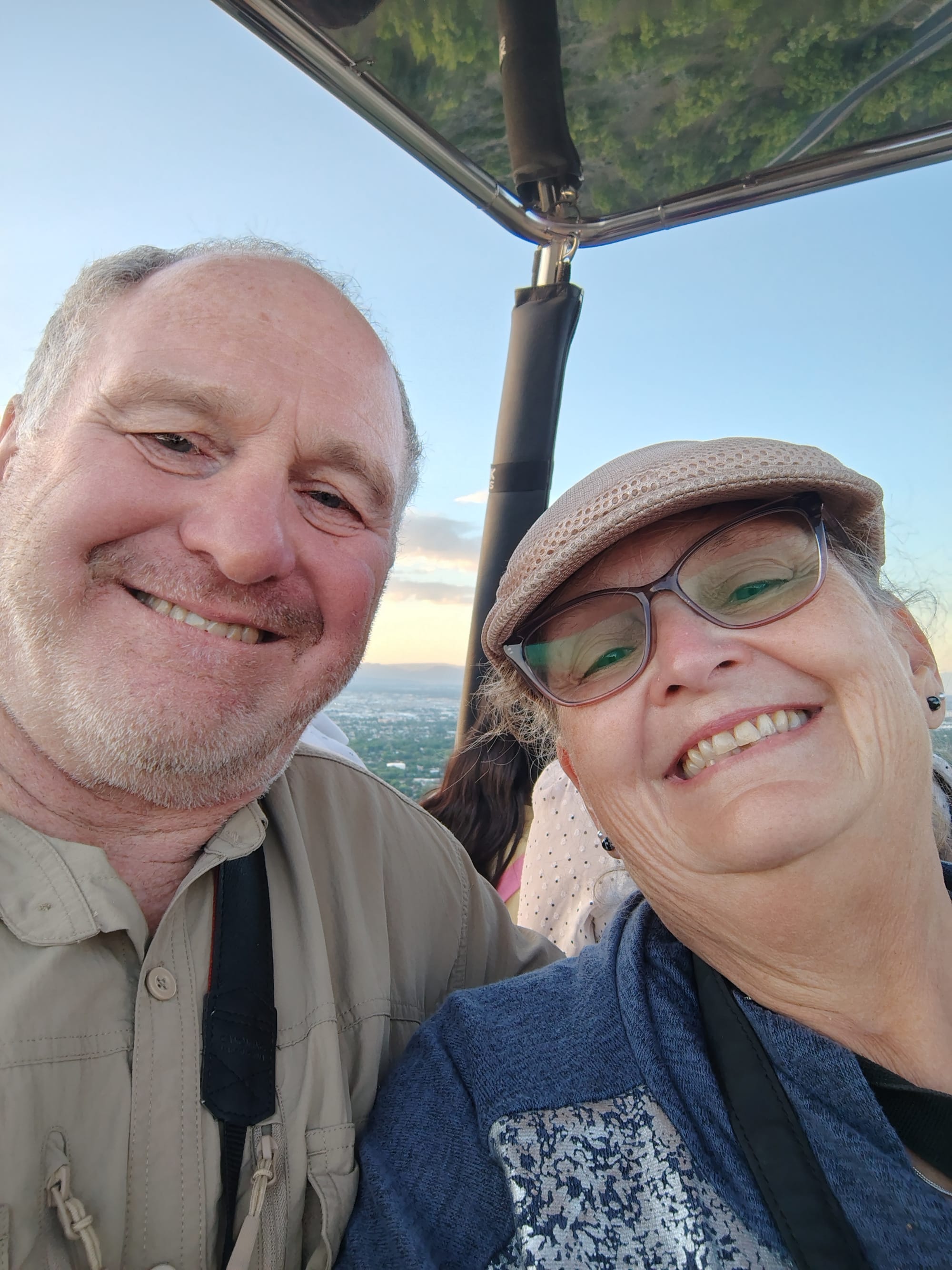
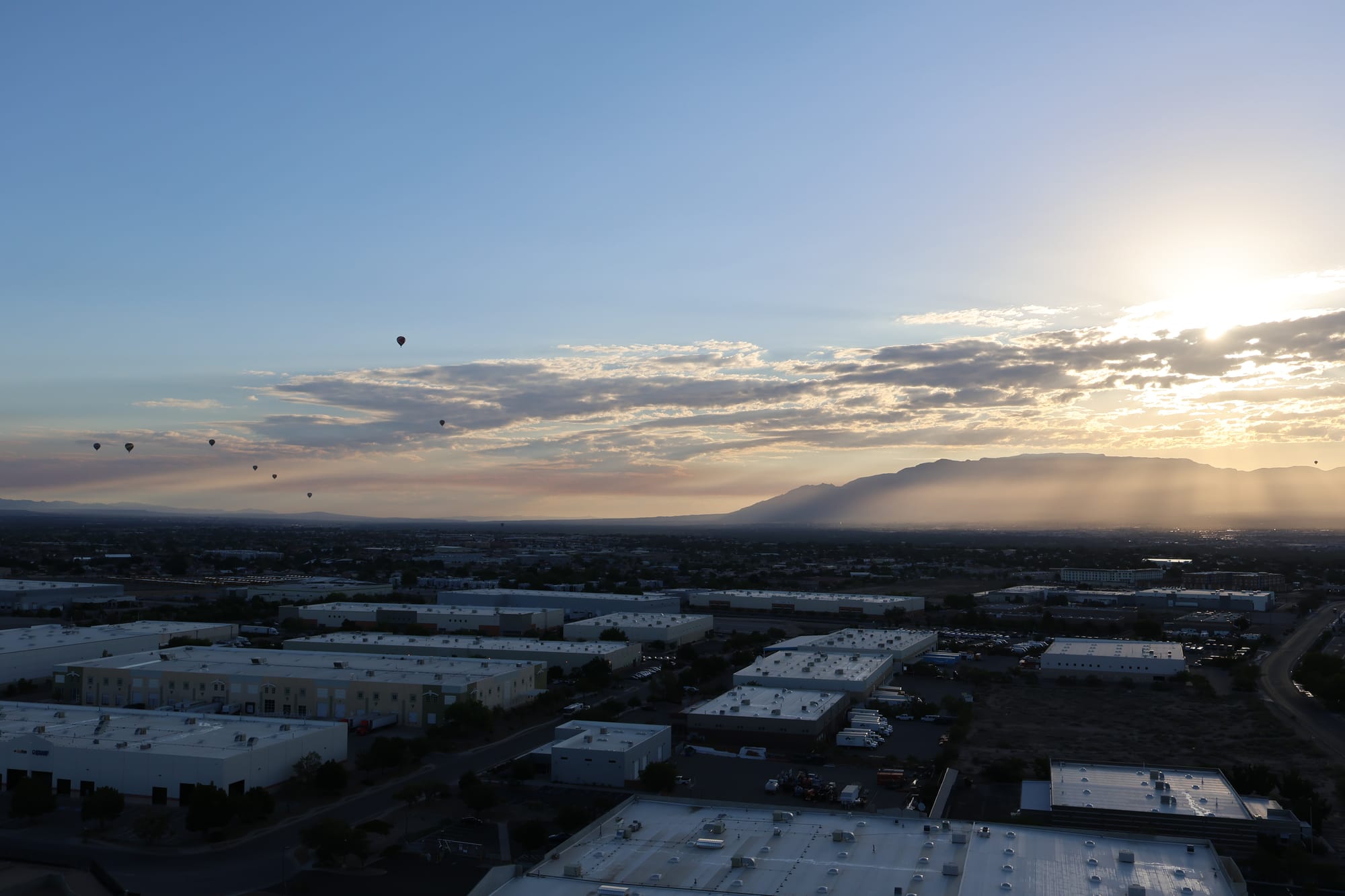
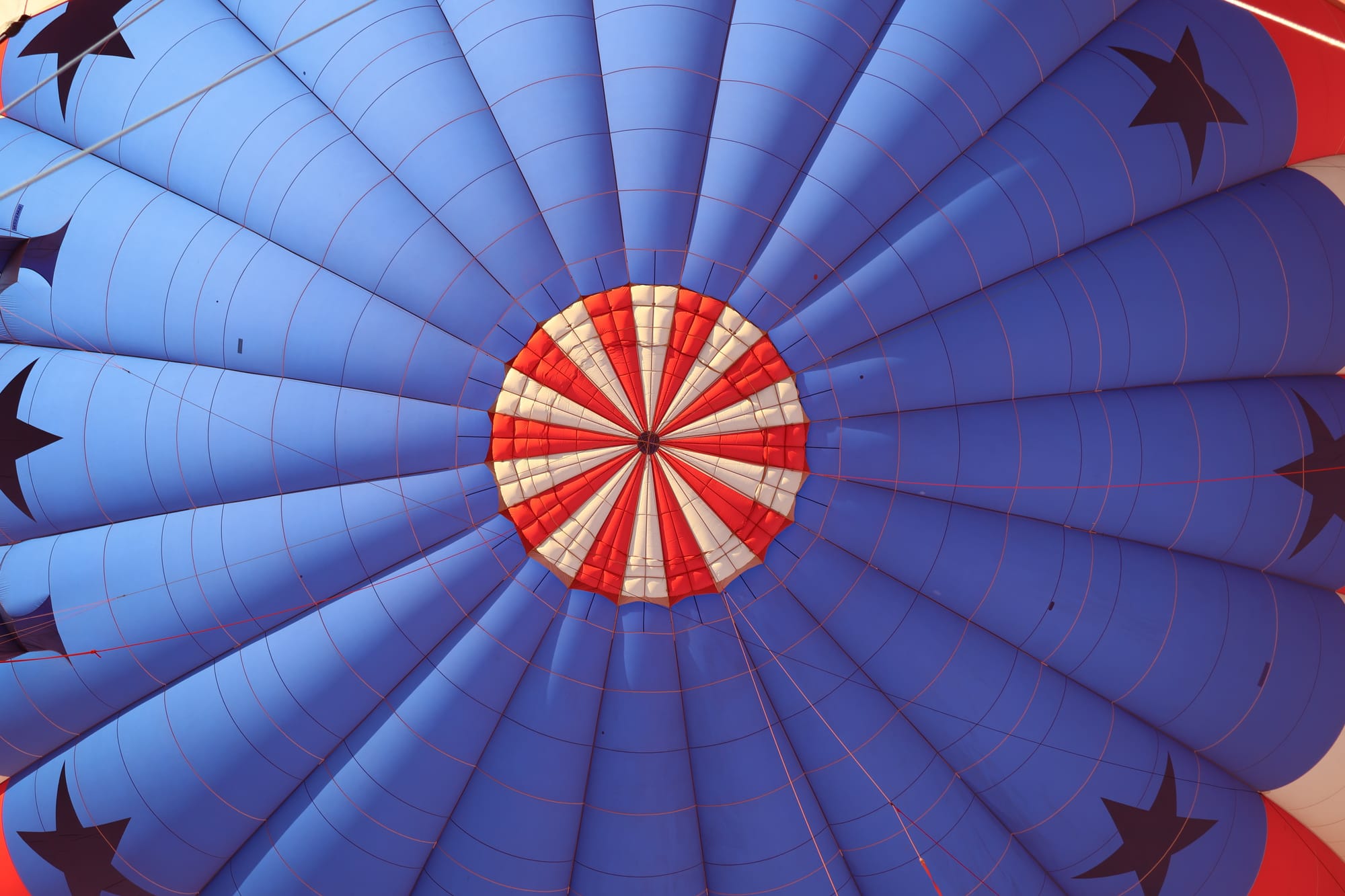
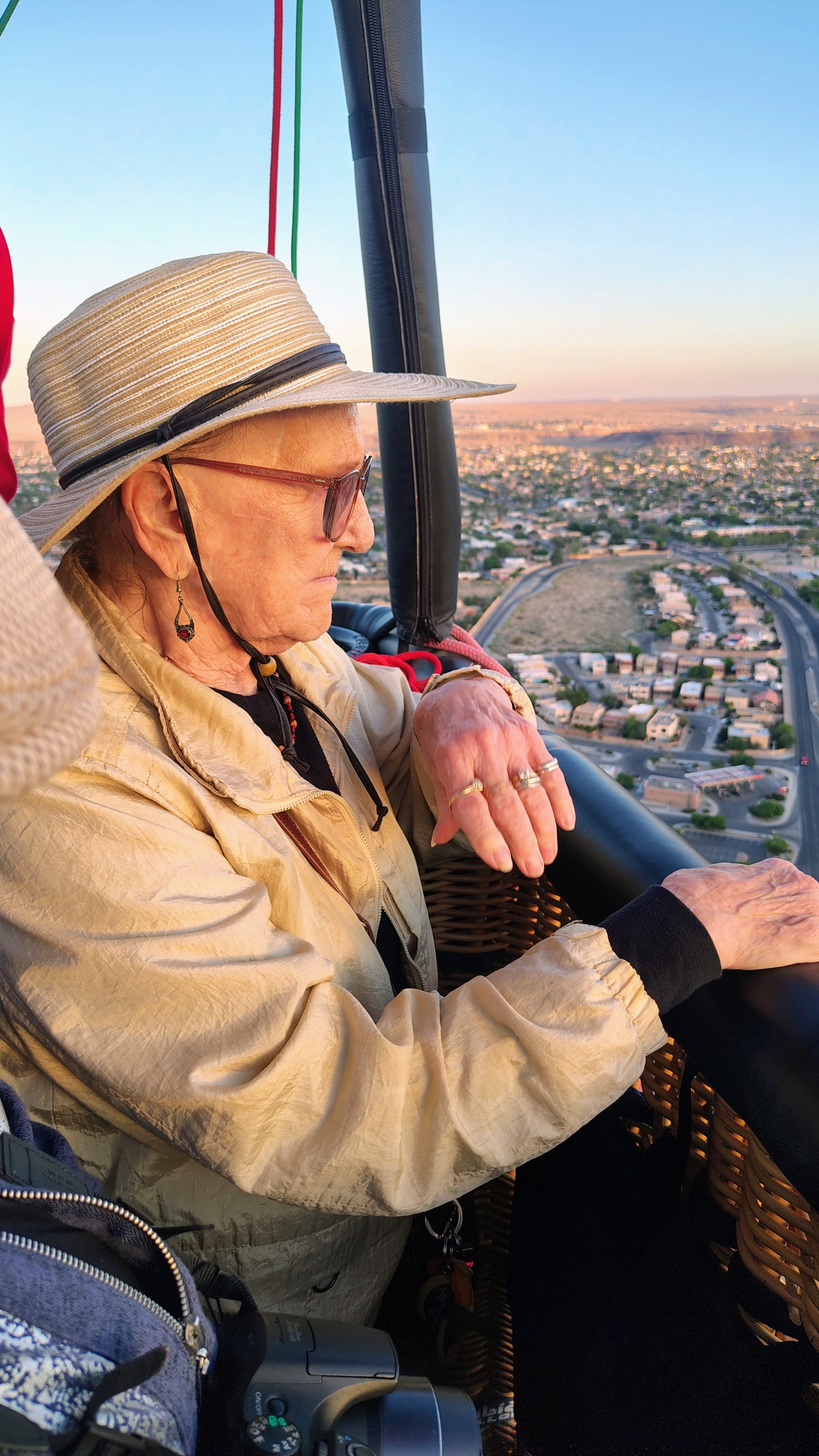
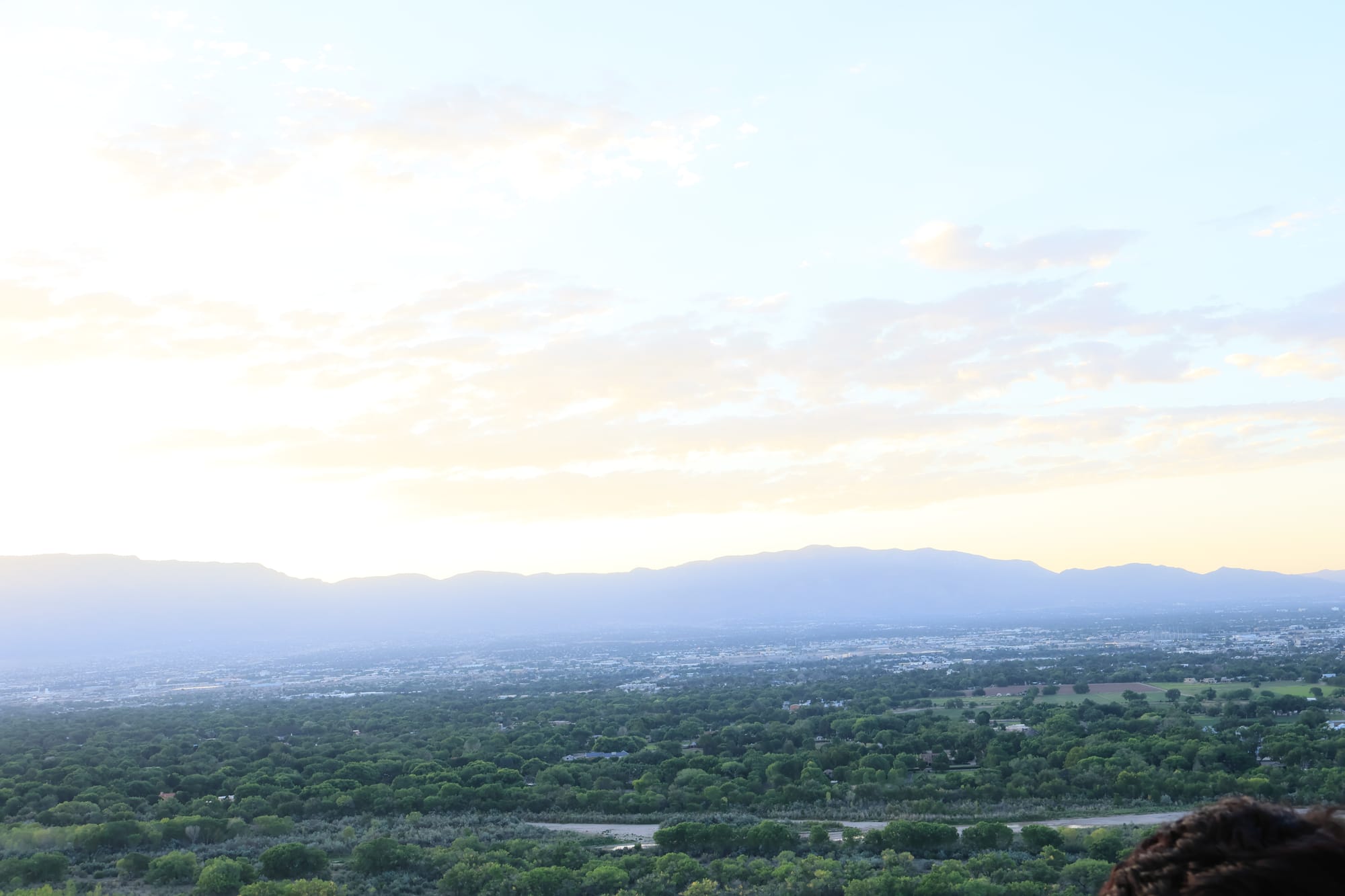
World Balloon has been operating for over 50 years, making it one of Albuquerque’s original balloon ride companies. Sunrise flights usually last 45 to 60 minutes, depending on the weather, and drift over the Rio Grande Valley with stunning views of the Sandia Mountains, the Bosque, and Albuquerque. After landing, guests enjoy a traditional champagne toast (or sparkling cider), light refreshments, and receive a commemorative flight certificate. The entire experience, from check-in to flight, chase, and celebration, typically takes 2½ to 3 hours.
Albuquerque International Balloon Fiesta
The 2026 Albuquerque International Balloon Fiesta was held October 3–11, 2026, in Albuquerque, New Mexico. It’s a 9-day event.
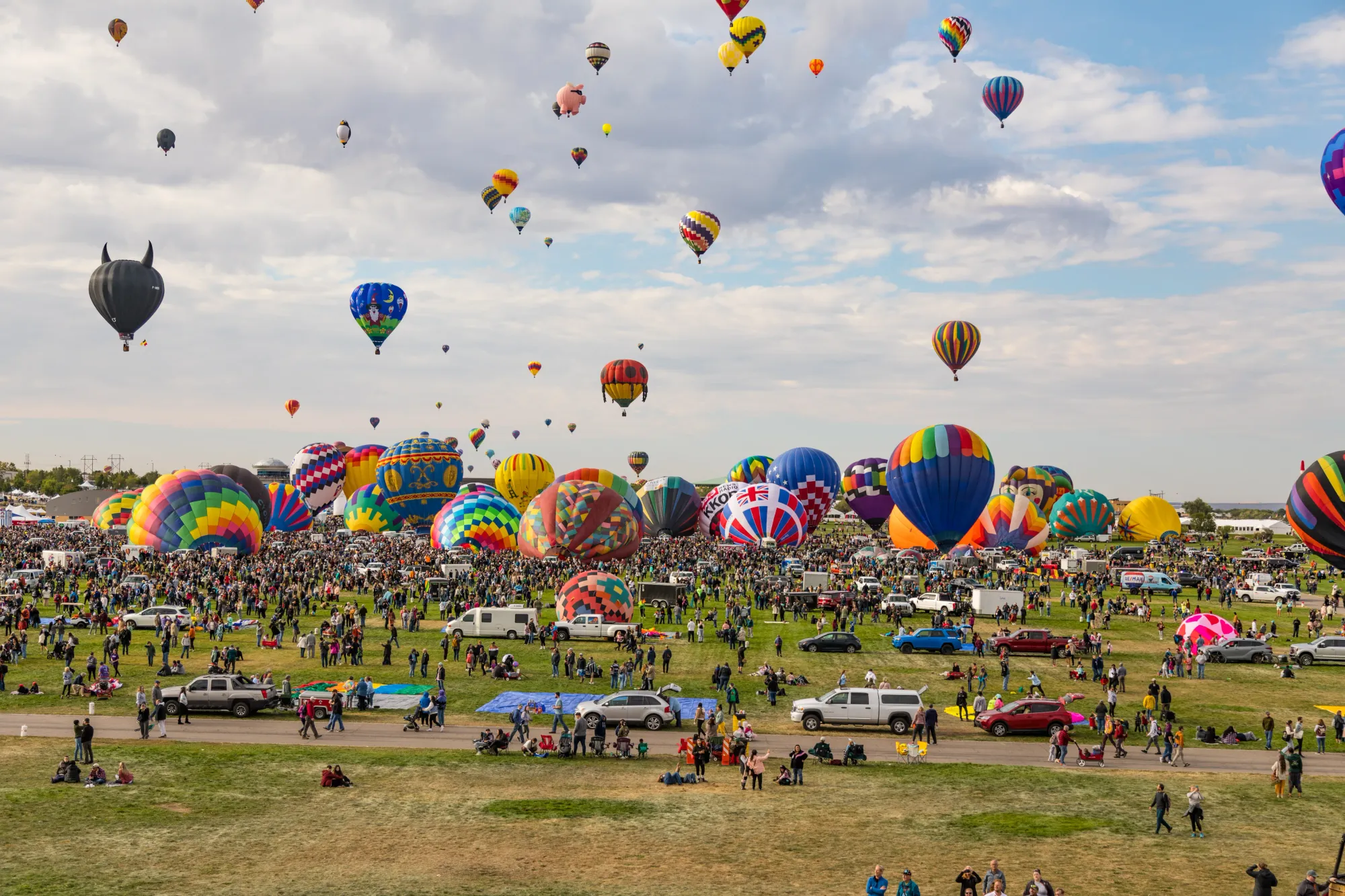
- Saturday, Oct. 3 – Sunday, Oct. 11, 2026
- Location: Balloon Fiesta Park
- Signature events include Dawn Patrol, mass ascensions, and evening Balloon Glows.
- Music Fiesta is scheduled for Saturday, October 10.
El Patron Mexican Restaurant
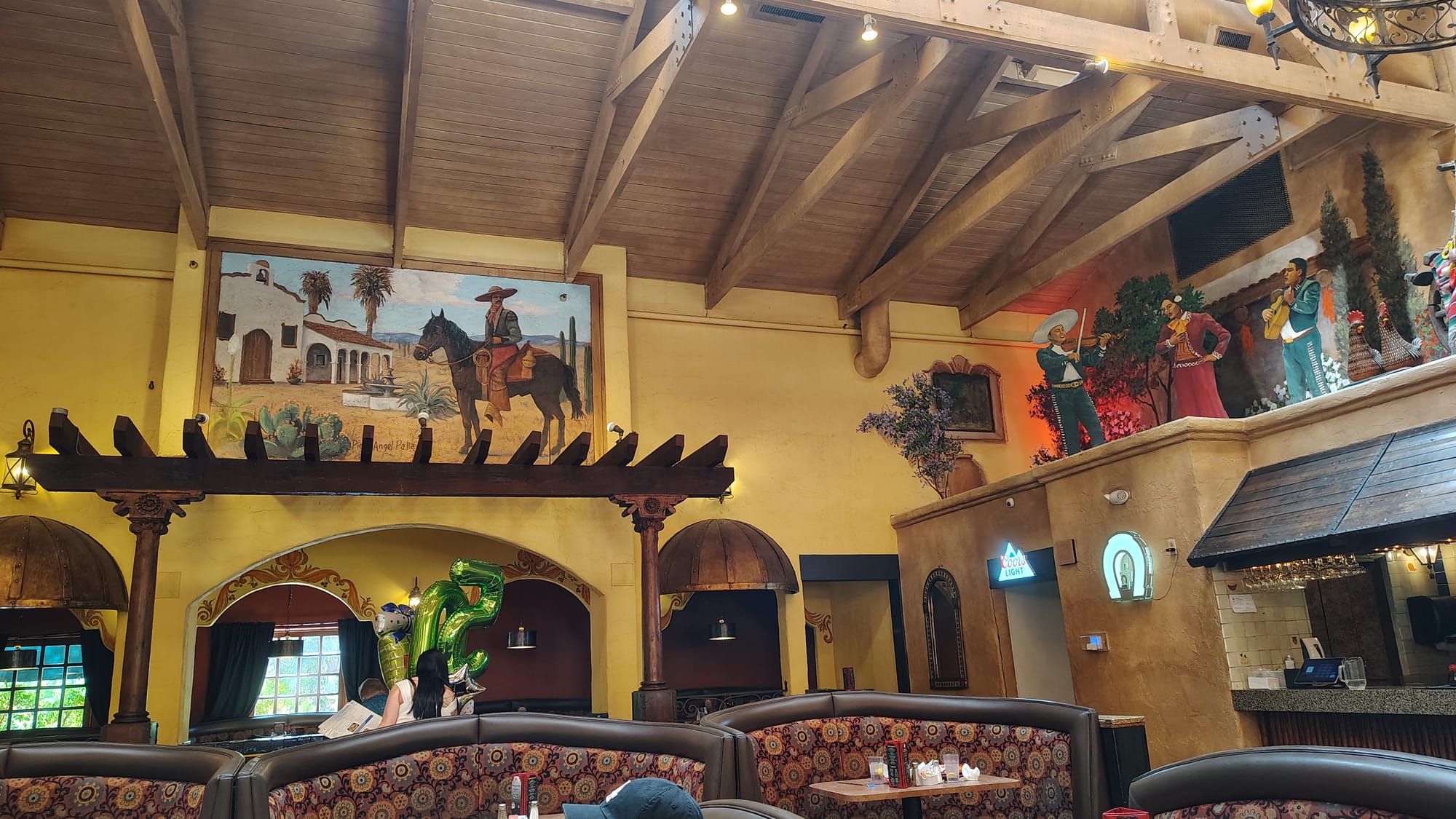
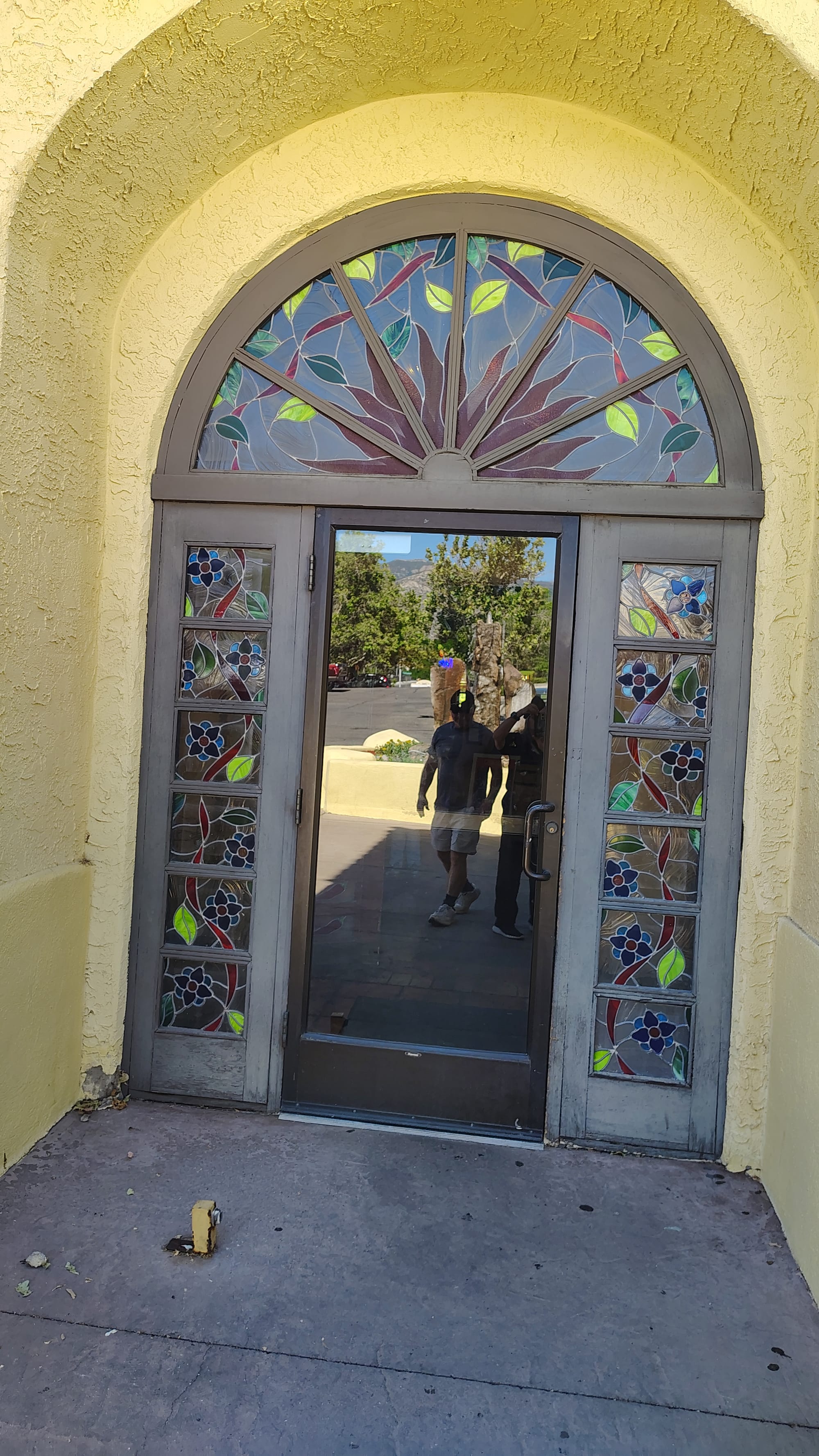
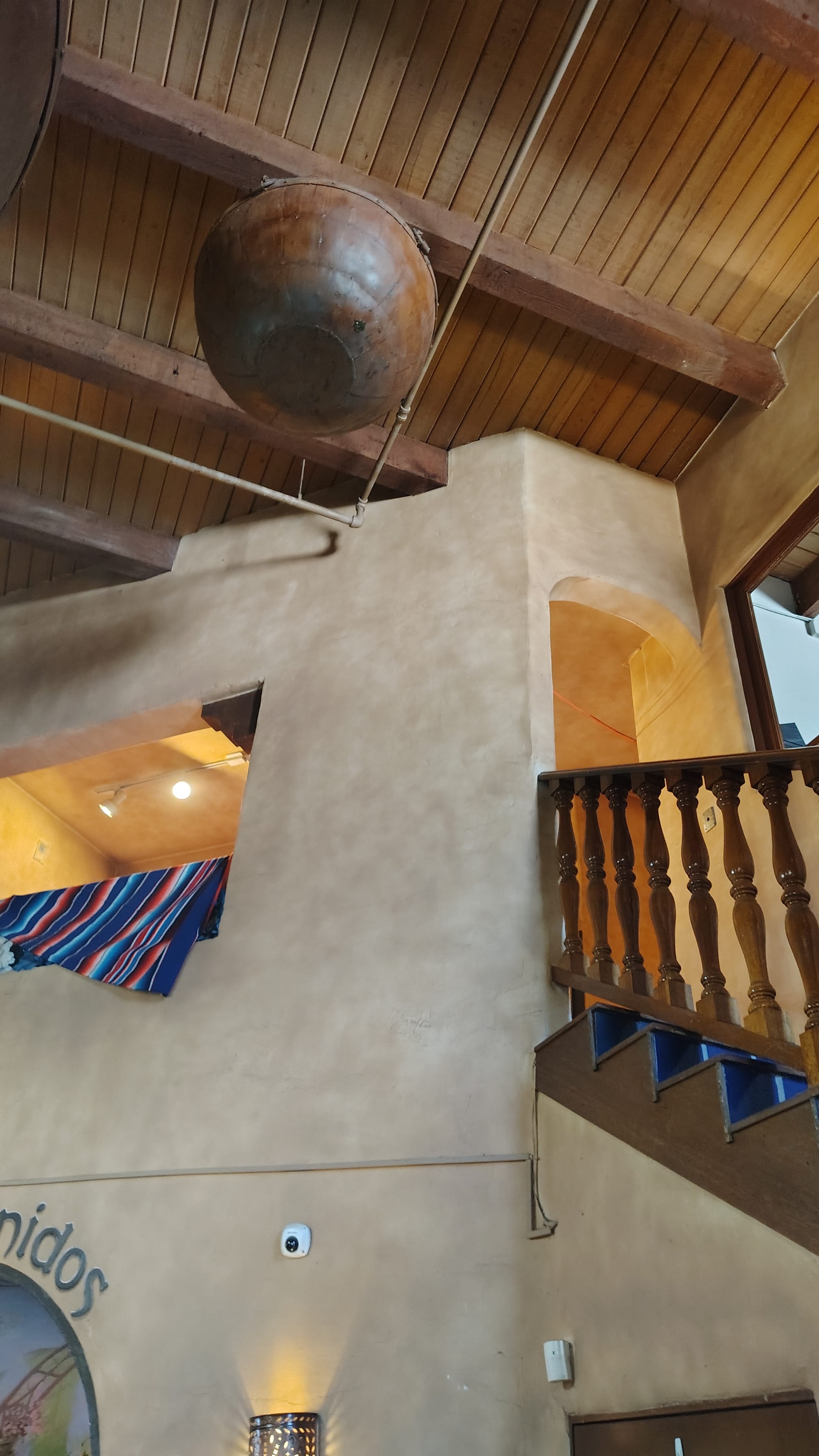
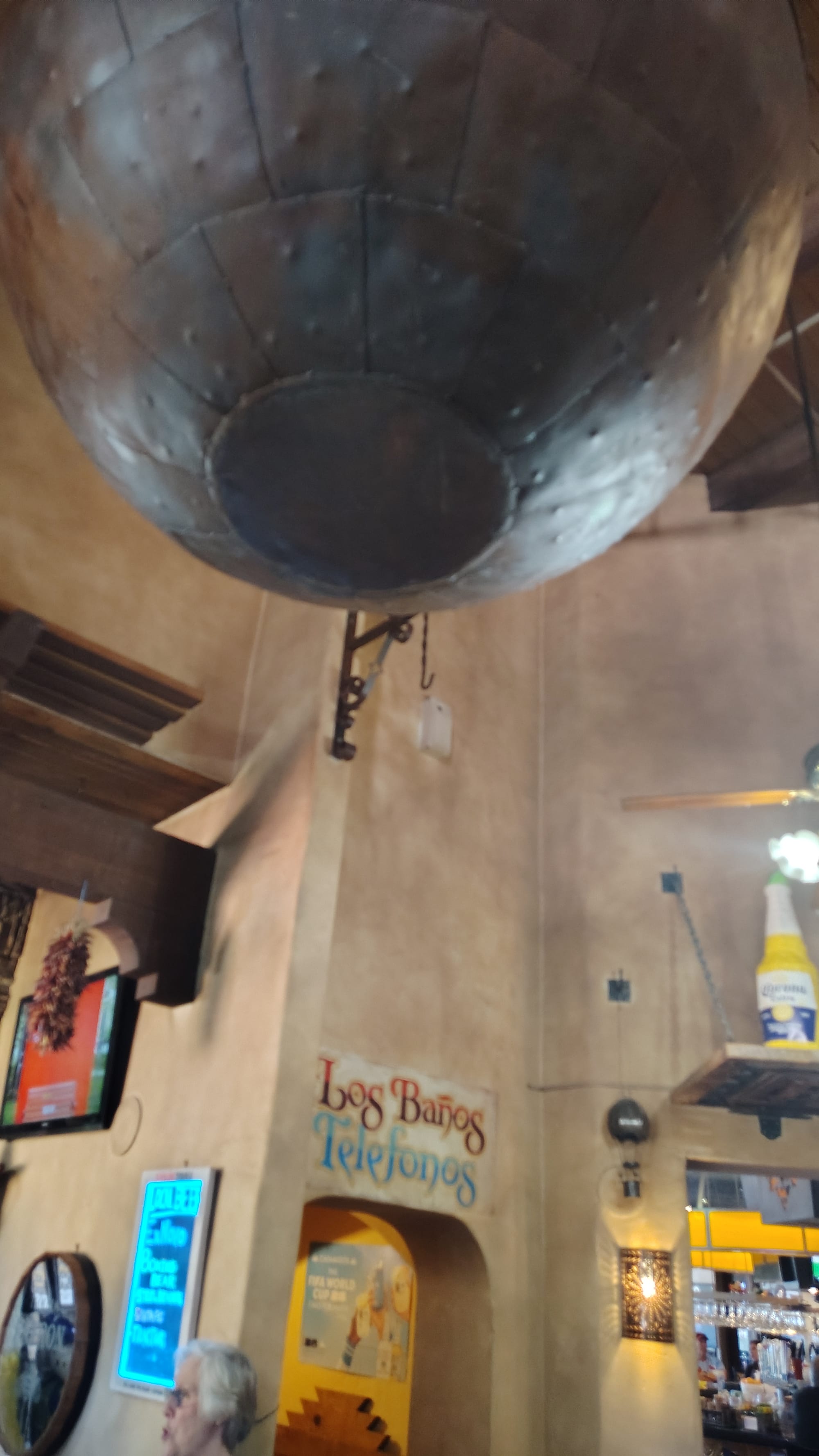
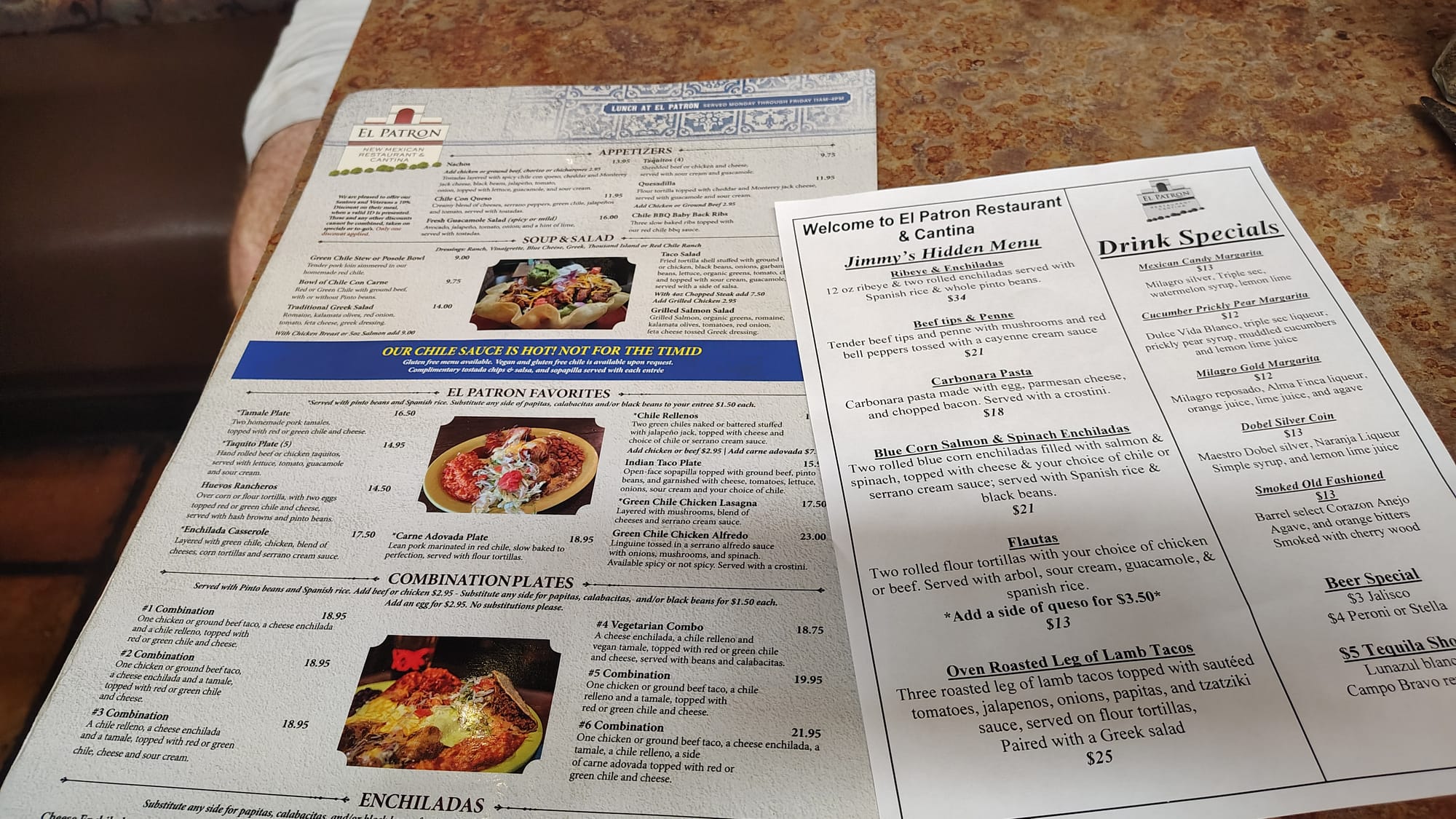
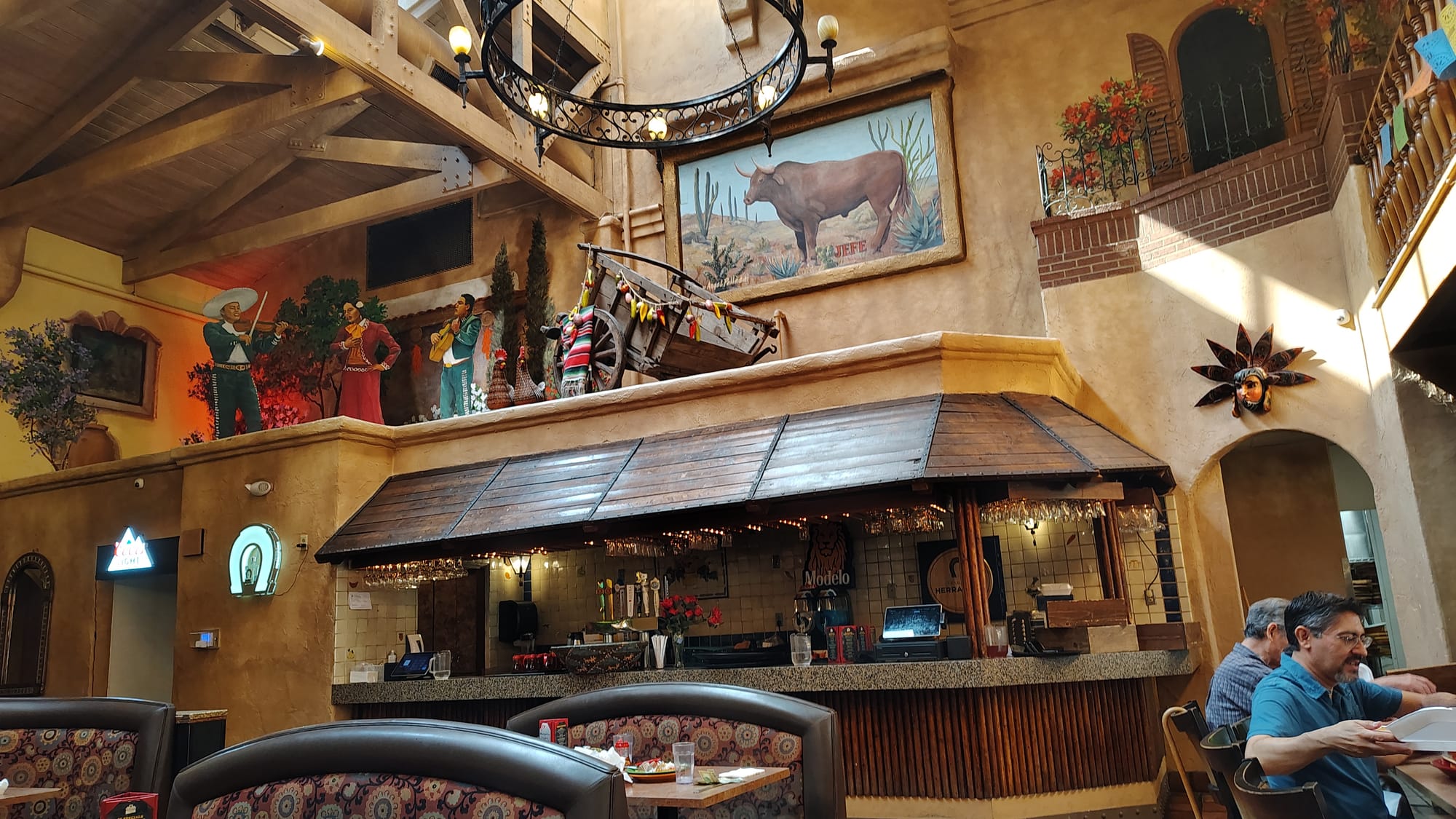
After dropping my mother-in-law off at the Albuquerque Airport, we decided to have a nice dinner.
Our friend highly recommended that we eat at an authenic mexican restaurant in Albuquerque. He suggested El Patron. It is a popular local choice.
Address: 10551 Montgomery Blvd. NE, Albuquerque, NM 8711
It is well known for New Mexican favorites such as enchiladas, carne adovada, chile rellenos, sopapillas, and dishes served with the region's famous red or green chile.
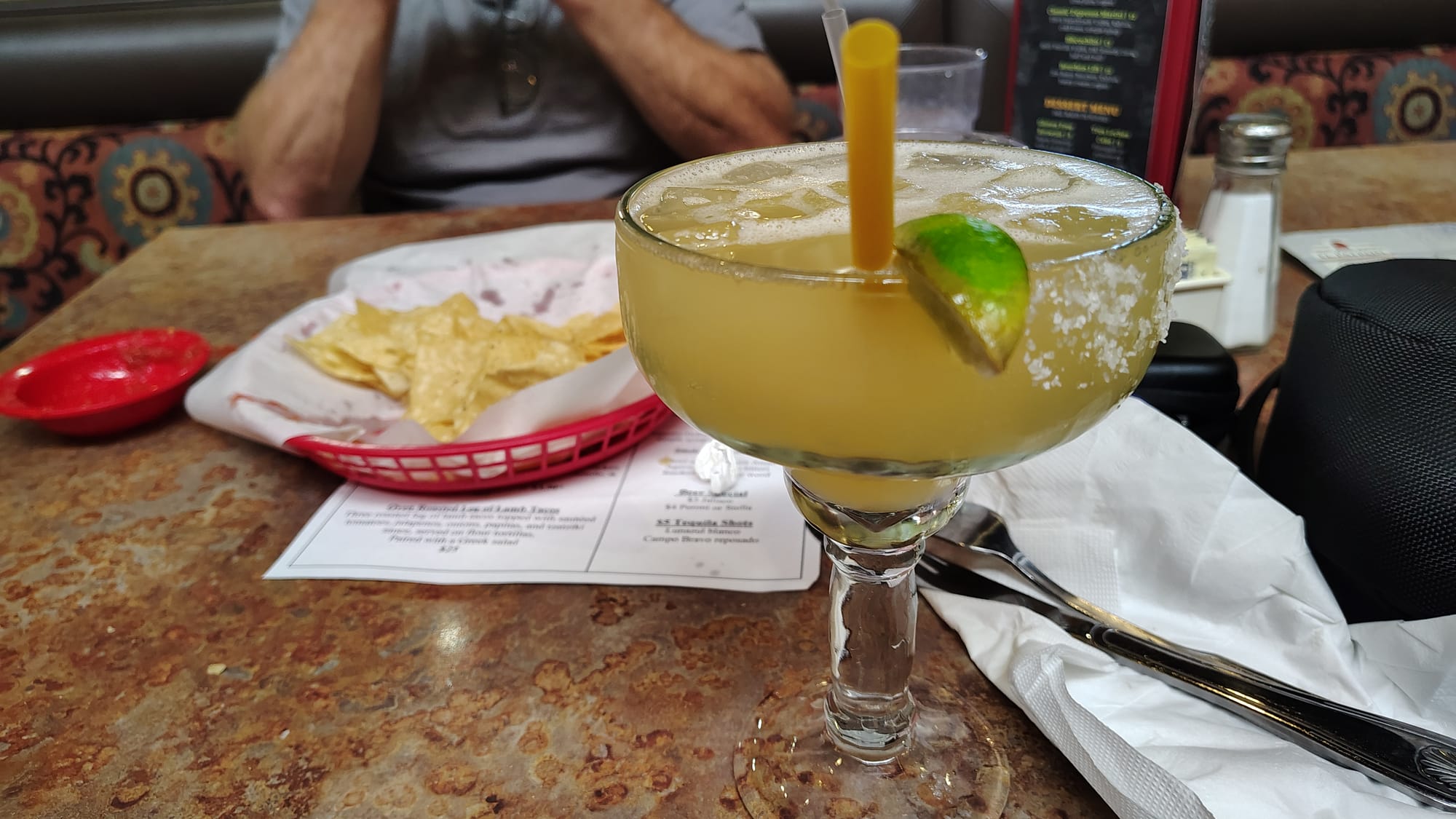
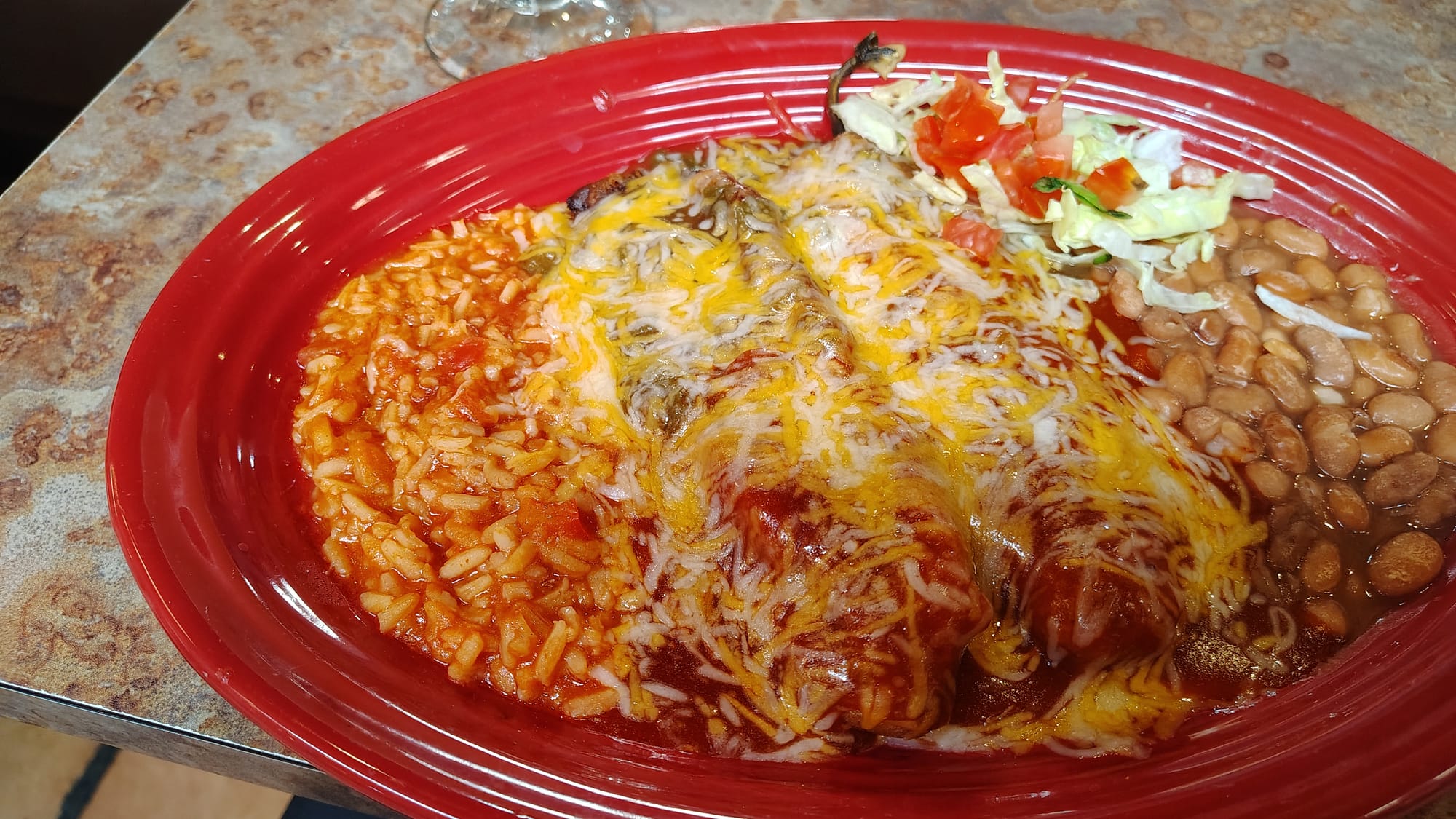
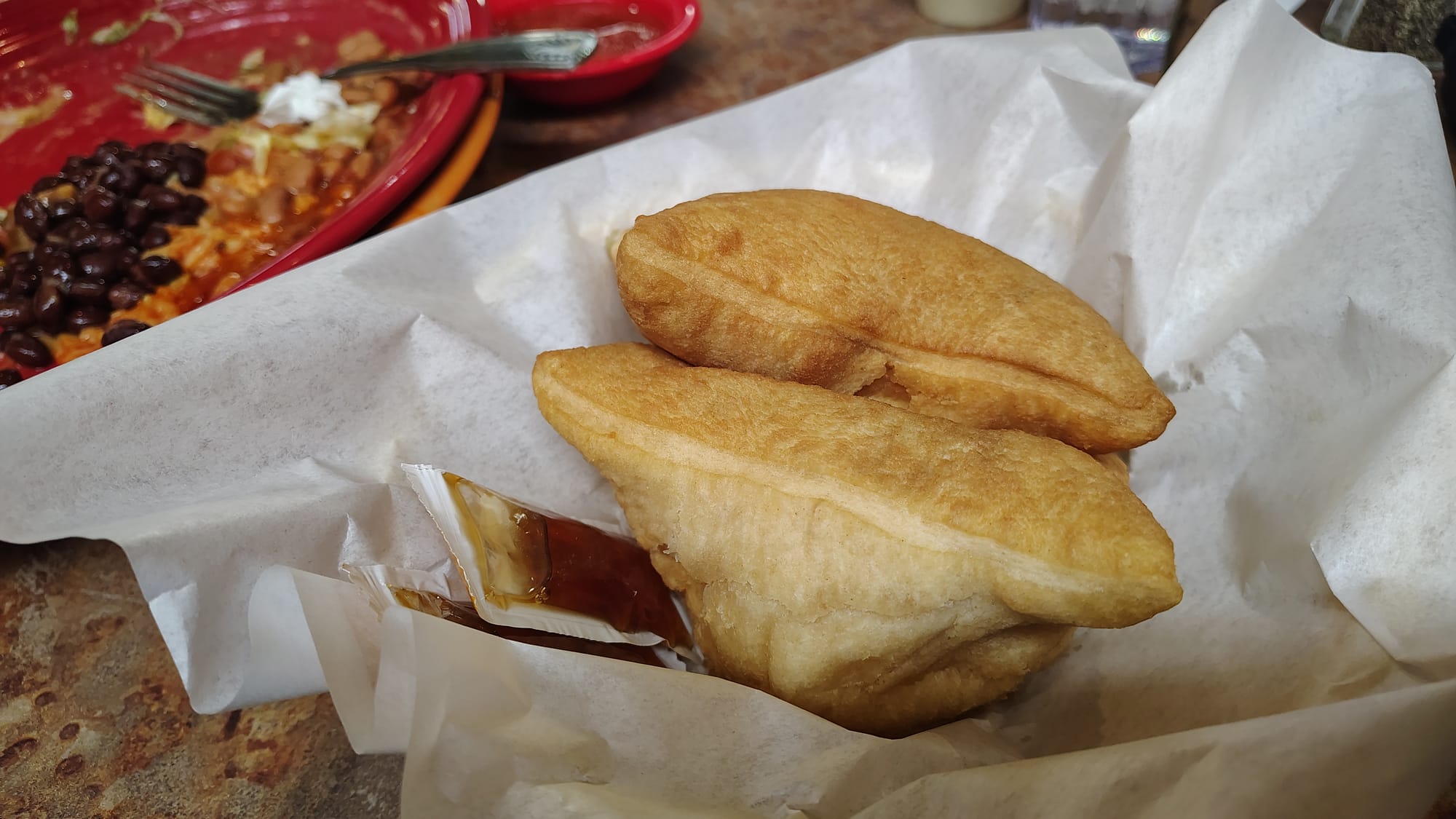
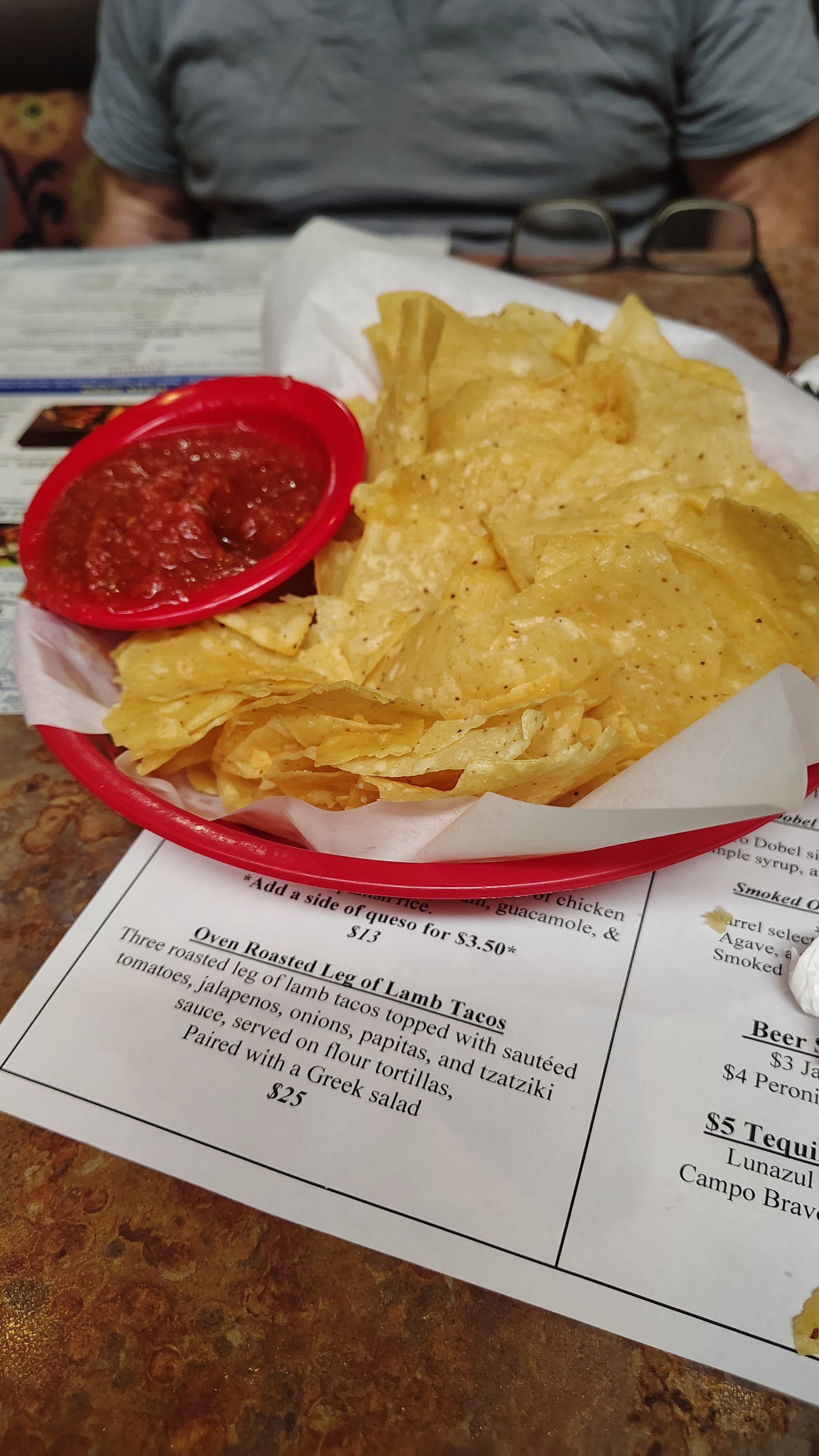
I ordered the signature margarita. It was great! Complimentary chips and salsa were fresh and delicious. We ordered different meals and both were outstanding. At the end of the meal we received complimentary sopapillas.
Conclusion
We really enjoyed our trip to Albuquerque. A friend of ours grew up in Albuquerque in the 1960's. It does sound like a totally different place from then to now. We enjoyed the authentic Mexican food. The balloon ride was quite an experience. We highly recommend that if you are traveling, you make a stop in Albuquerque.