Oak Openings Preserve Metro Park: Ohio's Rare Oak Savanna
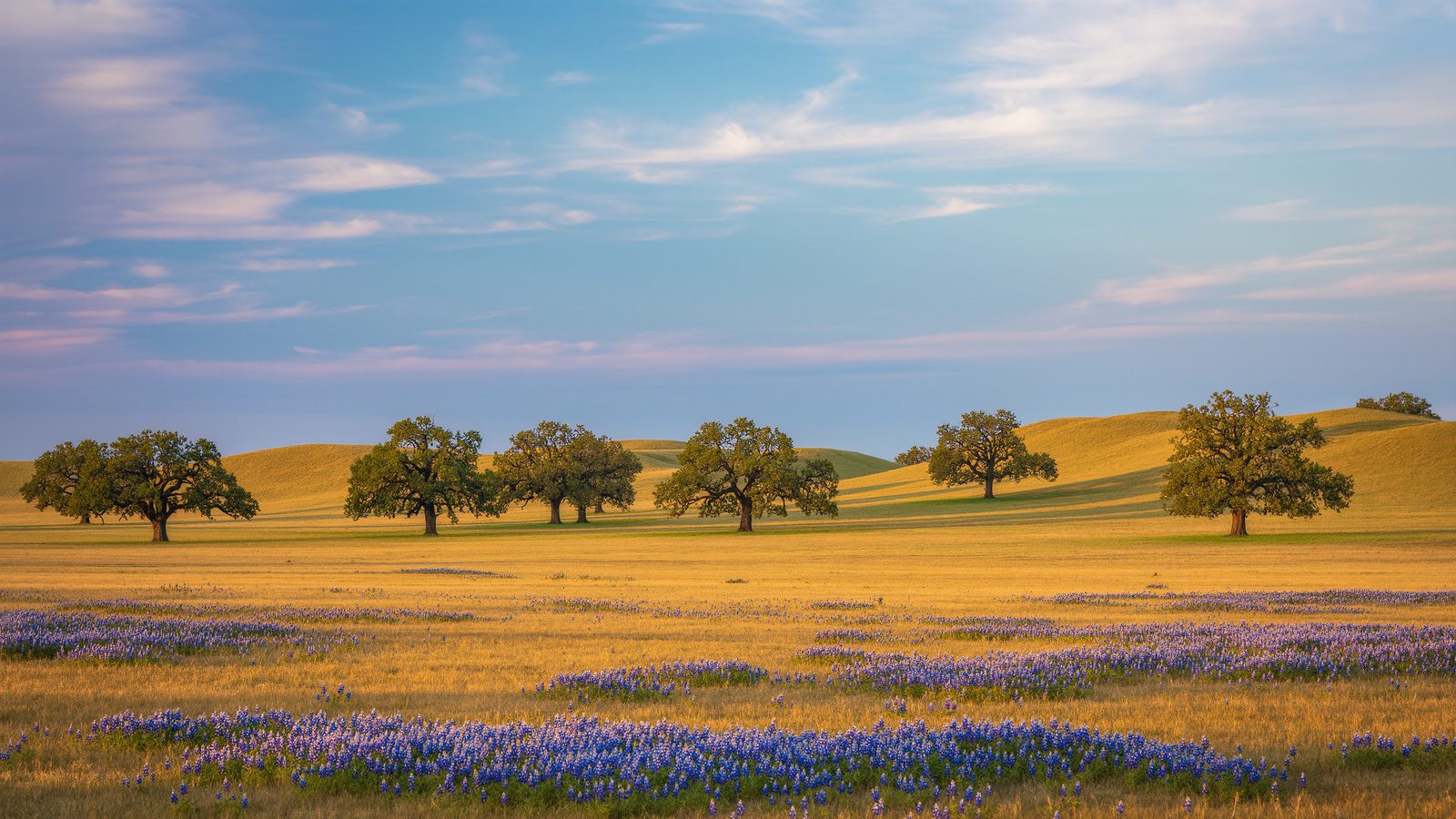
There is a stretch of Ohio, right on the edge of Toledo, where the ground turns to sand and the trees stop crowding each other. The oaks stand apart, spaced out like they are keeping their distance on purpose, and the sun pours straight down through the gaps onto open grass and low blue flowers. It does not look like Ohio. It looks like something that wandered in from the Great Plains and never left. The first time I walked into the heart of Oak Openings, I stopped and just looked around, because I could not place where I was.
That feeling is the whole point. Oak Openings Preserve is the largest Metropark in the Toledo system — Metroparks Toledo lists it at about 5,000 acres (as of September 2026; some secondary sources cite a smaller historic figure) — one of the rarest ecosystems on the continent. The Nature Conservancy once named this sandy region one of its 200 "Last Great Places on Earth." Roughly a third of Ohio's rare and endangered plant species grow here, and a lot of them grow nowhere else in the state. There are over fifty miles of trails threading through savanna, wetland, and pine, plus the best day-loop backpacking trip in Ohio. It sits about an hour west of the usual Toledo stops, near Swanton, and almost nobody from central Ohio ever makes the drive. They should.
Trail at a Glance — Oak Openings Preserve Metropark
- Distance: 50-plus miles of trails; the Scout Trail backpacking loop runs about 16 miles
- Difficulty: Easy to moderate — flat sandy footing, longer routes test your endurance more than your legs
- Best season: Late spring for wild lupine bloom; fall for color and cool sand
- Dogs: Leashed dogs welcome on trails
- Highlights: Oak savanna, sand dunes, prairie wildflowers, the Scout Trail, prickly-pear cactus
- Location: Near Swanton, Lucas County, Ohio, west of Toledo
Getting there and where to start
Visitor info (as of September 2026, Metroparks Toledo): Buehner Center / main area 5402 Wilkins Road, Whitehouse, OH 43571; park hours 7 a.m. until dark daily; ranger (419) 407-9718; programs/info (419) 407-9700. Confirm on the official Oak Openings Preserve page.
Oak Openings is about ten miles west of Toledo proper, off Route 2 and Wilkins Road near Swanton/Whitehouse. From Columbus it is a straight two-hour shot up I-75 and west, which makes it a real day trip rather than a quick stop. Admission is free. The park is open from 7 a.m. until dark every day, and the trails are almost never crowded once you get away from the picnic areas.
Start at the Buehner Center, the park's nature center. It is a good place to grab a trail map, get your bearings, and figure out which of the fifty-plus miles you actually want to walk, because the network here can be confusing if you just wing it. The trails run in color-blazed loops, and they overlap and cross often. Pick a color, note where you parked, and pay attention at the junctions. I have doubled back more than once out here because two loops share a stretch and then split without much warning.
The trails
The signature route, the one that put this park on the map for hikers, is the Scout Trail. It runs a roughly sixteen-mile loop marked with yellow blazes, and it is widely considered the premier day-loop backpacking trail in Ohio. You can hike it as one long day or split it across an overnight at the trail's backpack camp. It is not hard in the mountain sense — the terrain is flat and the sand is soft — but sixteen miles of loose footing works your legs in a way a packed dirt trail does not. Give yourself the whole day, carry more water than you think you need, and treat the sand like a slow, steady tax on your energy.
If sixteen miles is more than you came for, the shorter color loops give you the same landscape in bite-size pieces. The Sand Dunes area and the trails around the old lodge run you straight through the open savanna and over the low, grass-covered dunes that give the park its strange character. The Springbrook and Evergreen loops wind through wetter ground and pine plantings, cooler and greener than the open sand. A short walk in any direction from the Buehner Center will get you into the good stuff.
What makes walking here different from any other Ohio hike is the openness. In most of our parks the trail is a tunnel through thick woods. Here the canopy breaks apart, the sightlines run long across the grass, and you feel the sun and wind the whole time. Bring a hat. In summer there is real exposure out on the sand, and the same open sky that makes the place beautiful will cook you if you are careless.
What "oak openings" even means
The name is old and literal. When surveyors first crossed this ground two centuries ago, they found oaks growing in the open — spaced out with grass and wildflowers between them instead of the dense, shoulder-to-shoulder forest that covered the rest of Ohio. They called it "oak openings," and the name stuck.
The reason for it is buried under your boots. Thousands of years ago, this was the beach of a giant glacial lake, an ancestor of Lake Erie called Lake Warren. When the water dropped, it left behind a broad belt of sand. Sand drains fast and holds little, so the ground here is dry and poor and often on fire historically, and only certain tough, specialized plants can handle it. That combination — sandy soil, periodic fire, open sun — produced the oak savanna: scattered fire-resistant oaks over a carpet of prairie grasses and flowers you would expect in Kansas, not northwest Ohio.
It is one of the rarest ecosystems in the world, and this is one of the largest and best-protected pieces of it left anywhere. That is why a third of Ohio's rare plants cling to this one sandy corner. Modern land managers even bring the fire back on purpose, running controlled burns to keep the brush from swallowing the savanna, because without fire the openings slowly close and the whole system unravels.
The plants and animals you will not see anywhere else
This is a place to walk slowly and look down as much as up. In late spring the sand blooms with wild lupine, low spikes of blue-purple flower that carpet the openings and are worth timing a trip around. Lupine matters for more than looks — it is the only plant the caterpillars of the Karner blue butterfly can eat, and Oak Openings has been at the center of efforts to bring that tiny endangered butterfly back to Ohio.
Then there is the cactus. Ohio has a native cactus, the eastern prickly pear, and it grows out here on the dry dunes, throwing up waxy yellow blooms in early summer. The first time somebody points one out to you, you will not believe it is wild in Ohio. Sand cherry, lupine, and a long list of prairie oddballs fill out a plant community you simply cannot find in the metro parks back home.
The birds are a draw too. The mix of open savanna and rare habitat pulls in species that are hard to find elsewhere in the state — lark sparrows, a range of warblers on migration, and specialists that need this exact open, sandy ground. Birders drive here from all over the region during migration. Even if you cannot tell a warbler from a wren, the open country makes for easy watching. You can actually see the birds instead of hearing them somewhere up in a wall of leaves.
A landscape worth protecting
The whole region is usually called the Oak Openings, capital letters, and it stretches beyond the preserve itself into a patchwork of parks, nature areas, and remnant savanna across the western Toledo suburbs. Conservation groups have spent decades stitching those pieces together, because a scattered ecosystem needs room to function. The preserve is the anchor — the biggest, wildest, most complete chunk of it — and it is managed hard: prescribed burns, invasive-species control, careful trail placement, all aimed at keeping this improbable slice of prairie alive on the edge of a city.
I find that story as compelling as the scenery. Most of what makes a landscape rare is dumb geologic luck — an old lakebed, the right sand, the right fire history. Keeping it rare, though, takes deliberate work, year after year, by people who decided this odd sandy place was worth the trouble. You are walking through the result of that decision.
How I would spend a day here
Here is the plan I would hand a first-timer. Start at the Buehner Center in the morning, grab a map, and ask the staff what is blooming — the answer changes the whole trip depending on the season. If it is May or June, point yourself at the open savanna while the lupine is up and the light is still soft.
Walk one of the shorter color loops through the dunes and openings first, unhurried, looking for cactus and lupine and whatever birds the season brings. Eat lunch somewhere out in the open with the long sightlines. If you have the legs and the daylight and you came prepared, take on a bigger chunk of the Scout Trail in the afternoon — even a five- or six-mile out-and-back piece of it gives you the full sweep of the place. If you would rather keep it mellow, spend the afternoon poking through the wetter Springbrook and Evergreen sections for shade and a different set of plants.
That is a full, varied day, and you will have seen a landscape that does not exist anywhere else in Ohio.
Make a Toledo trip of it
One of the quiet advantages of Oak Openings is that it anchors a whole cluster of good northwest Ohio hiking. If you are driving up from central or southern Ohio, it is worth turning the day into a weekend and hitting a few of the other Toledo-area parks while you are up there. Side Cut Metro Park down on the Maumee River gives you towpath history and spring walleye-run crowds, and Maumee Bay State Park out on Lake Erie trades the sand dunes for boardwalks over marsh and open water. The two landscapes could not be more different, and Oak Openings sits right between them.
That contrast is the fun of it. In a single weekend up here you can walk a prairie savanna on old glacial sand, a big-river towpath, and a Lake Erie shoreline marsh, all within a short drive of each other. Few corners of Ohio pack that much variety into one trip, and almost nobody thinks of Toledo as a hiking destination until they actually come and do it.
Tips and seasonal notes
- Time it for lupine. Late May into June is peak bloom for the wild lupine, and the open savanna in full color is the best version of this park. Fall is a close second for cooler sand and turning oaks.
- Carry more water than usual. The open savanna means real sun exposure and no creek to dip into. A hat and sunscreen are not optional out on the dunes in summer.
- Respect the sand. Loose sand is easy walking but slow, and it drains your energy on the long loops. Plan your mileage a notch shorter than you would on packed dirt.
- Watch the junctions. With fifty-plus miles of overlapping color loops, it is easy to wander onto the wrong blaze. Note your car, pick your color, and check the map at crossings.
- Leave the plants alone. Many of the wildflowers here are rare or protected. Photograph the lupine and the cactus, admire the prickly pear from a respectful distance, and take nothing but pictures.
Why it is worth the drive
Ohio has plenty of green tunnels and gorge waterfalls, and I love them. What Oak Openings has is something none of the rest can offer: openness. Blue lupine and native cactus on old glacial sand, oaks standing apart under a wide sky, birds you cannot find anywhere else in the state, and a sixteen-mile trail that feels more like the West than the Midwest. It is a two-hour drive from Columbus and a world away from every other hike in this blog.
I have taken people out here who spent the first ten minutes insisting it did not look like Ohio, and by the end of the day they were the ones spotting the cactus and calling me over to look. That is the Oak Openings effect. Pack water, wear a hat, time it for the lupine if you can, and go see the part of Ohio that looks like somewhere else entirely.
🥾
Nearby trails to explore
- Side Cut Metro Park: Maumee River towpath history near Toledo
- Maumee Bay State Park: Lake Erie beach and marsh boardwalks
- Toledo Botanical Gardens Metropark: gardens and art in the city
- Best Hikes Near Cleveland, Ohio: trails and day trips up north
- Ohio Waterfall Hikes: seven best trails to chase cascades
More in
Gorge Metro Park: A Cuyahoga River Gorge Near Akron
Gorge Metro Park between Akron and Cuyahoga Falls: a Cuyahoga River gorge with sandstone ledges, Mary Campbell Cave, huge boulders, and a dam now being removed.