Slate Run Metro Park and Living Historical Farm
Trail FactsSlate Run Metro Park4 miDistanceEasyDifficulty150 ftElevation2 hrsDurationLoopTypeYear RoundDog-friendlyKid-friendlyWildlife
Slate Run Metro Park in Pickaway County, Ohio, spans 1,705 acres (as of September 2026, Metro Parks) and gives visitors a chance to experience 19th-century rural life at the Slate Run Living Historical Farm. The park features a mix of landscapes, including forests, wetlands, grasslands, meadows, ravines, bluffs, and Slate Run Creek.
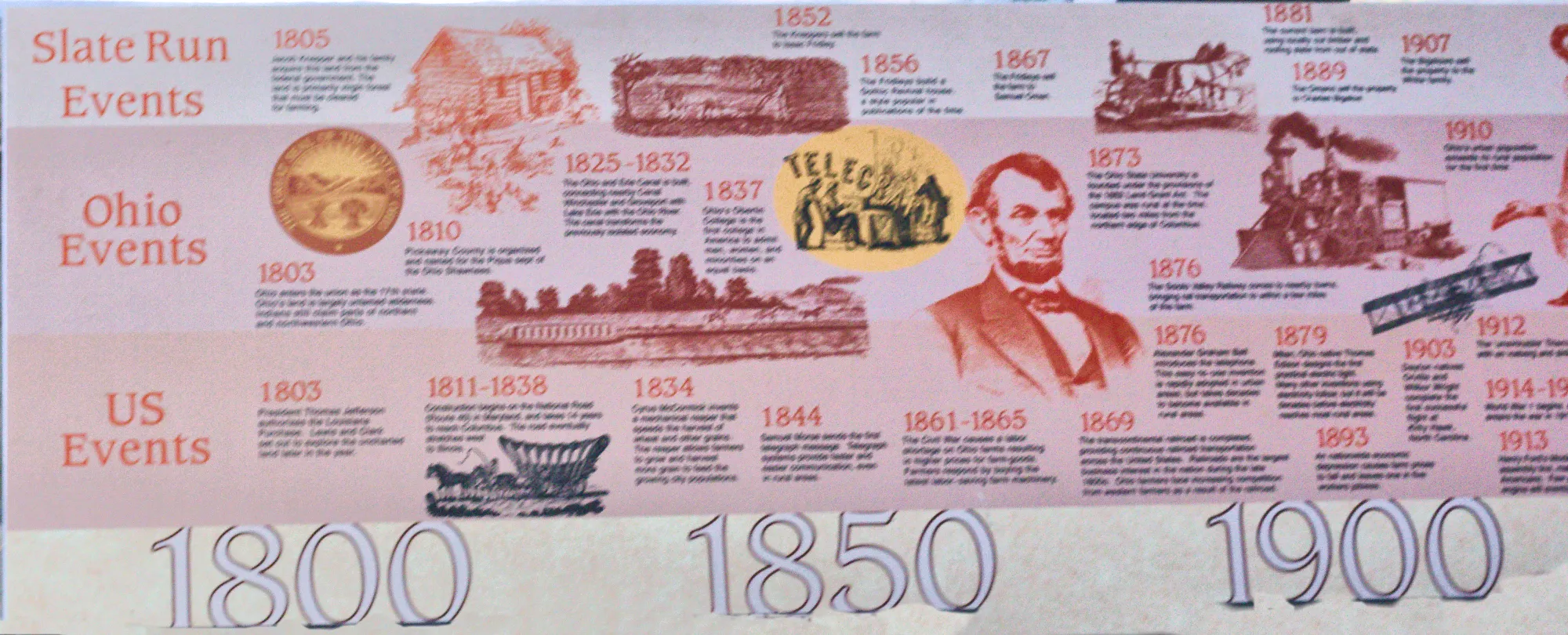
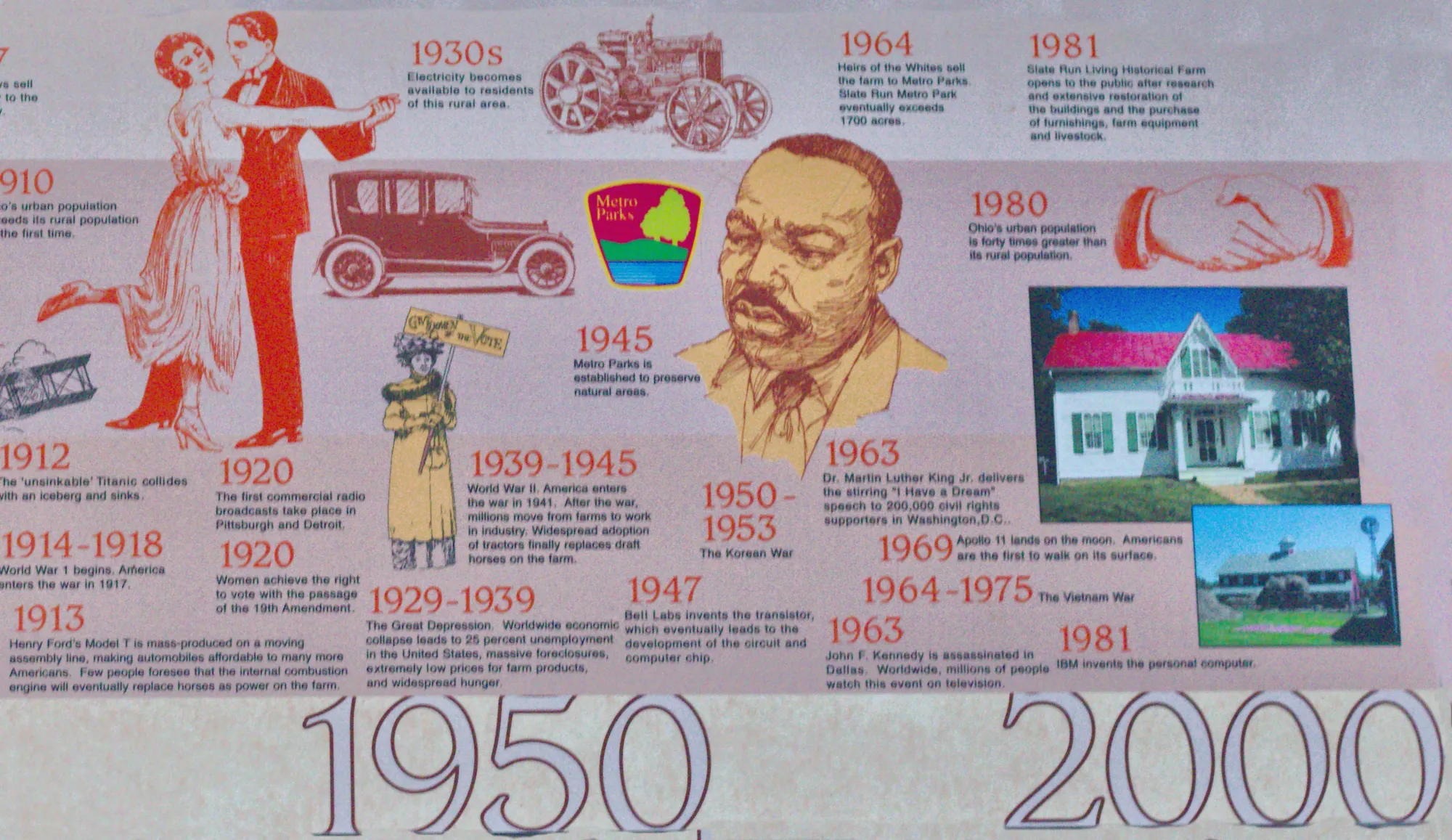
The park's origins trace back to 1963, when the Columbus & Franklin County Metro Parks identified the Slate Run area as a potential site for a large metropolitan park. Between 1964 and 1968, they acquired about 1,662 acres of land, much of which was former farmland. The goal was to preserve the area's natural beauty and provide educational opportunities.
The name “Slate Run” originates from one of the two streams flowing through the ridge in the area. Slate Run Creek carves dramatic ravines into the ridge. Early settlers mistook the dark rock along the creek for slate, but geologically, it’s shale, formed from ancient sediment about 350 million years ago.
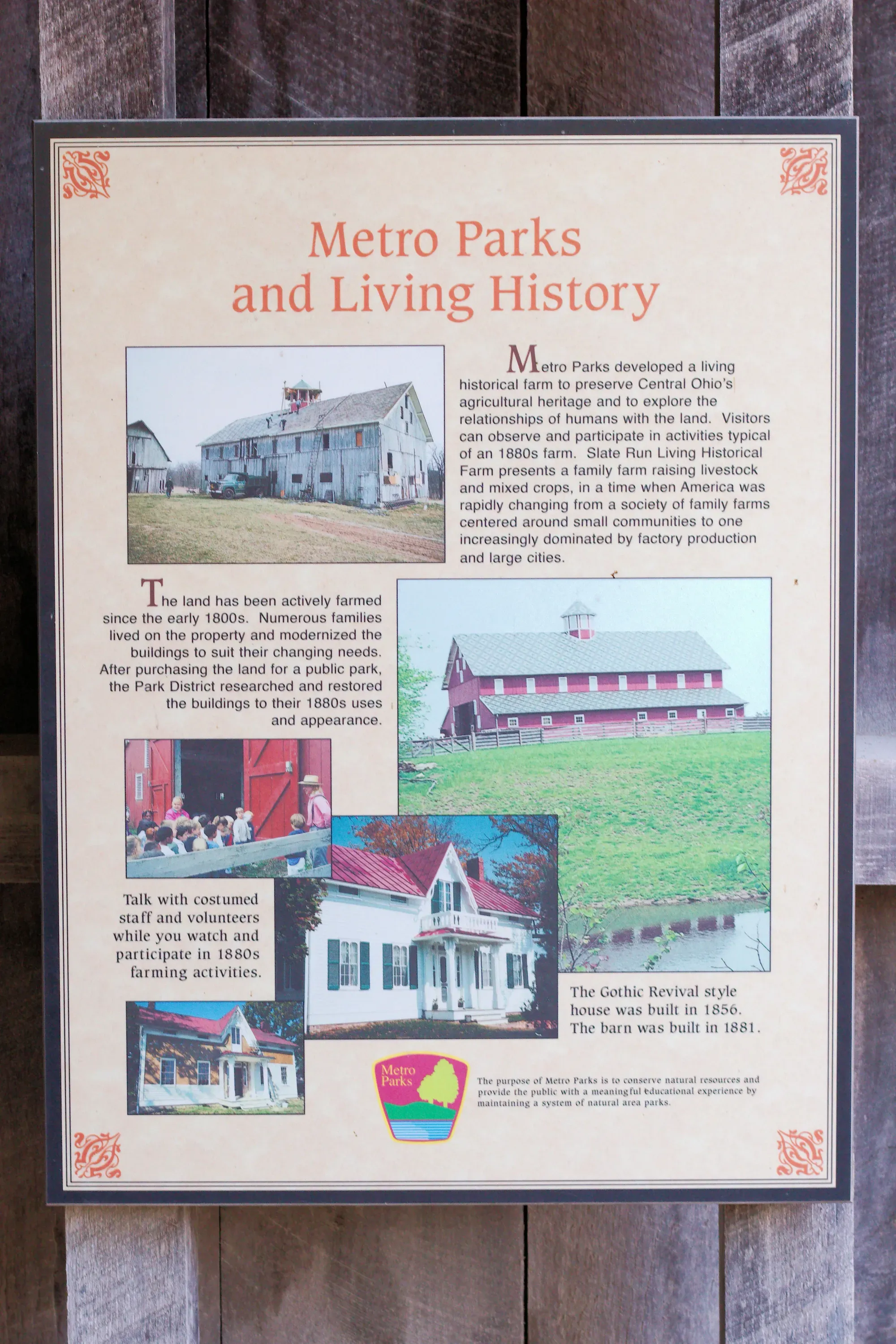
Slate Run Metro Park, which opened in 1981, features the Living Historical Farm.
In 1971, Camp Starview, a primitive day camp, was established on the land later developed into the park.
Buzzard’s Roost Lake, a 14-acre lake with a picnic area and shelter, was constructed in 1993 and opened in 1994.
Starting in 1999, a 156-acre wetland area was restored in partnership with state and federal conservation agencies, leading to the addition of trails, observation decks, and boardwalks.
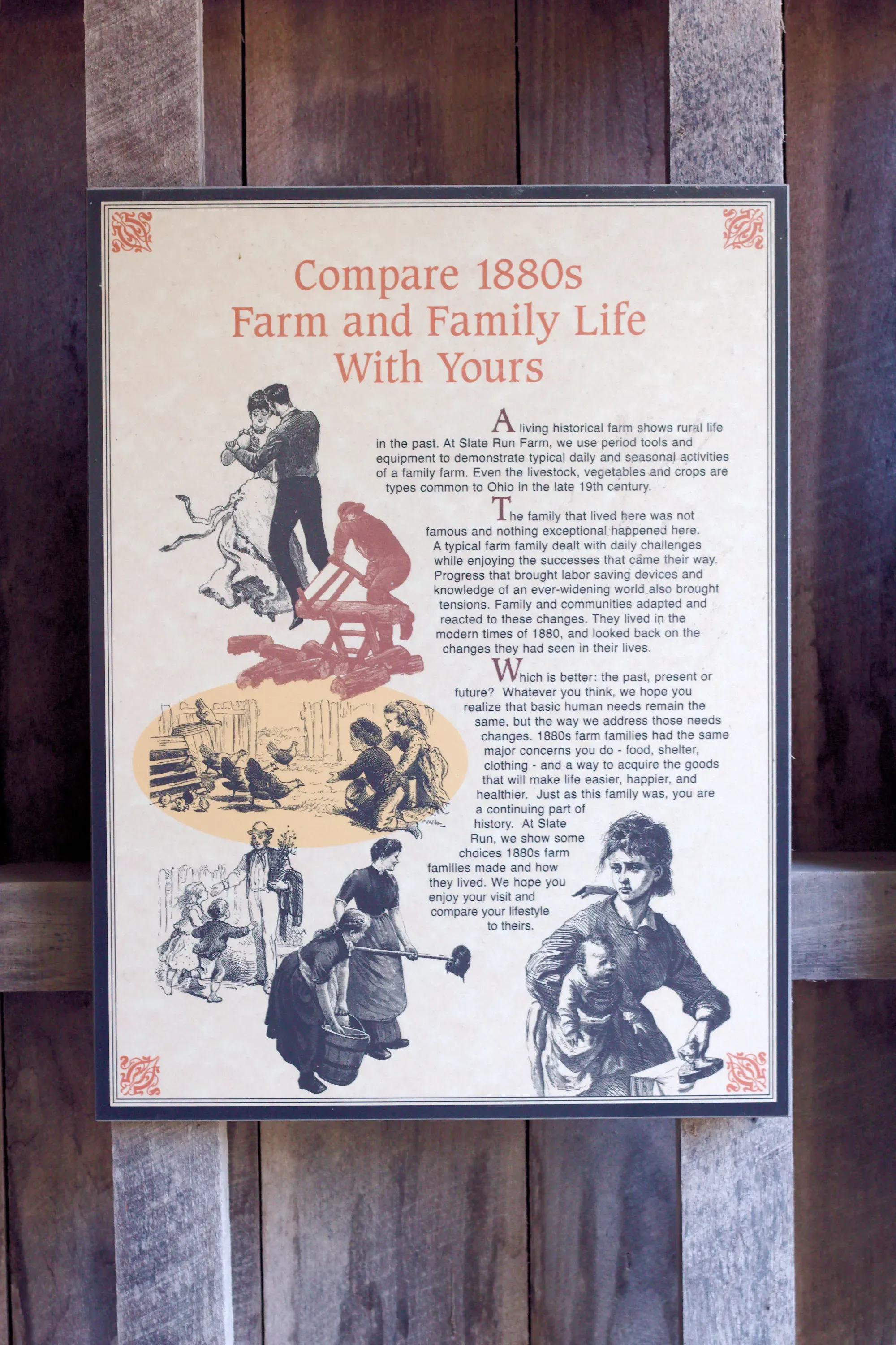
Among the acquired land, a notable 212-acre parcel purchased from the White family had been continuously farmed since 1805 and included buildings suitable for a living-historical farm. In the 1960s, Metro Parks allowed the previous owners to continue farming under lease agreements until plans were finalized, making the White family the last private owners of the site's historically agricultural core.
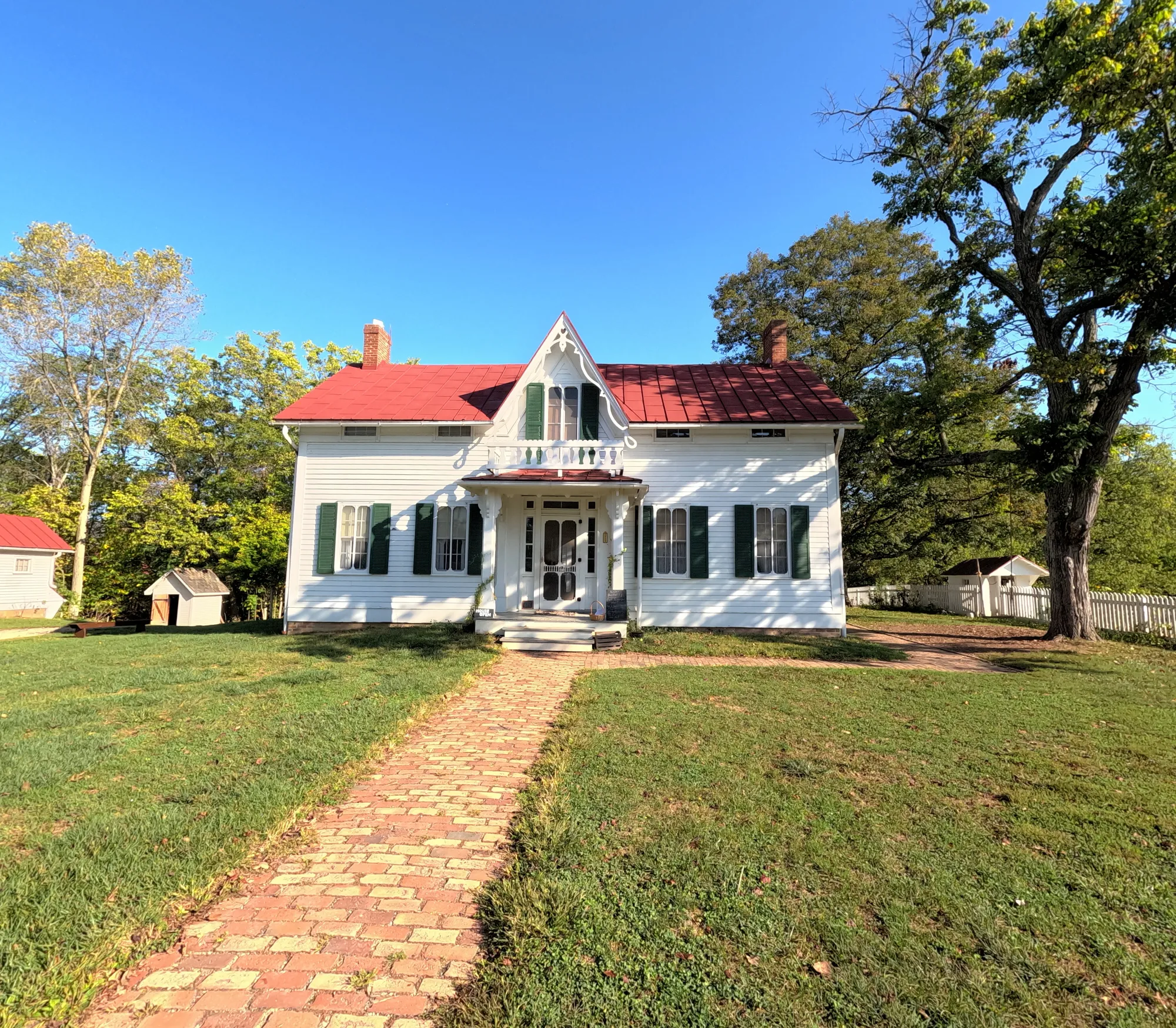
The Gothic-Revival farmhouse on the property was originally built in 1856 by Isaac Fridley.
The farmhouse was a wood-frame structure made primarily of poplar and walnut timber. By the time Metro Parks took ownership, much of the siding had deteriorated. During restoration, Metro Parks replaced the rotted siding with milled redwood siding that matched the original and rebuilt the front porch, including its decorative woodwork.
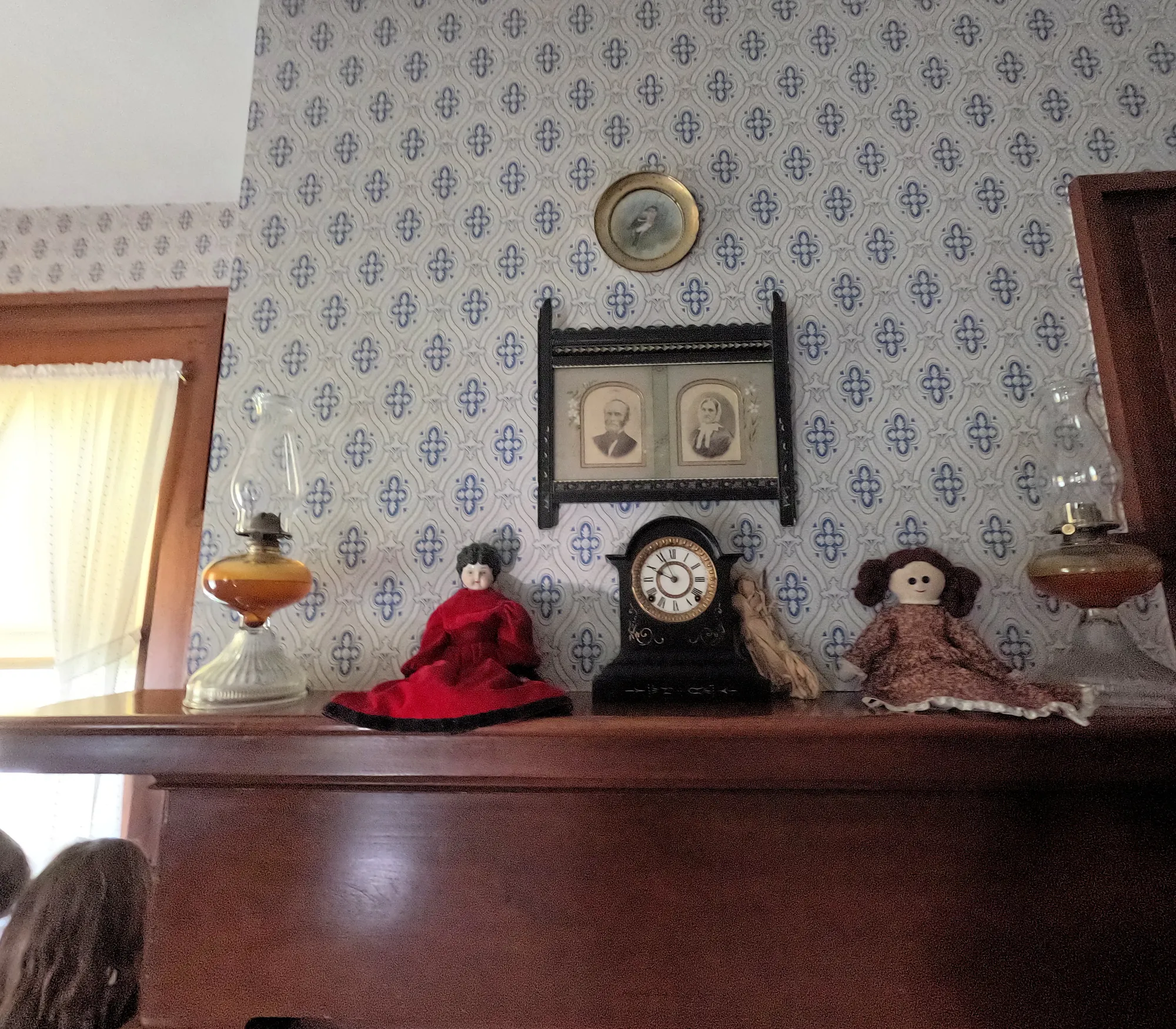
Inside, the parlor had been turned into a bathroom and bedroom over time, and the fireplace was bricked up. Metro Parks restored it by removing the partition, reopening the fireplace, reconstructing the woodwork, and applying reproduction 19th-century wallpaper.
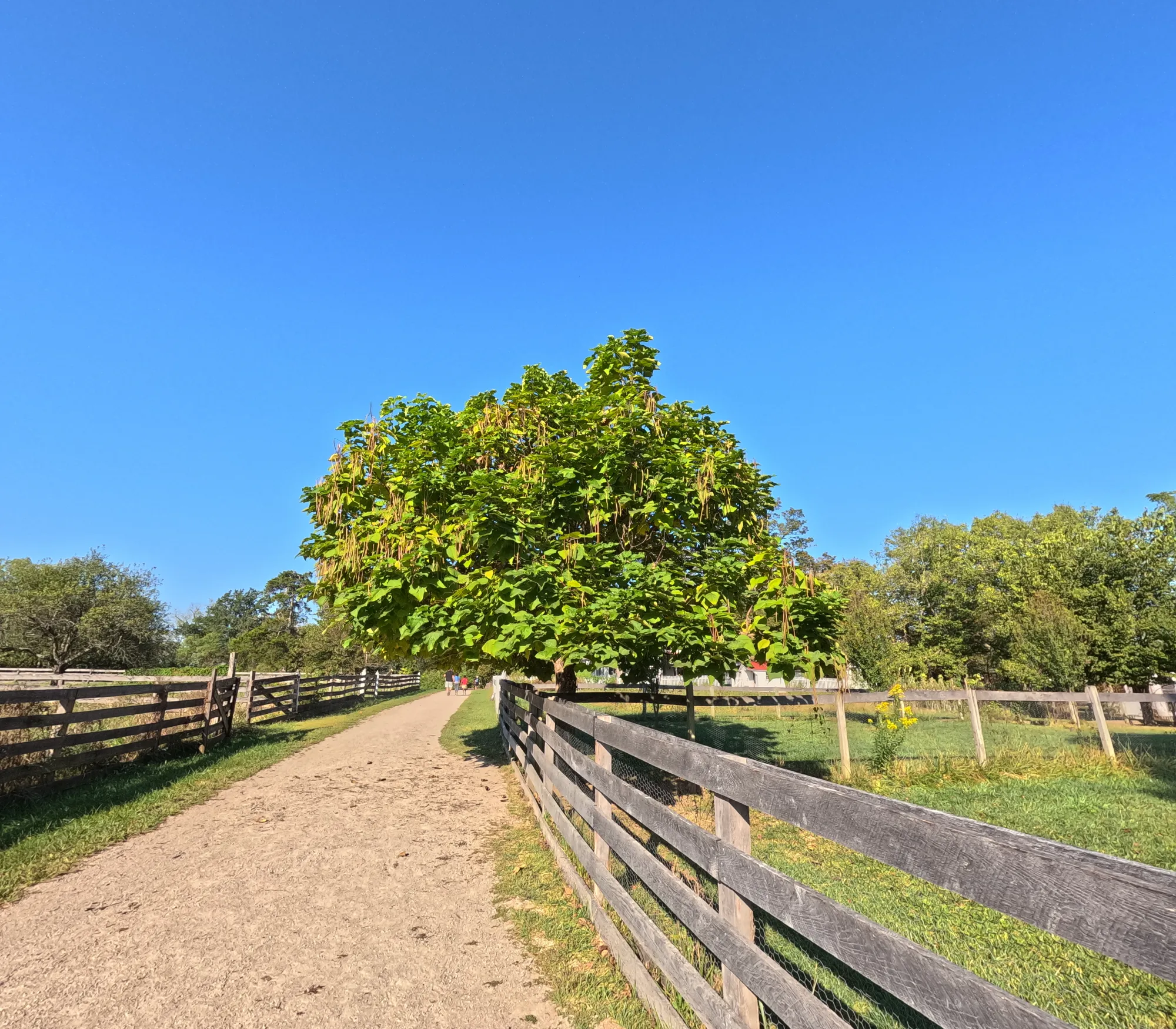
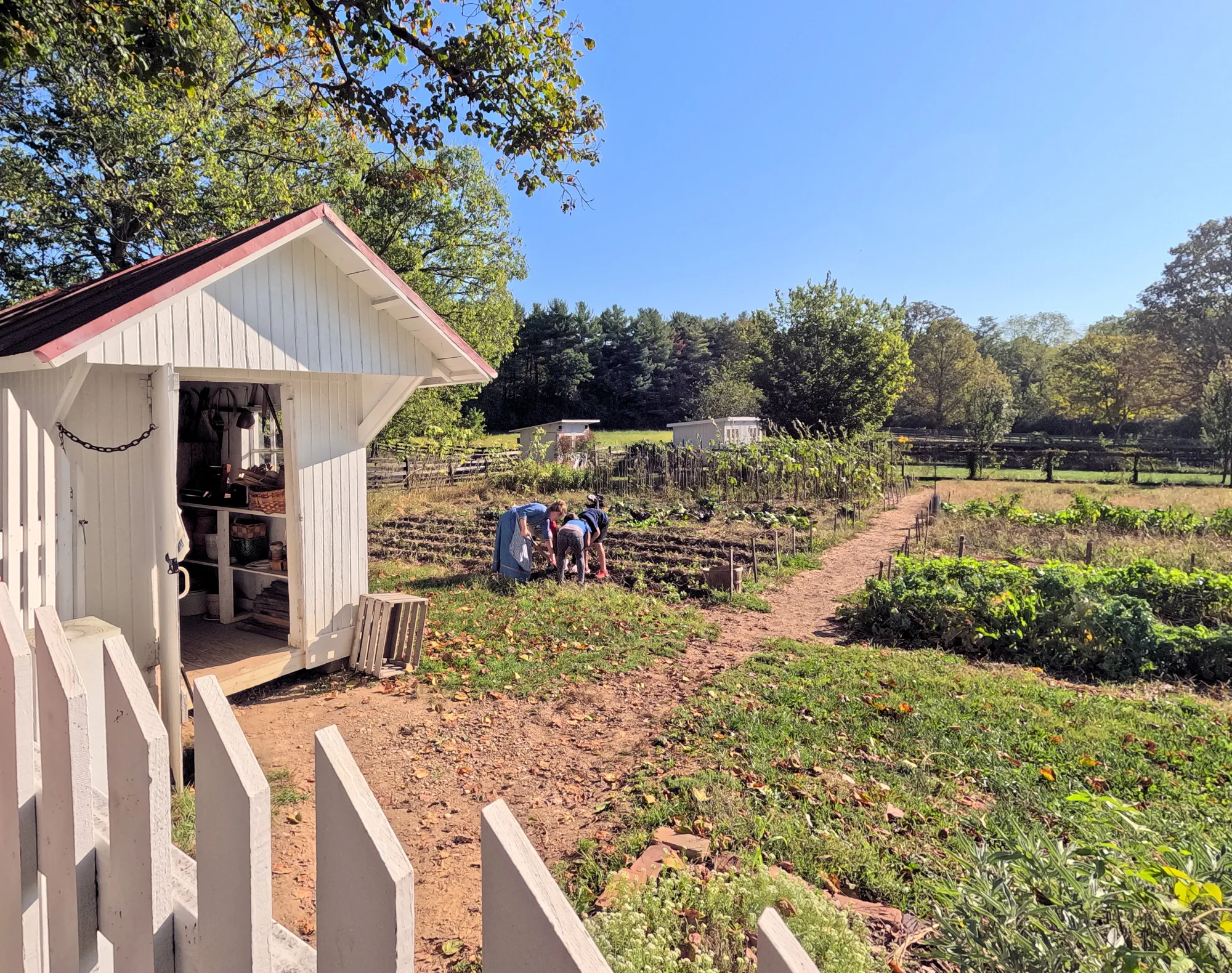
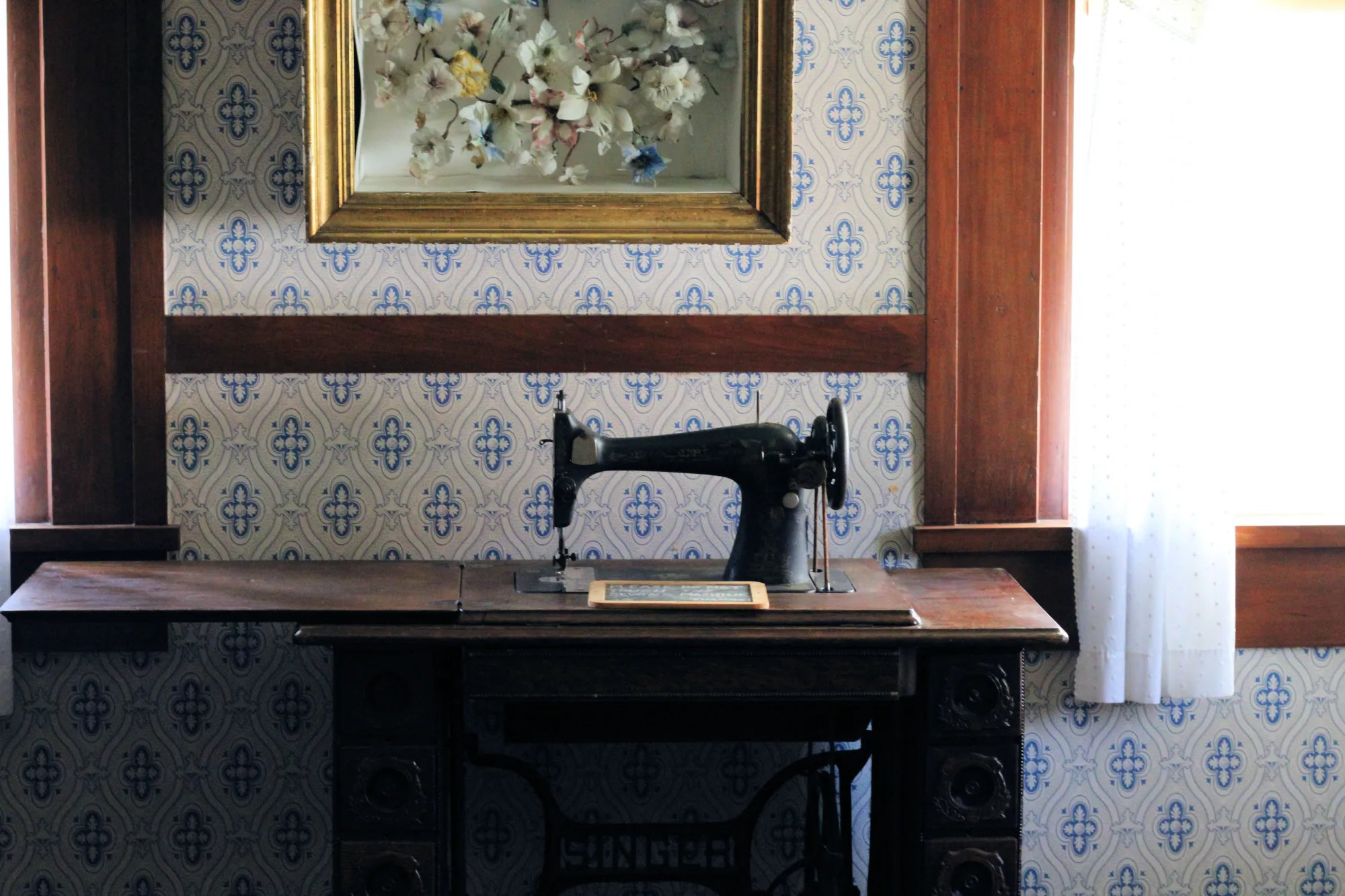
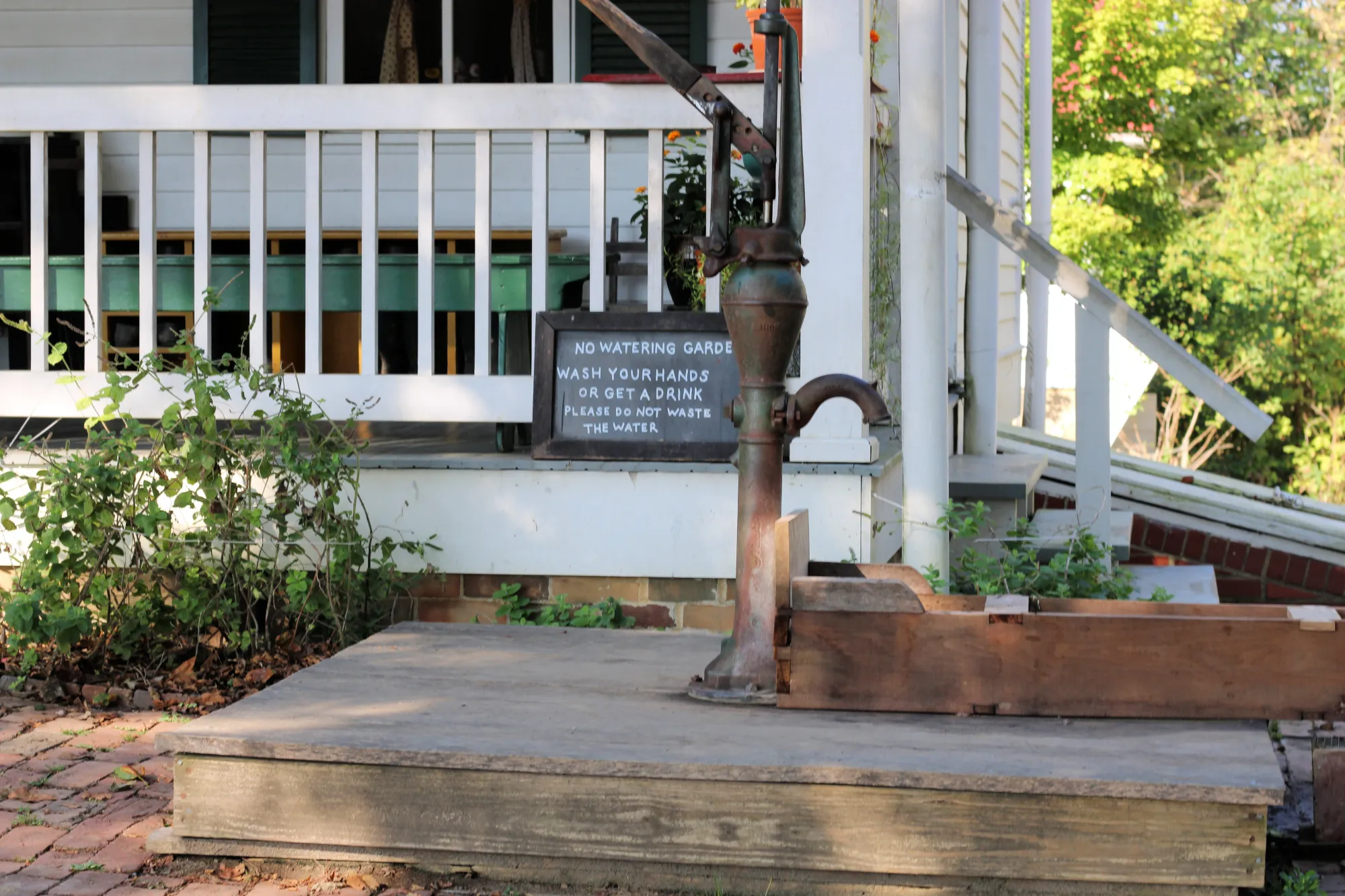
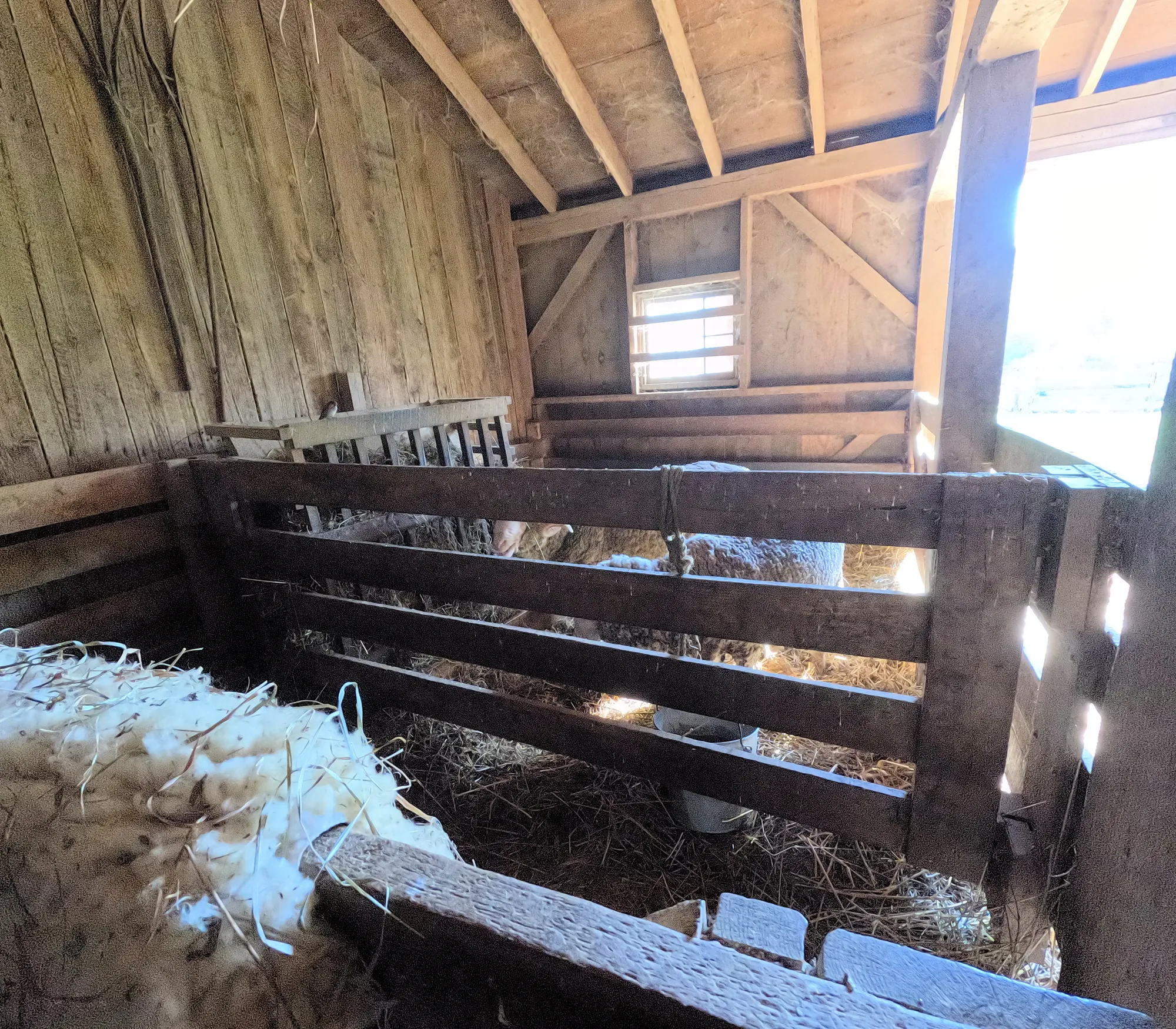
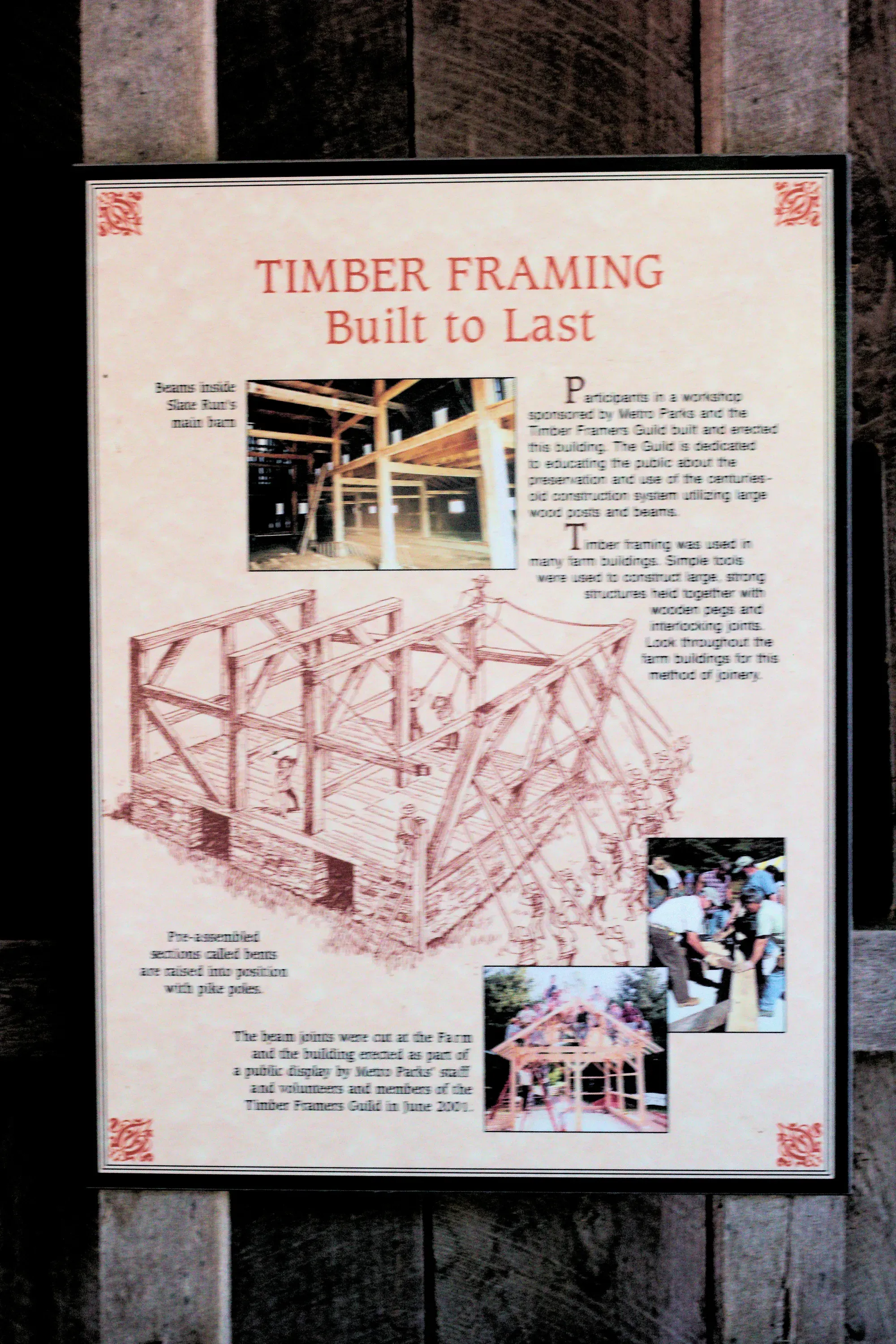
The barn, built in 1881 under Samuel Oman, the farm's fourth owner, underwent restoration by Metro Parks. They worked with architectural historians to rebuild or replace siding, doors, the roof, louver windows, animal stalls, and reattach a cupola. The barn’s original north-south passage was restored after previous owners had changed it to east-west. Additional buildings from 1880-1910, like sheds, poultry yards, hog sheds, root cellars, and smokehouses, were restored or reconstructed for an authentic 1880s farm complex.
The summer kitchen, likely built with the farmhouse, was in poor condition when acquired. It featured a long roof overhang for workspace and was rebuilt in 1976 using a grant. Today, it is used for laundry, sausage-making, canning, butchery, cheese-making, and storage. The granary, which had been relocated, was moved closer to the barn and refurbished with new bins, siding, doors, roof, and ventilation slats.
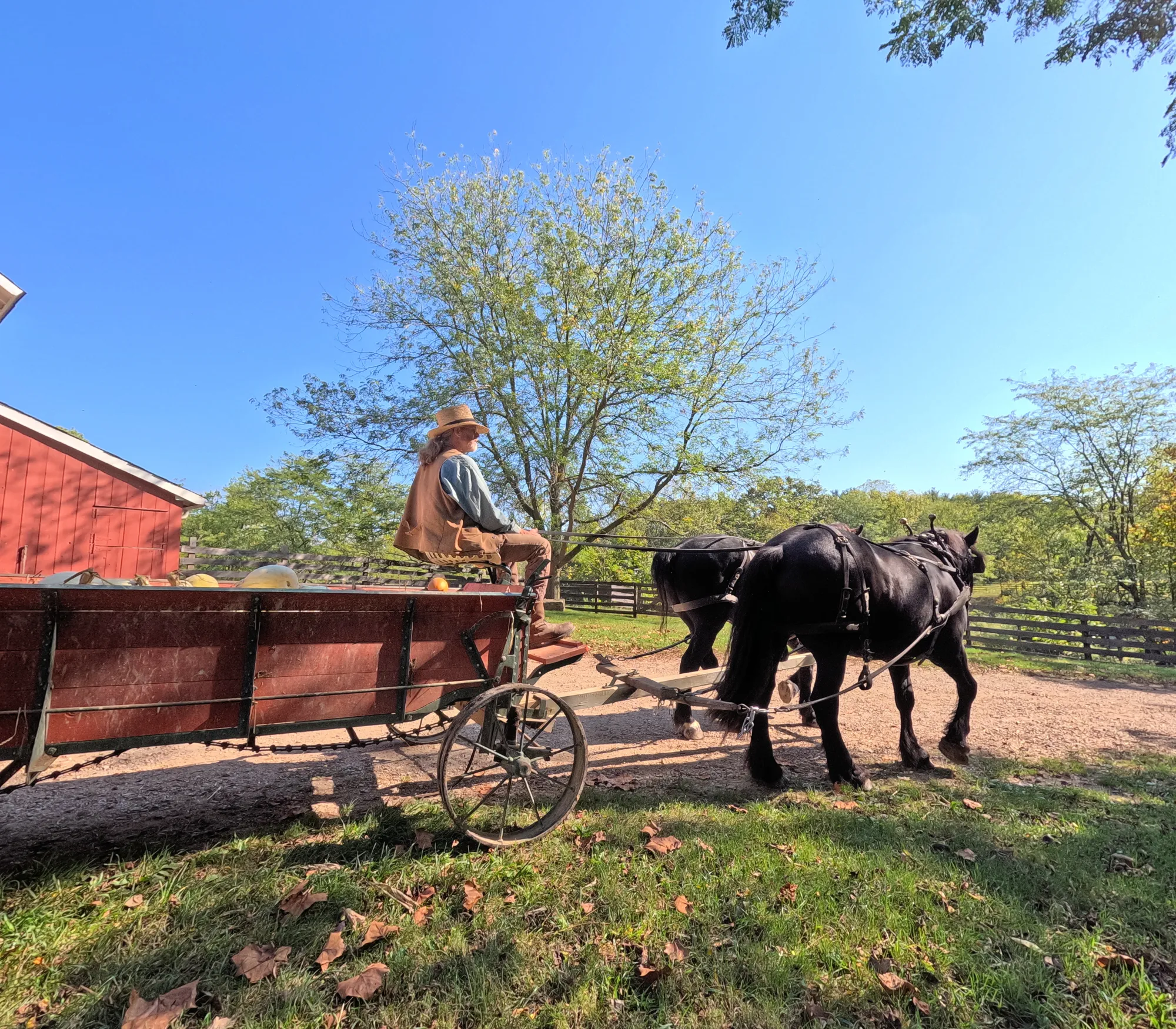
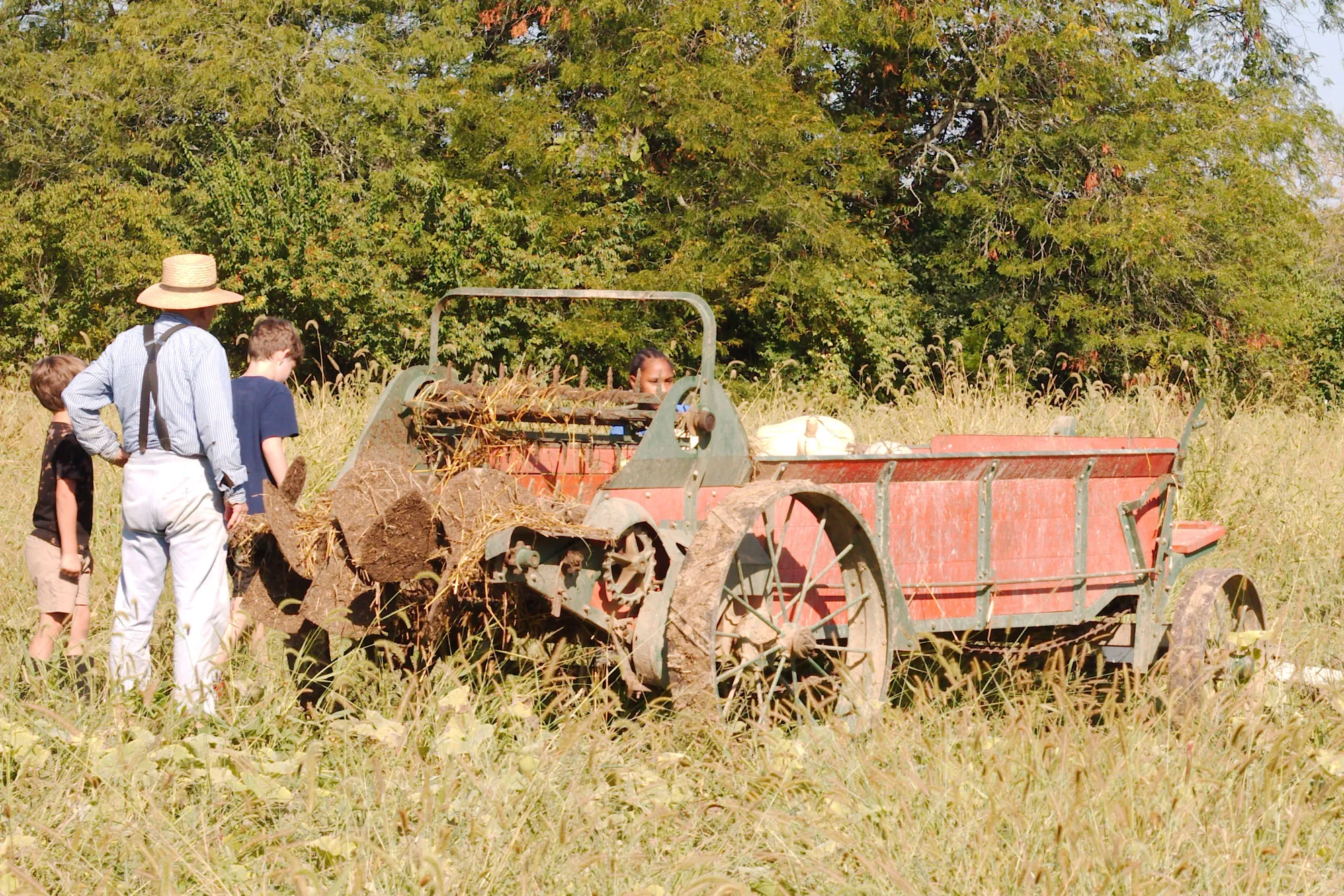
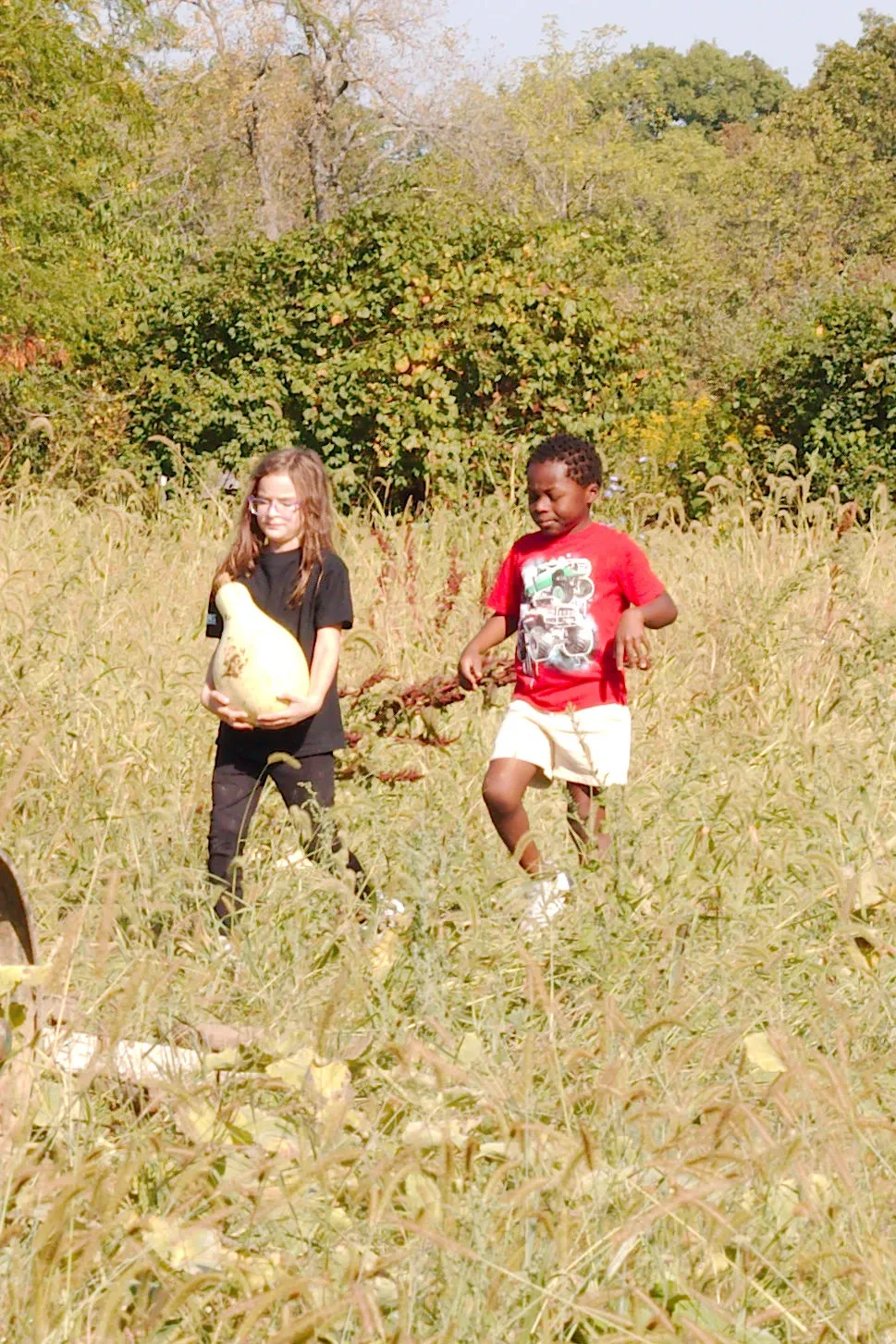
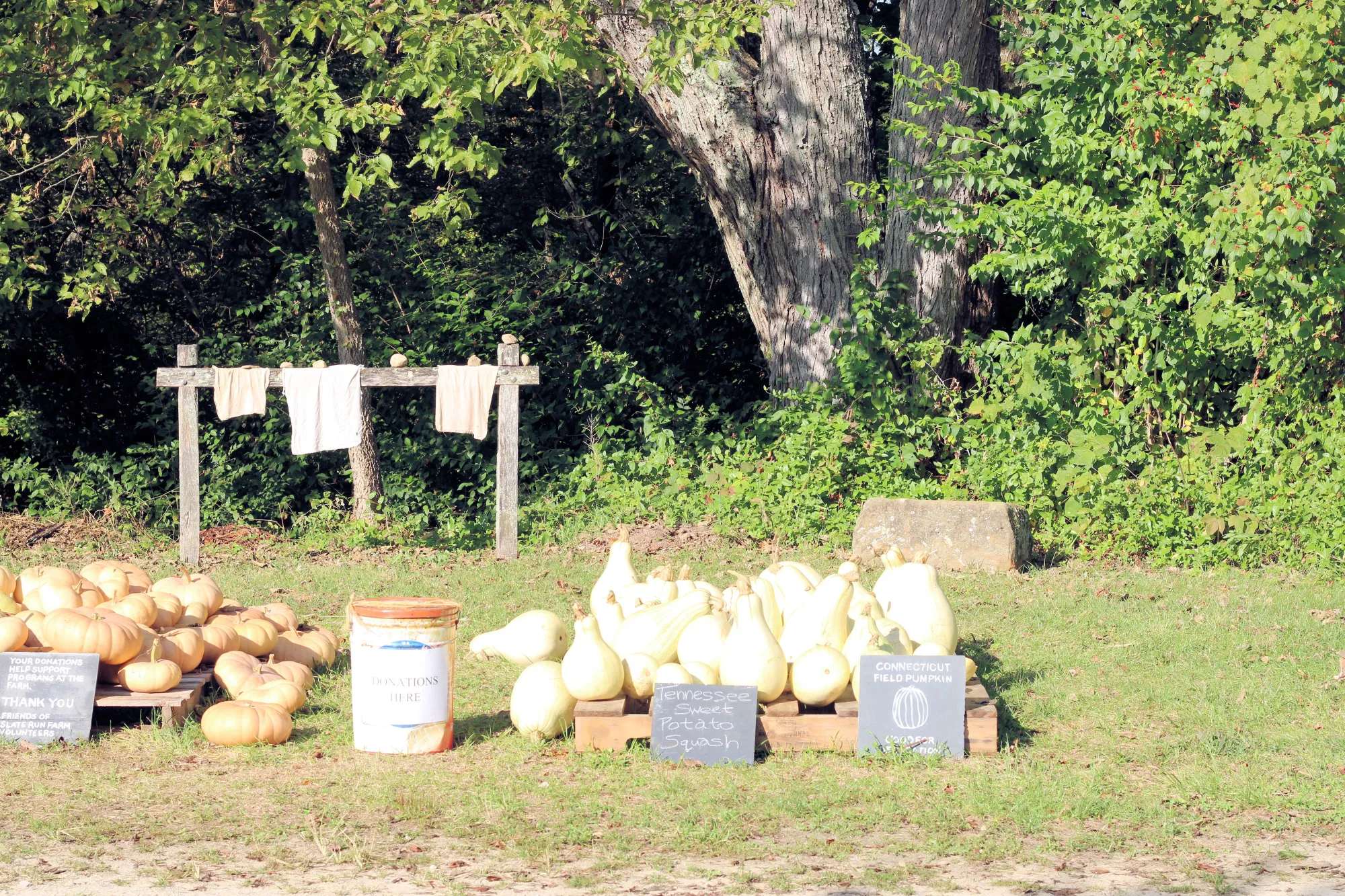
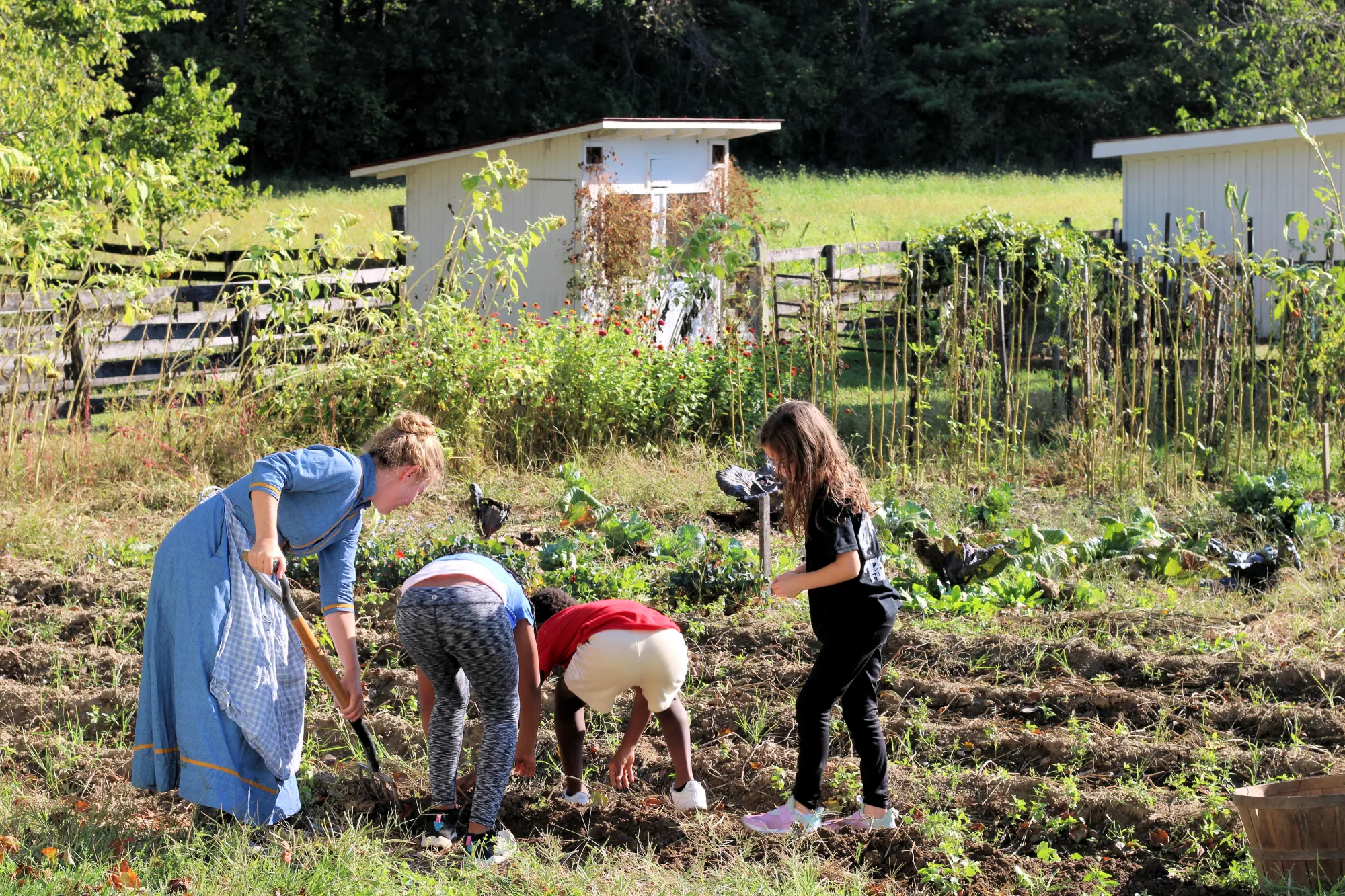
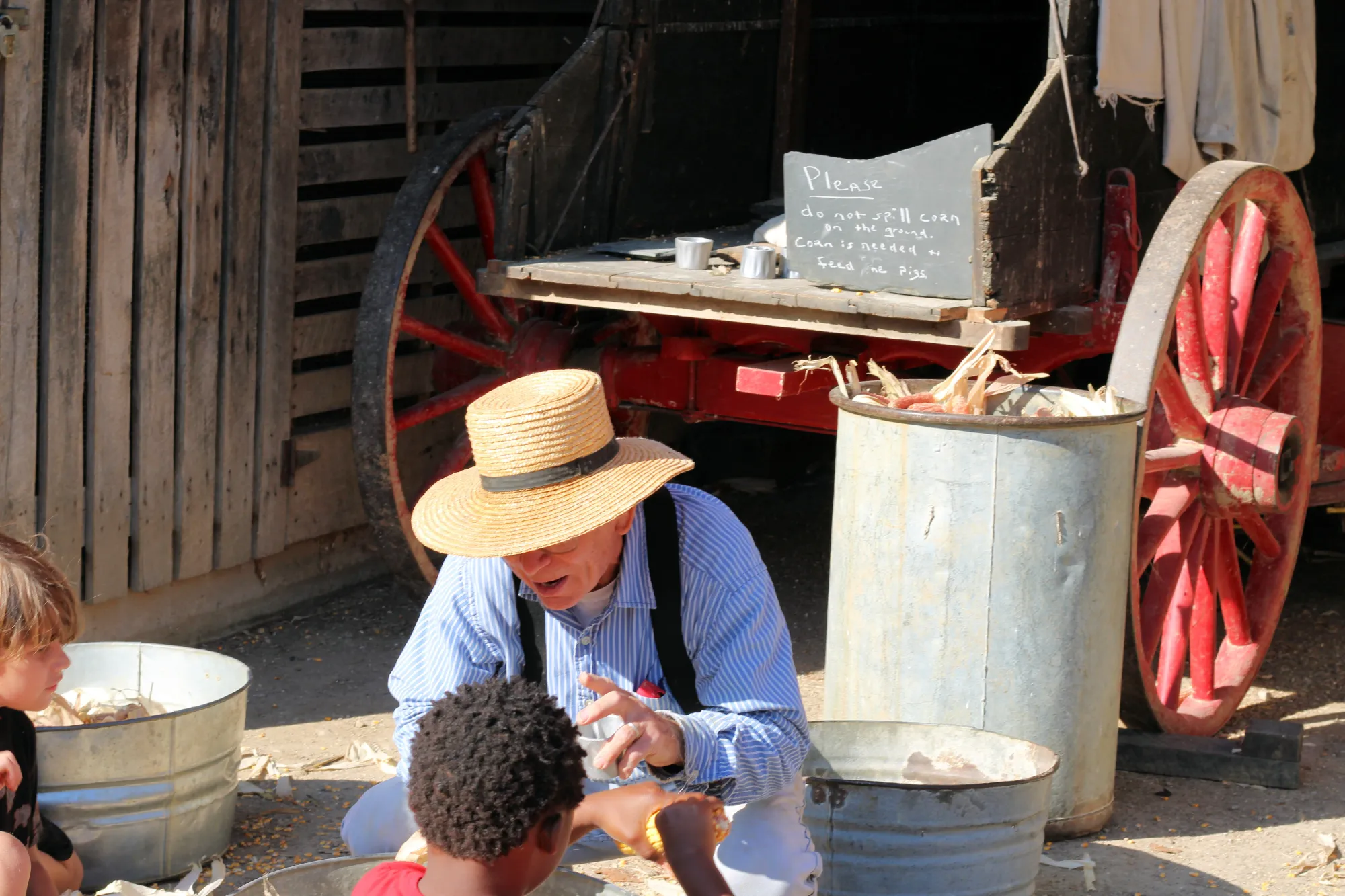
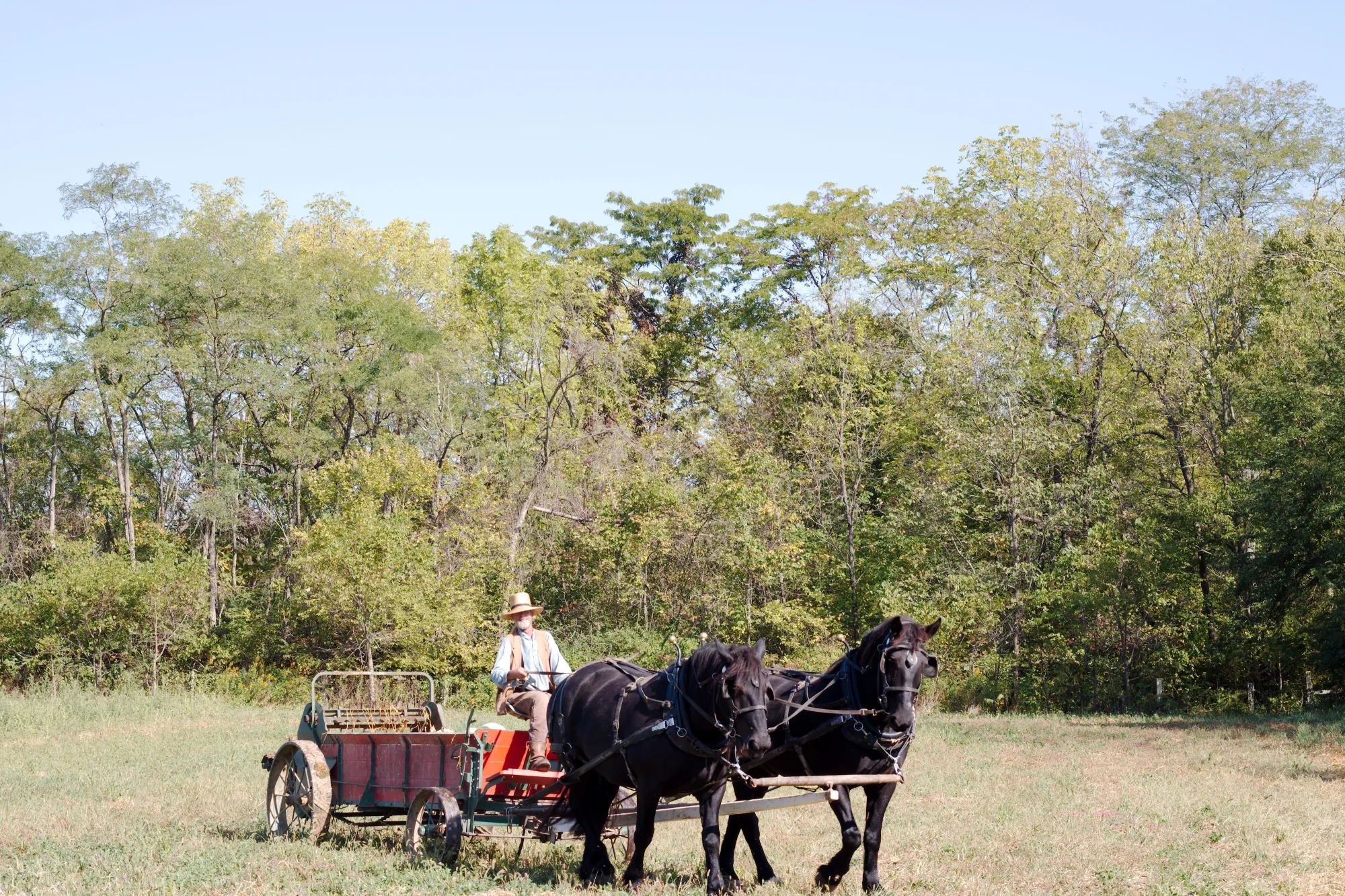
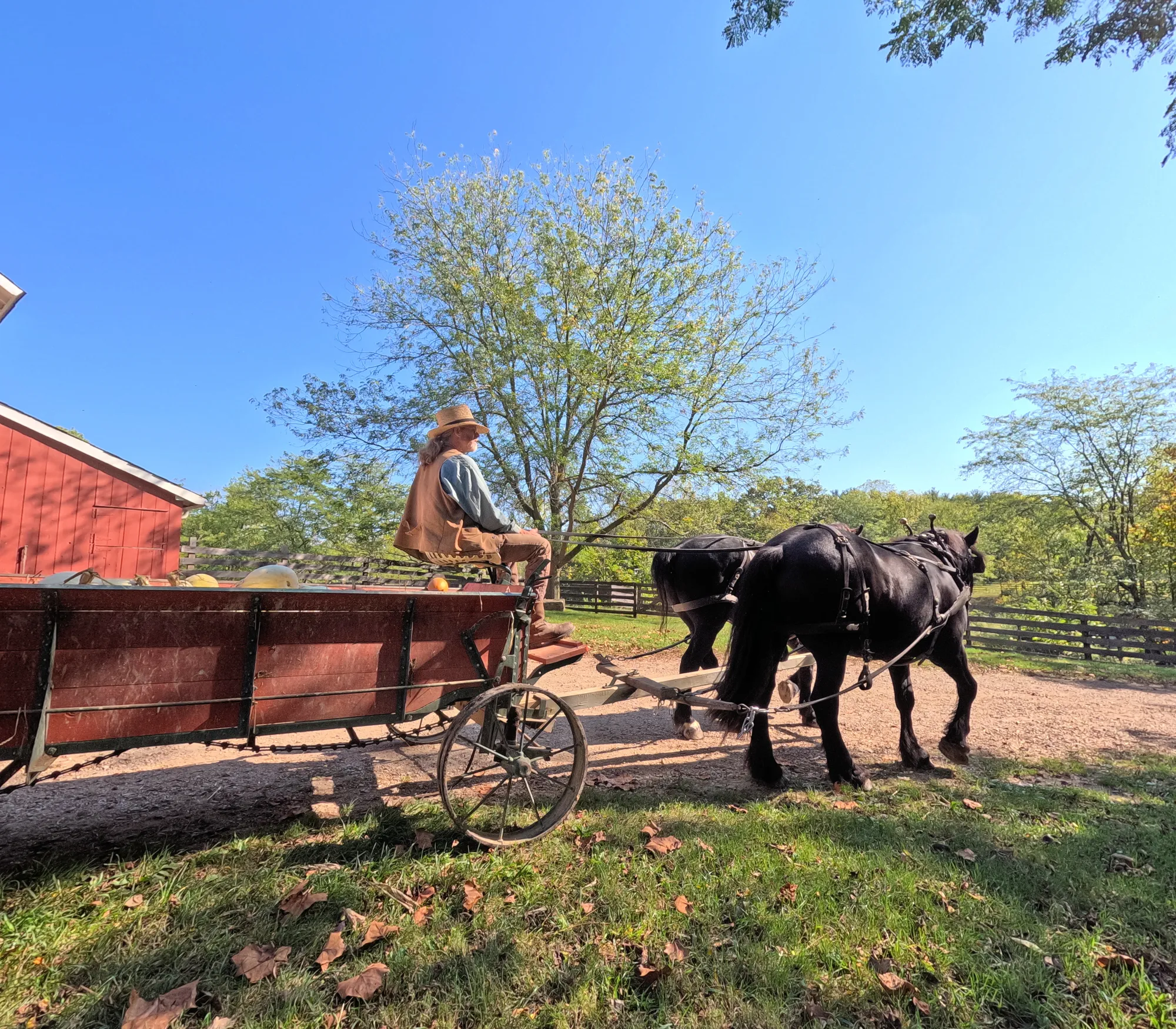
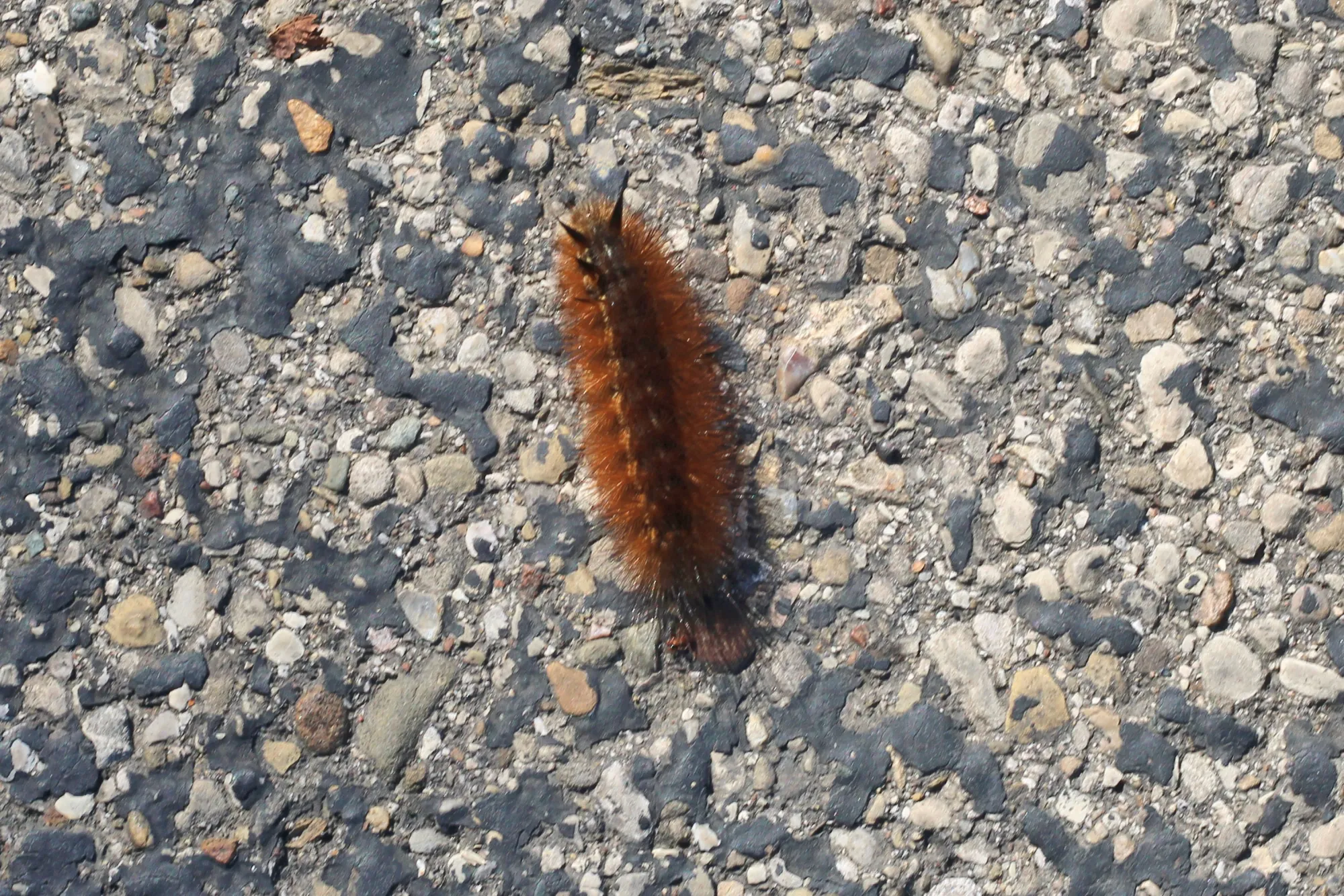
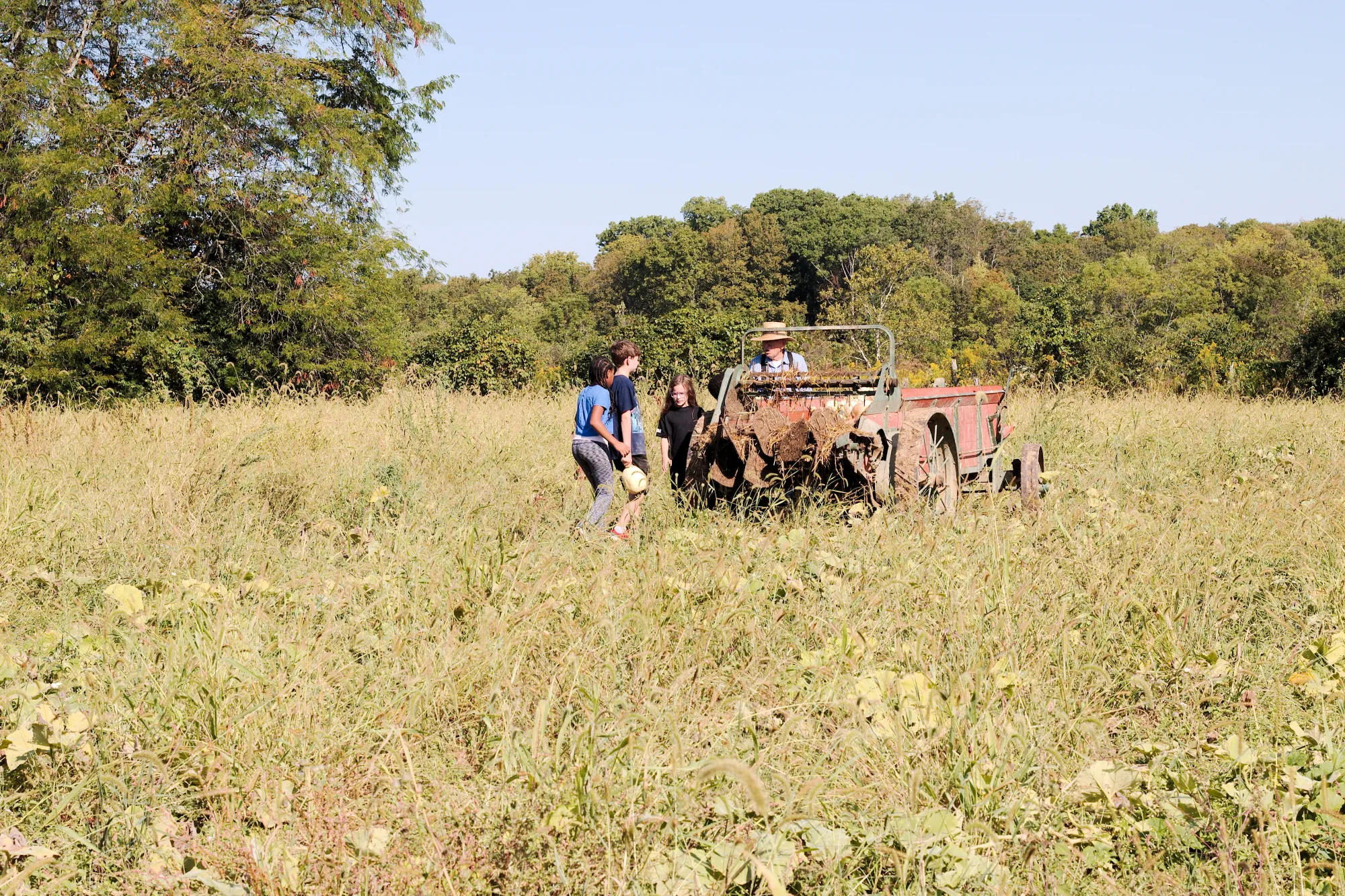
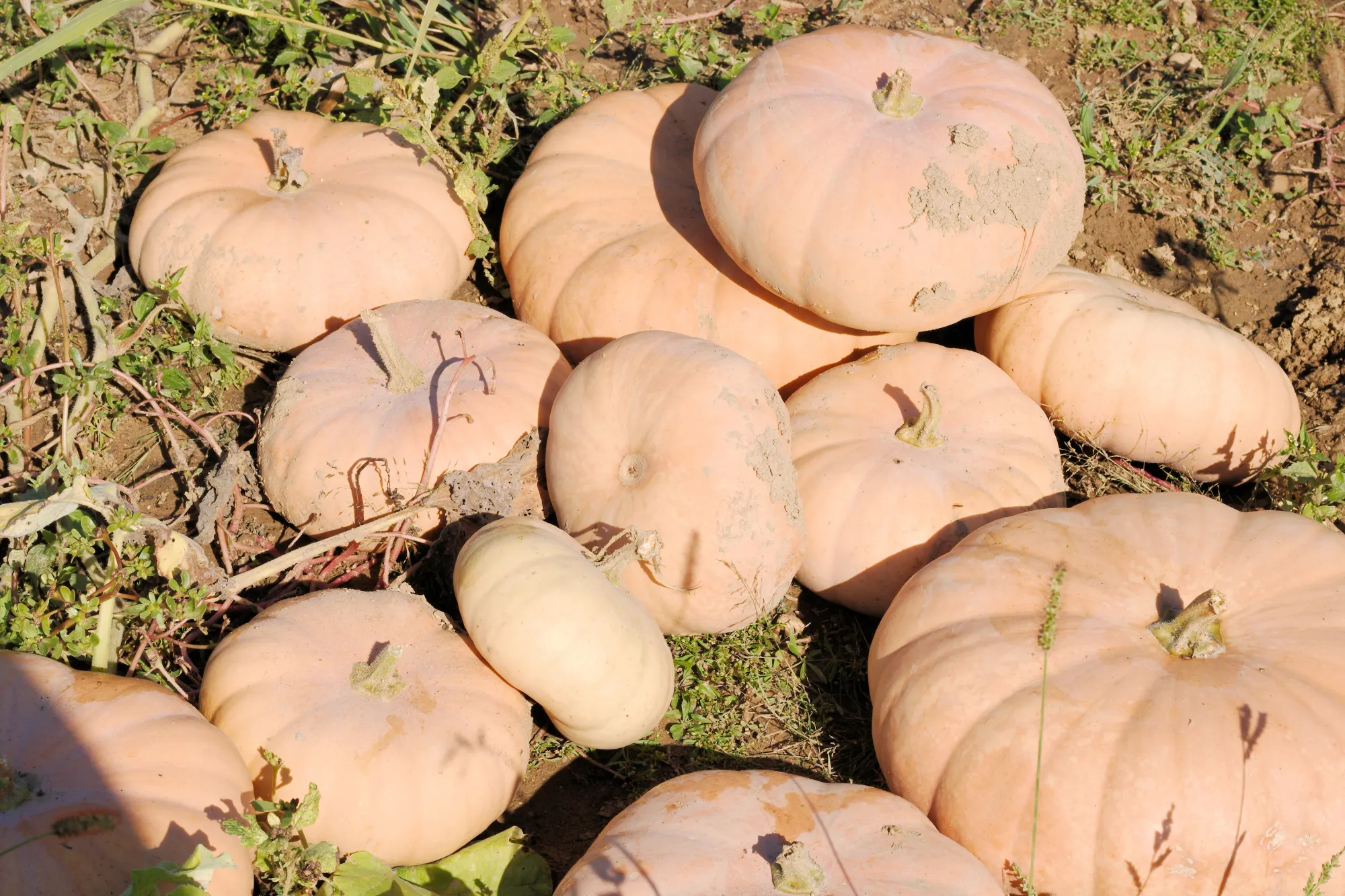
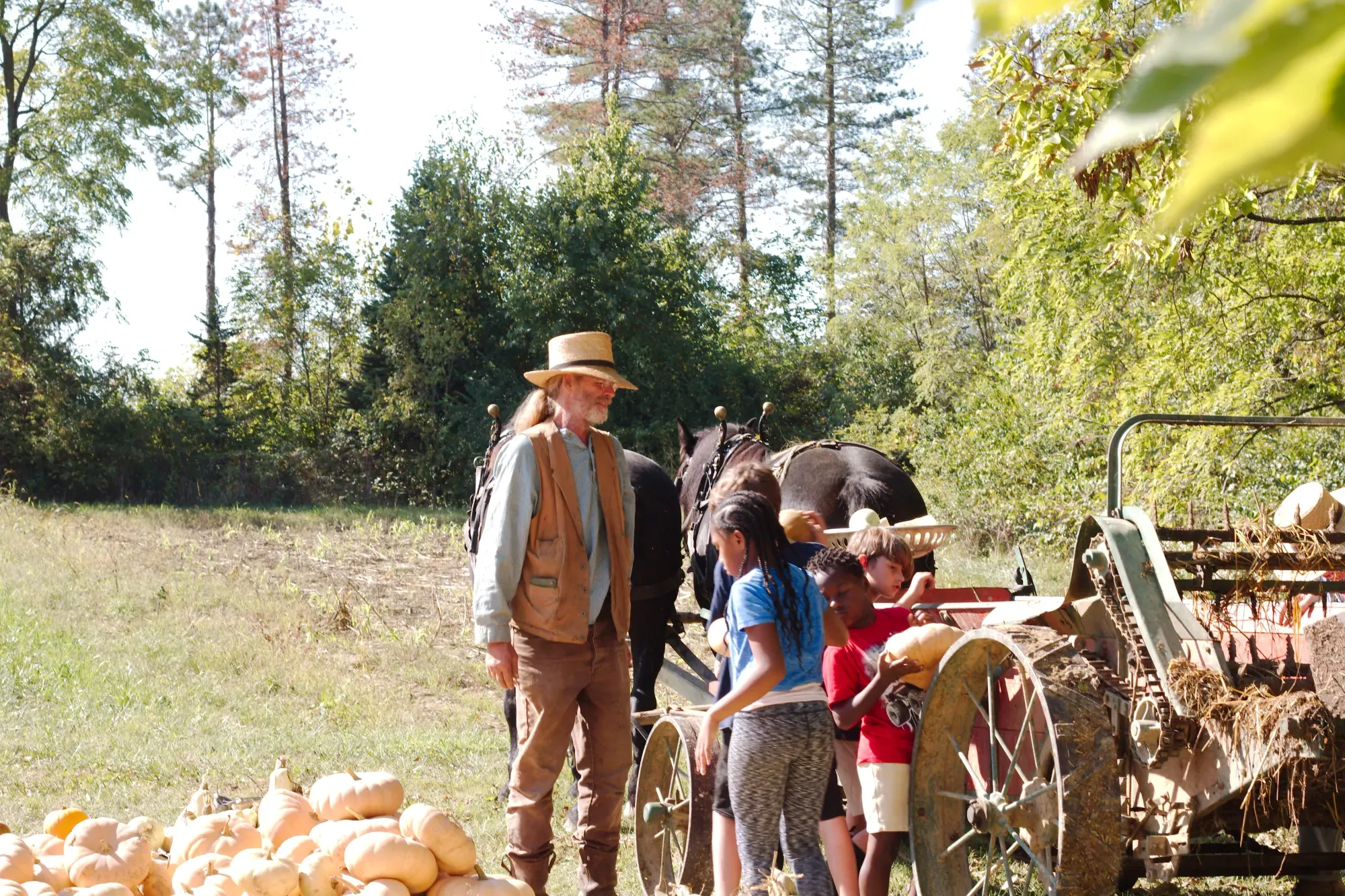
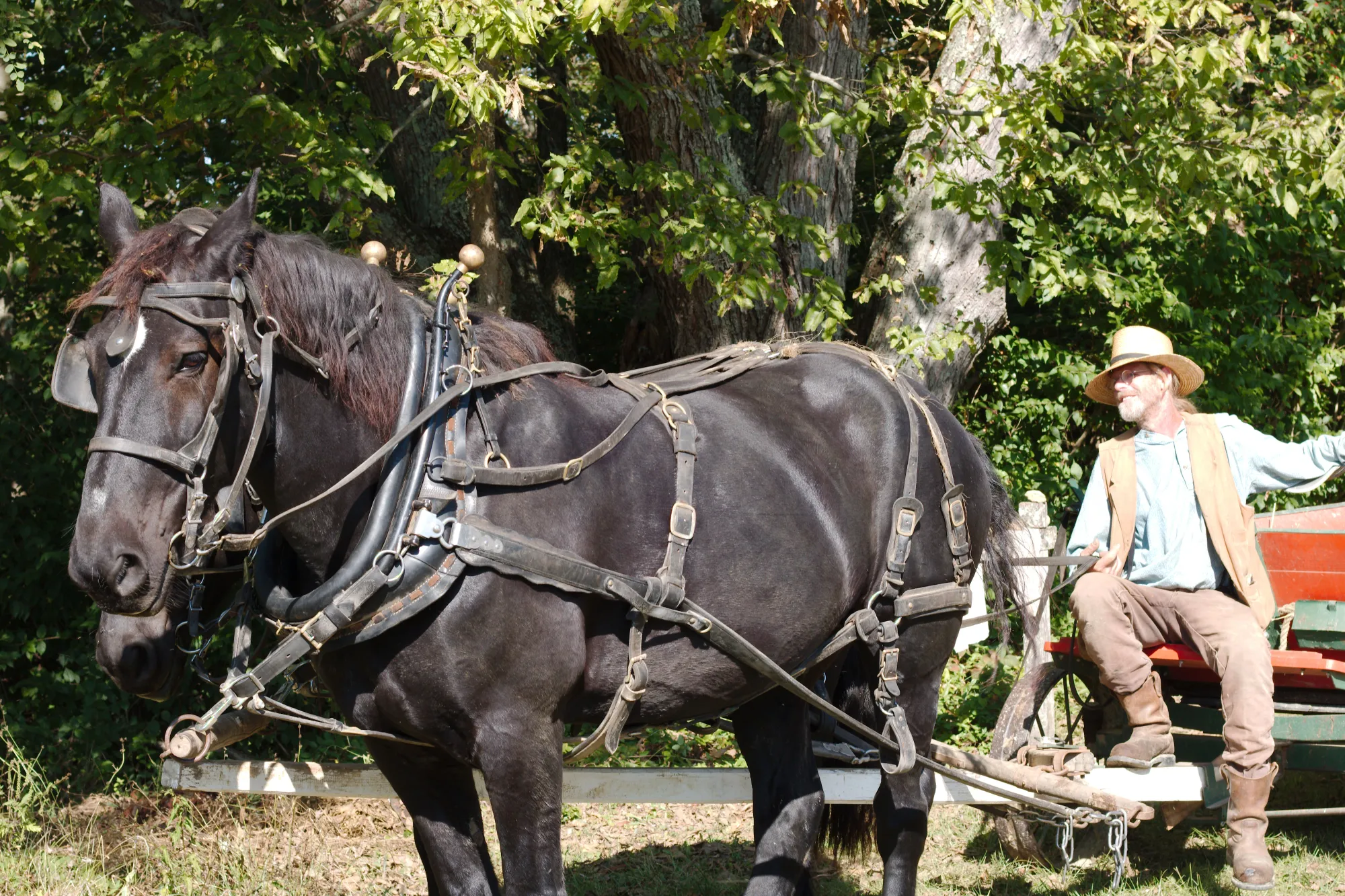
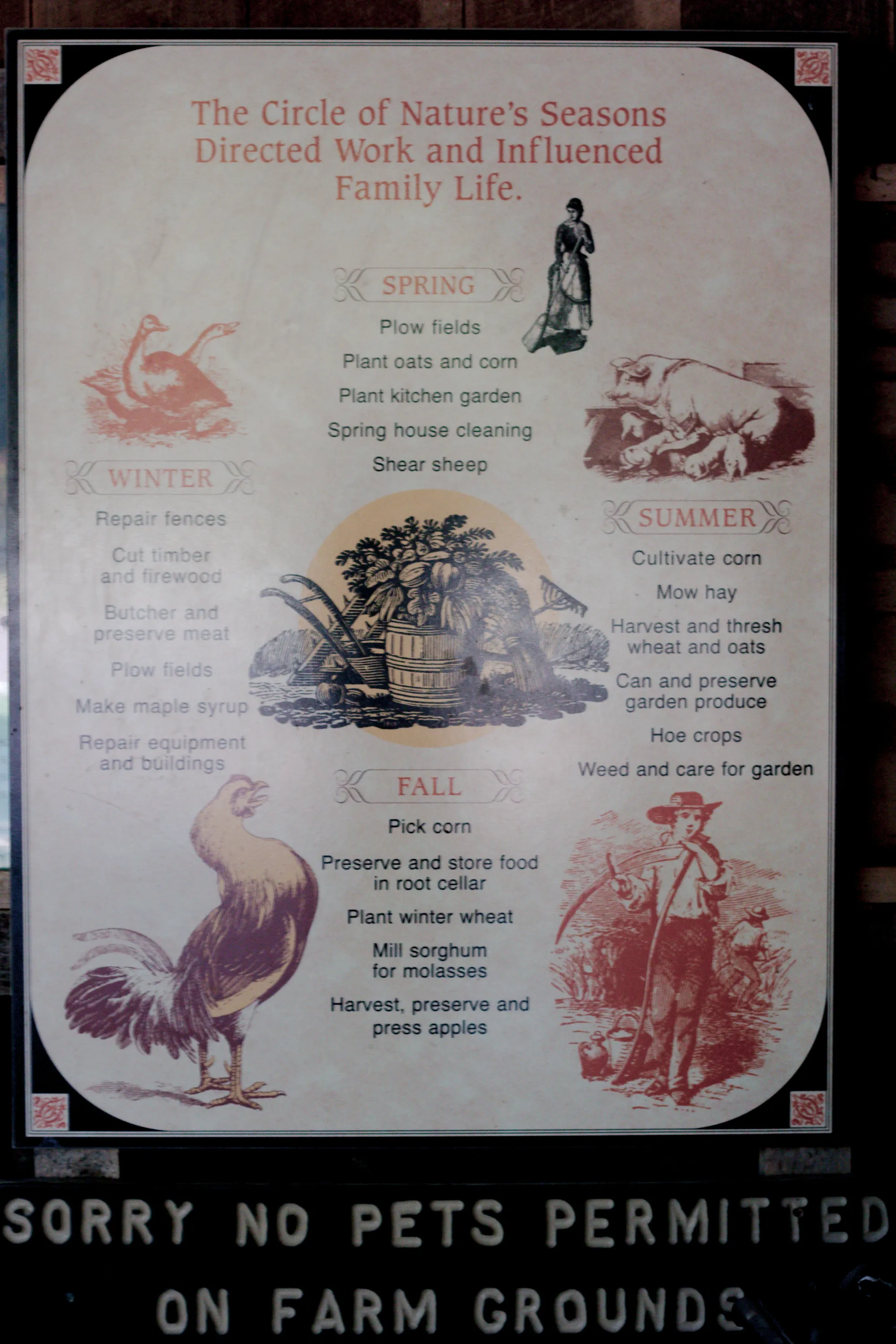
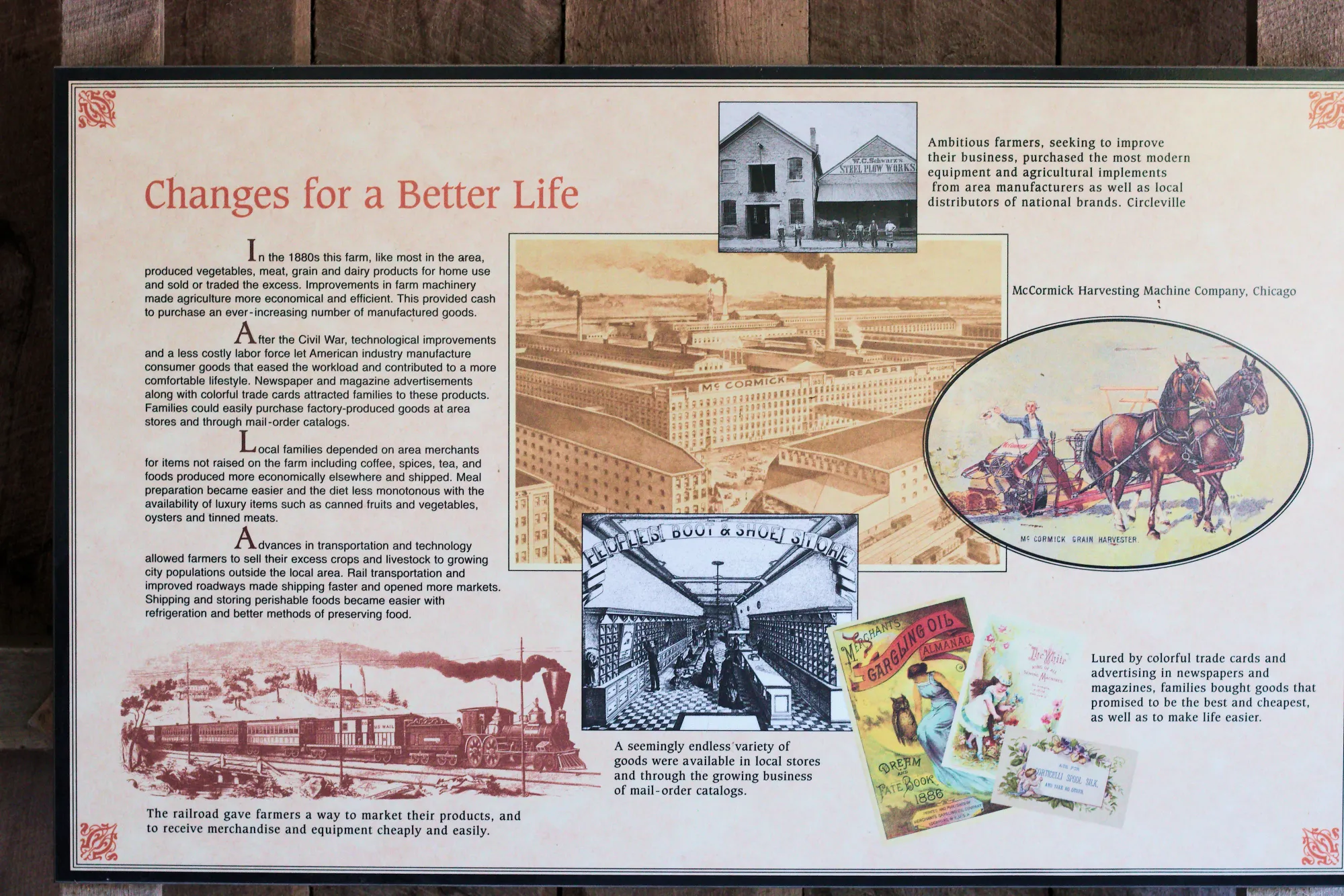
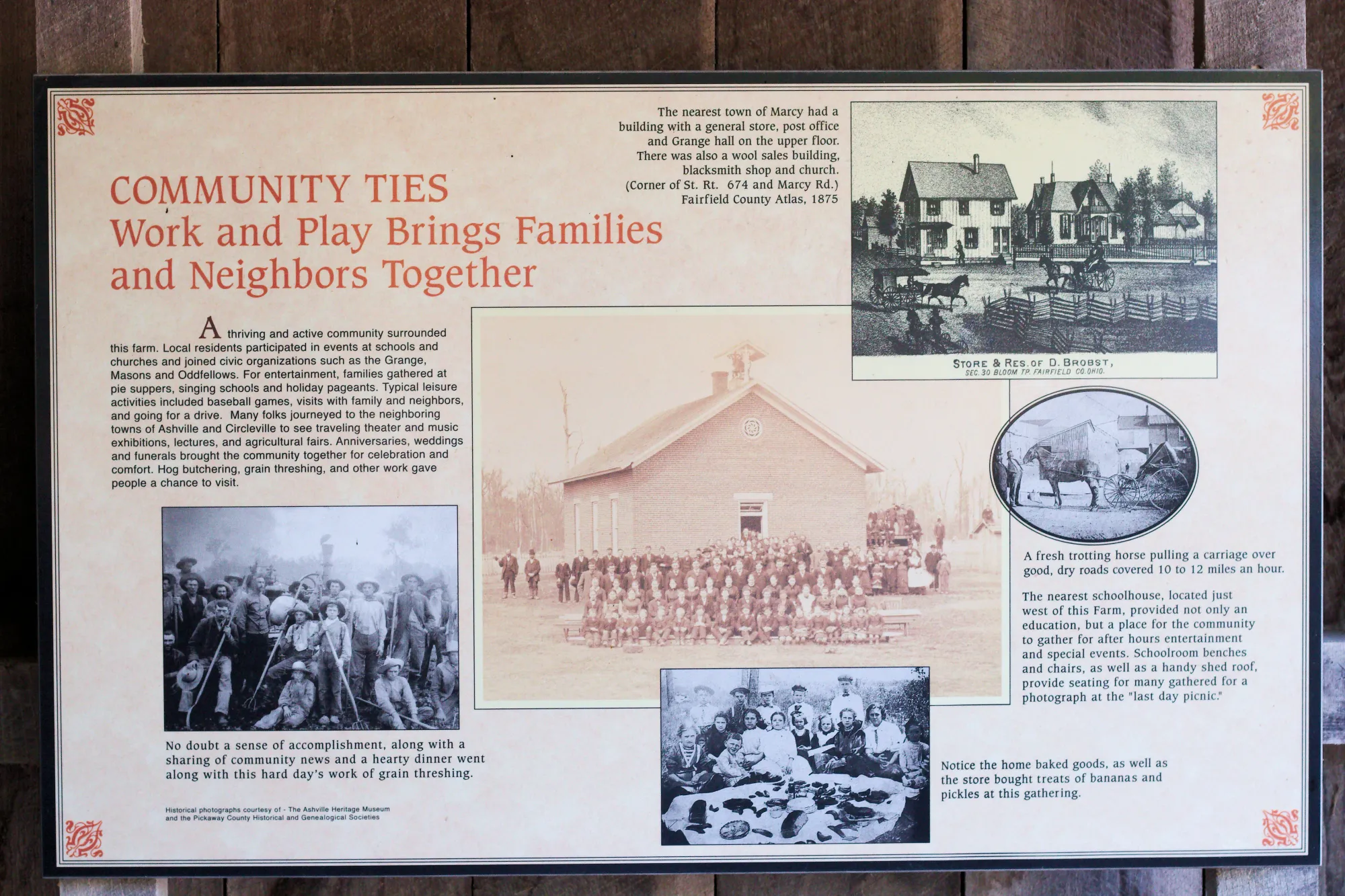
Metro Parks restored the farmhouse, barn, and granary to reflect a functioning 1880s farm. Operations like planting, harvesting, livestock care, and food preservation are done using 19th-century methods, with staff and volunteers in period clothing creating an immersive experience. Children can participate in chores, and heritage breeds like Merino sheep are raised on the farm.
Visitor Information:
Park (trails & picnic areas, as of September 2026, Metro Parks):
- Address: 1375 St. Rte. 674 North, Canal Winchester, OH 43110
- Park hours: Year-round 6:30 a.m.–dark
- Park phone: 614-329-1392
- Official park page: Slate Run
Living Historical Farm (separate hours):
- April 1–September 30: Tuesday–Thursday & Sunday 9 a.m.–6 p.m.; Friday–Saturday 9 a.m.–7 p.m.
- October 1–March 31: Tuesday–Thursday & Sunday 9 a.m.–5 p.m.; Friday–Saturday 9 a.m.–sunset
- Closed Mondays. From January–March, farm grounds and barn are open but some buildings/activities are limited.
- Farm page: Slate Run Living Historical Farm
- Admission: Free
Acres confirmed 1,705 (as of September 2026).
Educational Information:
Covered Bridge:
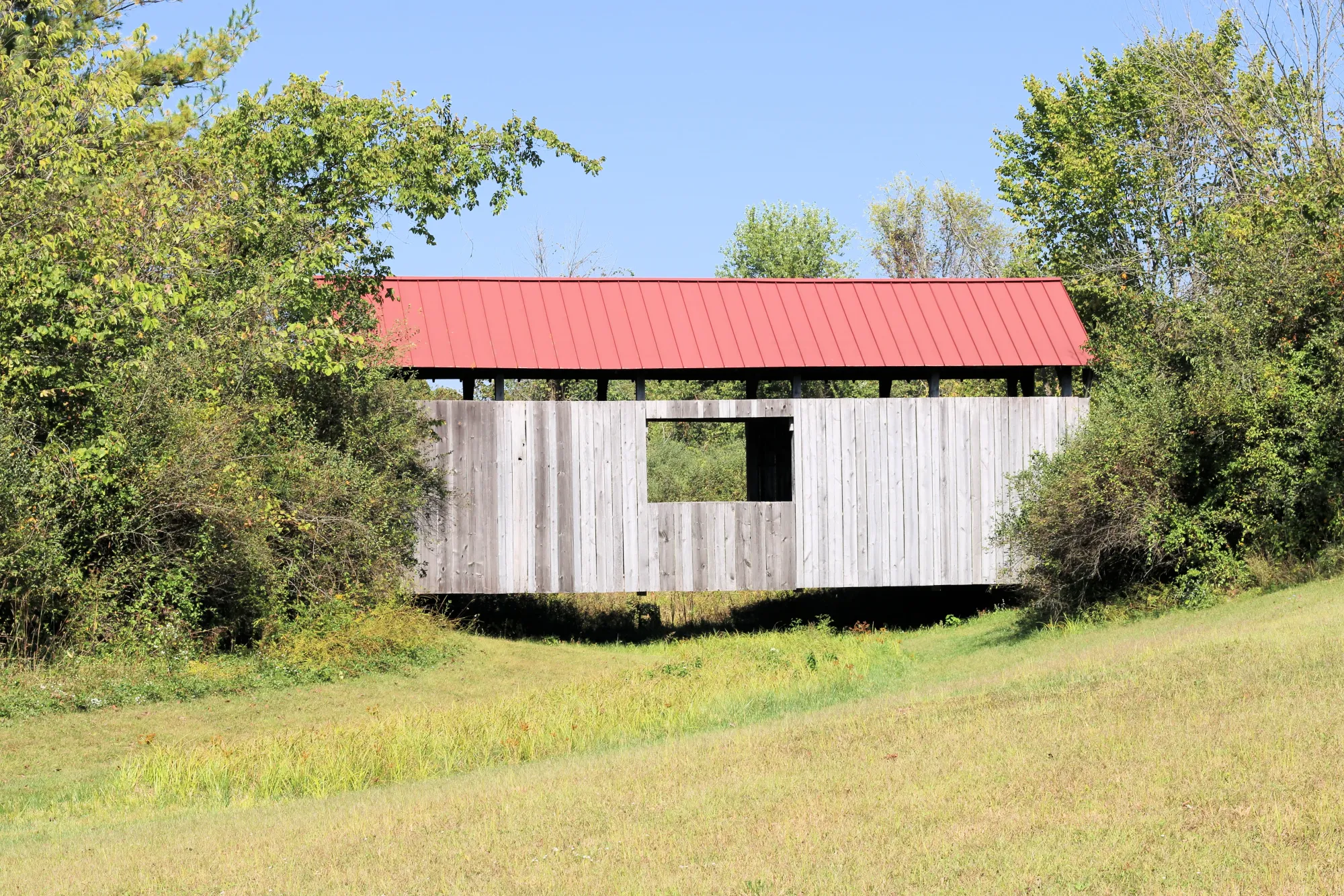
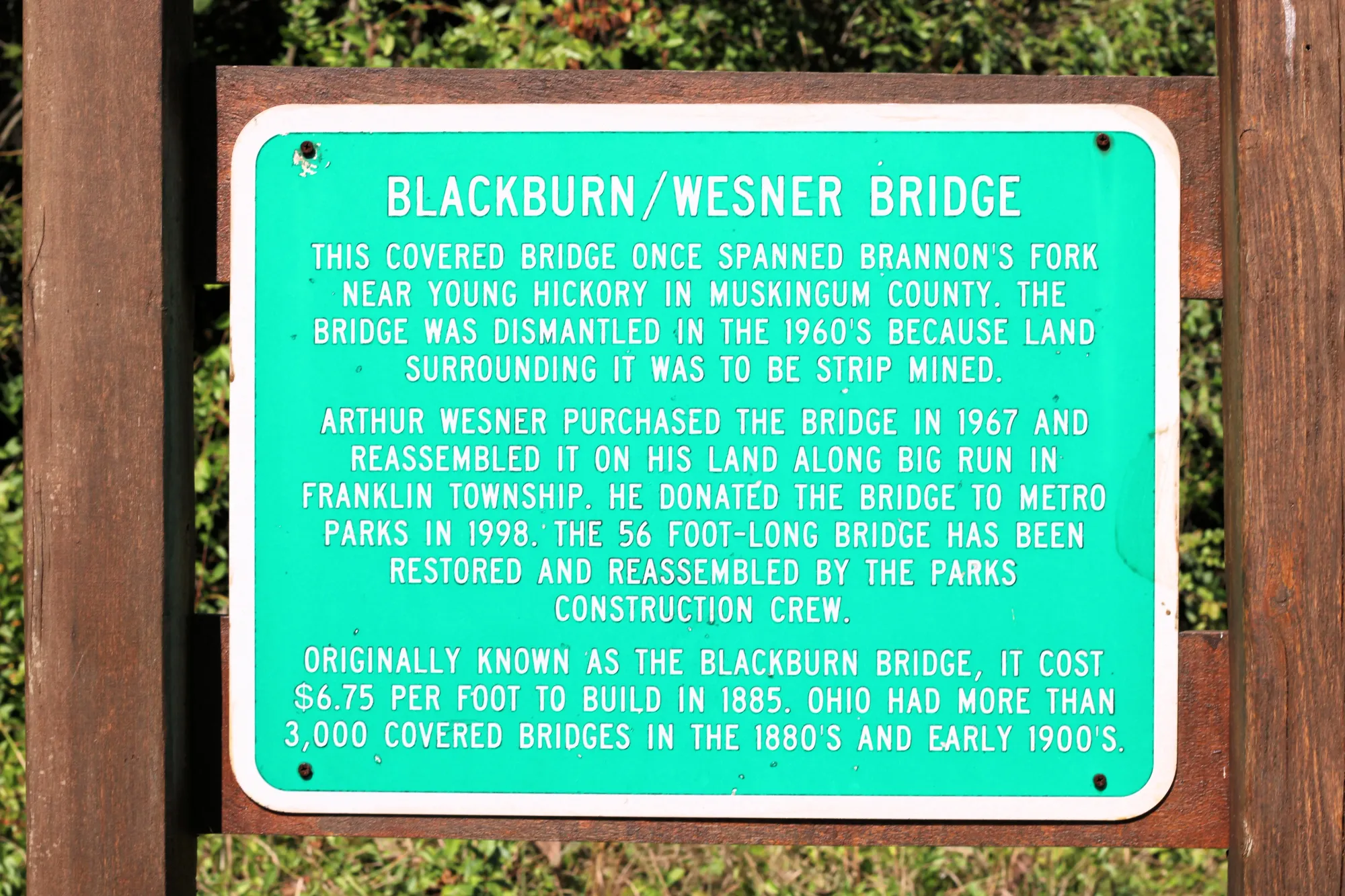
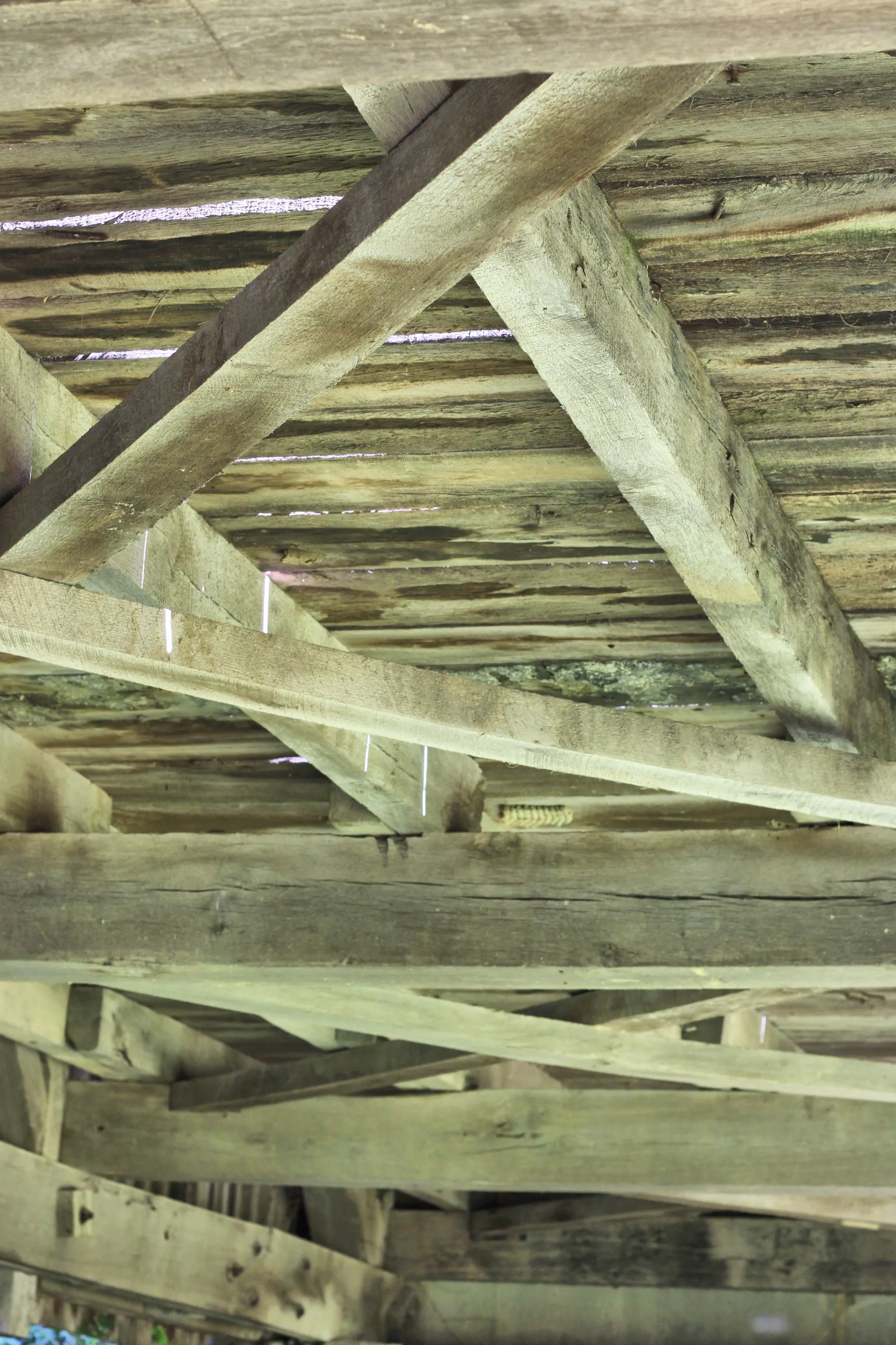
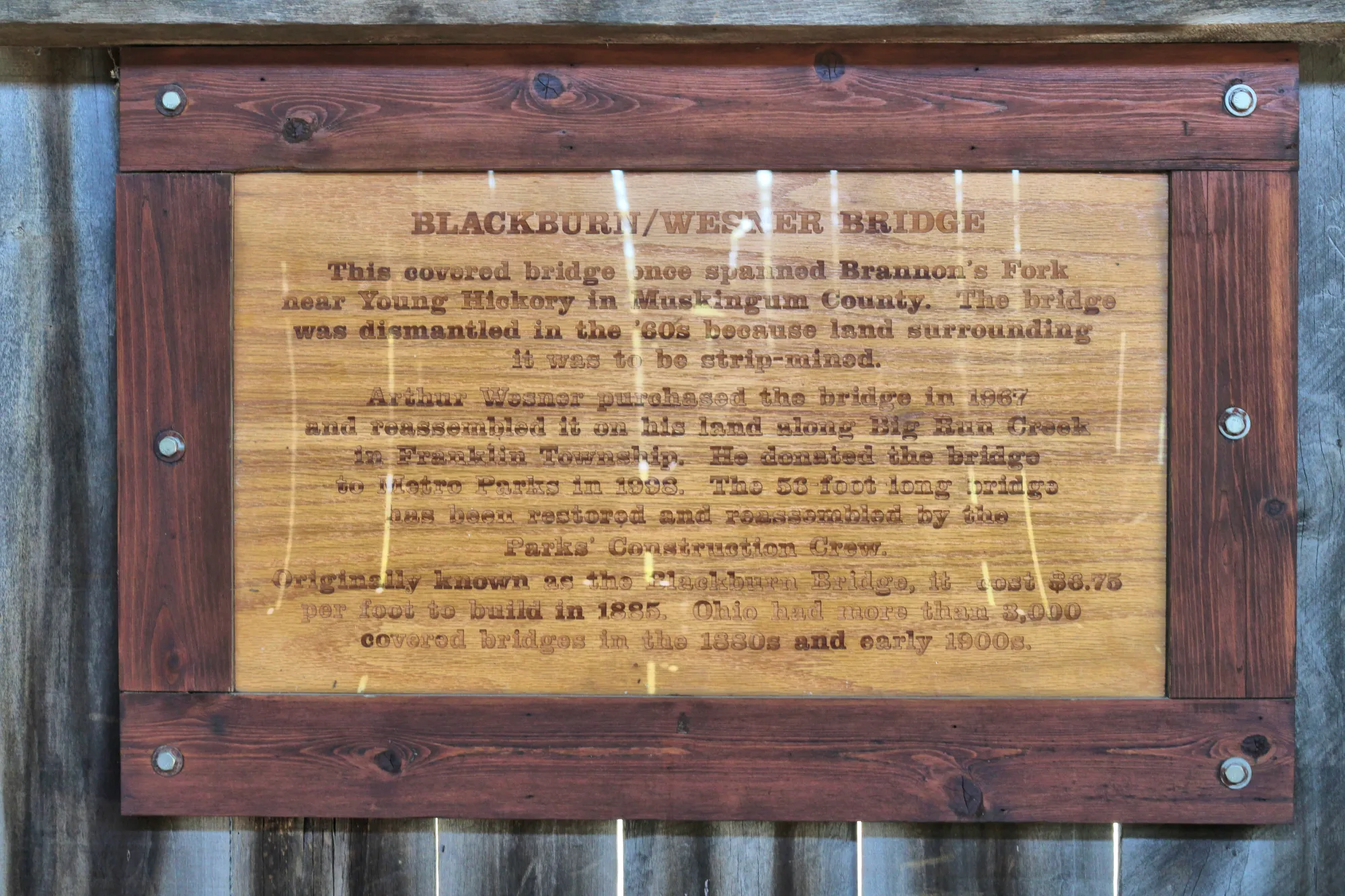
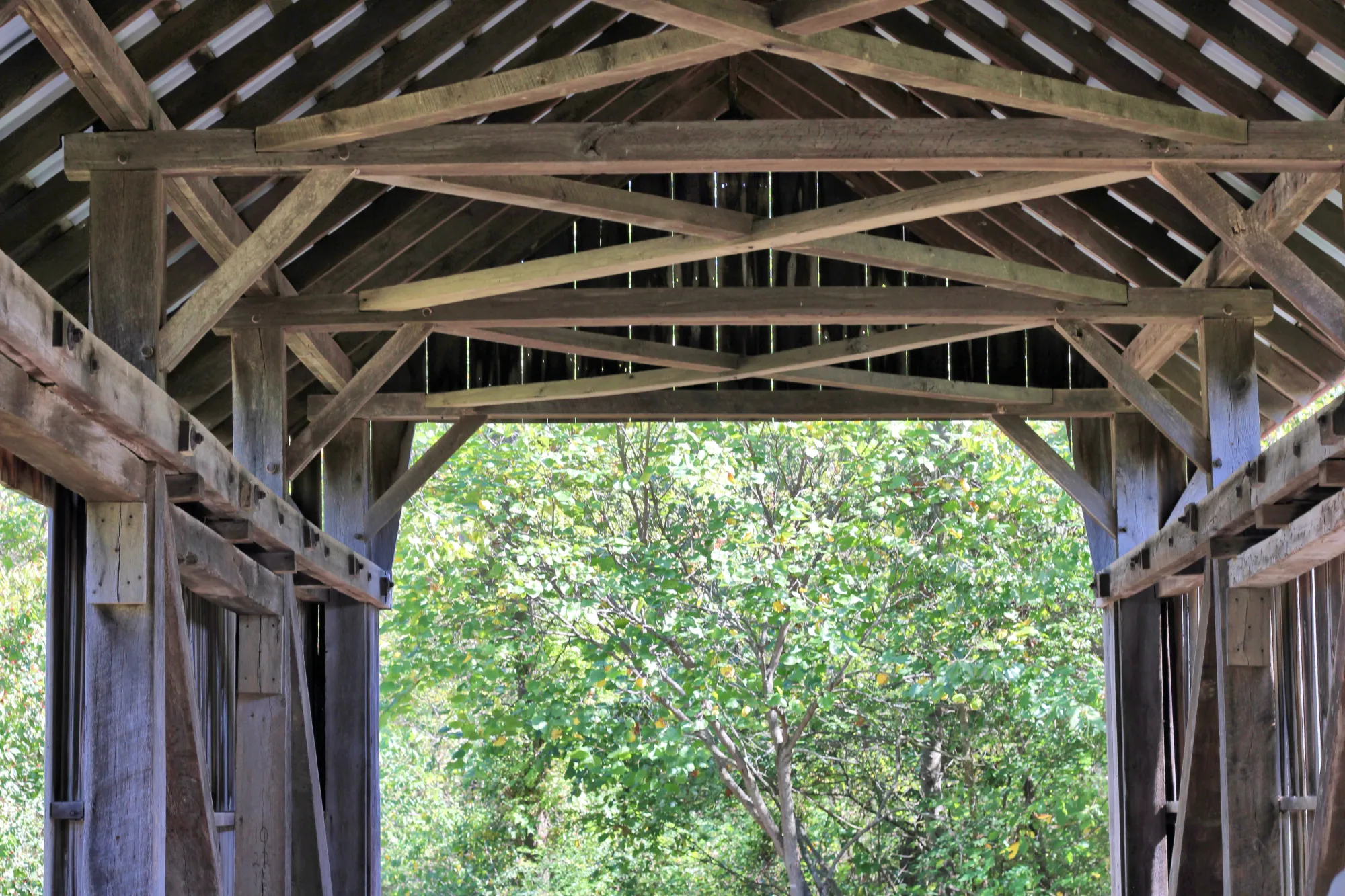
Blackburn Covered Bridge, originally built 1895 was moved and restored at Slate Run in 1998, and placed along the Covered Bridge Trail.
Hiking and Horseback Riding Trails:
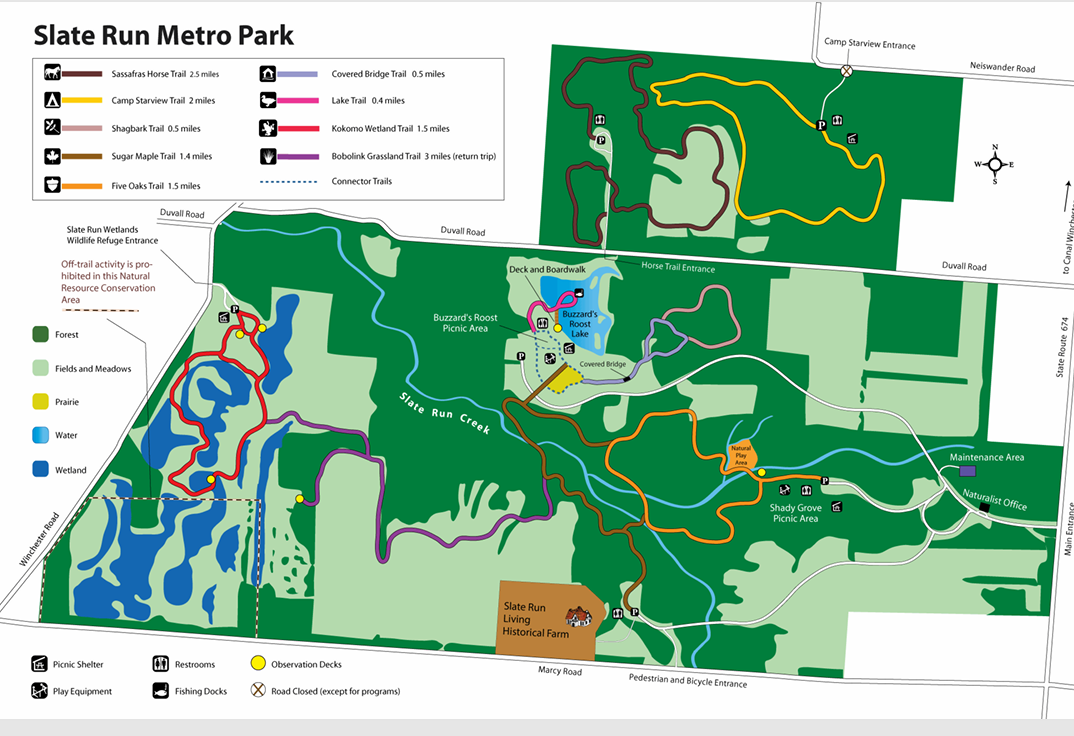
The park features over 7 miles of hiking trails, including the 2.5-mile Sassafras Trail for horseback riding, and the 2-mile Camp Starview Trail in the reservable day camp area.
Bobolink Grassland
1.5 miles
Easy – Hike – Grass – ADA
Winds through grassland and leads to an observation deck overlooking the wetlands.
Camp Starview
1.7 miles
Moderate to difficult – Hike – Grass, dirt and gravel
Goes through ravines and over steep hills. Open only to groups renting the Youth Camp.
Covered Bridge
0.5 miles
Easy – Hike, Pets – Gravel
Goes through a covered bridge and connects with the Shagbark Trail.
Five Oaks
1.5 miles
Moderate to difficult – Hike – Gravel
Goes through a steep ravine with black shale outcrops.
Kokomo
1.5 miles
Easy – Hike – Grass, dirt and boardwalk
Winds through the wetlands with numerous observation decks for watching wildlife.
Lake
0.3 miles
Easy – Hike, Pets – Paved
Leads to Buzzard’s Roost Lake
Sassafras
2.1 miles
Horseback riding only – Grass, dirt and gravel
Goes through forest and meadows.
Shagbark
0.5 miles
Easy – Hike, Pets – Gravel
A loop trail at the end of the Covered Bridge Trail. Goes through forest and meadows.
Sugar Maple
1.3 miles
Moderate to difficult – Hike – Gravel
Crosses Slate Run Creek and several steep hills.
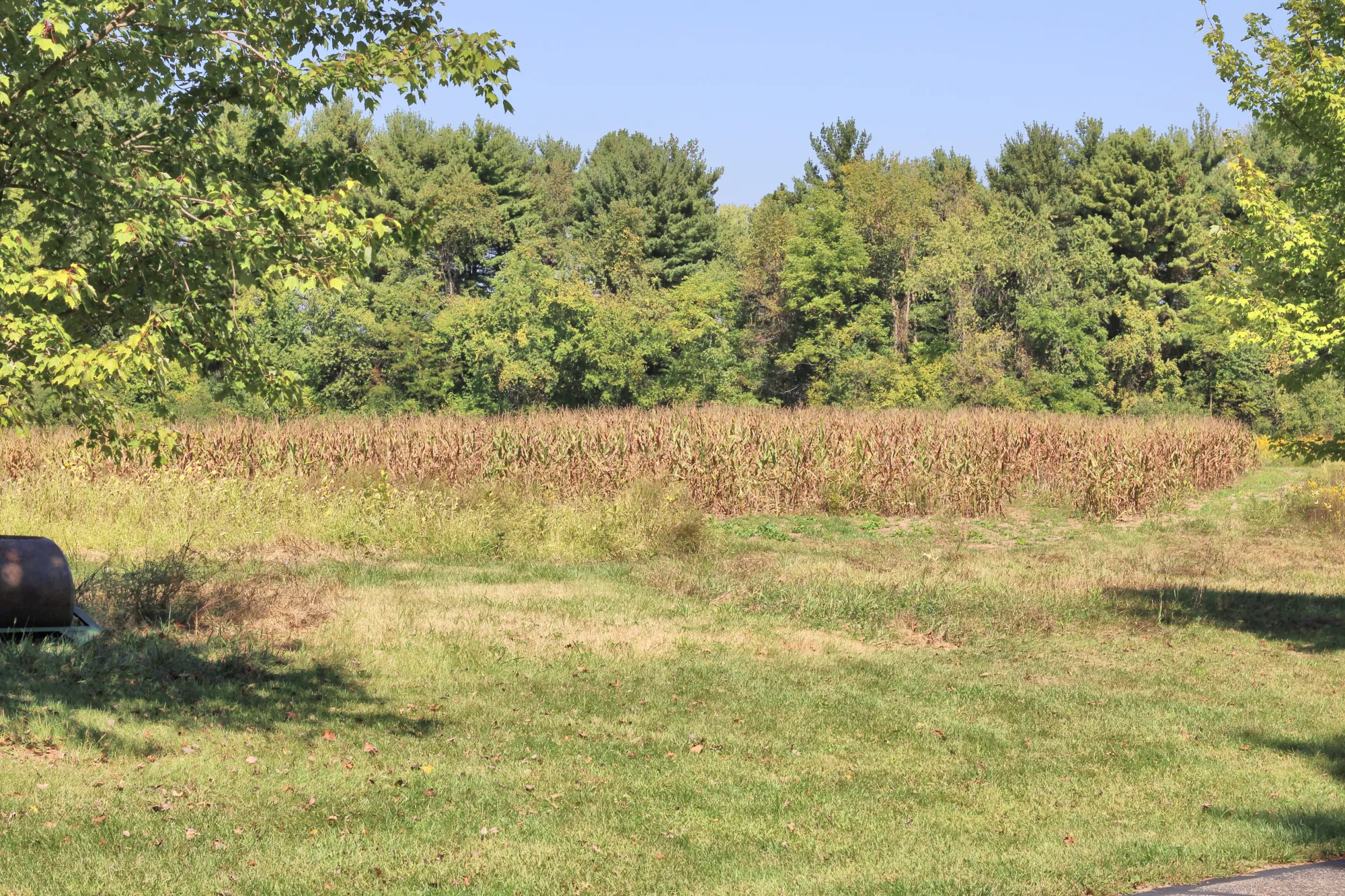
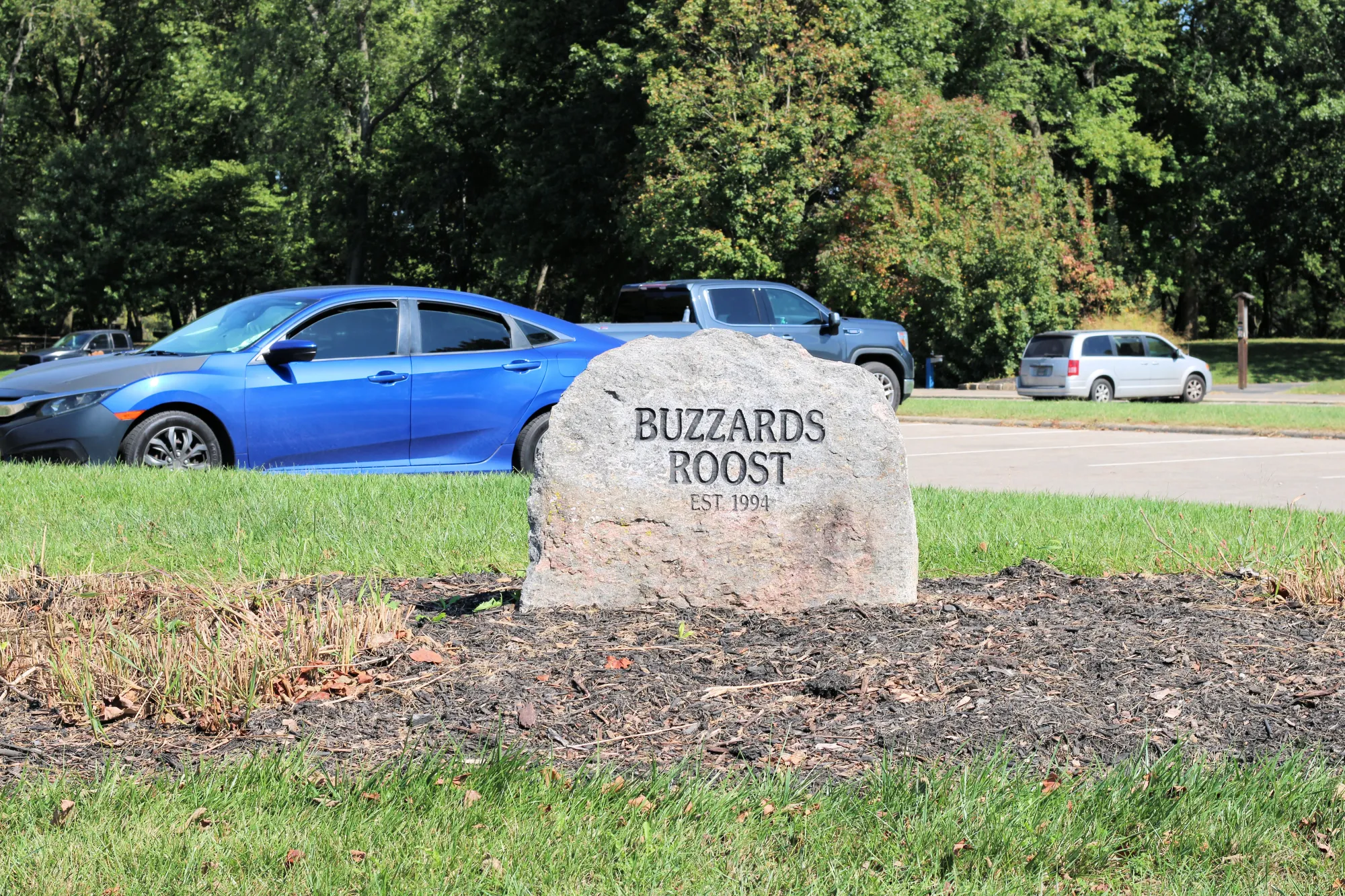
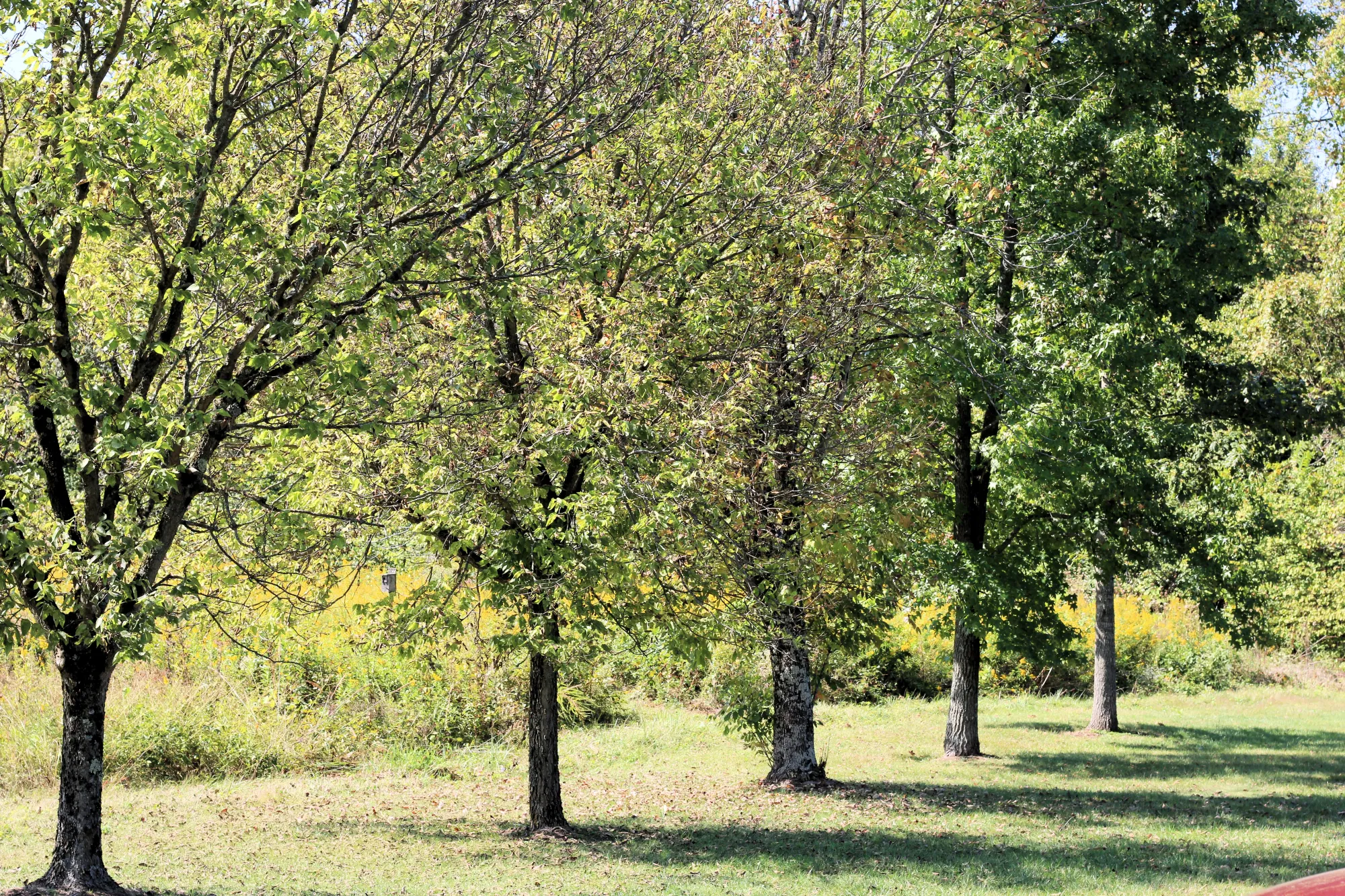
Conclusion:
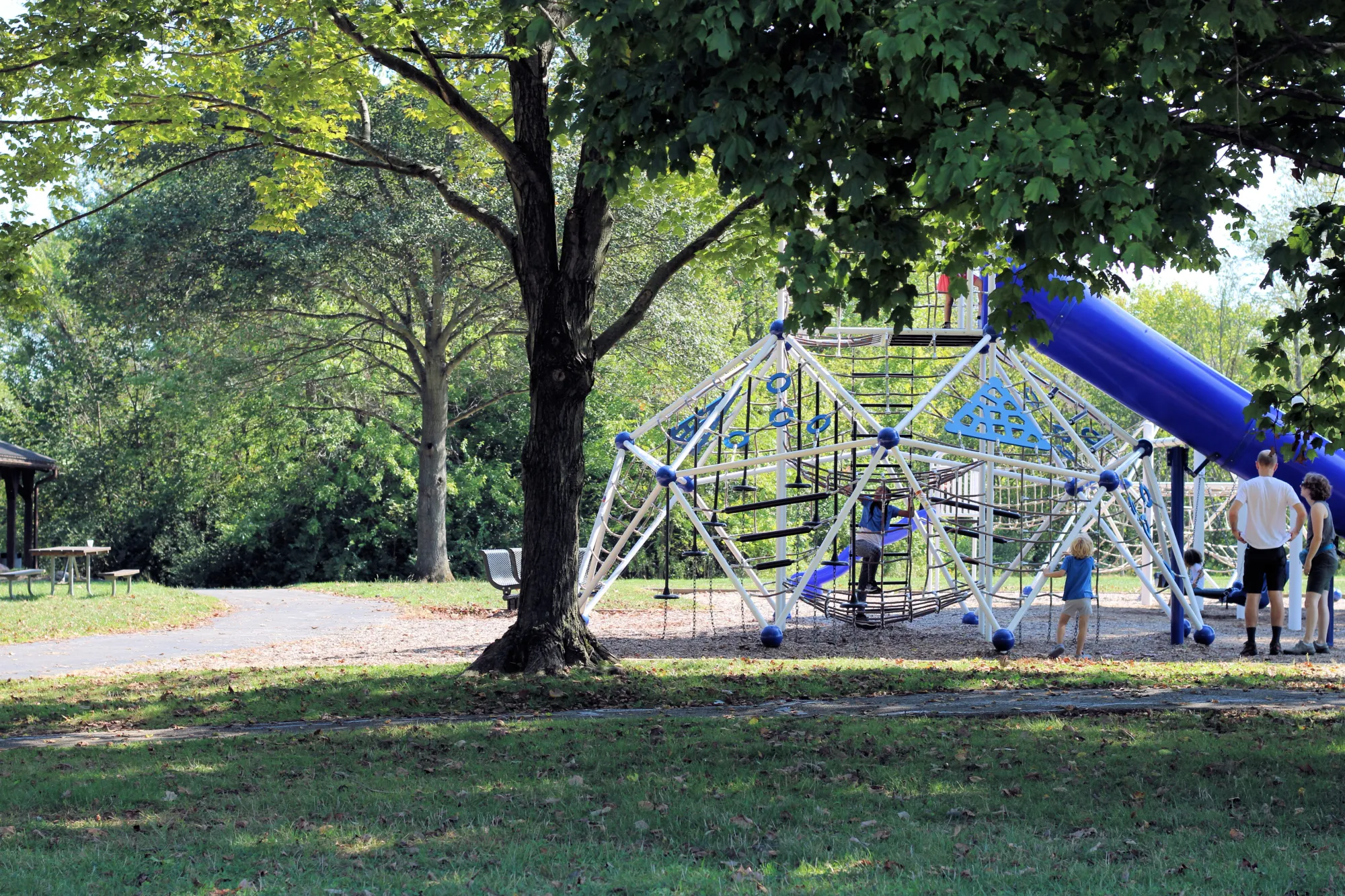
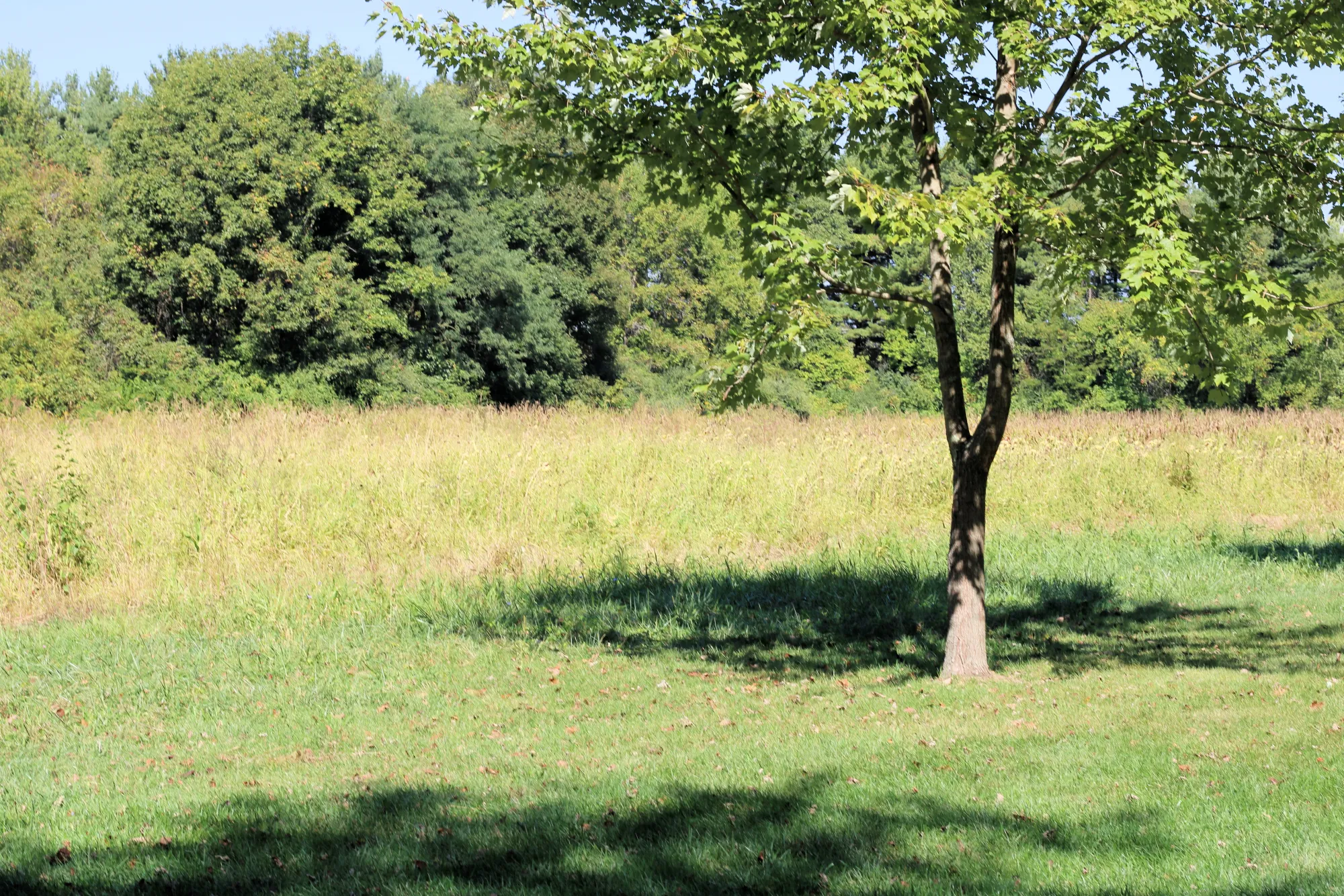
We visited this park a lot in the 1990's when our sons were small. We would run and hike the trails. At the time we were living in Canal Winchester, so this park was easy to get too. When we moved to Pataskala, we didn't get out to Slate Run Metro Park. I was really glad we made this fall. It really is a beautiful park. I have fond memories of our time spent there.
More in
Three Creeks Park Columbus: Trail Guide & River Hike 2026
Three Creeks Park (3 Creeks) in Columbus, OH: 3-mi flat loop at the Scioto River confluence. 80 ft gain, 1.2 hrs. Family-friendly hike with wildlife viewing.