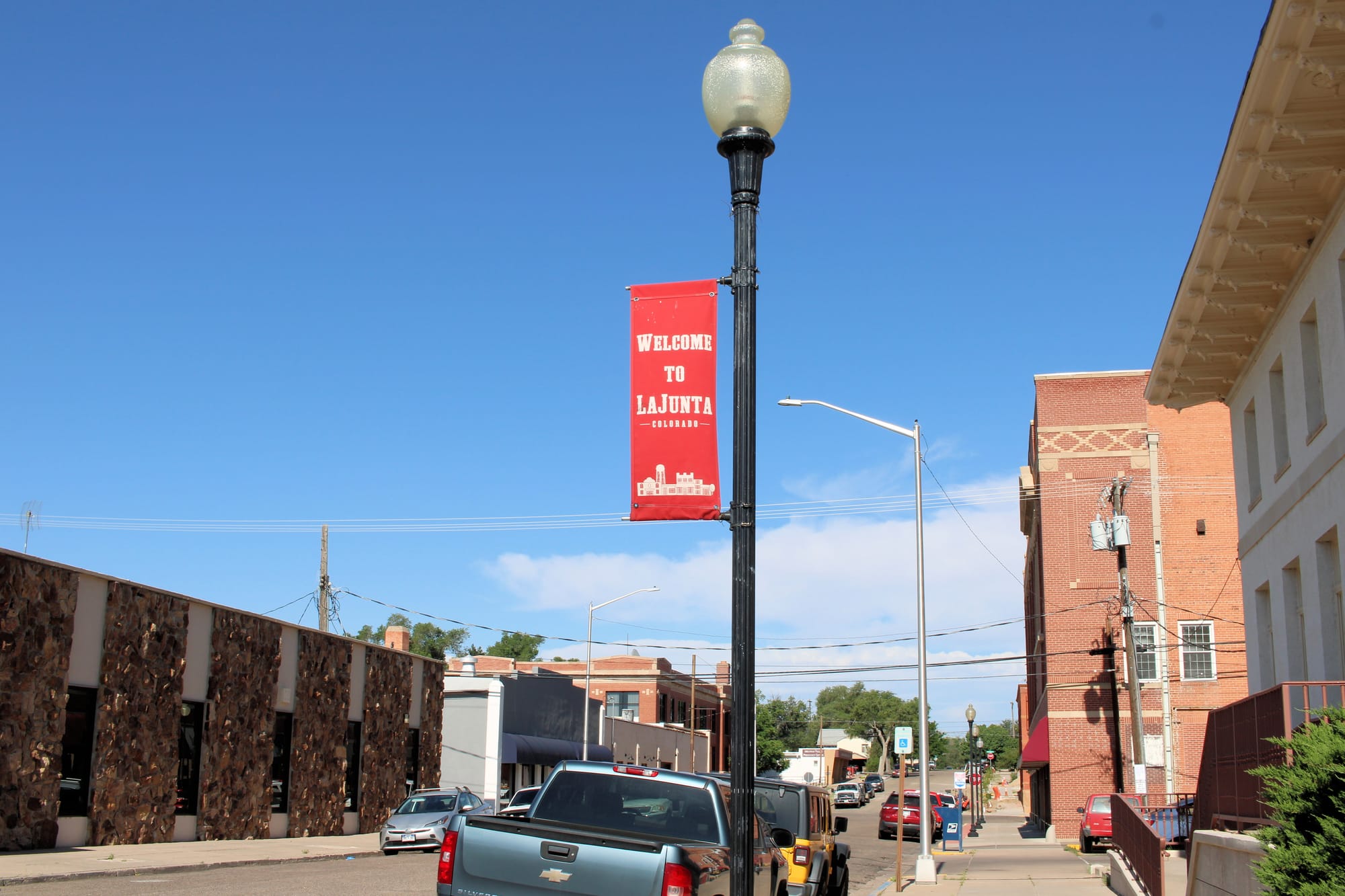
Stop #5 La Junta, CO
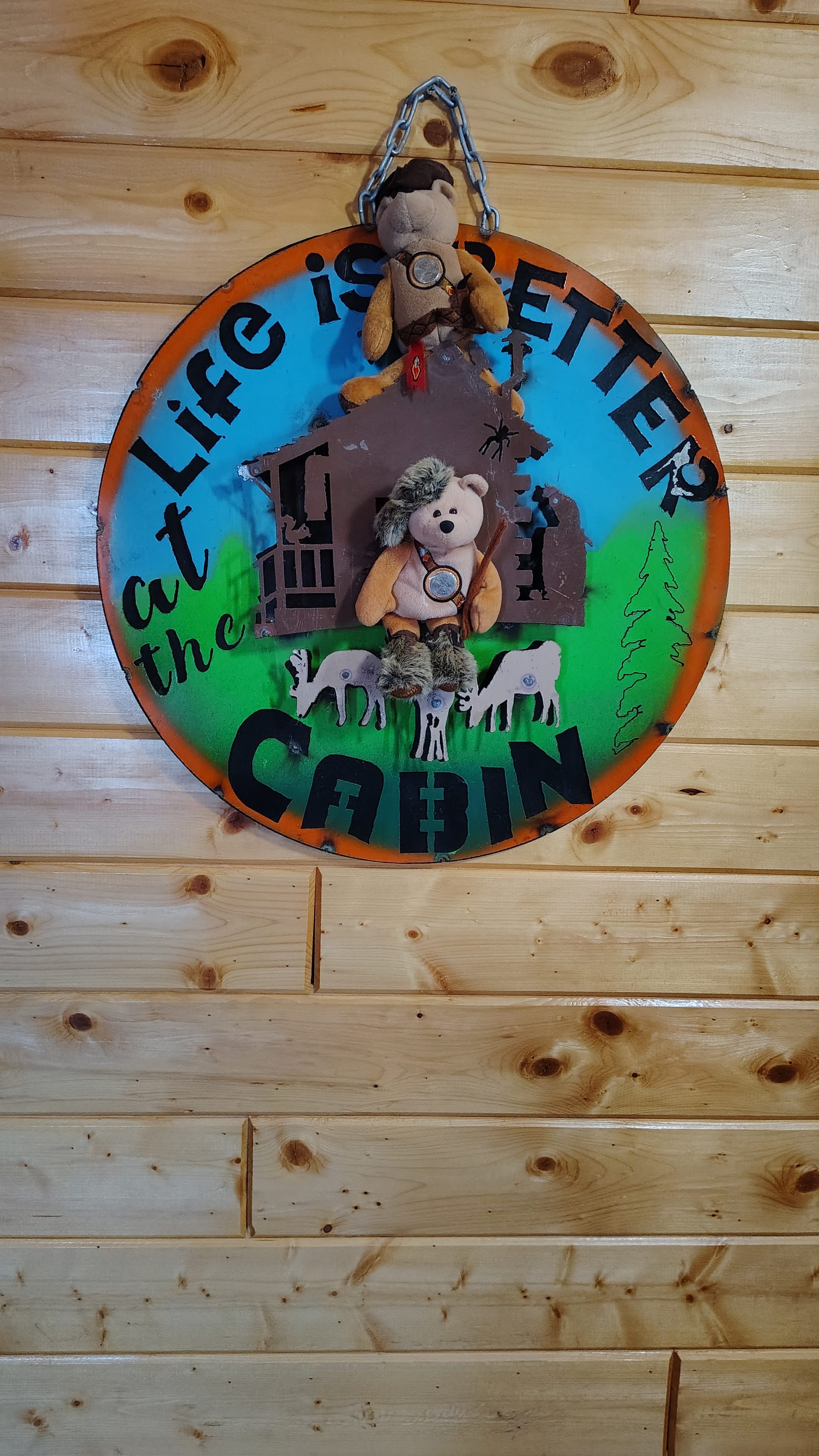
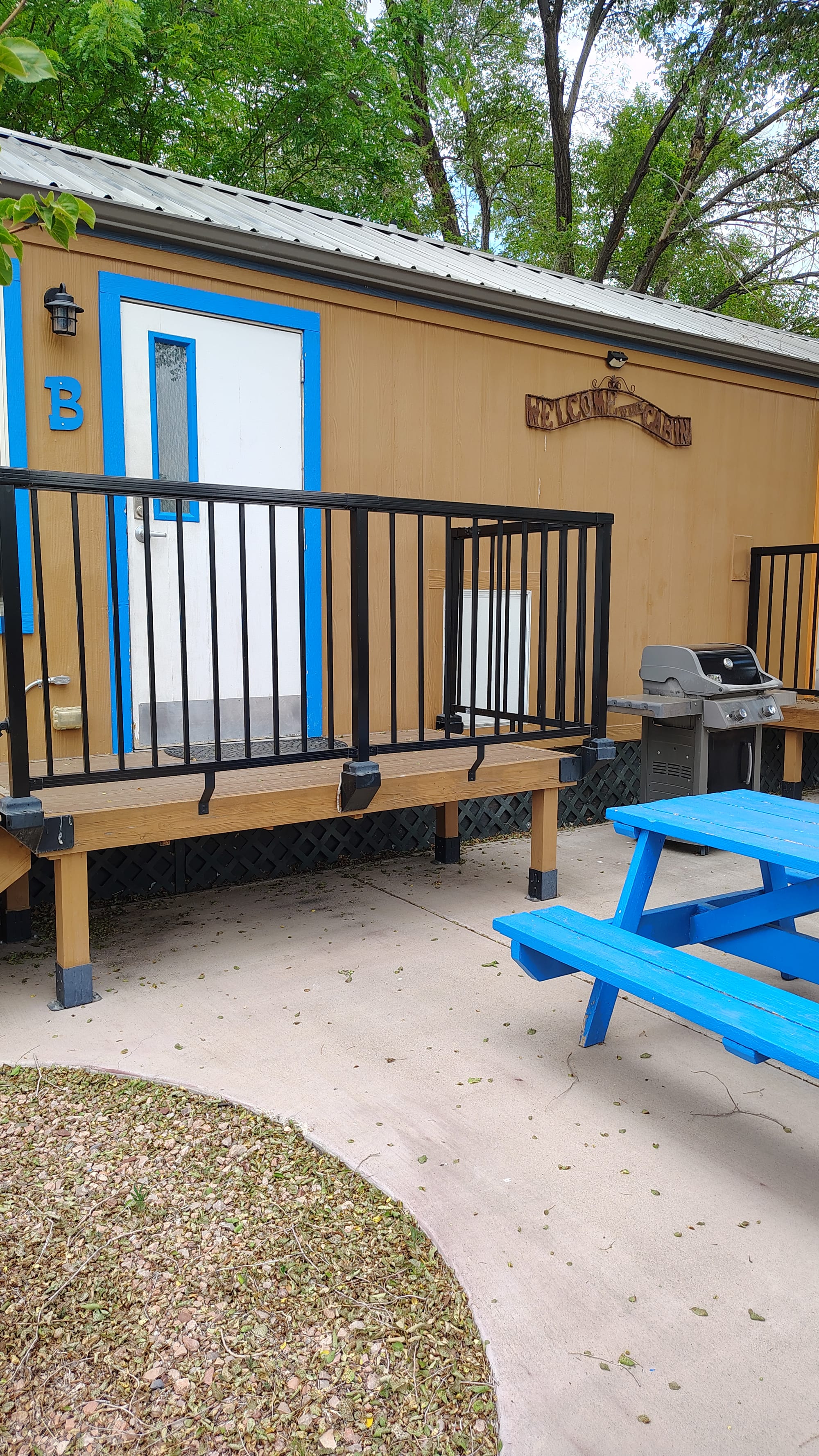
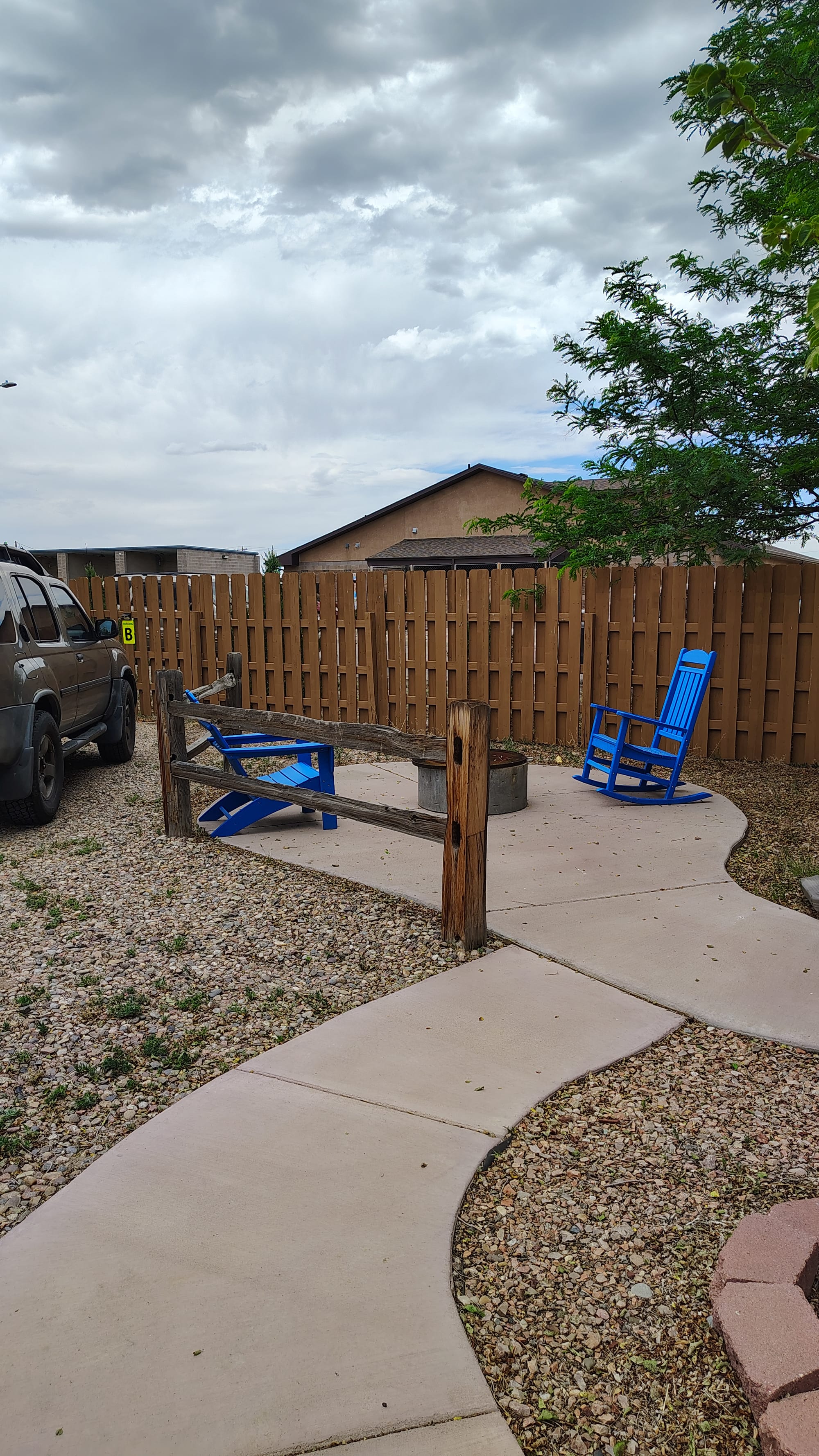
This stop was supposed to be a cabin. It was sort of a cabin but more like a trailer. Now for some reason I thought all cabins would be in the woods. Nope, the cabin was basically in a Walmart parking lot. It was a one room trailer. It looked like a cabin on the inside and was actually pretty nice. We were able to get our laundry done also. That was an absolute plus.
La Junta Camping & Cabins
It formerly operated as La Junta KOA / La Junta KOA Journey. The current name is La Junta Camping & Cabins. The property’s own site now uses that name, while older KOA pages still identify the same location as La Junta KOA Journey.
- Address: 26680 US-50, La Junta, CO 81050
- Phone: (719) 384-9580
- Current website: La Junta Camping & Cabins
- Former KOA: La Junta KOA Journey
- Current amenities: RV sites, tent sites, cabins, restored railroad caboose lodging, pool/waterslide, mini golf, dog park, playground, laundry, and recreation room.
Interestingly, a current listing says the property was known as La Junta KOA Cabins & Tiny Home Resort Park before July 2019, then La Junta Colorado Cabins, before becoming La Junta Camping & Cabins in May 2026.
La Junta
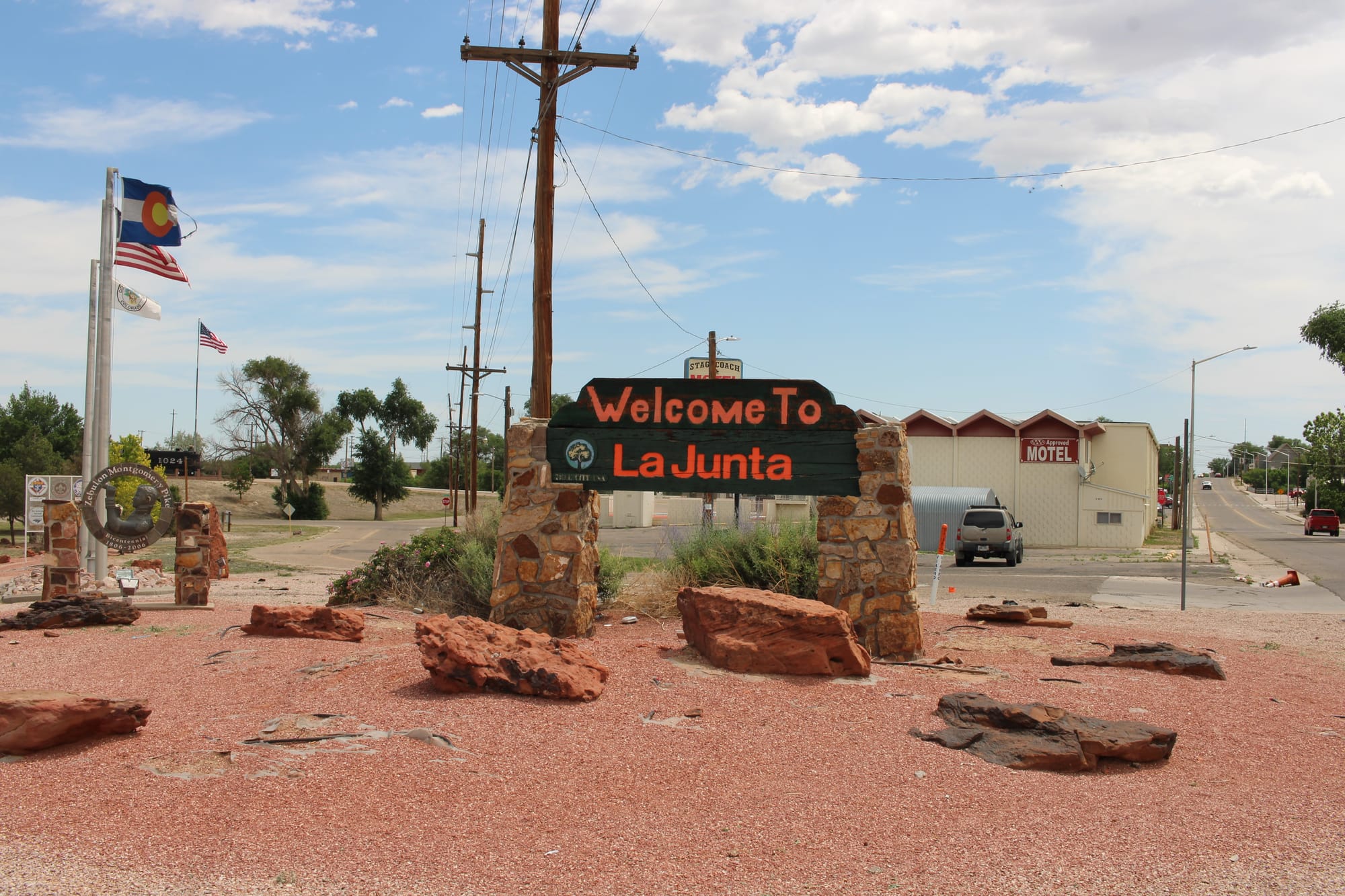
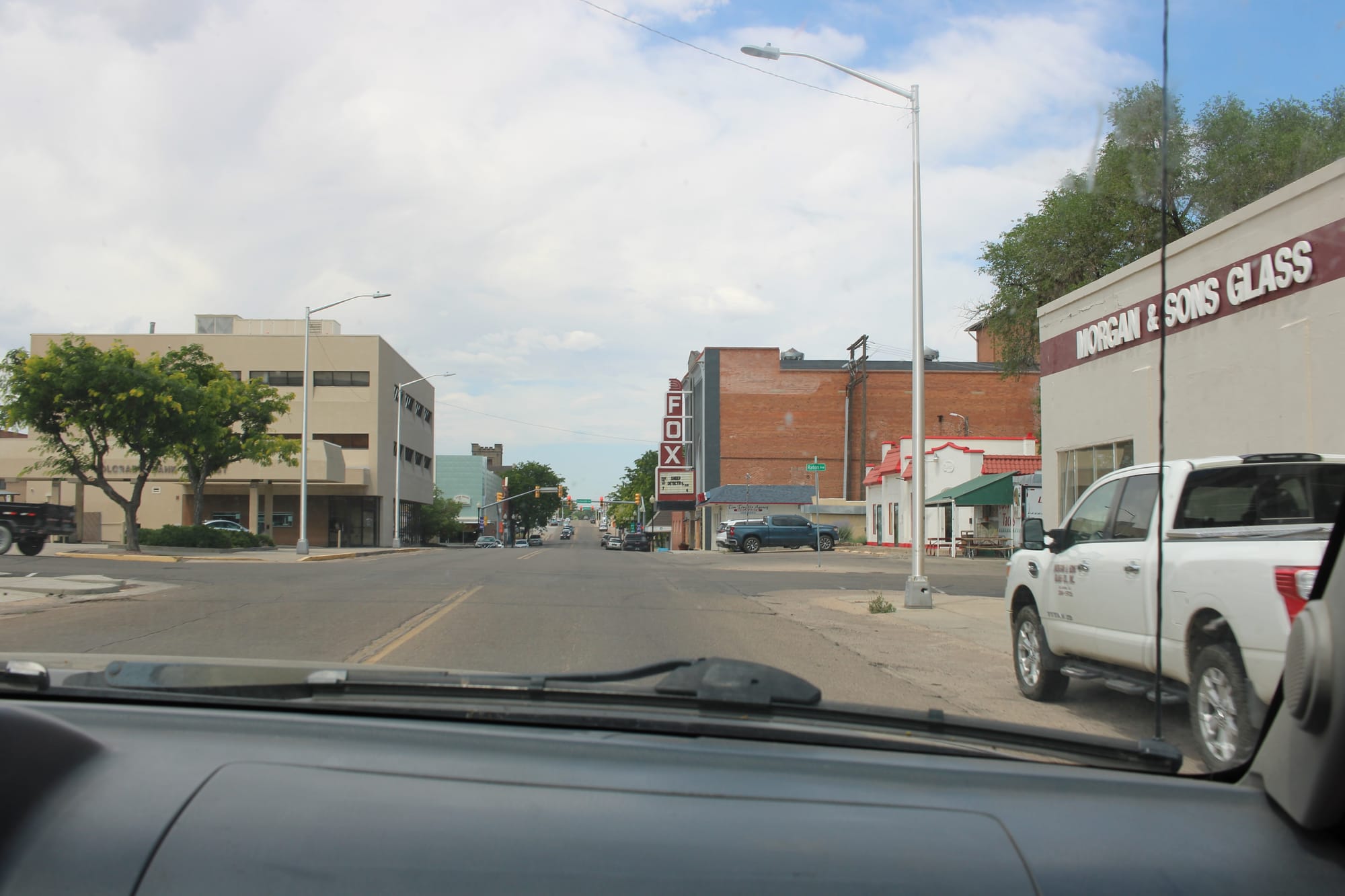
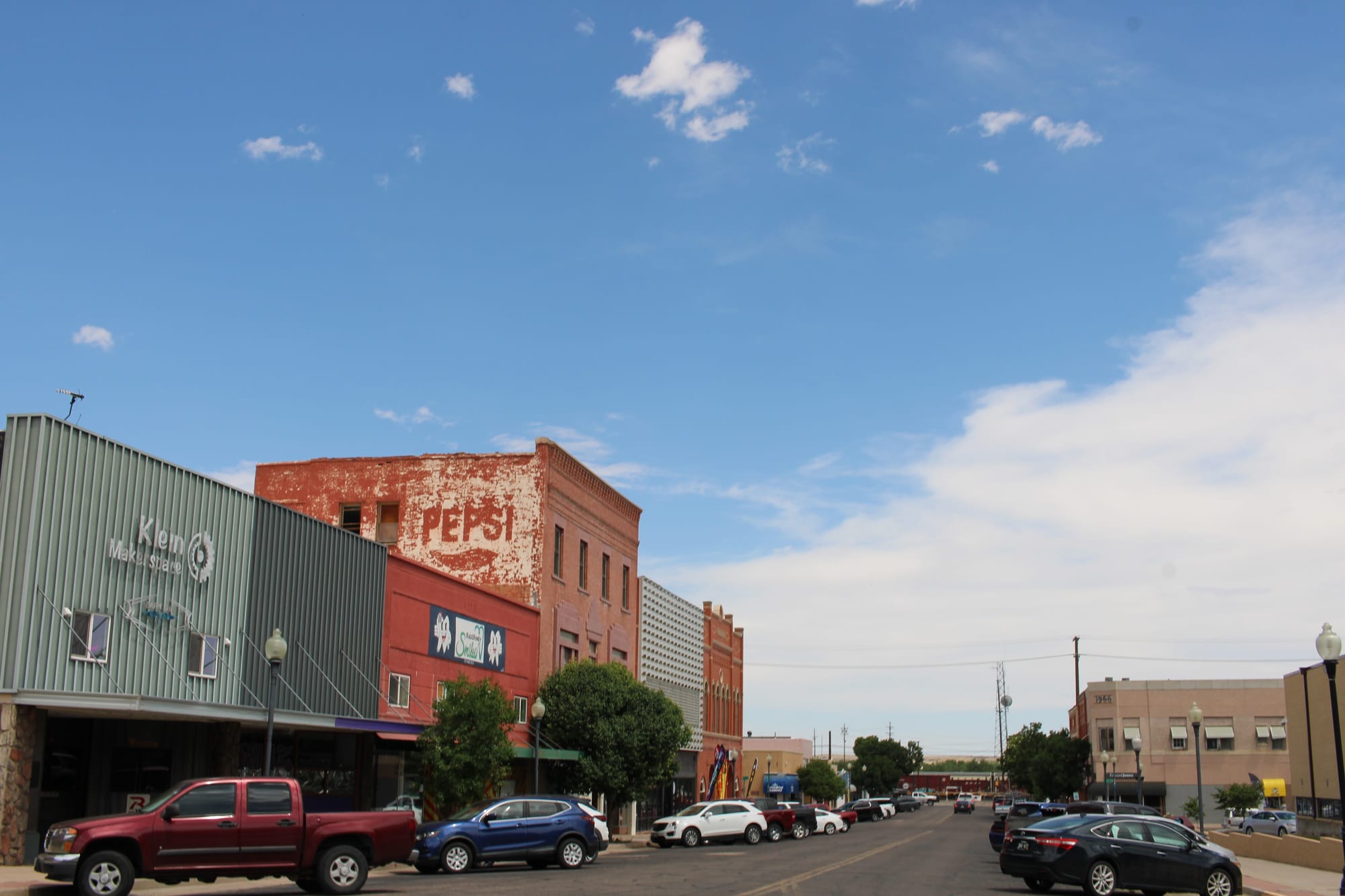
La Junta, Colorado is a small city in southeastern Colorado with a rich history connected to Native American cultures, the Santa Fe Trail, railroads, agriculture, and the settlement of the American West. It sits along the Arkansas River in the Arkansas Valley and is the county seat of Otero County. The name La Junta is Spanish for “the junction” or “meeting place,” pronounced “La Hunta.”
https://cdn.llitd.com/blog-hiking/photo-sets/library-stock/la-junta-co/img-8246-featured.jpg

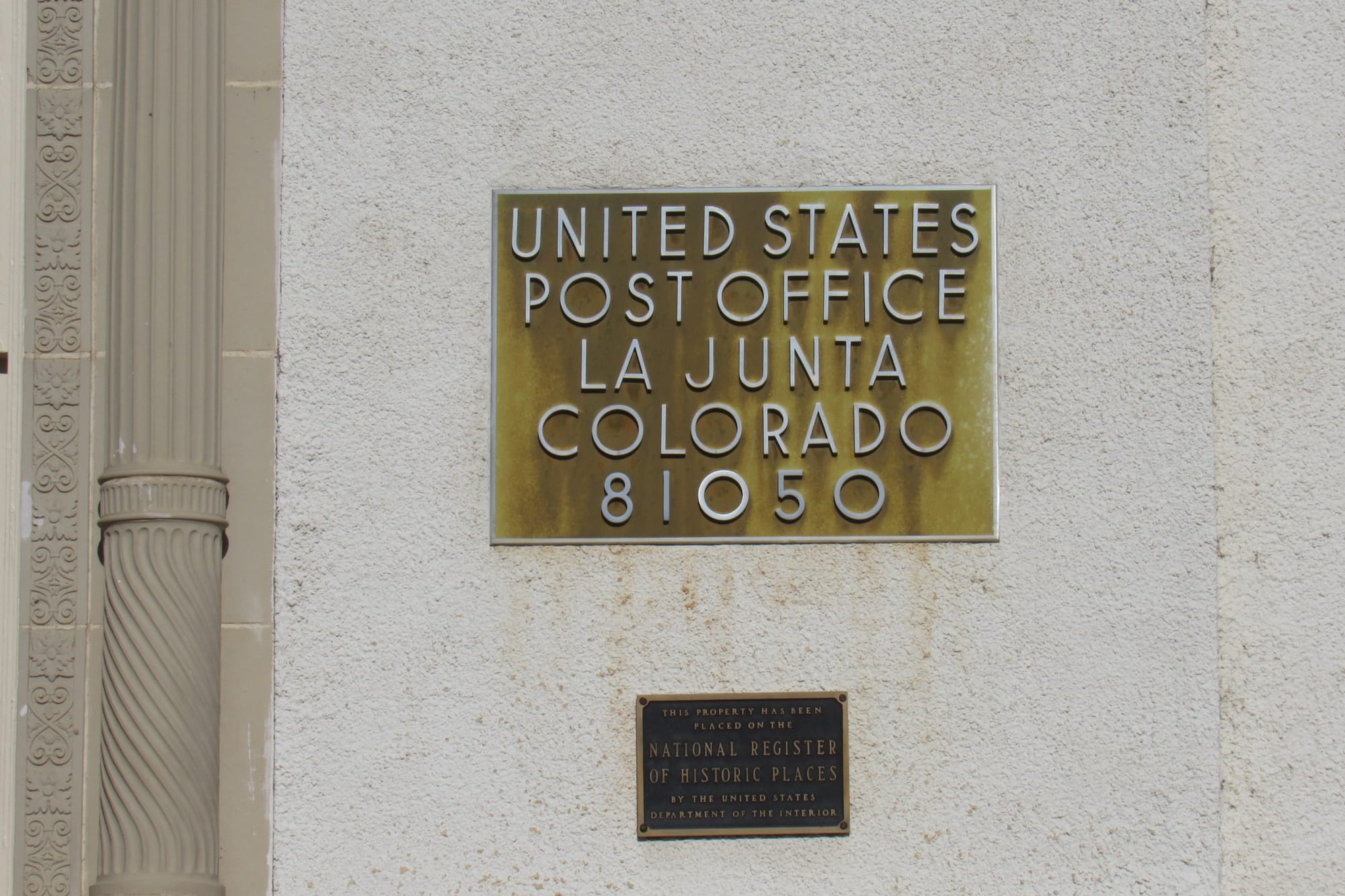
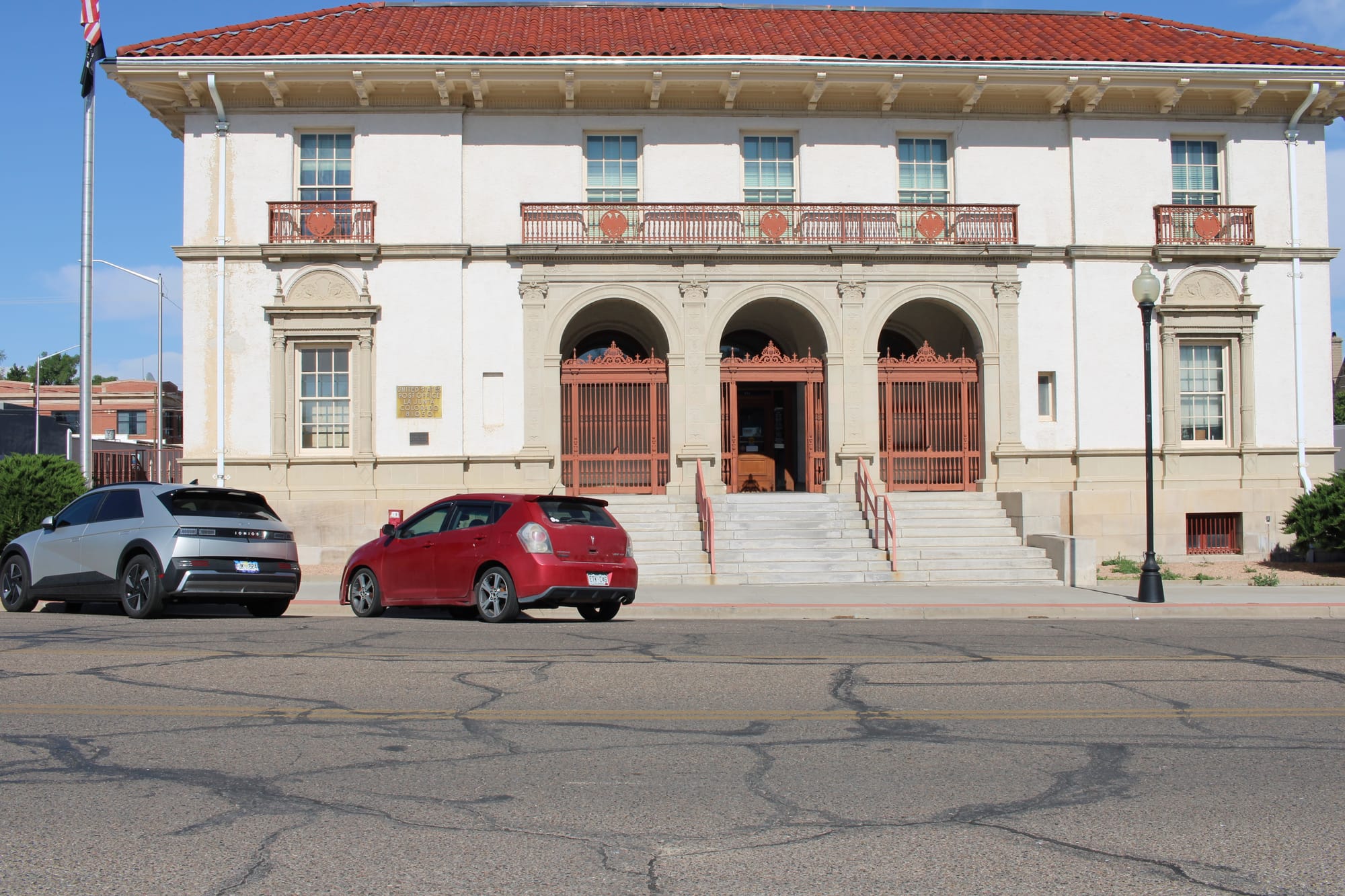
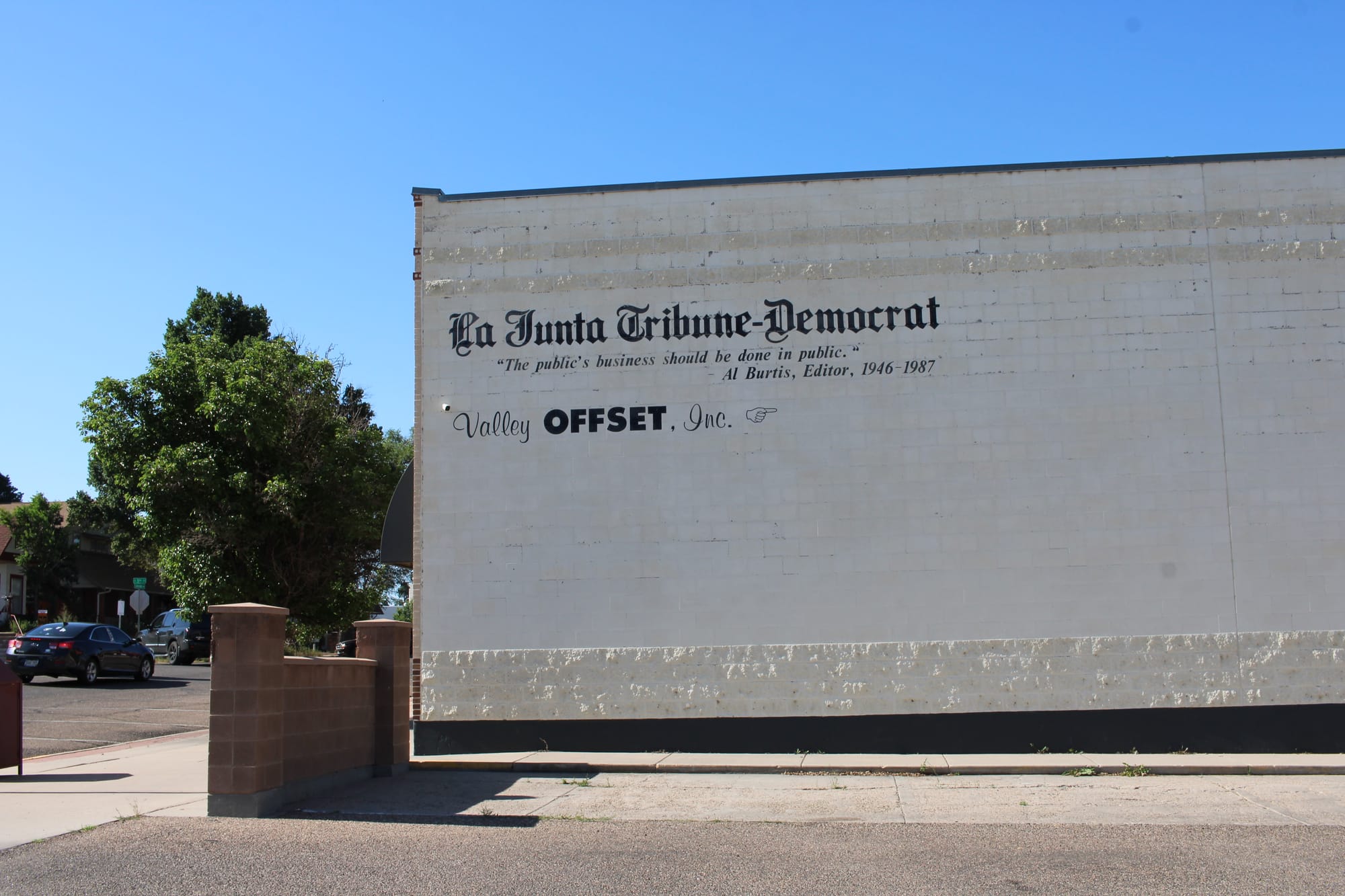
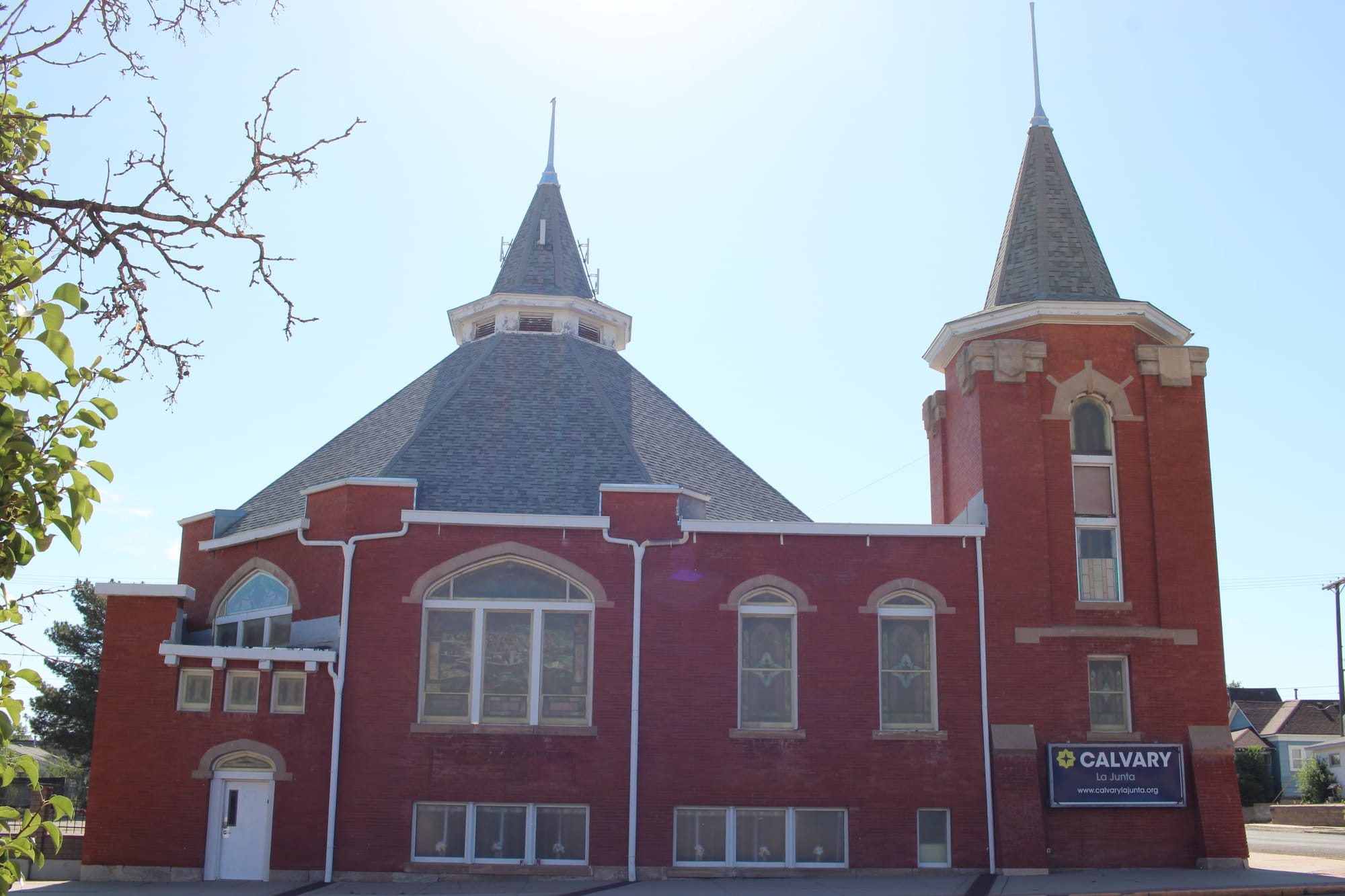
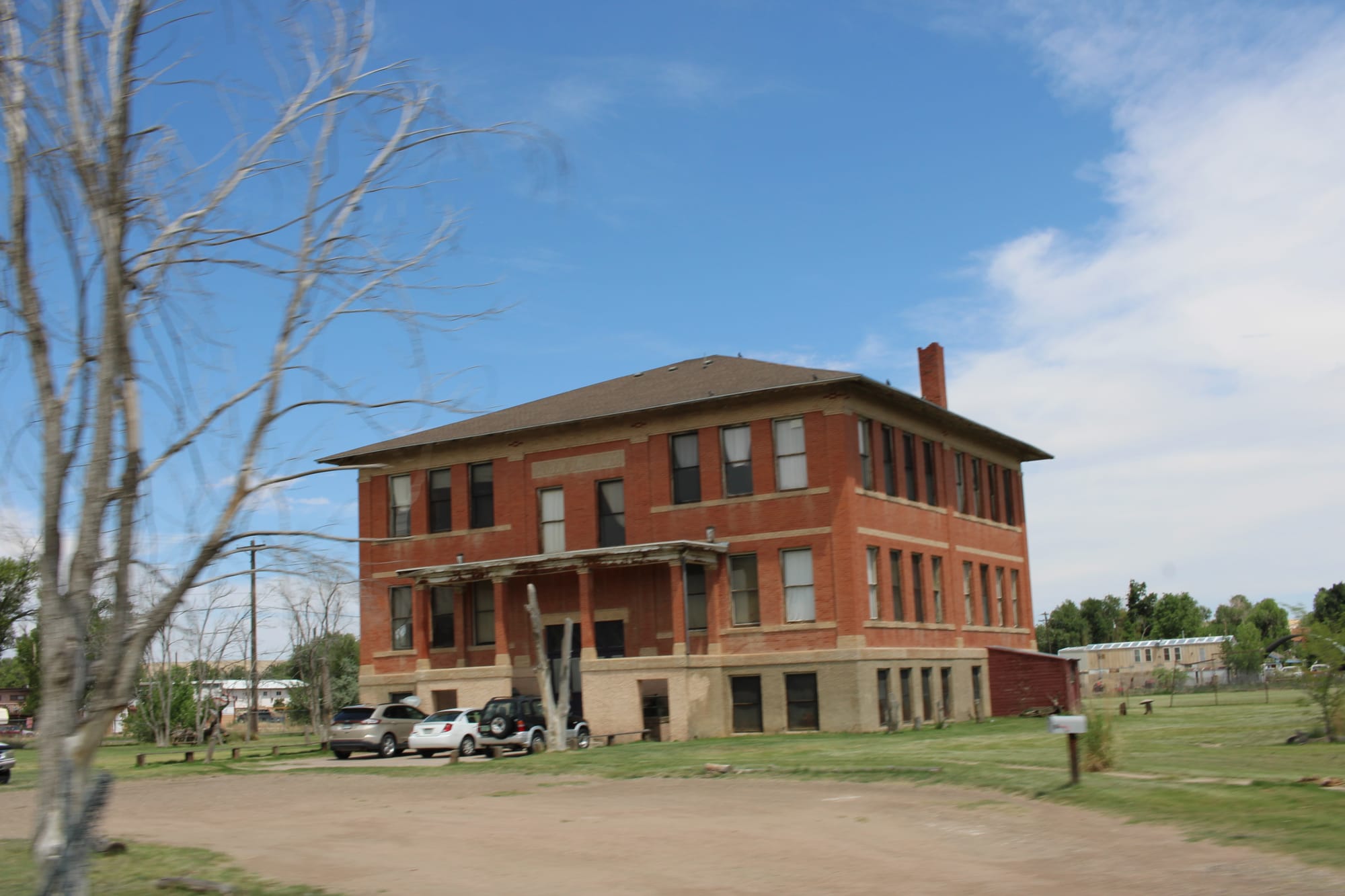
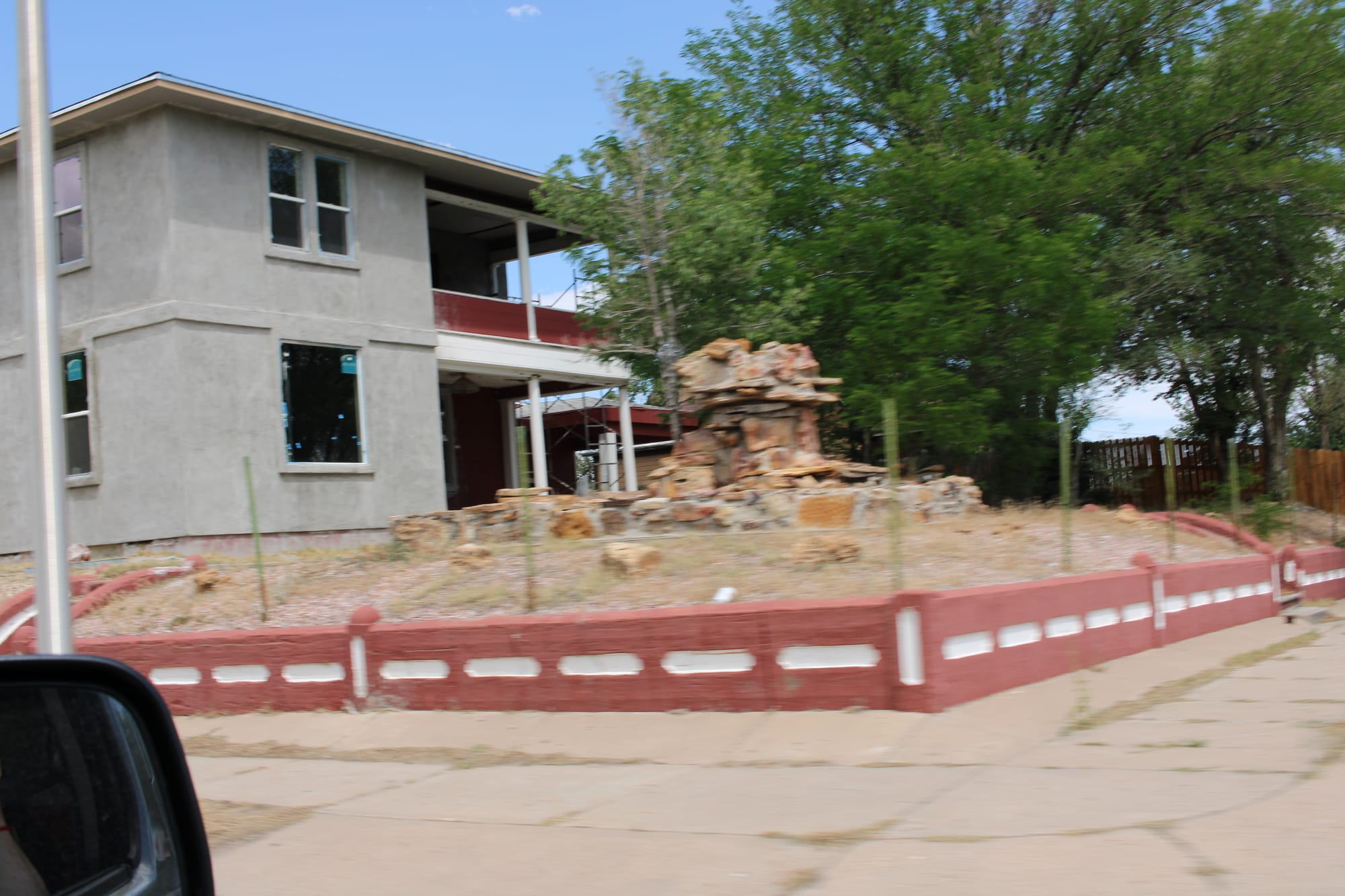
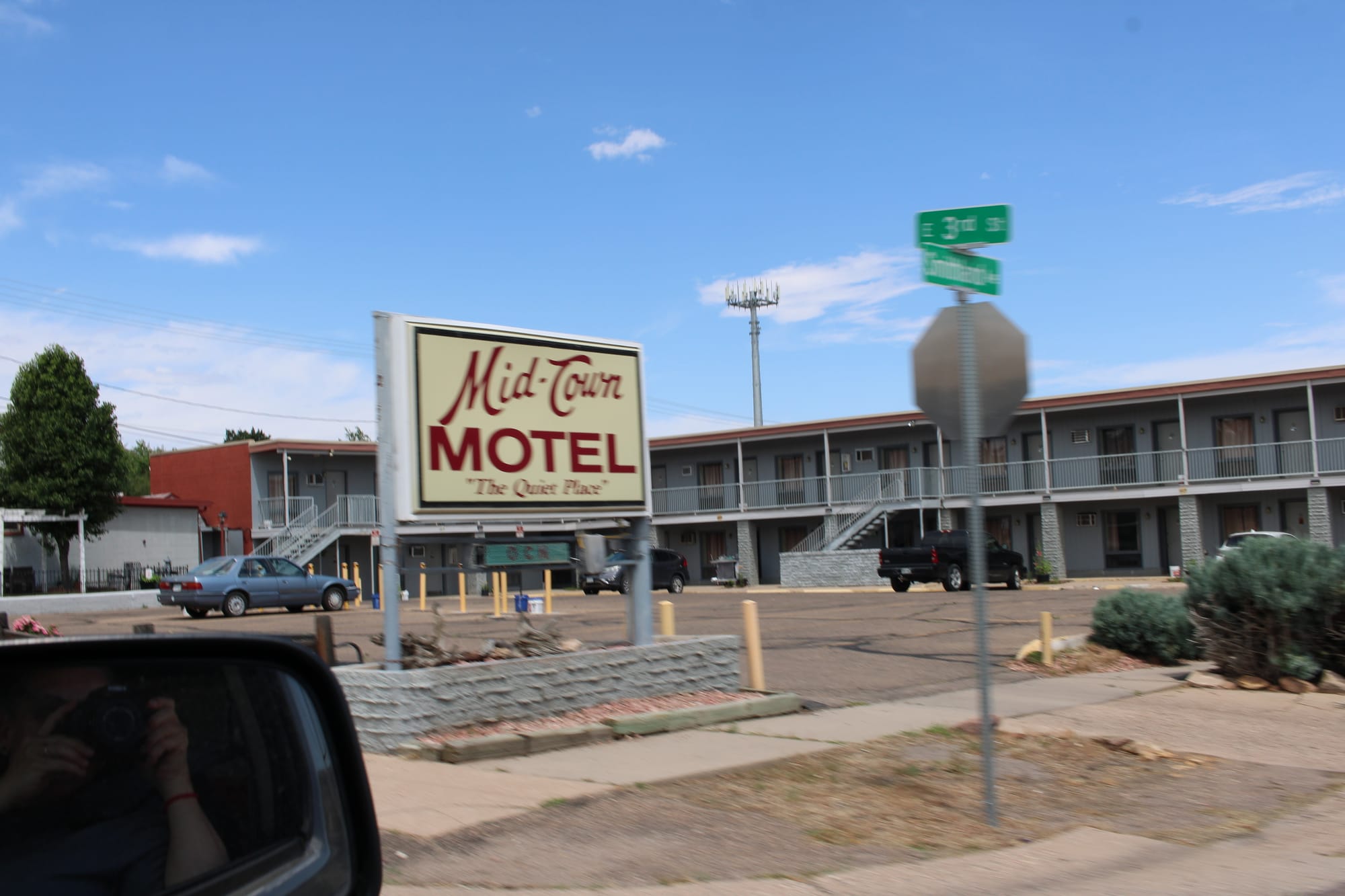
Railroads
Modern La Junta emerged in the 1870s, when railroads reached the area. The city says the first settlement arose in 1873 at the end of a Kansas Pacific Railroad spur. That railroad effort failed, and the settlement nearly disappeared. Then the Santa Fe Railroad arrived in the mid-1870s, essentially bringing La Junta back to life. The town was incorporated in 1881. The town's history is as much railroad history as Old West history.
The railroad turned La Junta into an important transportation and commercial center. Agriculture, ranching, livestock, railroading and trade all developed around that junction.
https://cdn.llitd.com/blog-hiking/photo-sets/library-stock/la-junta-co/img-8246-featured.jpg
Why La Junta is historically important
The area was a crossroads long before the modern town existed. The Arkansas River valley was home to Plains peoples, including the Cheyenne and Arapaho, and the region became an important corridor for trade and travel.
The biggest historical story is the Santa Fe Trail. In the 1800s, the trail connected Missouri with Santa Fe and Mexico. La Junta's location was significant because routes came together here before continuing toward Pueblo, the mountain passes, New Mexico, and the Southwest.
Bent’s Old Fort
Bent's Old Fort National Historic Site
35110 State Highway 194 E.
La Junta, CO 81050
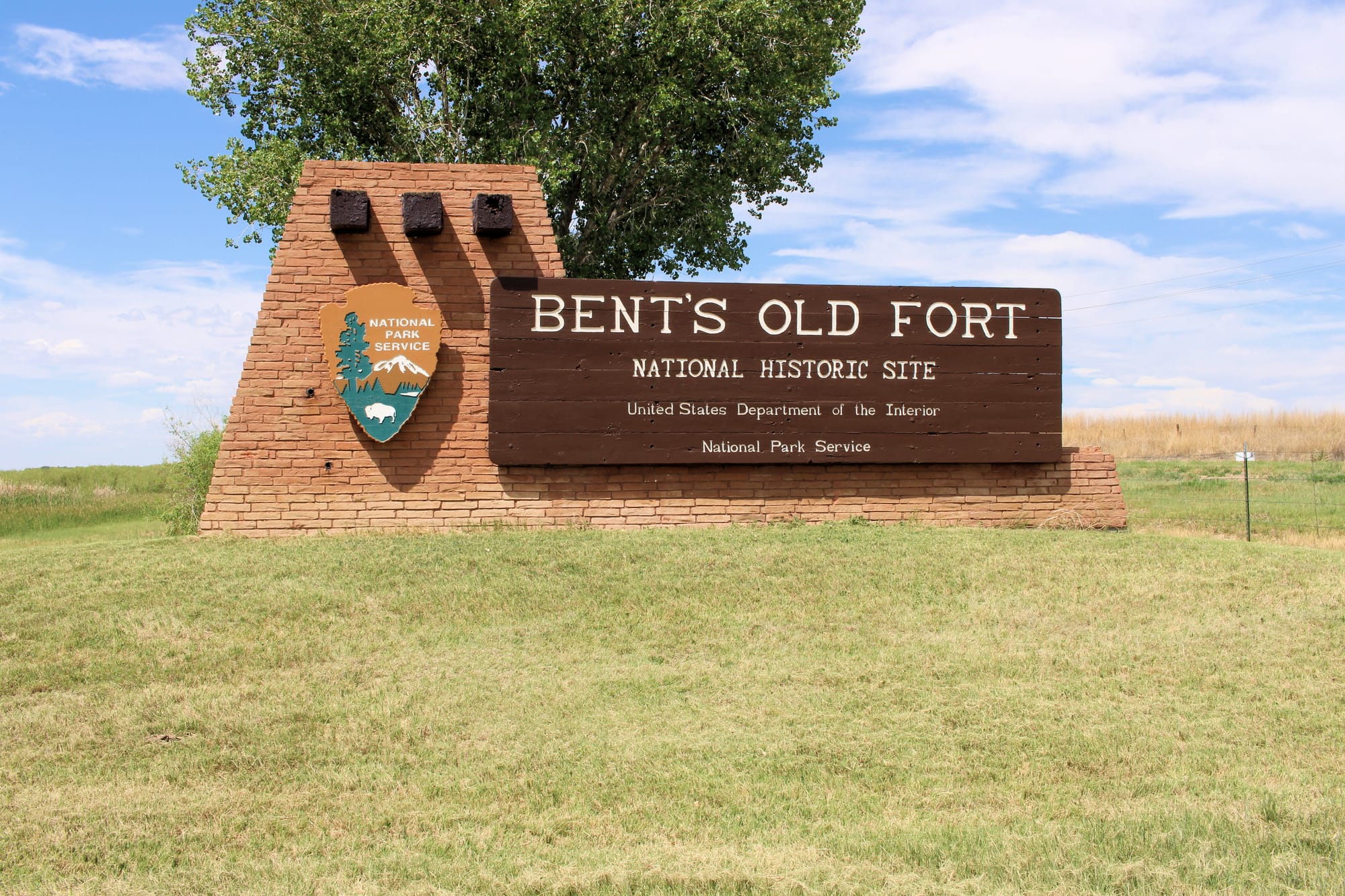
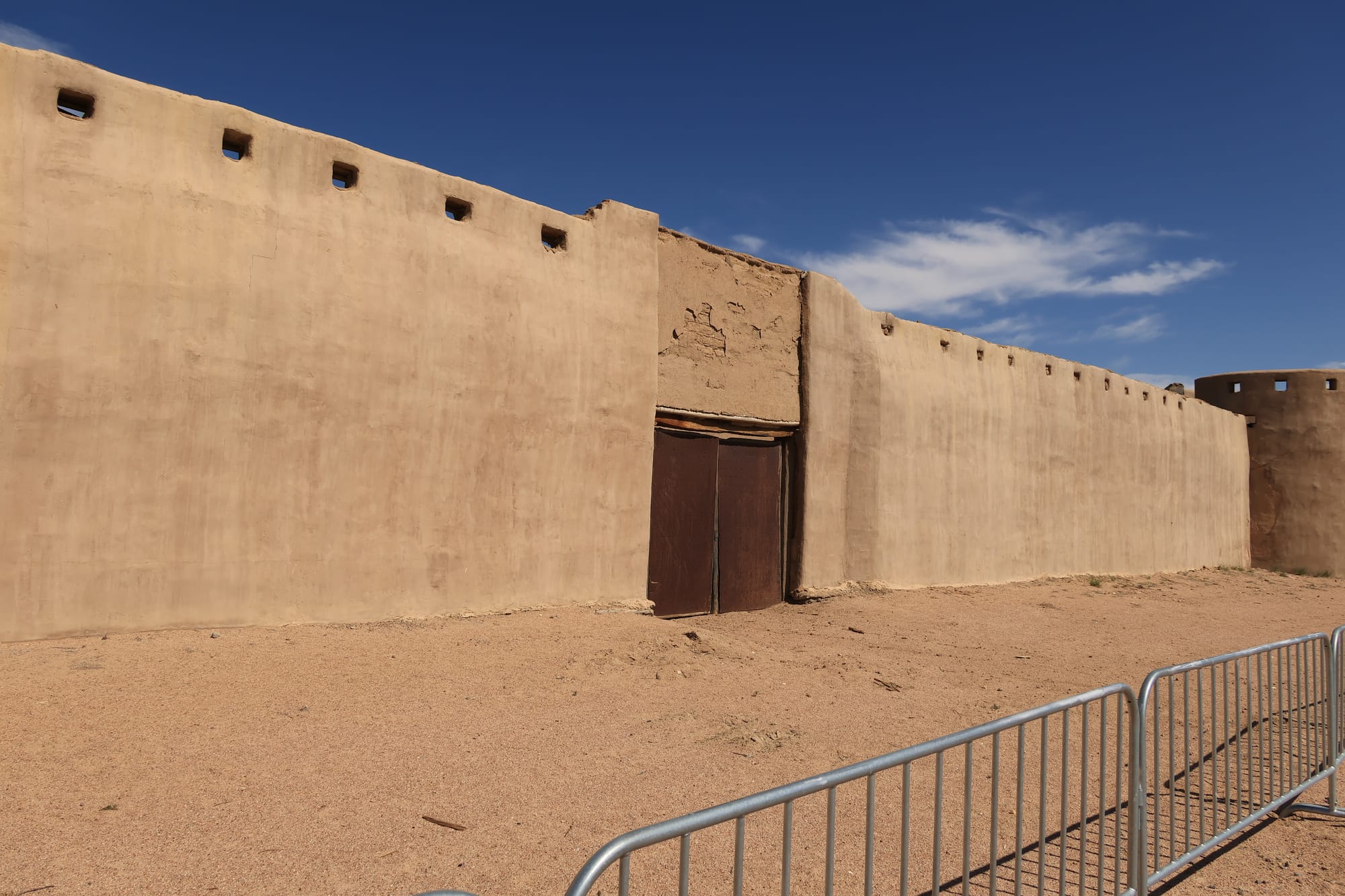
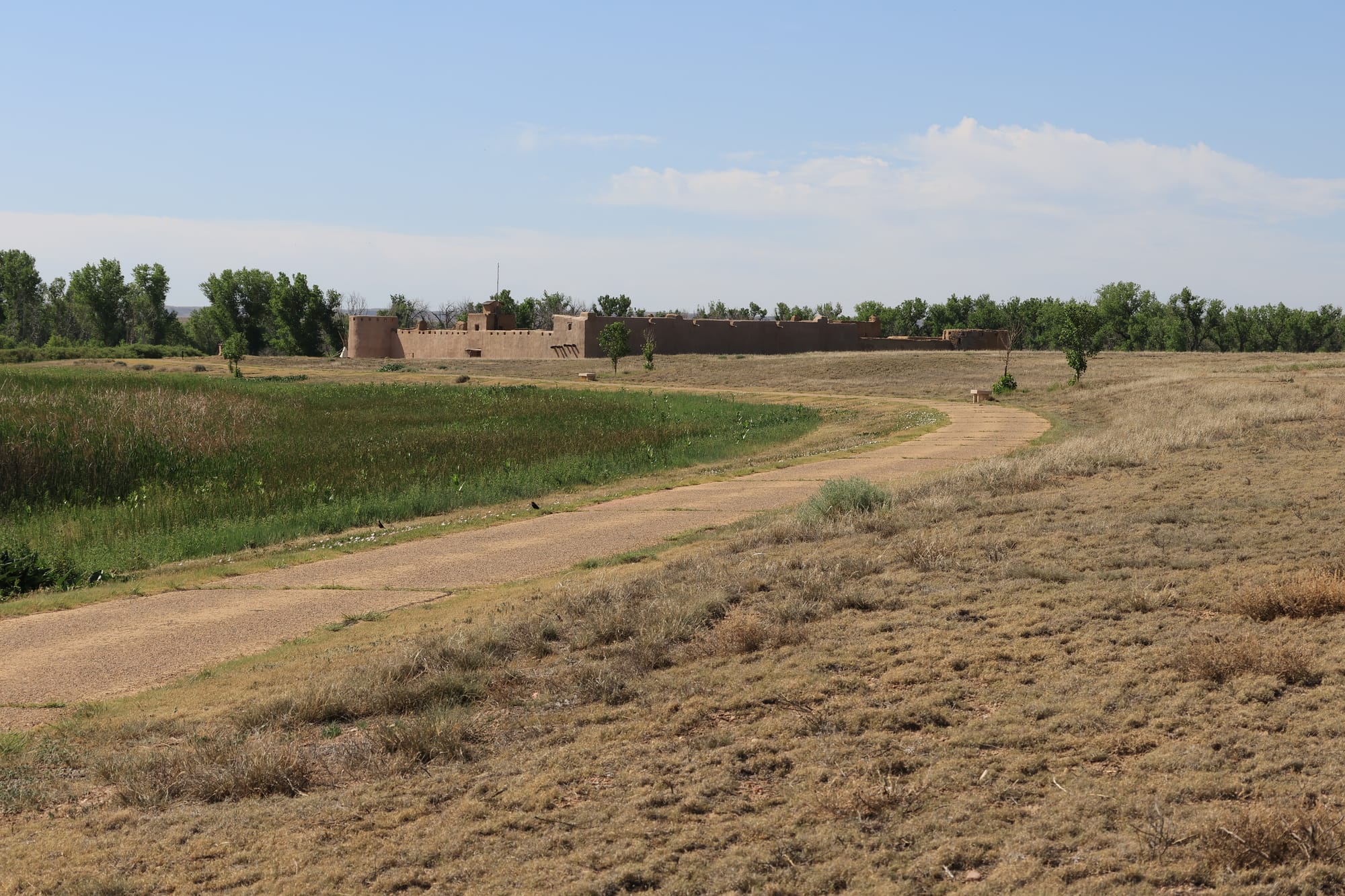
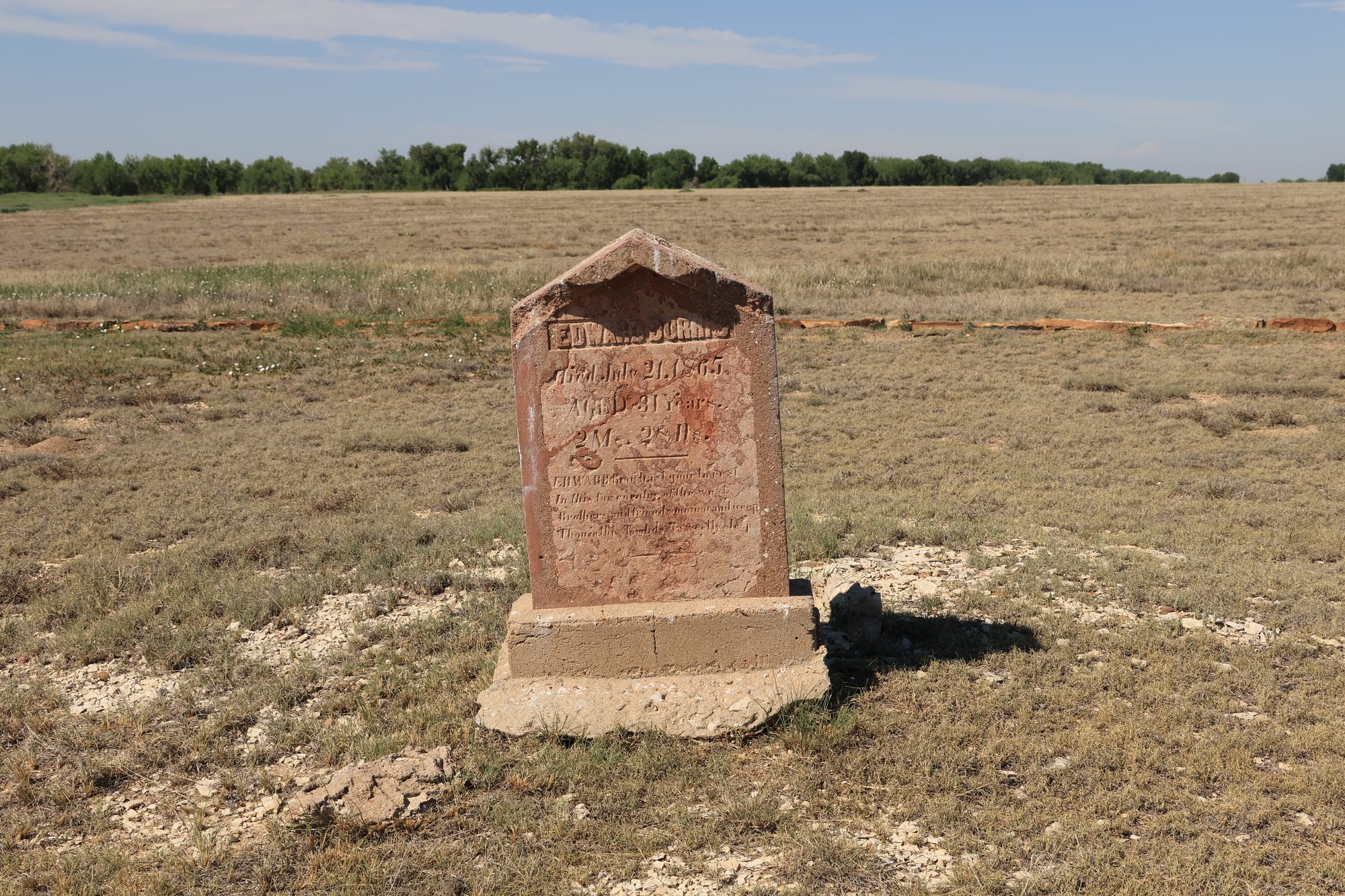
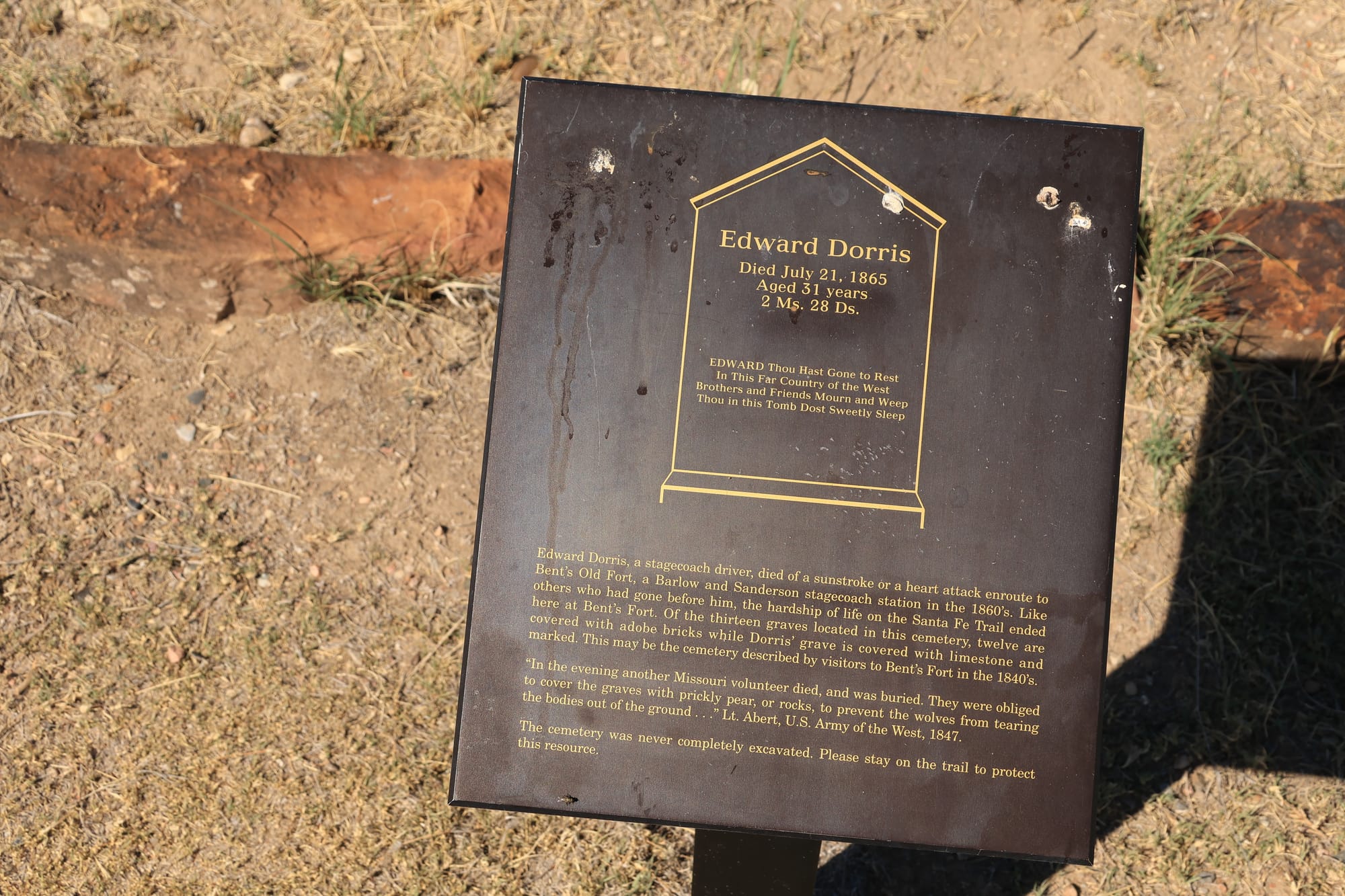
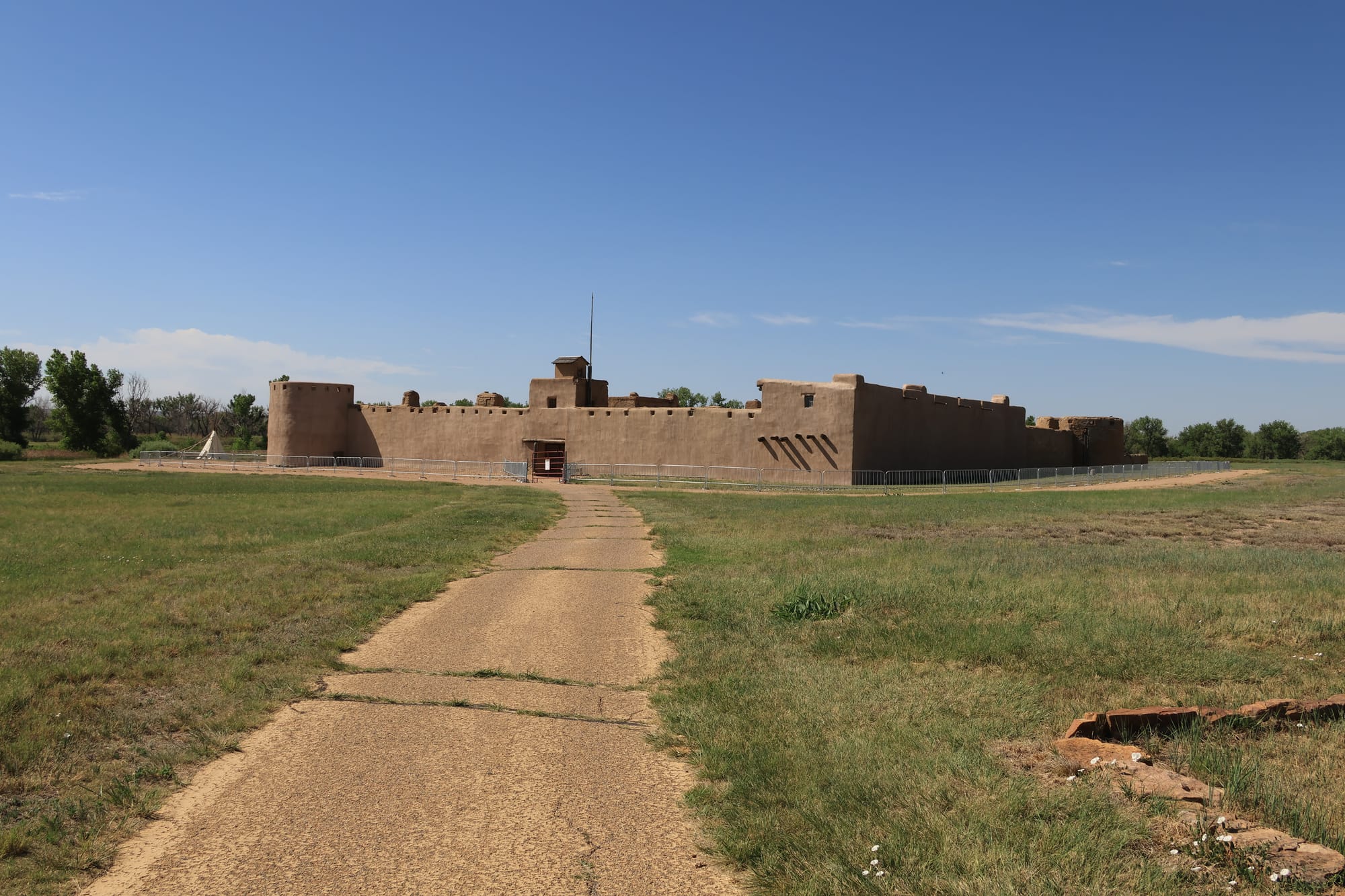
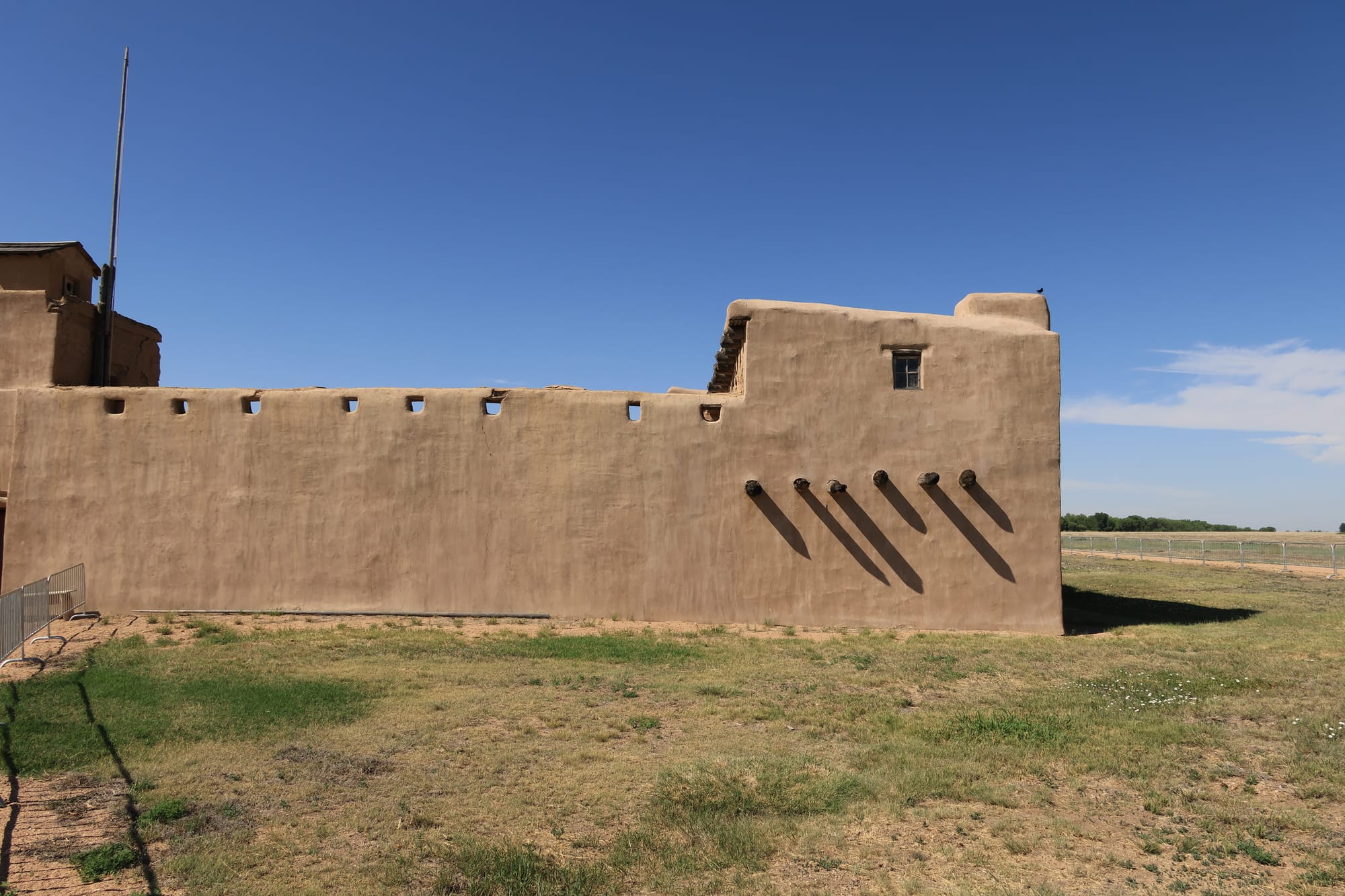
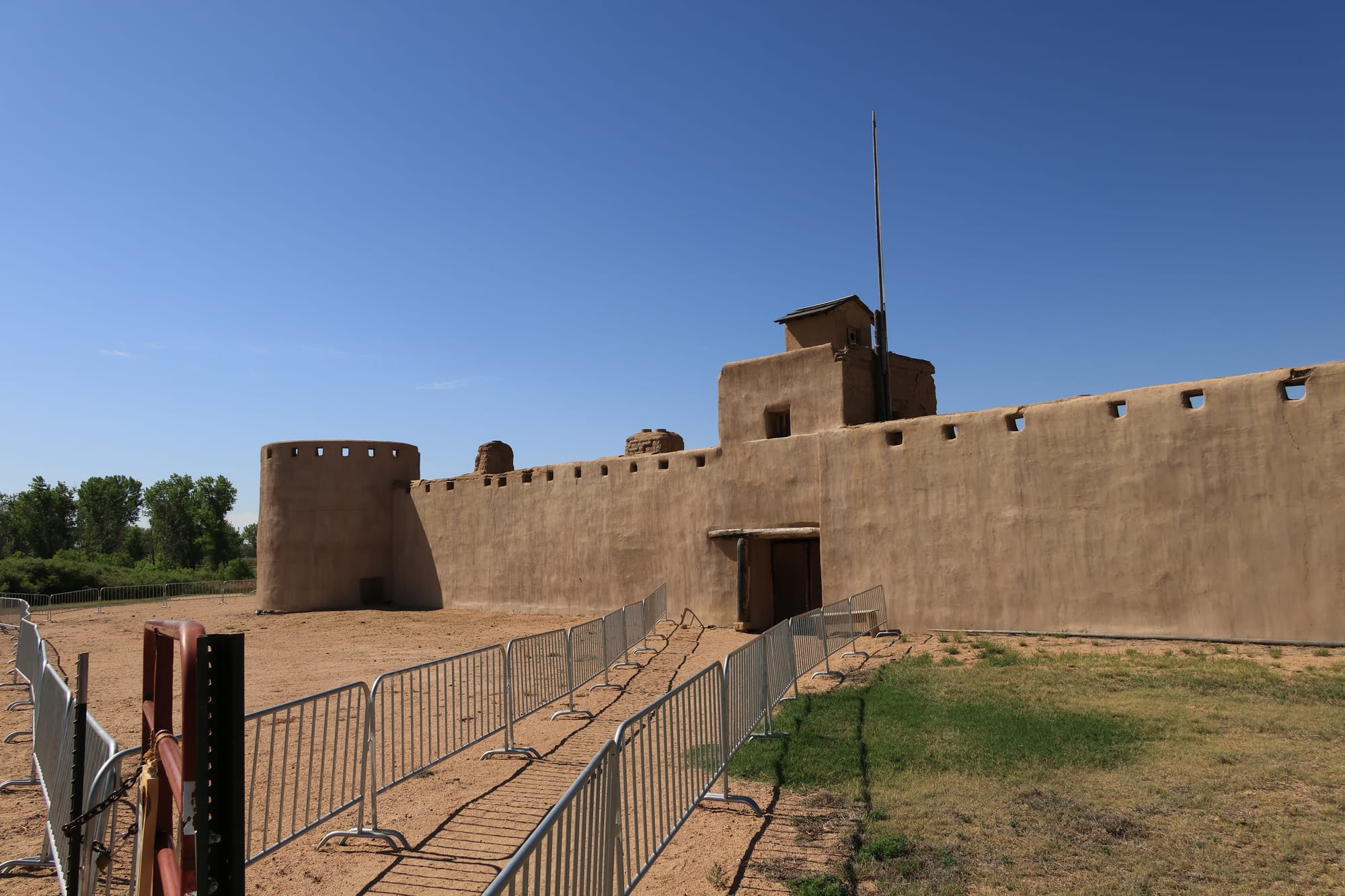
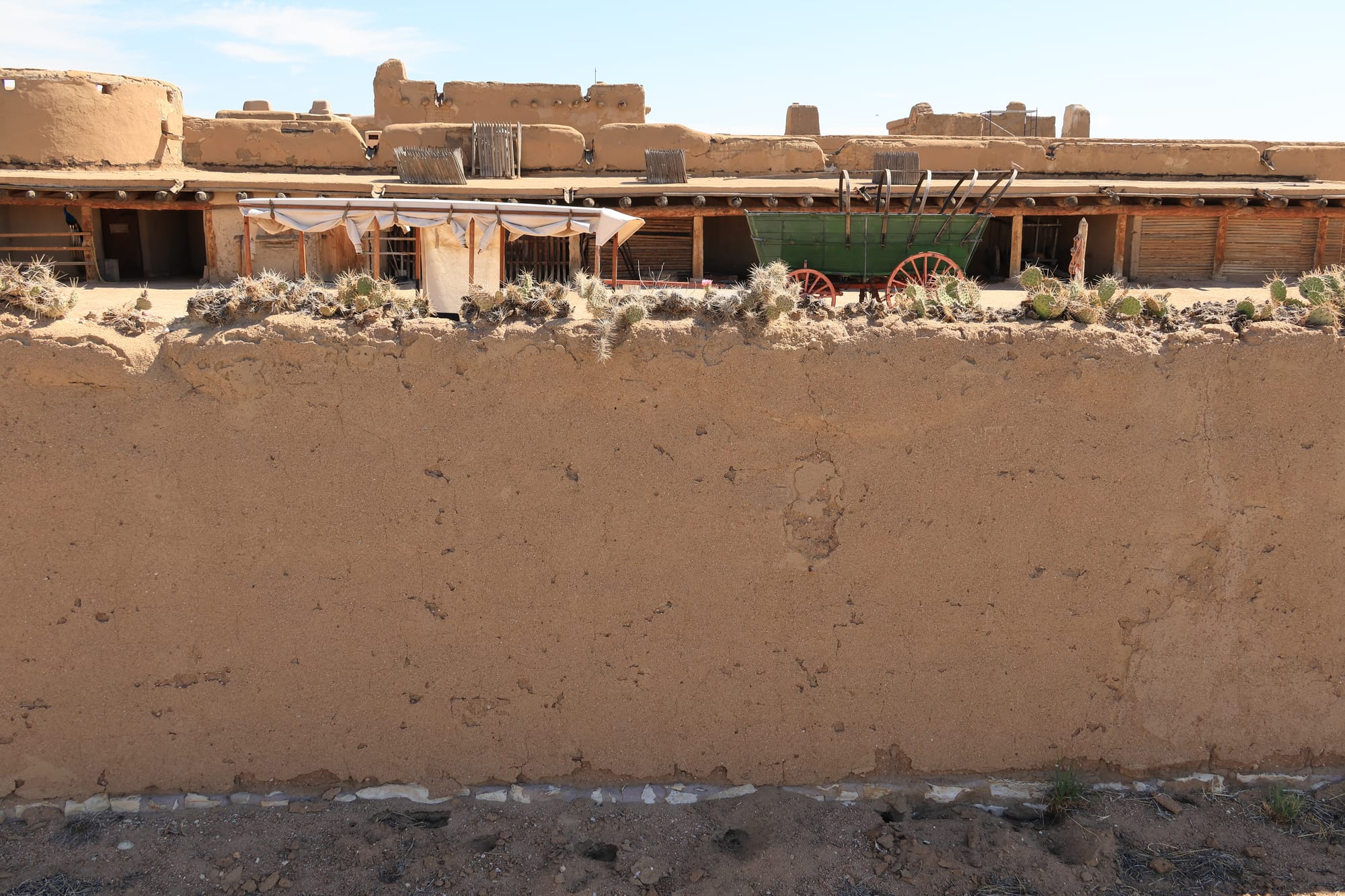
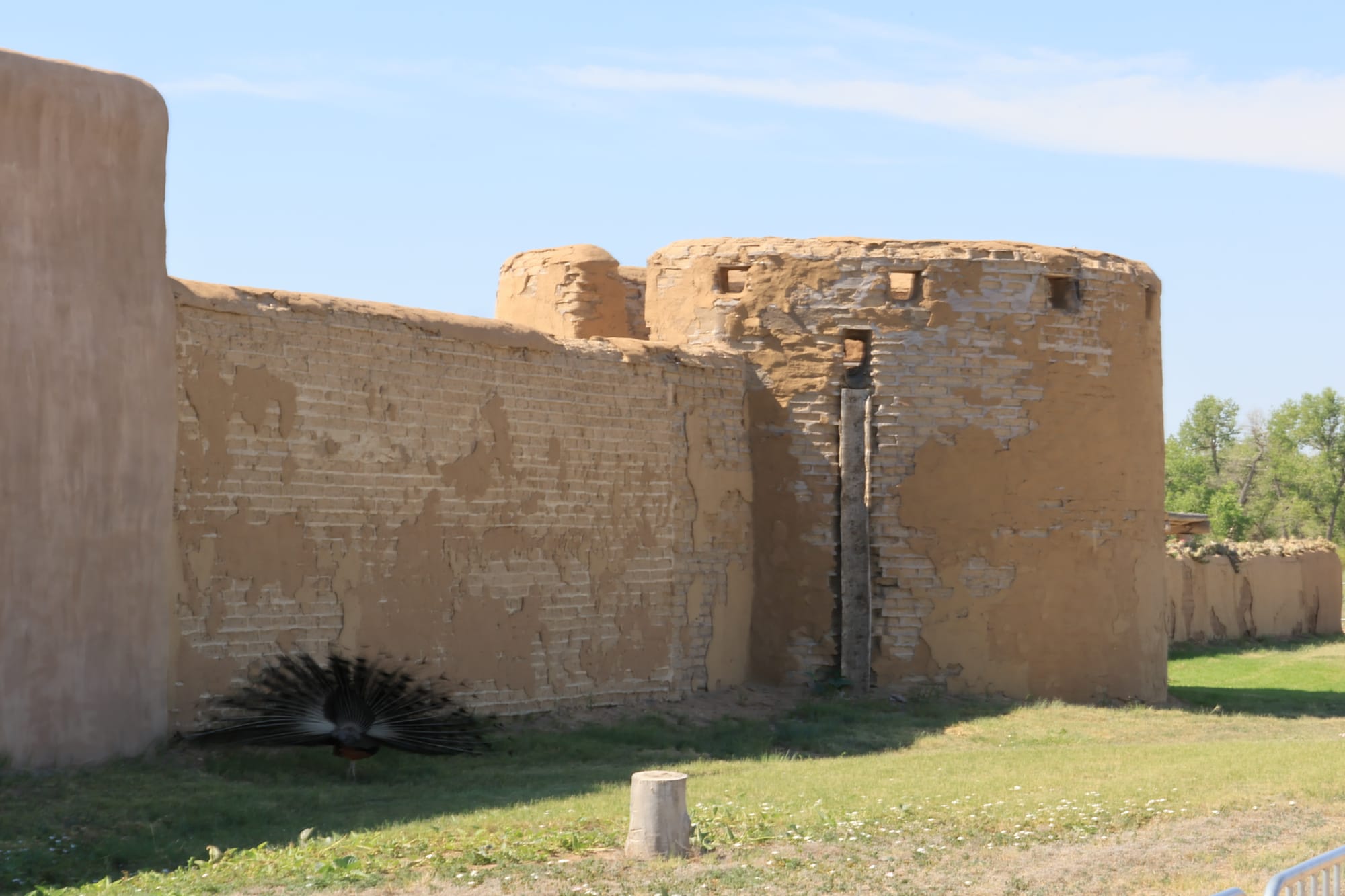
About 7 miles from town is Bent’s Old Fort National Historic Site, probably the single most important historical attraction around La Junta.
The original fort was built in 1833 by William and Charles Bent and Ceran St. Vrain. Although called a "fort," it was primarily a trading post, not a military installation. Traders exchanged manufactured goods for buffalo robes and other furs, while travelers found food, lodging, repairs, and protection. For much of its 16-year existence, it was the only major permanent non-Native settlement between Missouri and the Mexican settlements in New Mexico along the Santa Fe Trail.
During the Mexican-American War in 1846, the fort became a staging area for Colonel Stephen W. Kearny's Army of the West. Business declined afterward, and William Bent abandoned the fort in 1849. Floods, scavenging, and time eventually erased the original structure. Business declined afterward, and William Bent abandoned the fort in 1849. Floods, scavenging, and time eventually erased the original structure.
Mexican and American Border
From 1819 to 1847 the Arkansas River formed the border between Mexico and the United States. It was ceded to the United States in 1848 after the Mexican-American War.
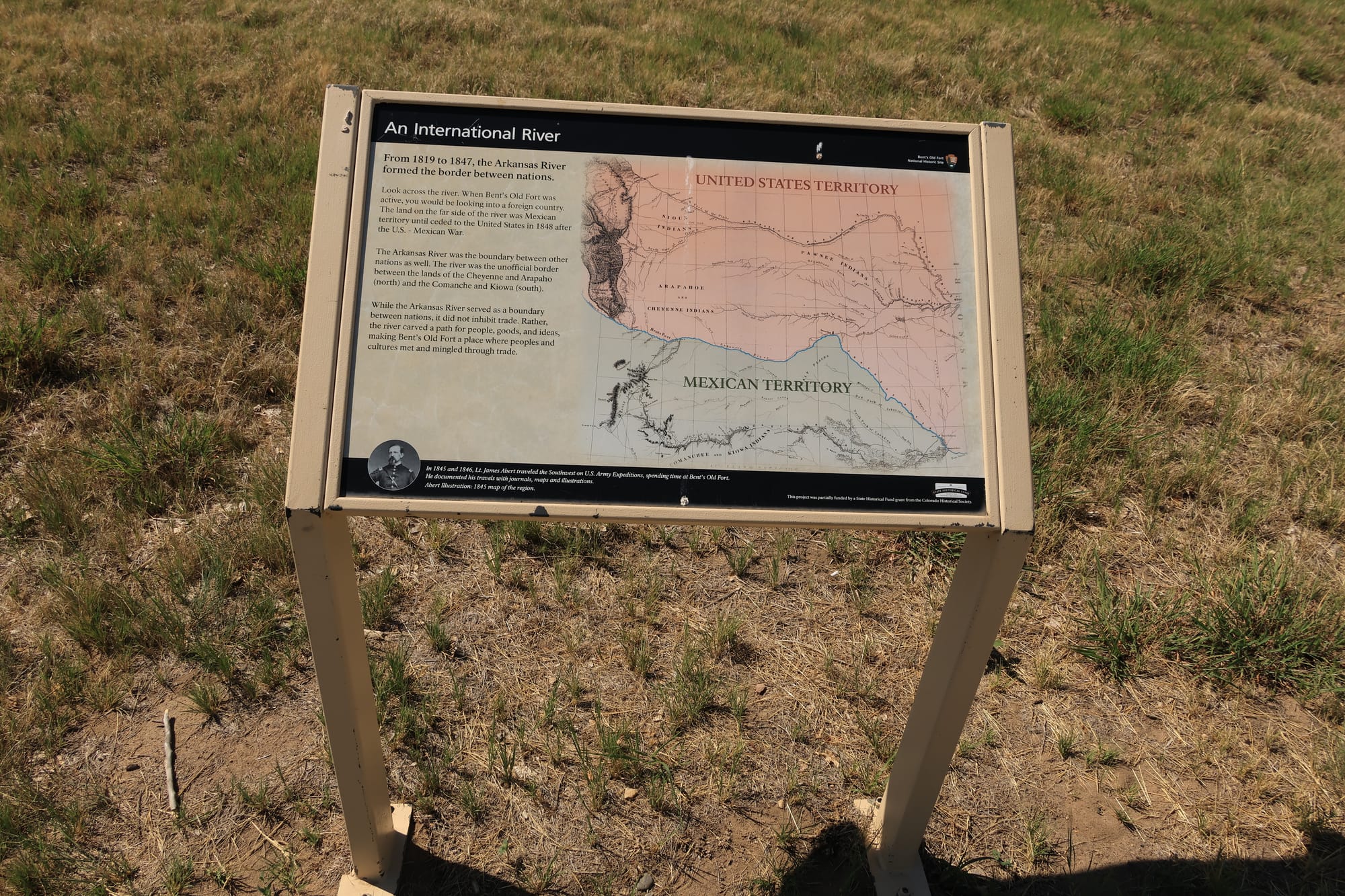
The original fort was abandoned in 1849. Its remains eventually disappeared, with flooding helping erase the above-ground ruins in the 20th century. The present adobe fort is a reconstruction, built in 1975–76 and dedicated during the nation's Bicentennial.
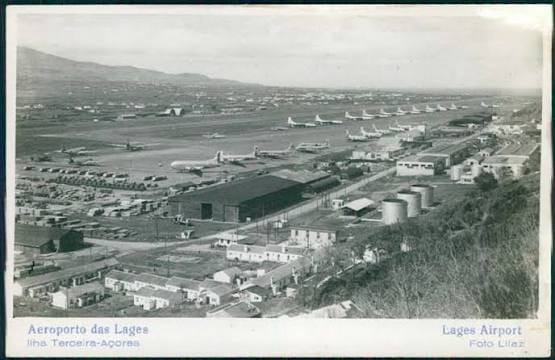
During World War II, La Junta had an Army Air Forces training base nearby. The area later continued to have connections with military aviation training before technology reduced the need for some live flight exercises.
The grounds now function as the La Junta Municipal Airport, located about three miles north of the city. Very few structures from the 1940s active military days remain, though a single historic vintage hangar and local veteran memorials mark its past.
https://cdn.llitd.com/blog-hiking/photo-sets/library-stock/la-junta-co/1v3a1796-featured.jpg

Trails
The trail from the Visitor Center to the Fort Benton Historic Site is approximately 0.4 miles (about 0.65 km) long, making it a short, easily walkable route.
This distance is based on the standard walking path between the two points, which is typically a gentle, paved or gravel trail suitable for pedestrians, cyclists, and wheelchair users. The route is direct and does not require significant elevation change, so it’s accessible for most visitors.
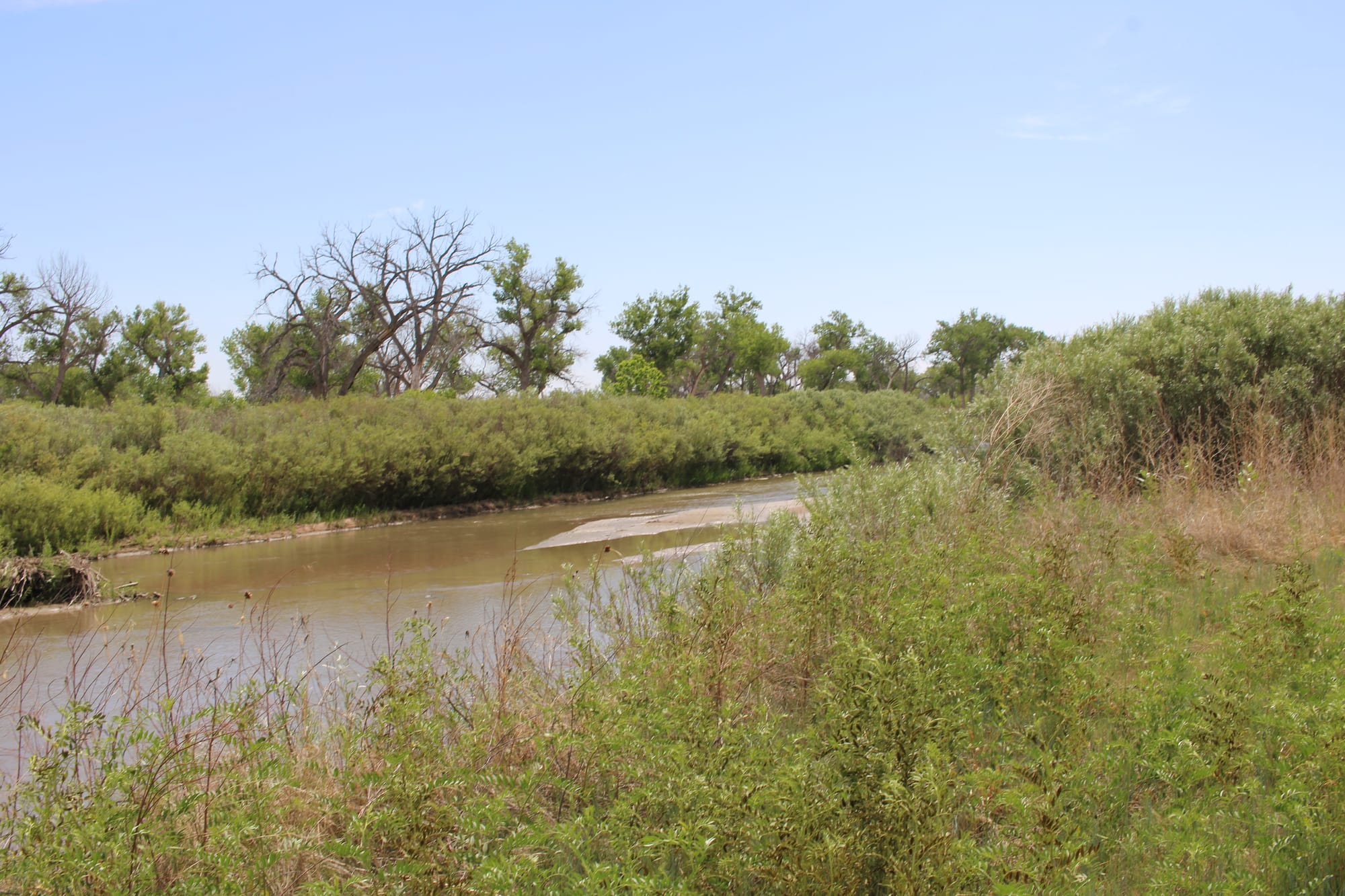
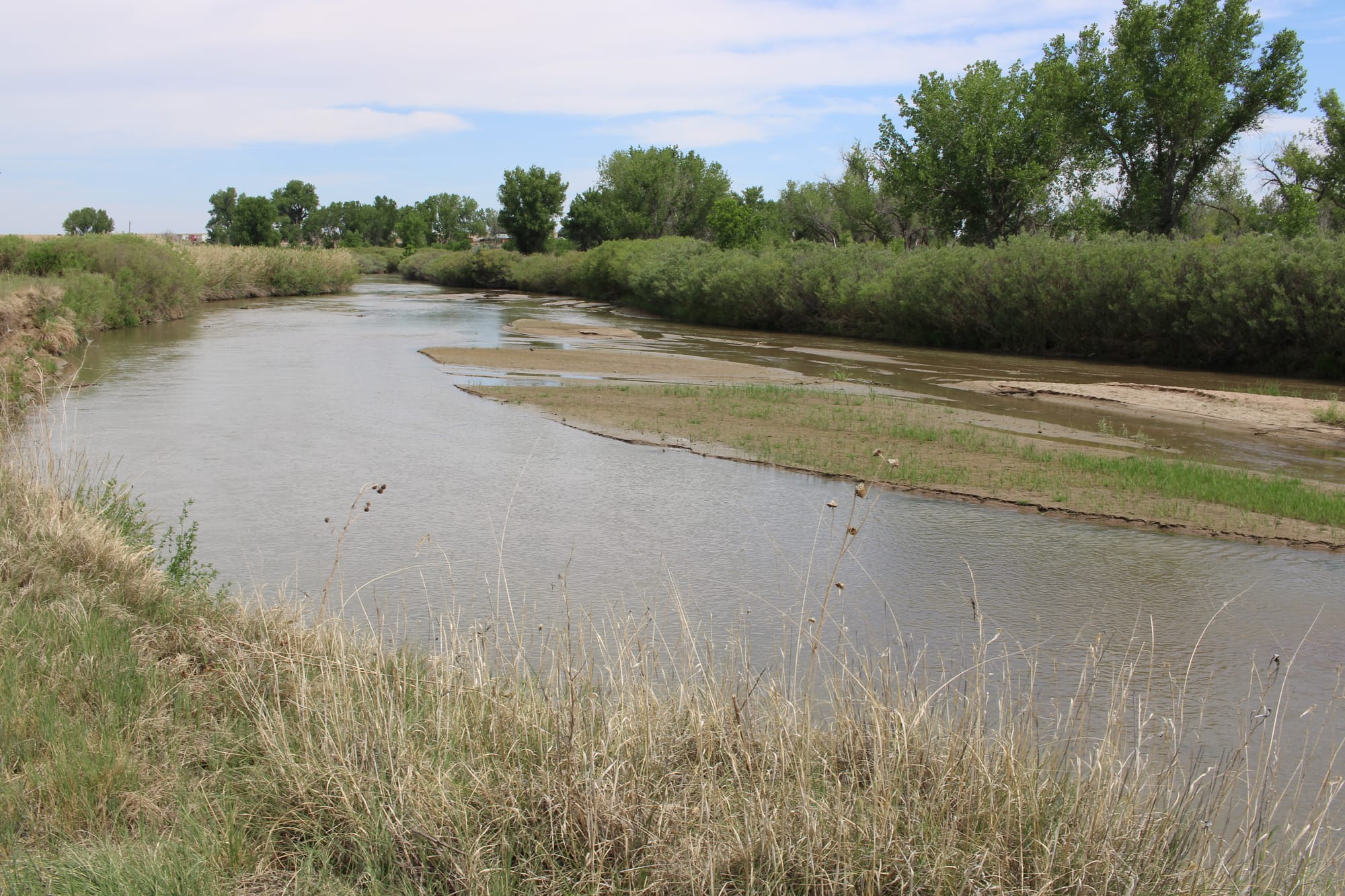
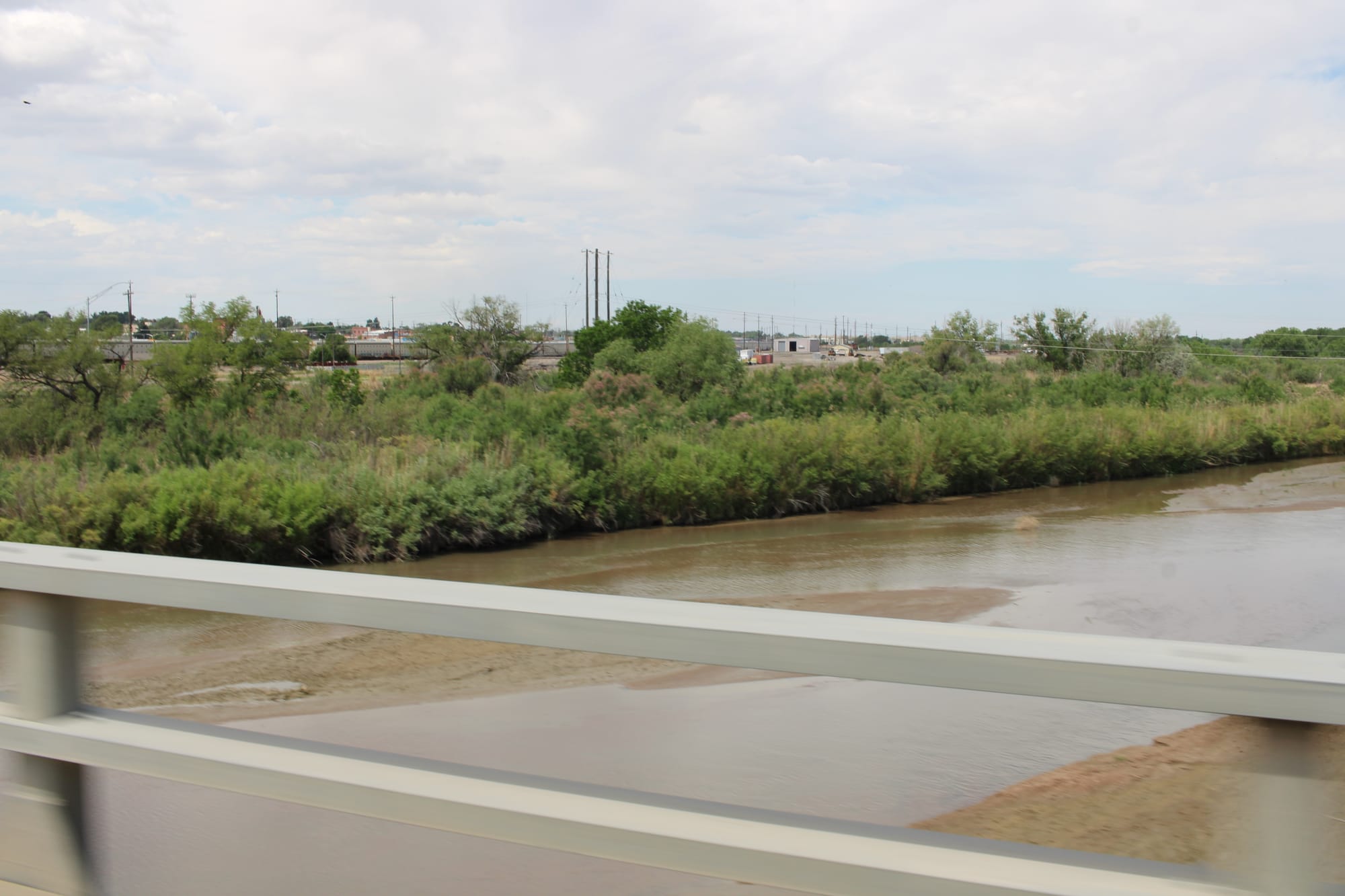
Also visitors can walk trails along the Arkansas River.
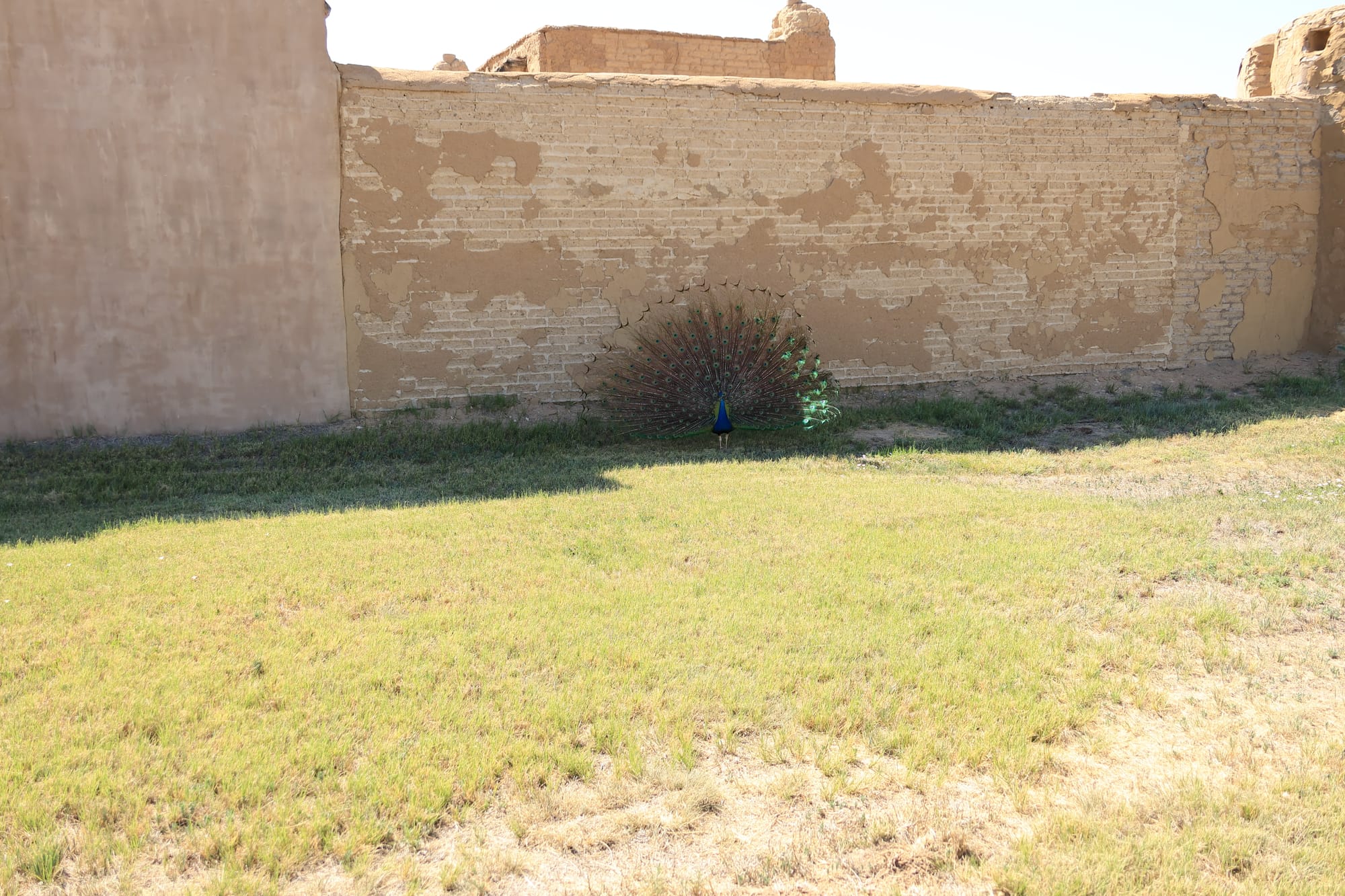
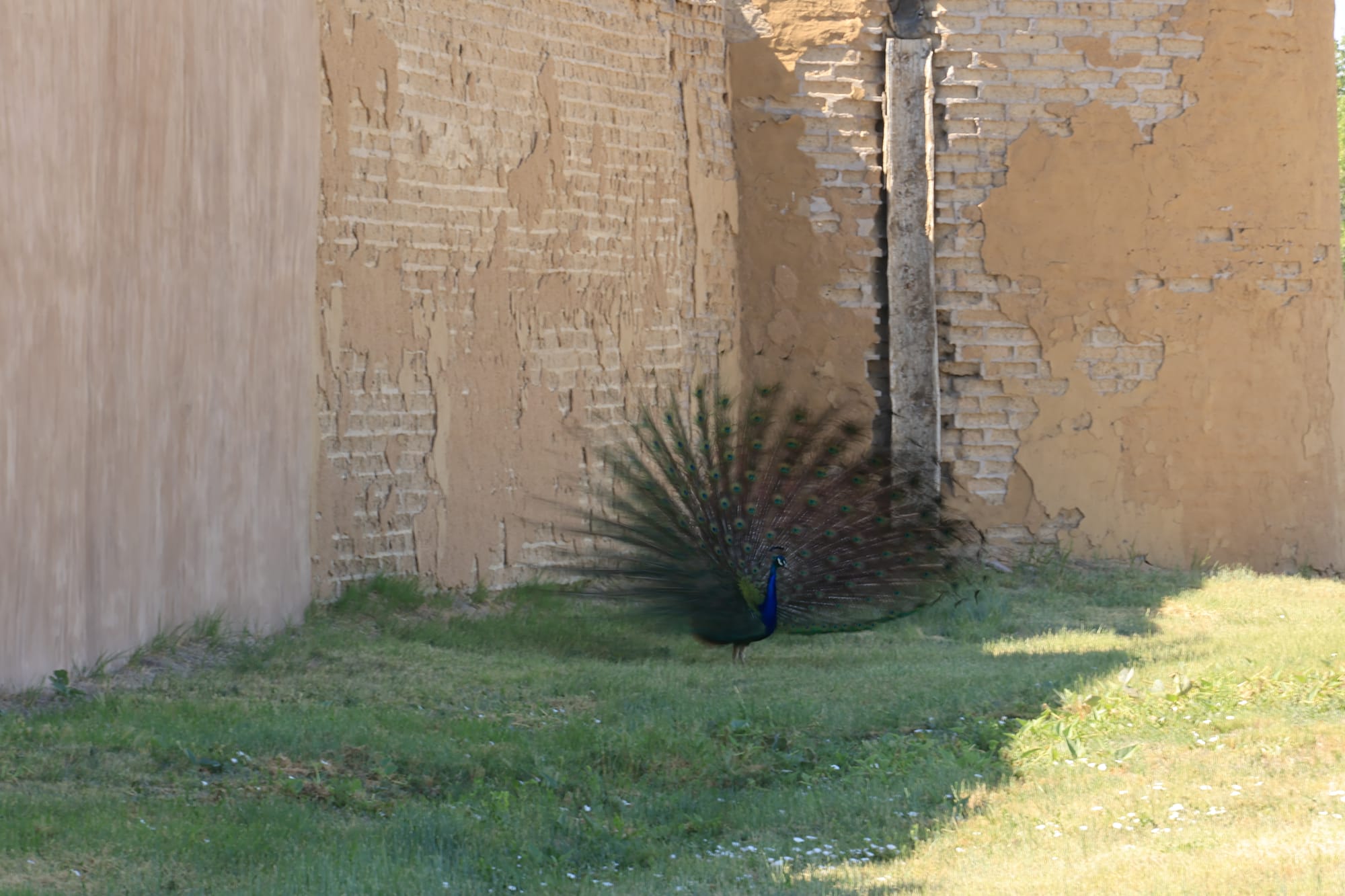
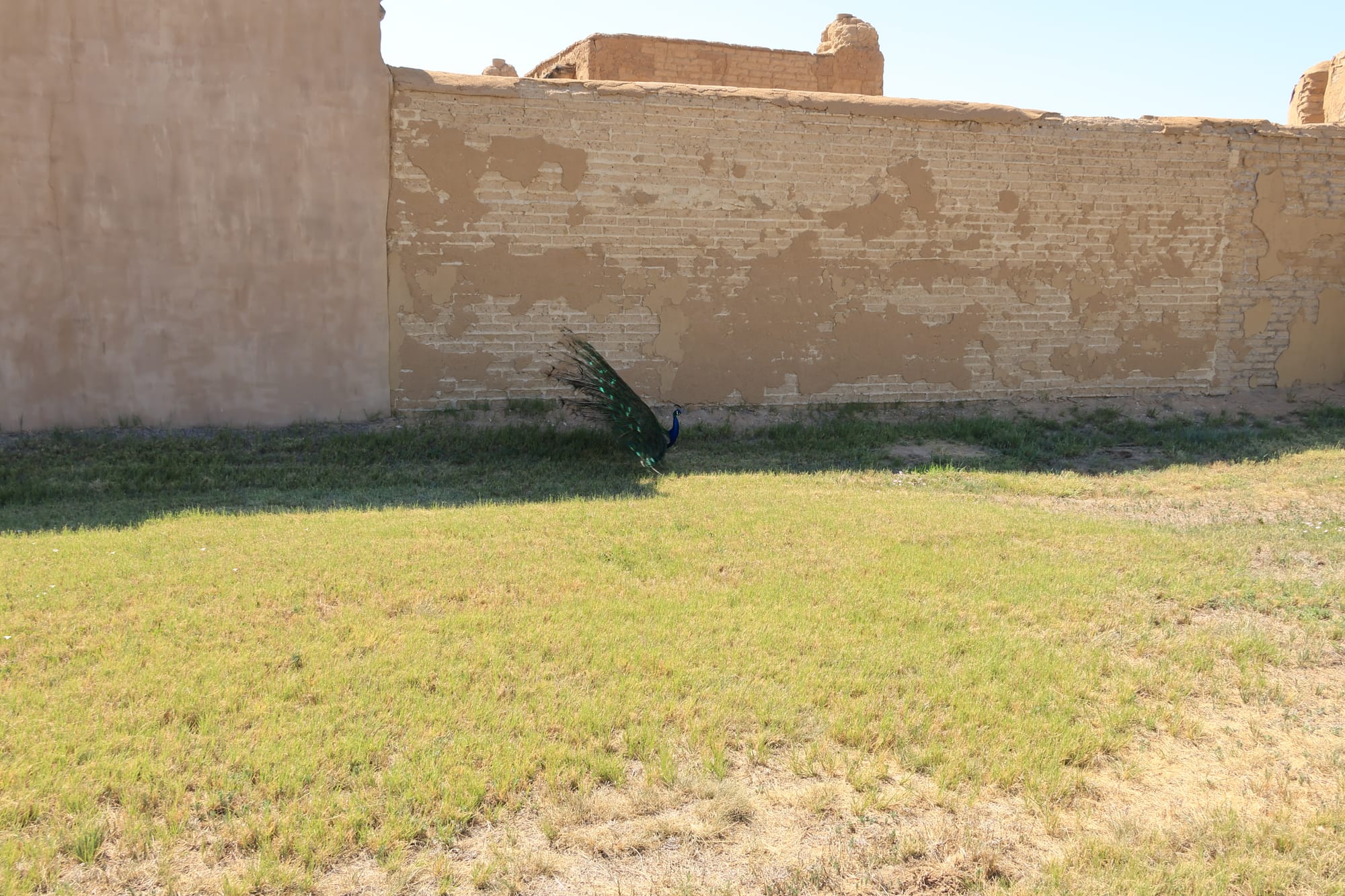
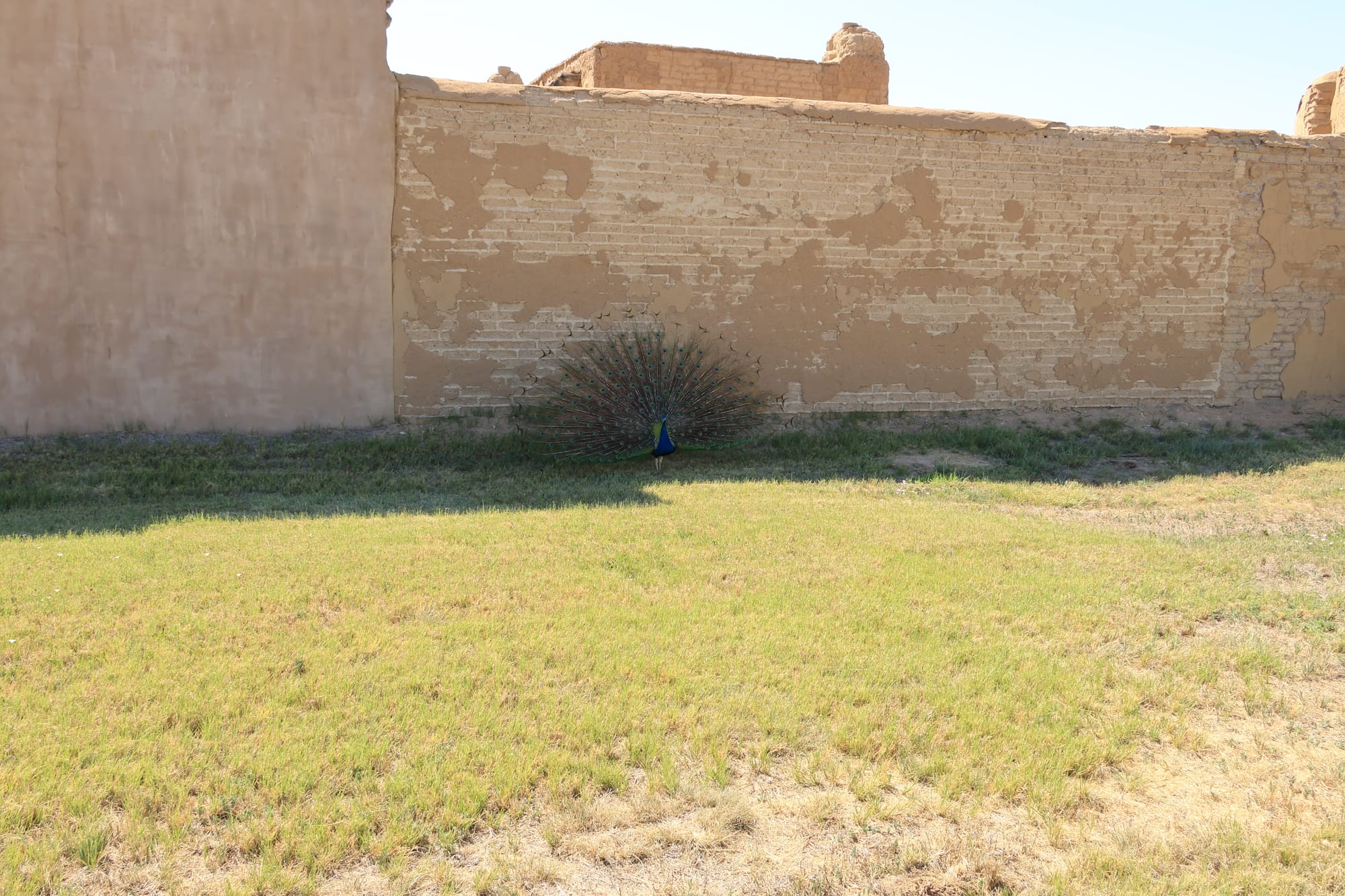
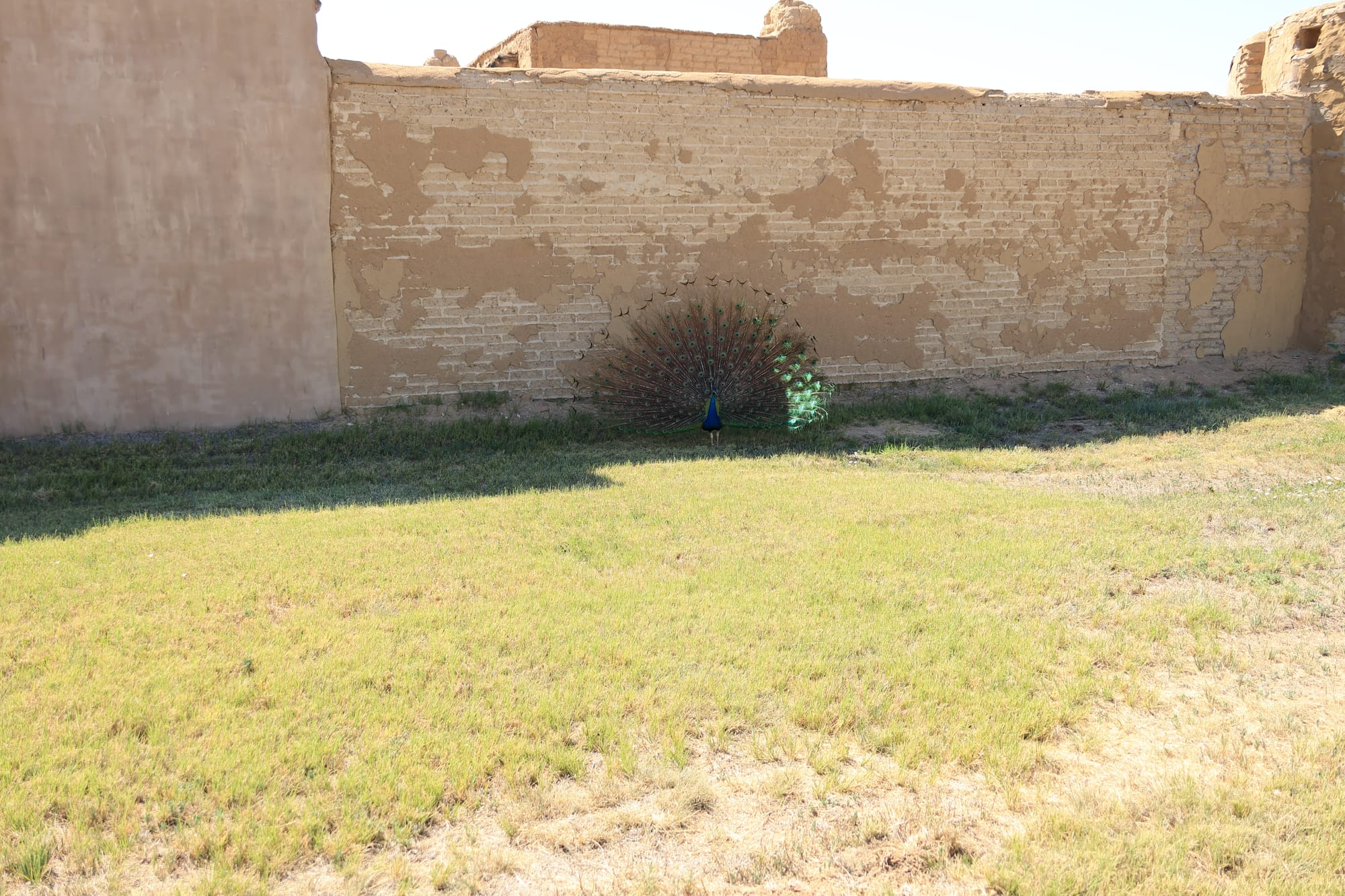
Why are there peacocks at Bent's Old Fort?
Peacocks lived at the original fort in the 1840s. Historical accounts describe them roaming the fort courtyard. The Southern Cheyenne were fascinated by the birds' colorful feathers and loud calls, reportedly referring to them as "thunder birds."
There was a peacock strutting by the fort. I think he was looking for a girl peacock. He kept making an annoying call. No wonder no girls showed up.
Authentic Mexican Food
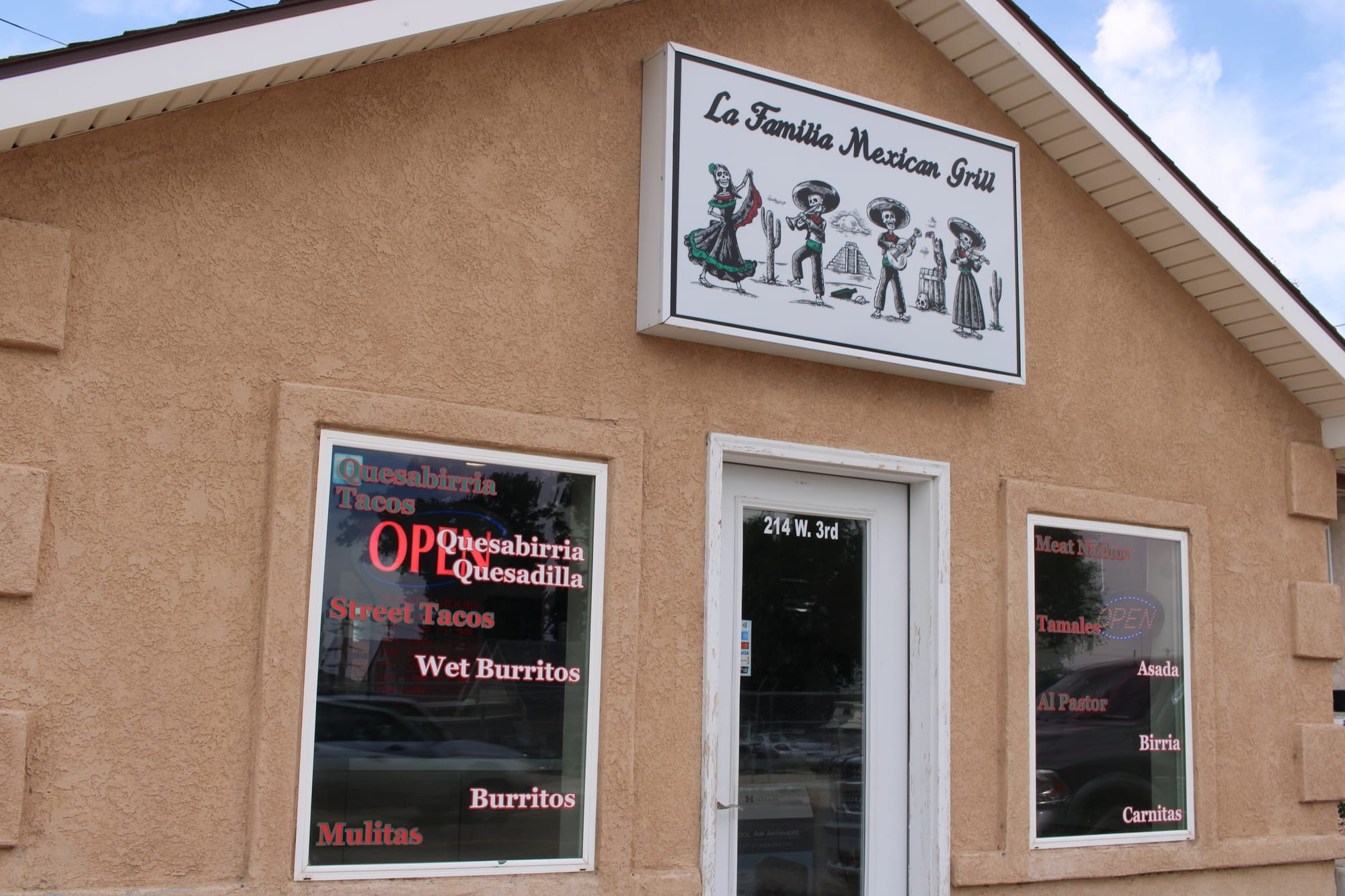
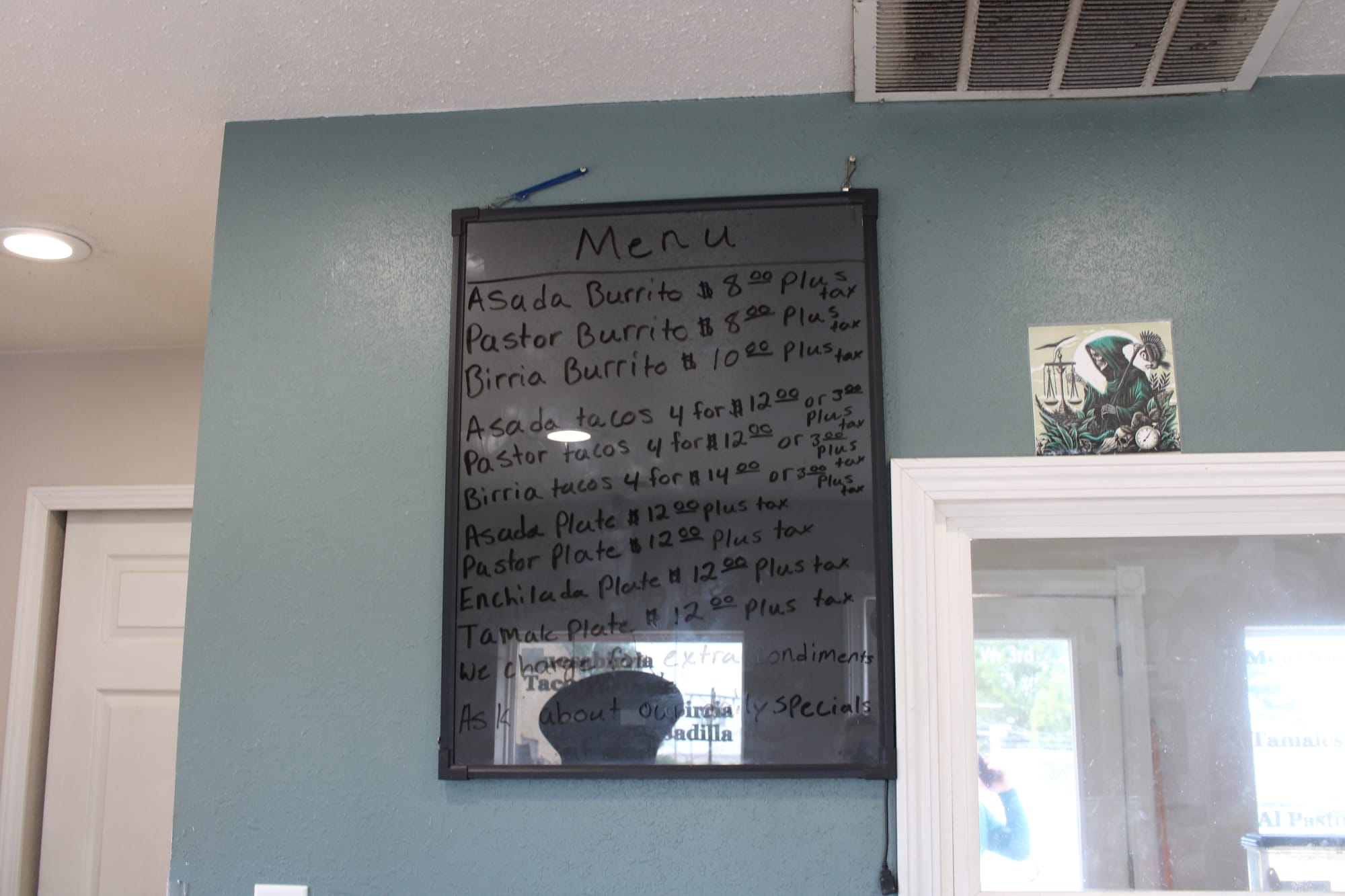
We wanted to try some authentic Mexican food. In La Junta we were lucky to find this little restaurant. It had the best tacos and burritos. Yum!
Conclusion
La Junta is a very historical and welcoming place to visit. We were really glad that our travel plans included this city. We highly suggest that you visit La Junta. You won't be disappointed.