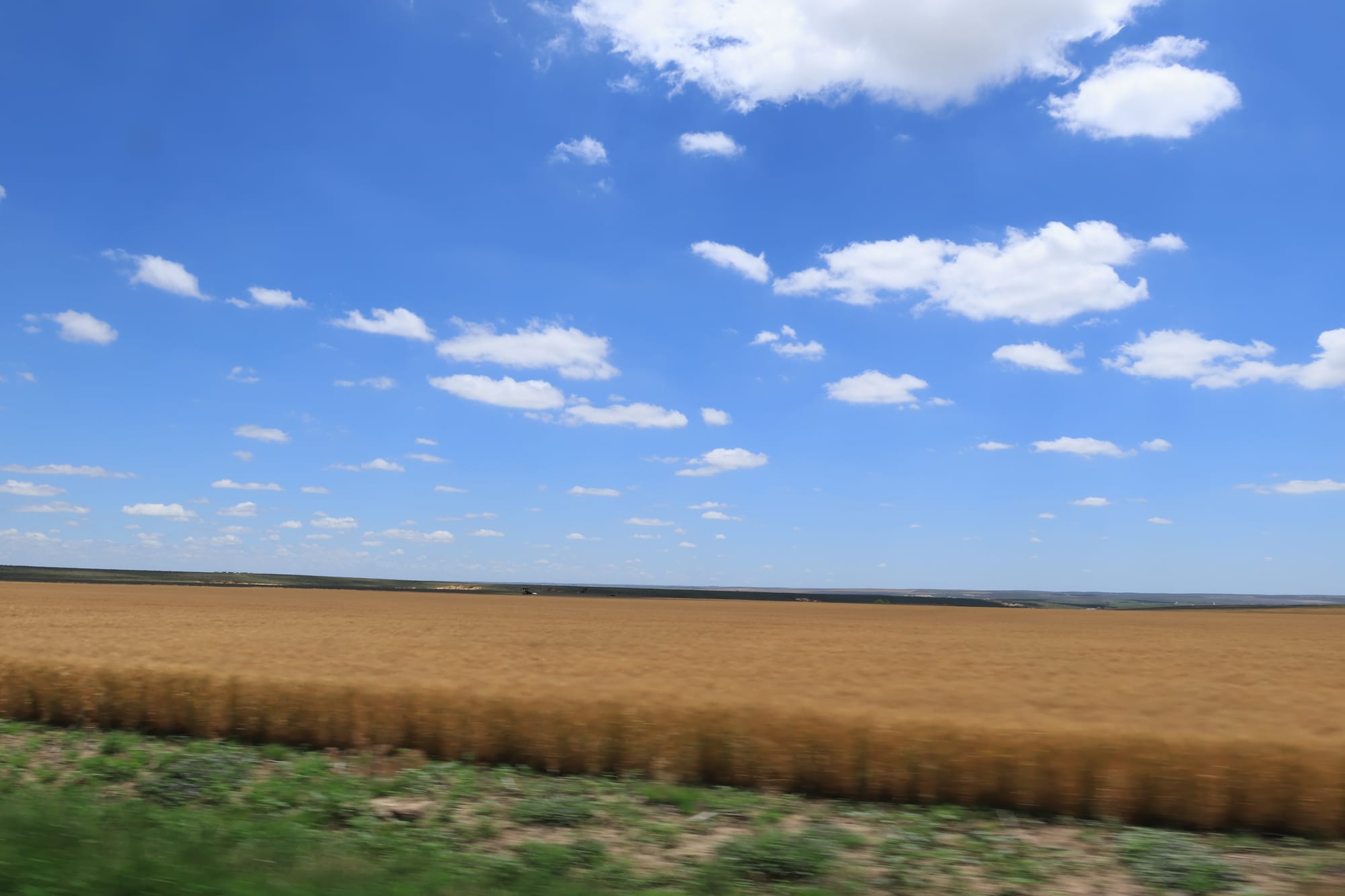
Stop #4 Oakley, KS
Oakley, Kansas, was founded in 1884 during the bustling settlement of northwestern Kansas. It developed along the historic Smoky Hill Trail, a key route for travelers and settlers crossing the Great Plains in the 1860s and 1870s. Homesteaders began arriving in the 1870s, attracted by the promise of farming and ranching.
The town went through a few name changes—first Carlyle, then Cleveland—before becoming Oakley in 1885, named after Elizabeth Oakley Gardner Hoag, mother of co-founder David D. Hoag, to avoid confusion with another Kansas town called Cleveland.
The Union Pacific Railroad’s arrival in the late 1880s turned Oakley into a key shipping point for wheat, cattle, and other farm products, cementing its place as a commercial center. After a devastating fire in 1904 wiped out much of its wooden business district, the town rebuilt with sturdy brick and concrete buildings, many still standing today. Now home to just over 2,000 residents, Oakley sits at the crossroads of Interstate 70, U.S. Highway 40, and U.S. Highway 83, serving as a vital hub for western Kansas, with agriculture still at its heart and tourism boosted by nearby fossil beds, badlands, and museums.
Our plan was to camp in Oakley, Kansas for two nights. However, the campground was right off the highway. It also appeared to be mostly RVs. It seemed like people don't camp in tents anymore. So, we decided to look for other accommodations (as in a motel or hotel).
High Plains Camping
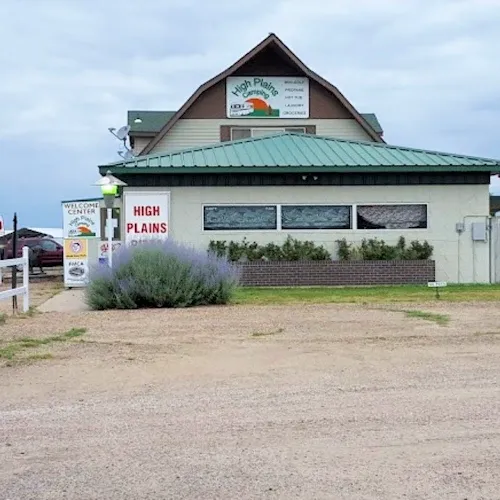
- Address: 462 US Highway 83, Oakley, KS 67748
- Phone: 785-672-3538
- What it offers:
- Enjoy RV sites with full hookups, tent camping spots, a cozy café, a handy general store, and propane service, all with easy access from I‑70 and US‑83.
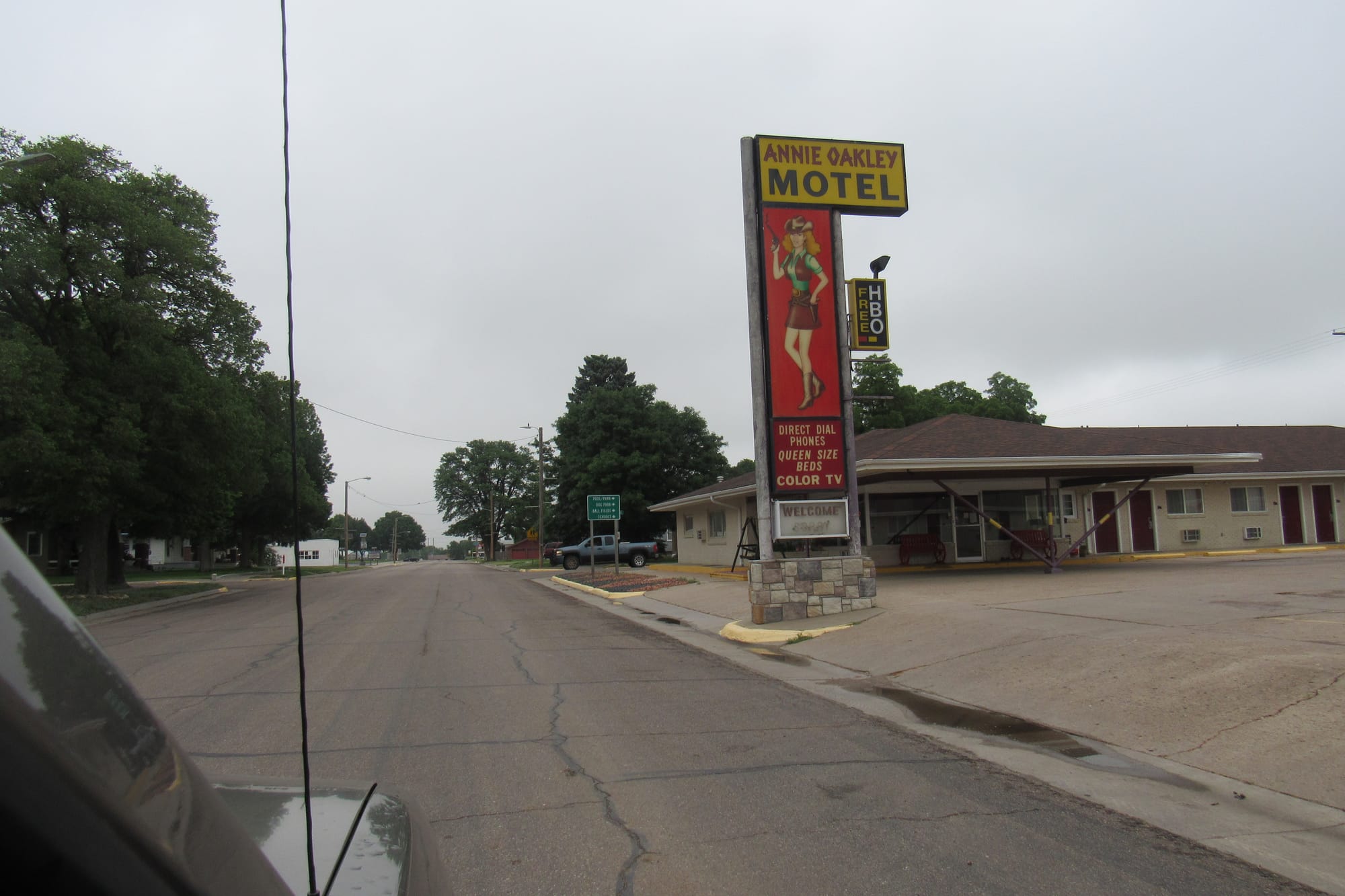
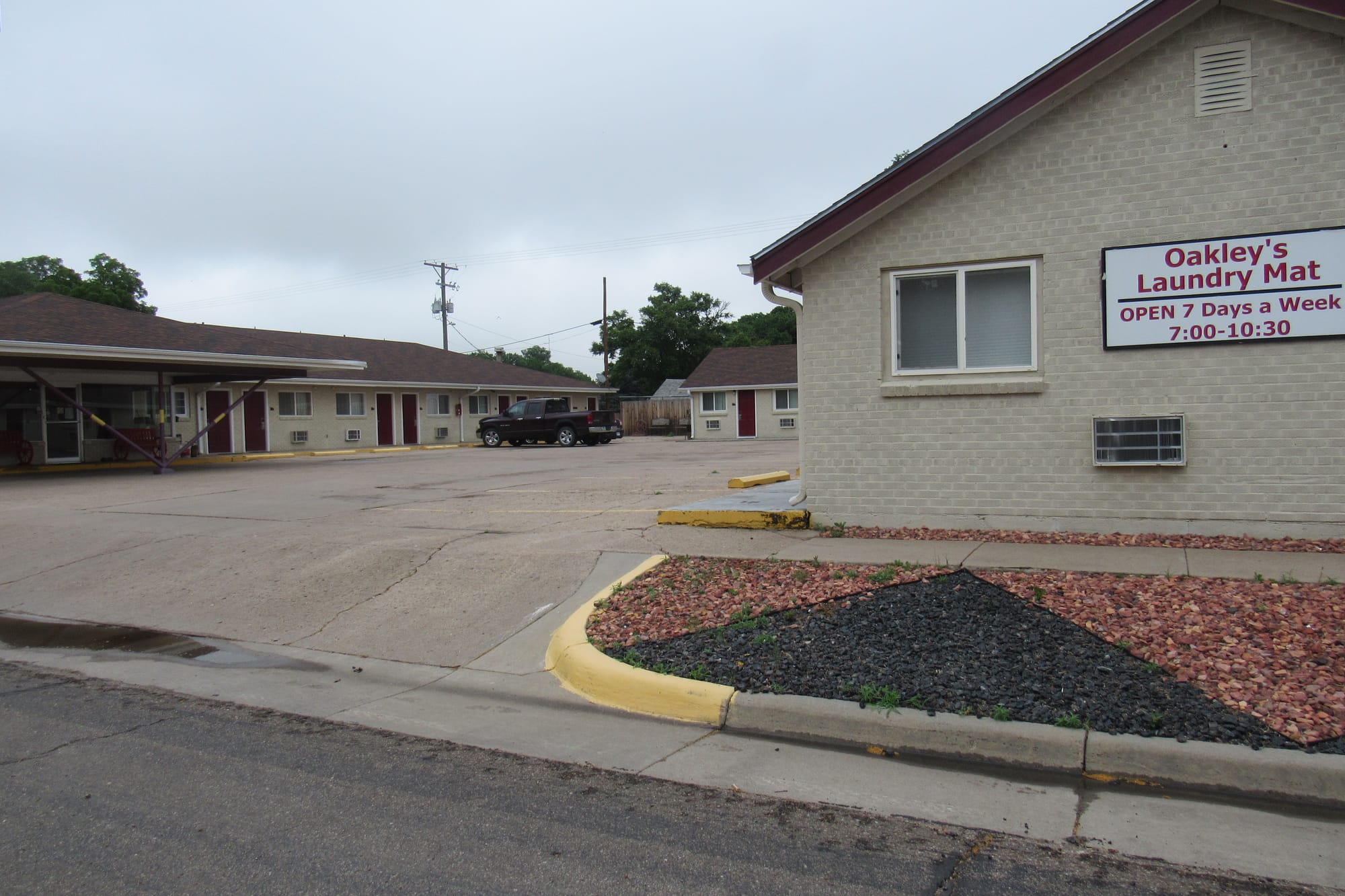
Annie Oakley Motel
(785) 672-3223
The first place we checked was a motel in downtown Oakley. There were no cars there. We looked up the phone number and called. We asked if they had any vacancies. The person at Annie Oakley Motel said "Let me check. I'm not sure if we have any rooms available." We decided to keep looking. Also, Annie Oakley was born in Ohio not in Kansas.
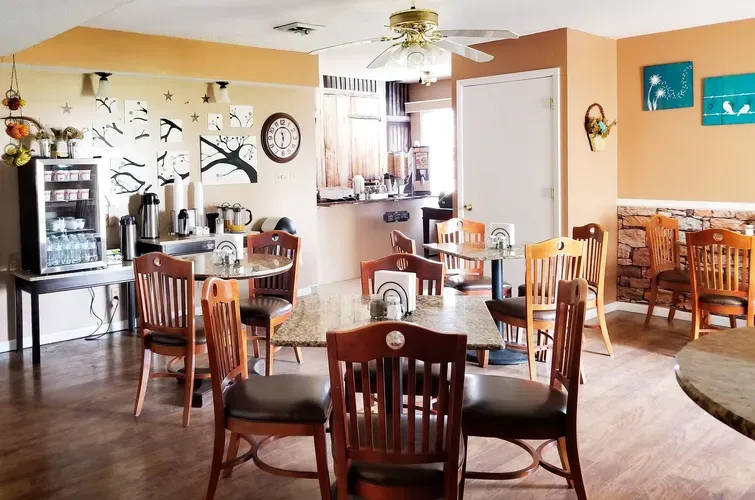
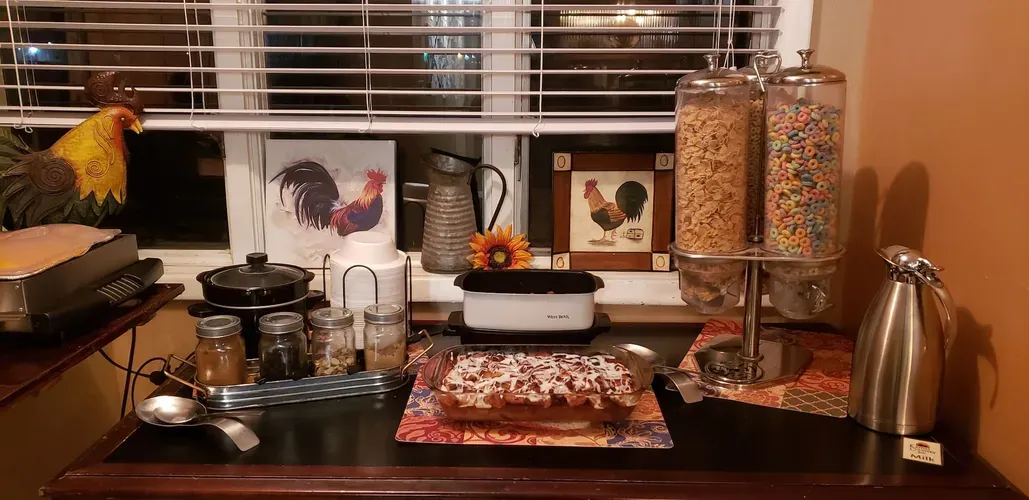
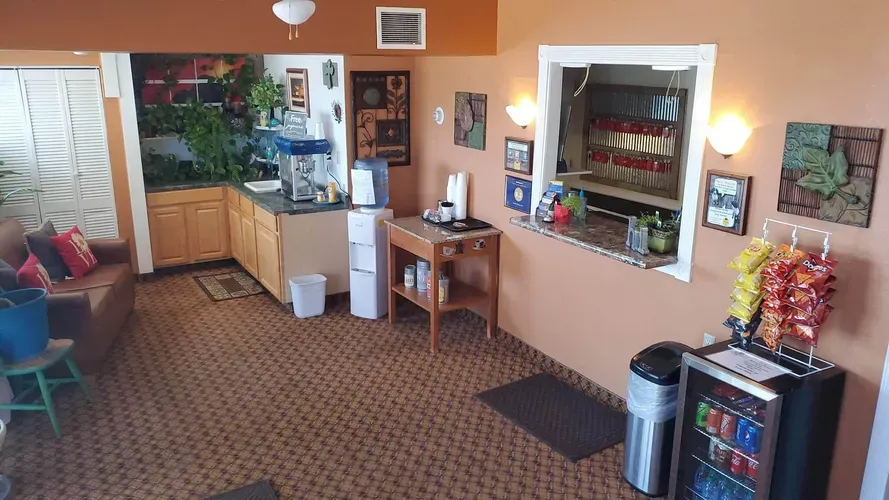
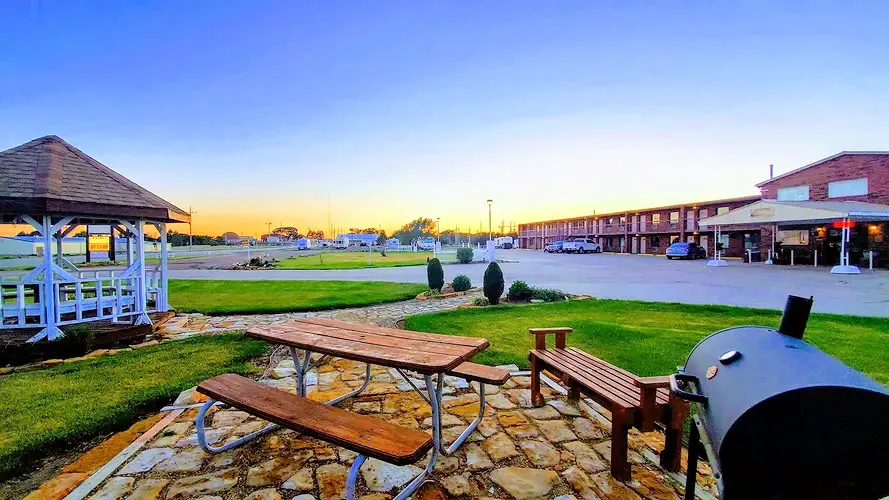
Kansas Country Inn
(785) 672-3131
This locally owned hotel, conveniently located near Interstate 70, offers comfortable rooms, RV parking, free Wi-Fi, and breakfast. Travelers love it for its friendly service and great location.
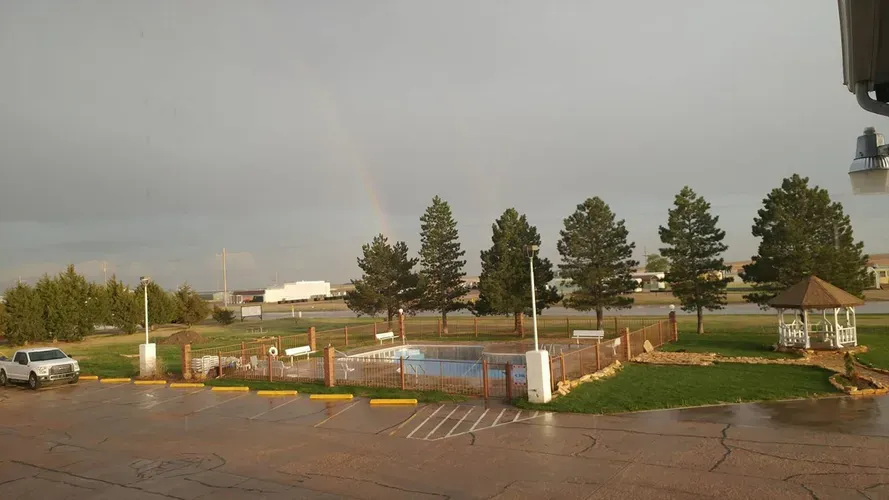
We stayed there. A special bonus was the free breakfast. The chef makes everything from scratch, and it was great!
Western Interior Seaway
Western Kansas was once completely underwater, submerged beneath a vast ocean known as the Western Interior Seaway during the Cretaceous Period, about 100 to 80 million years ago. It lay on the floor of a shallow inland sea that stretched from the Arctic Ocean to the Gulf of Mexico, teeming with giant marine reptiles, sharks, and fish. The chalk and limestone formations seen today are the compressed remains of countless tiny sea creatures.
Chalk and limestone bluffs, such as Castle Rock and Monument Rocks, were formed from the shells of tiny organisms called foraminifera. Some chalk beds tower as high as 500 feet. In the soft chalk badlands, fossil extraction is surprisingly easy since the rock is softer than the fossils. Among the finds are sea monsters like 35–40 foot mosasaurs, long‑necked plesiosaurs, massive fish like Xiphactinus, and flying pterosaurs that once hunted over the water. Today, these fossils are displayed in major museums around the world.
Little Jerusalem Badlands State Park
(620) 872-2061
It is located in southern Logan County, just west of U.S. Highway 83, between Oakley and Scott City. From US-83, the current directions are to turn west onto Gold Road and then north on County Road 400.
Open daily from approximately 7:00 a.m. to 9:00 p.m. The park is currently day-use only and is open from sunrise to sunset.
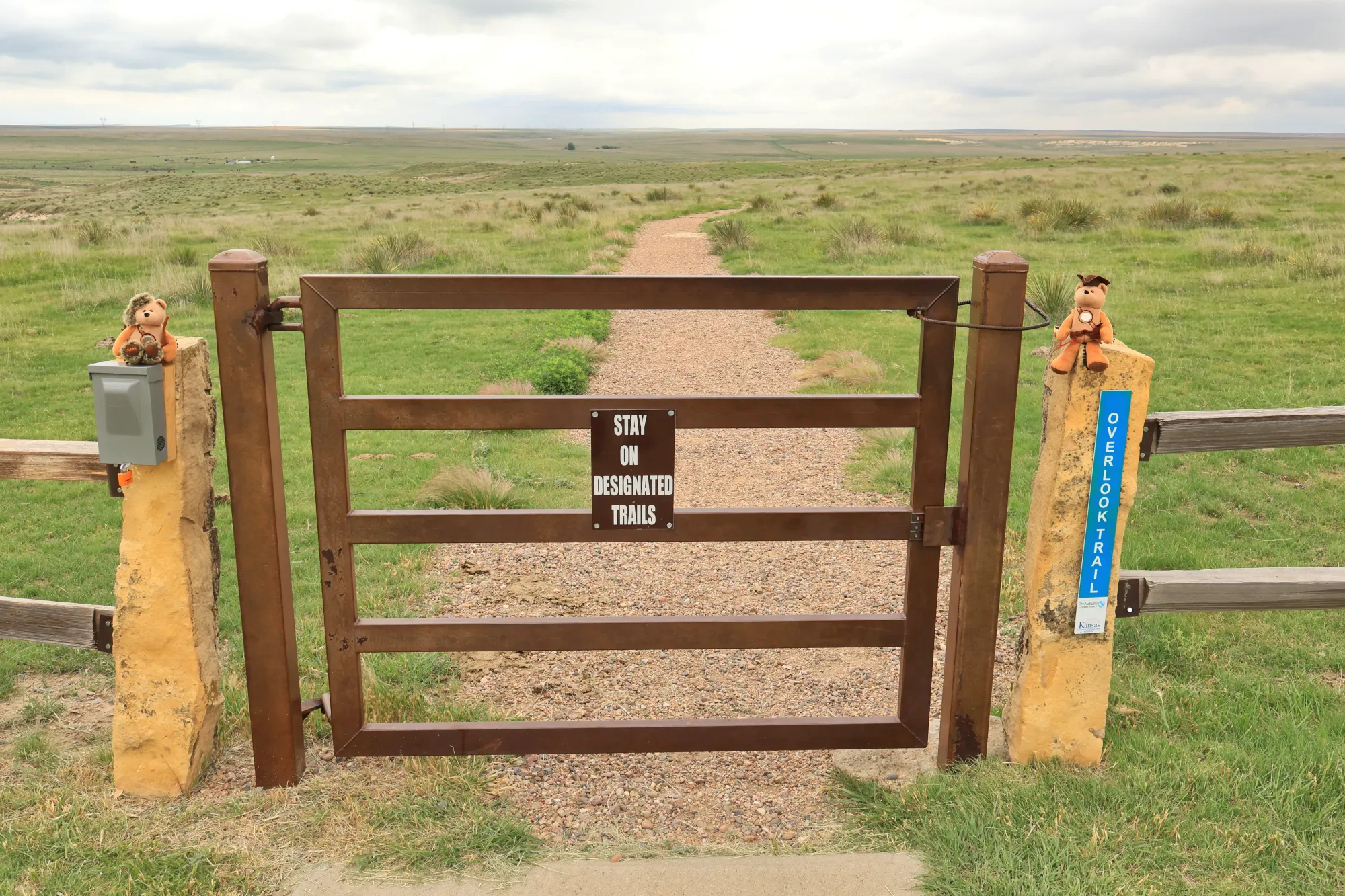
Because the chalk is extremely fragile, visitors are required to remain on designated trails unless participating in a guided off-trail tour. Rock climbing, fossil collecting and taking rocks or plants are prohibited.
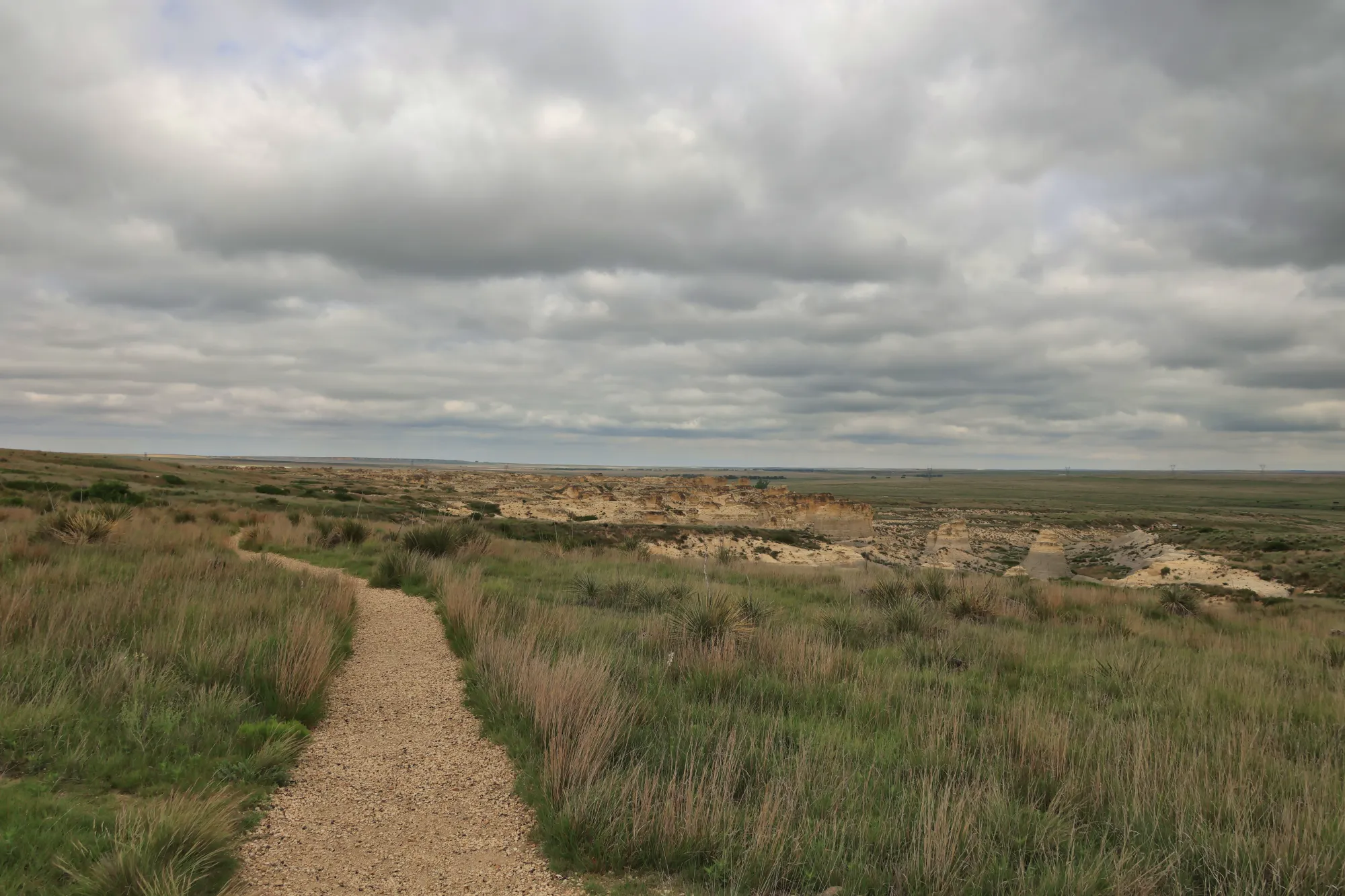
Located about 25 miles south of Oakley, Kansas’ newest state park is known for its striking 100-foot-tall chalk cliffs, formed around 85 million years ago. Visitors can enjoy hiking trails, scenic overlooks, birdwatching, and chances to explore fascinating fossils and geology.
Around 85 million years ago, during the Late Cretaceous Period, what’s now western Kansas lay beneath a vast inland sea called the Western Interior Seaway, which covered much of central North America. Tiny marine organisms thrived in its waters, and over time were compressed into the soft, white Niobrara Chalk that forms Little Jerusalem. Later, tectonic forces from the rise of the Rocky Mountains lifted the ancient seabed. Gradually, rain, wind, and runoff sculpted the chalk into striking cliffs, towers, spires, narrow canyons, and ravines. Today, the exposed formation stretches about a mile, with some cliffs soaring over 100 feet high.
The formations have actually had several names. In the late 1800s, people reportedly called the area "Castle City" because the formations looked like the ruins of enormous castles. The name Little Jerusalem, sometimes New Jerusalem, apparently came from the resemblance of the tall chalk walls and formations to the walls of the ancient city of Jerusalem when viewed from a distance. By the time The Nature Conservancy acquired the property, "Little Jerusalem" was the name commonly used by local residents and geologists.
The property was part of the McGuire Ranch, and the McGuire family owned the land for five generations. The family wanted the unusual formations protected but also wanted people eventually to have an opportunity to experience them.
In 2016, The Nature Conservancy acquired the property from the private owners. A major part of the agreement was conservation of the formations while allowing appropriate public access. the park encompasses about 332 acres, including approximately 220 acres of the actual badlands formations.
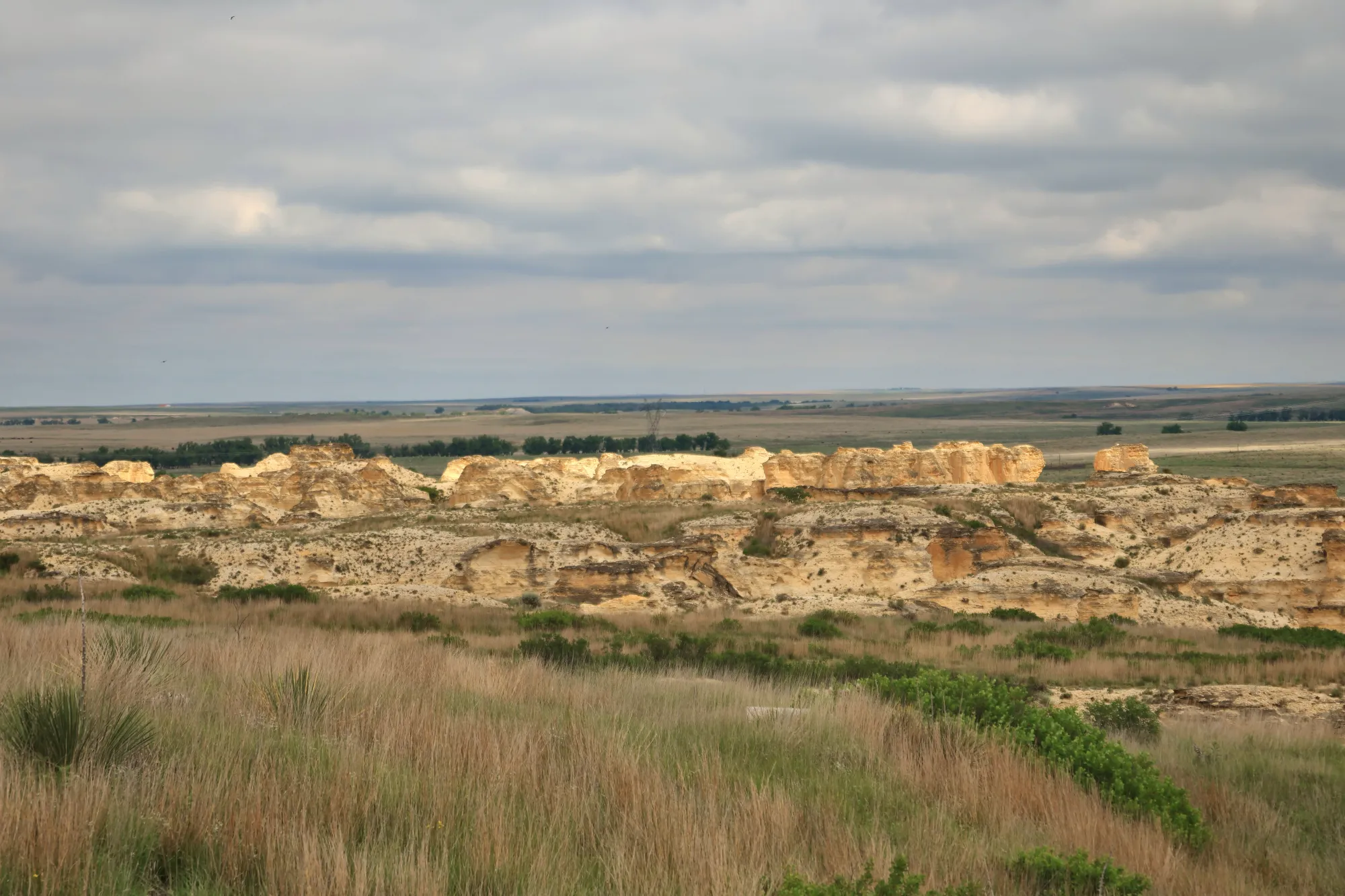
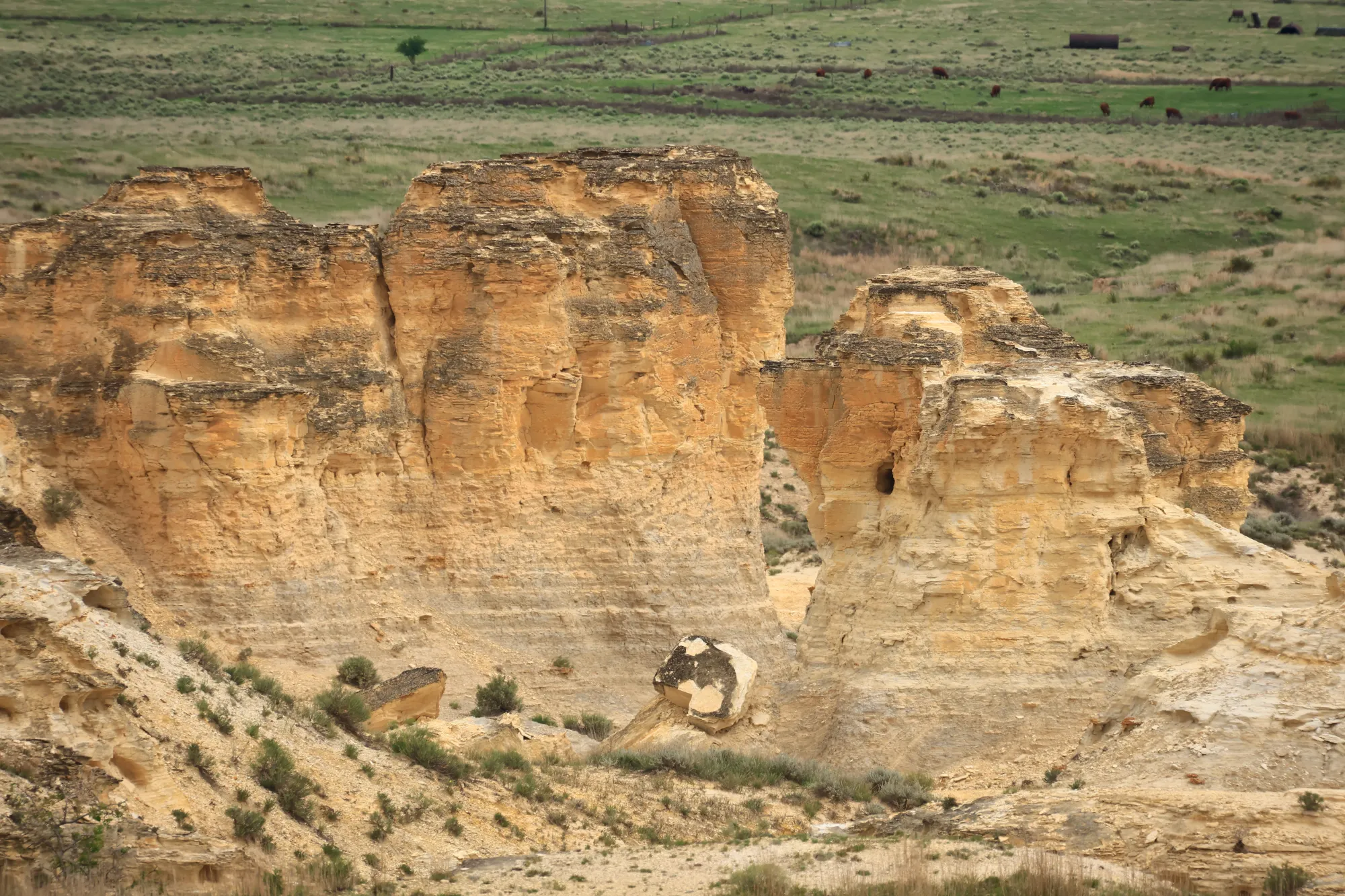
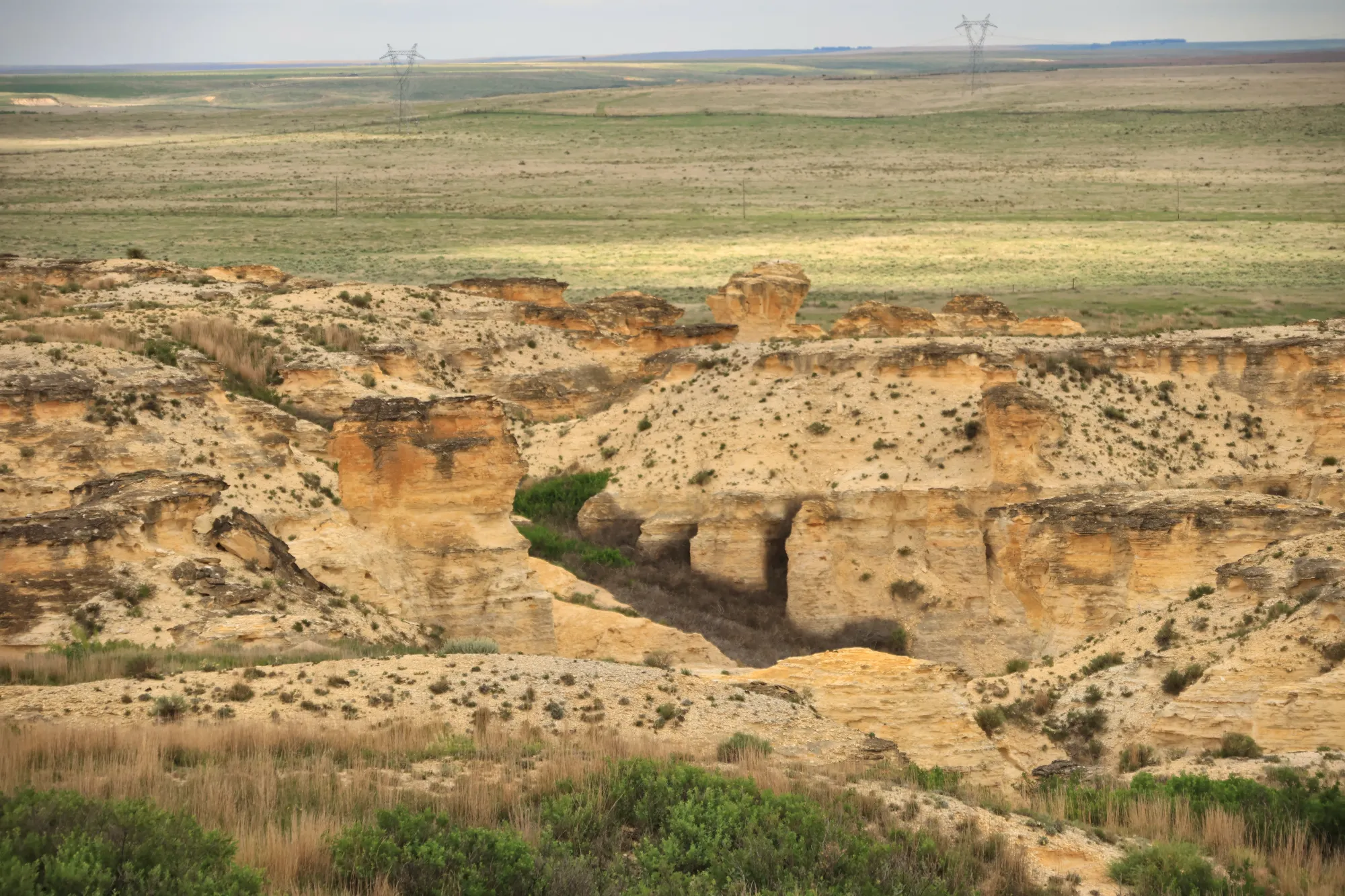
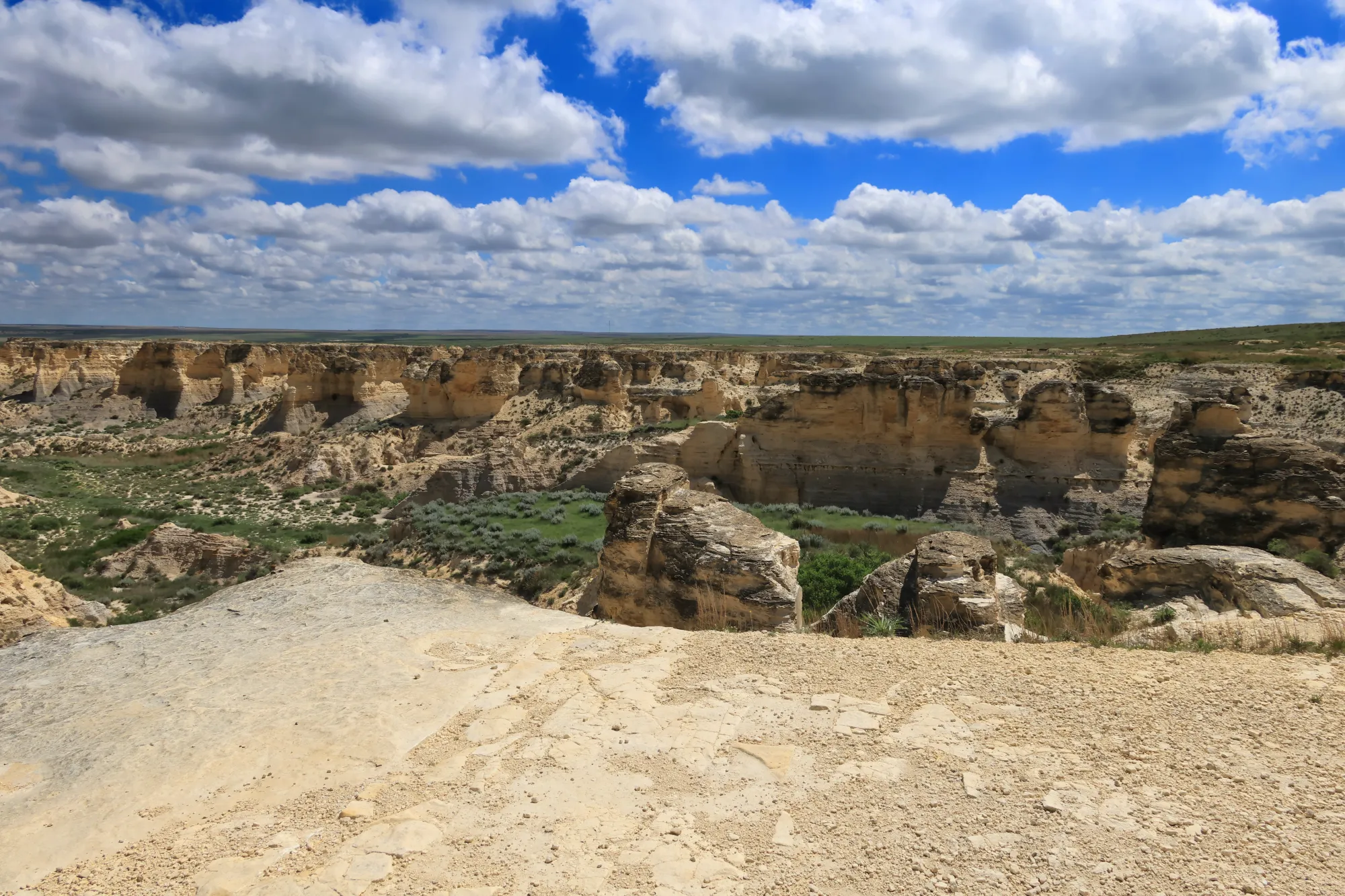
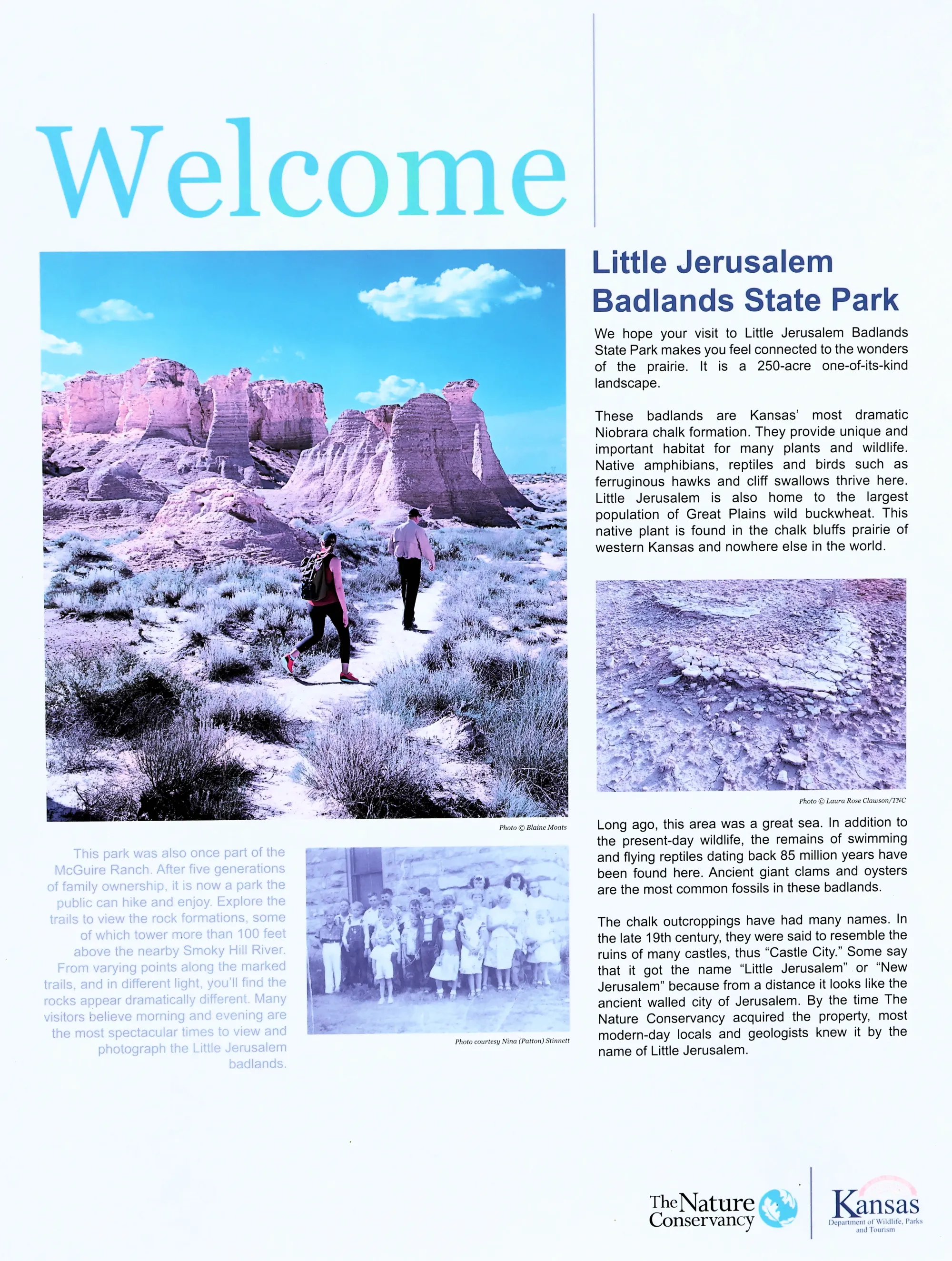
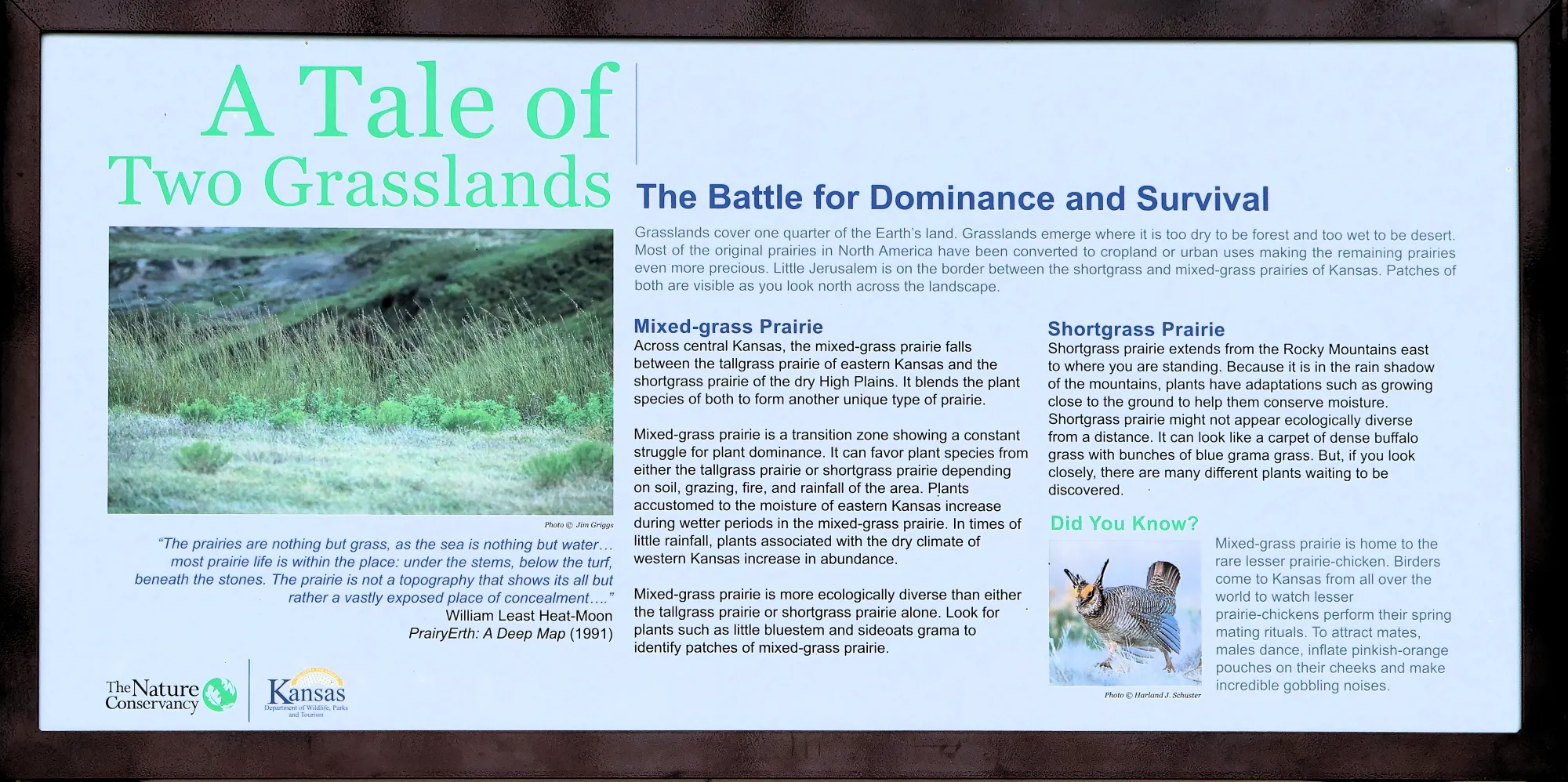
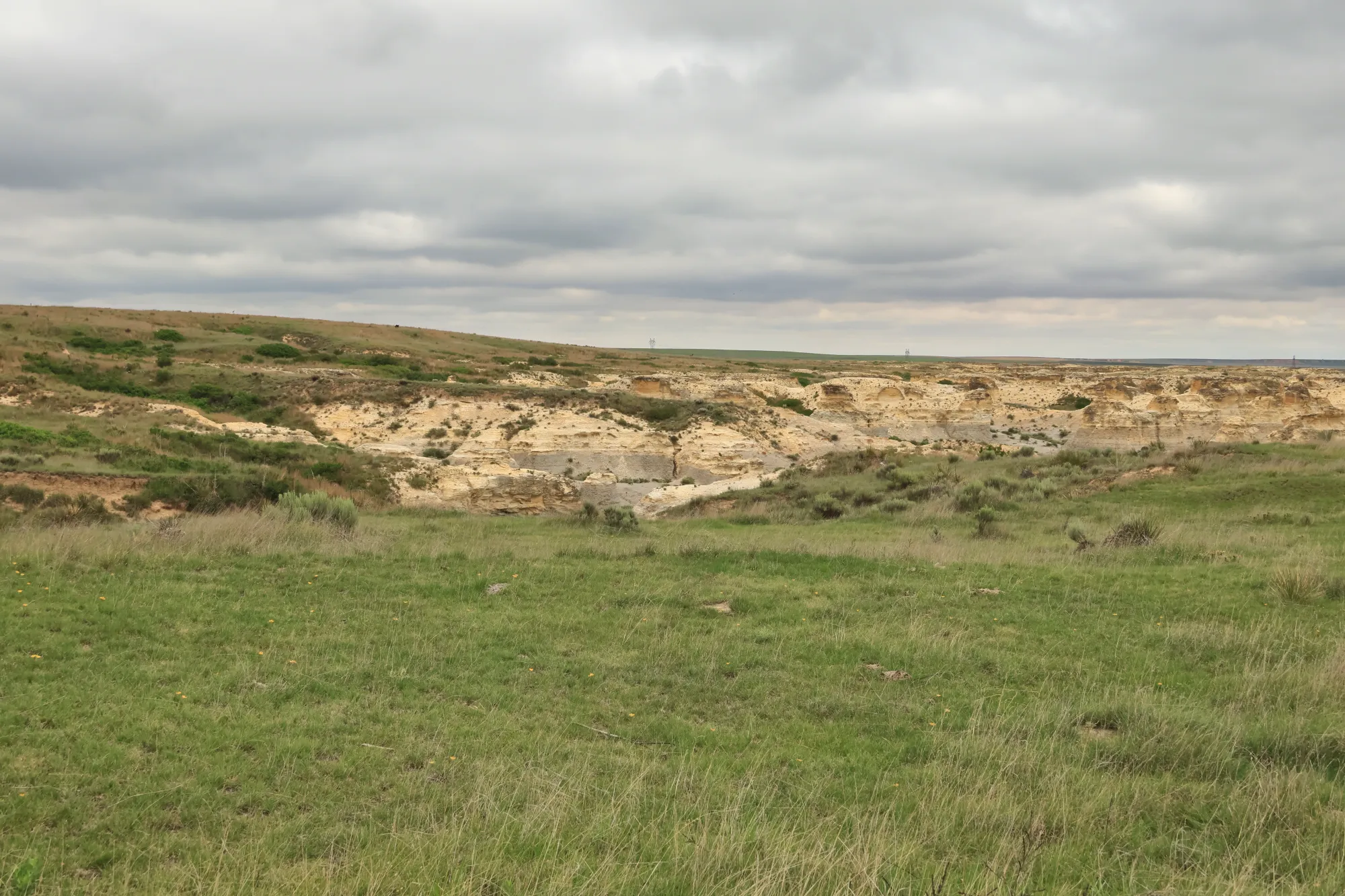
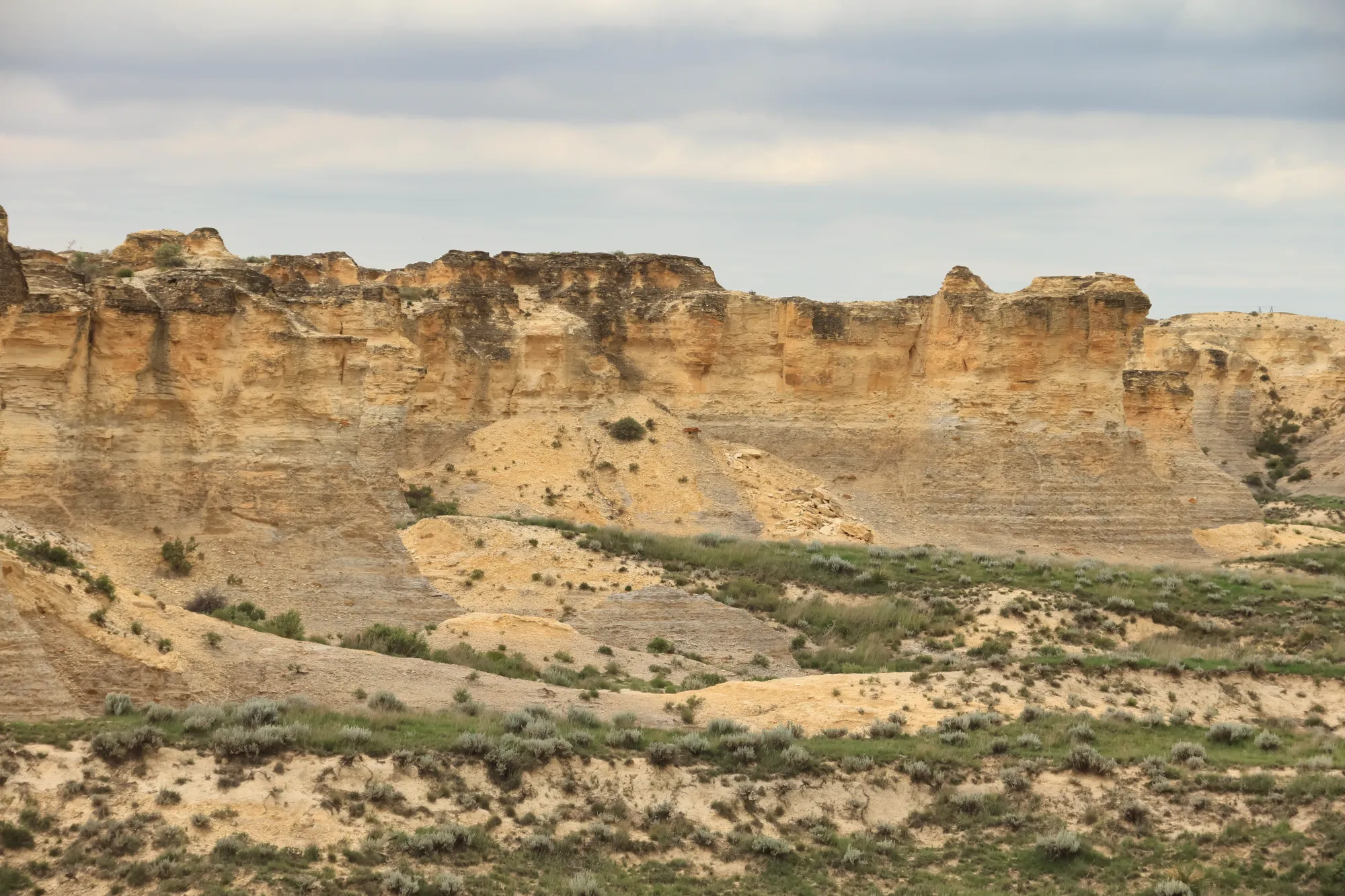
It didn't become a state park because the state simply purchased the land. The Nature Conservancy continues to own the property, while Kansas manages public recreational access in partnership with TNC. The Kansas Legislature established Little Jerusalem Badlands State Park in 2018.It officially opened to visitors in 2019, with the grand opening held on October 12, 2019.
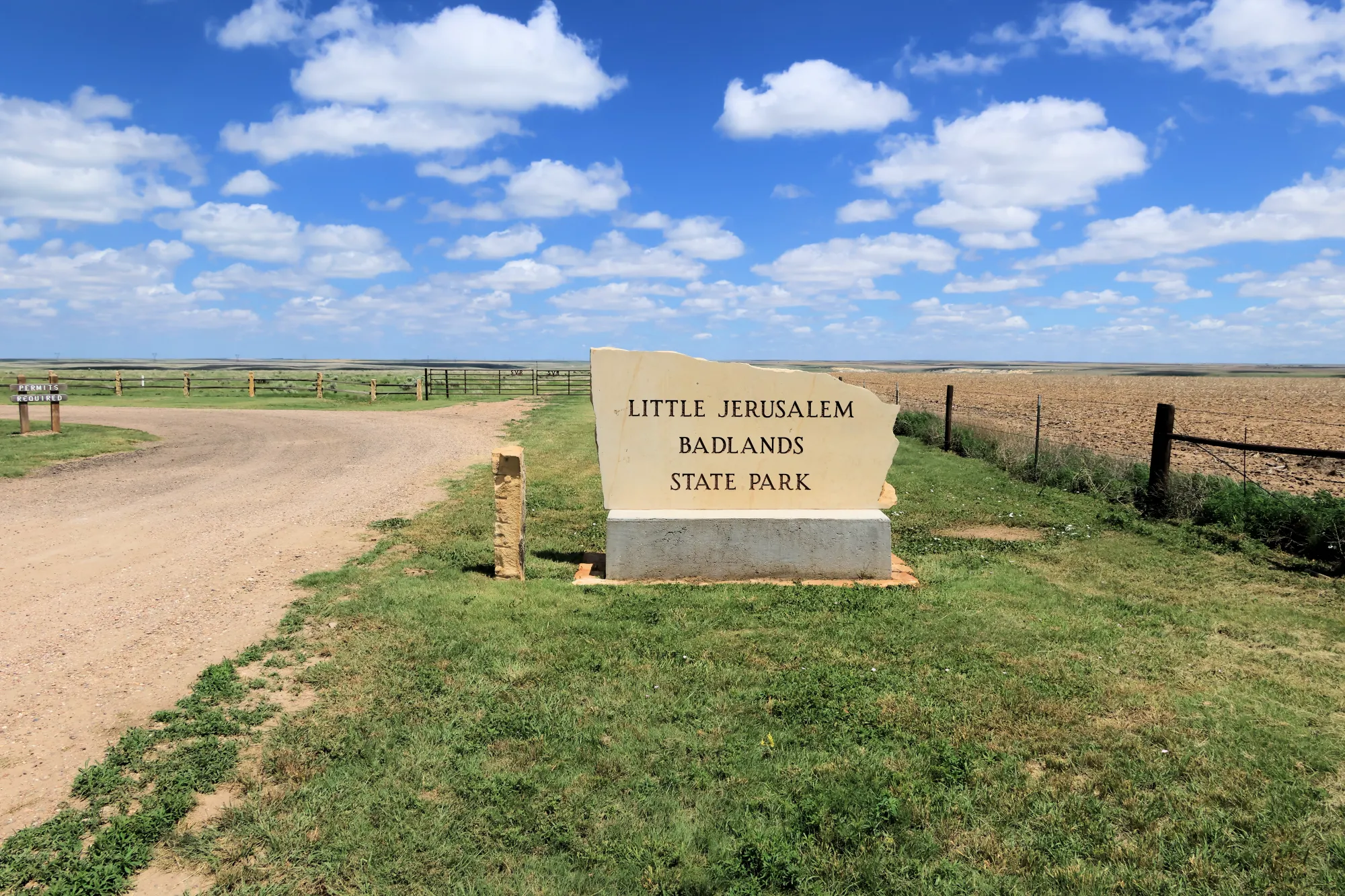
1. The concrete-looking posts are often old fence posts
Western Kansas boasts a rich history of ranching and fencing. Little Jerusalem was part of the McGuire Ranch for five generations, where fences helped manage cattle and define property lines. Before becoming open to the public, the land was private ranch property. Some of the older fences in the region featured posts made from locally sourced limestone or chalk, or even manufactured concrete, instead of the wooden posts we often see today.
2. But there is a famous reason for stone fence posts around Oakley
The region around Oakley is part of what Kansas calls Post Rock Country. Kansas has extensive beds of relatively soft limestone that early settlers could quarry into large, flat slabs. Because the treeless prairie had very little wood available for fencing, settlers discovered that they could split the limestone into posts and use them for fences. Those posts became so characteristic of the region that they're called "post rocks."
Birds
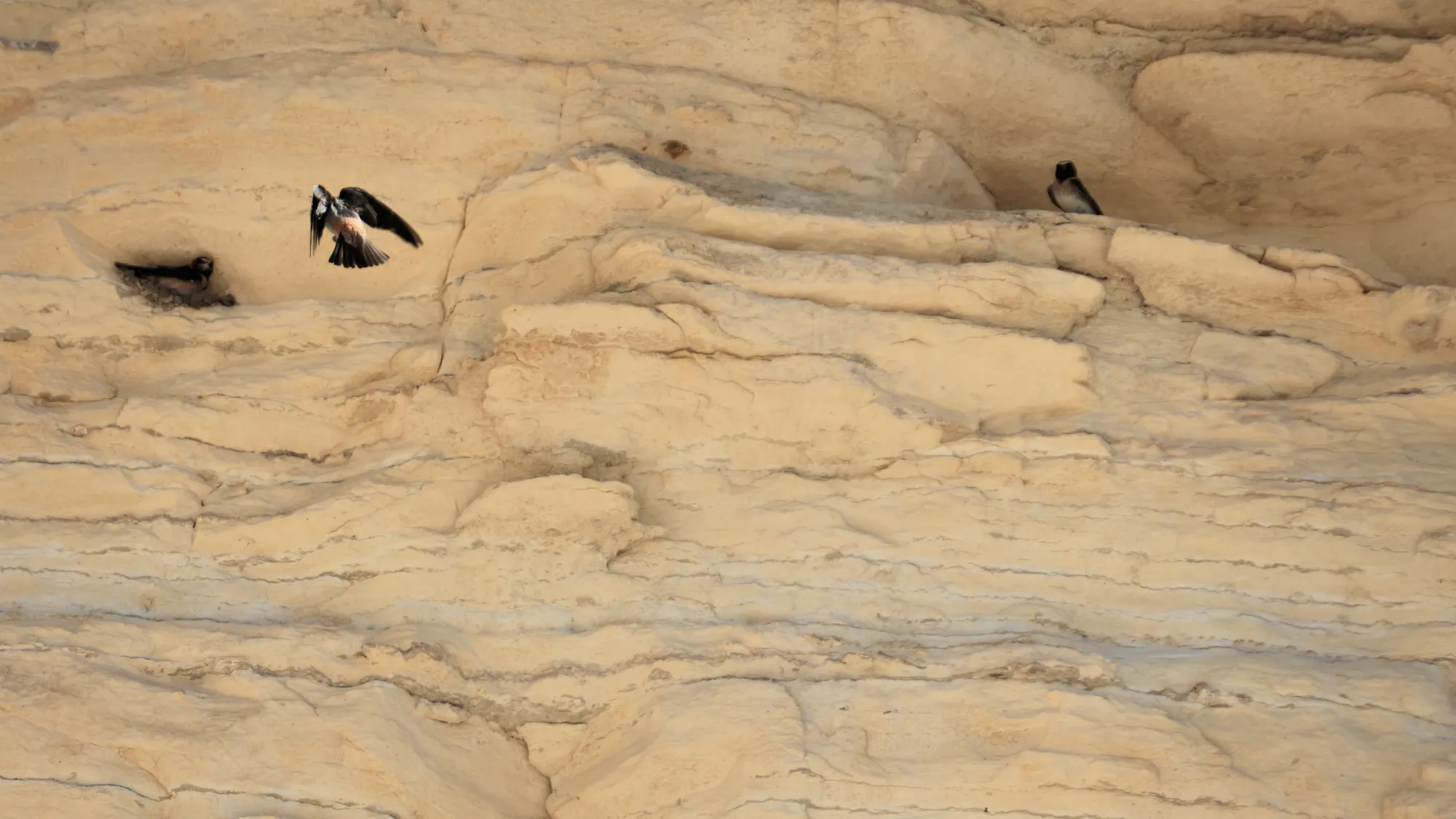
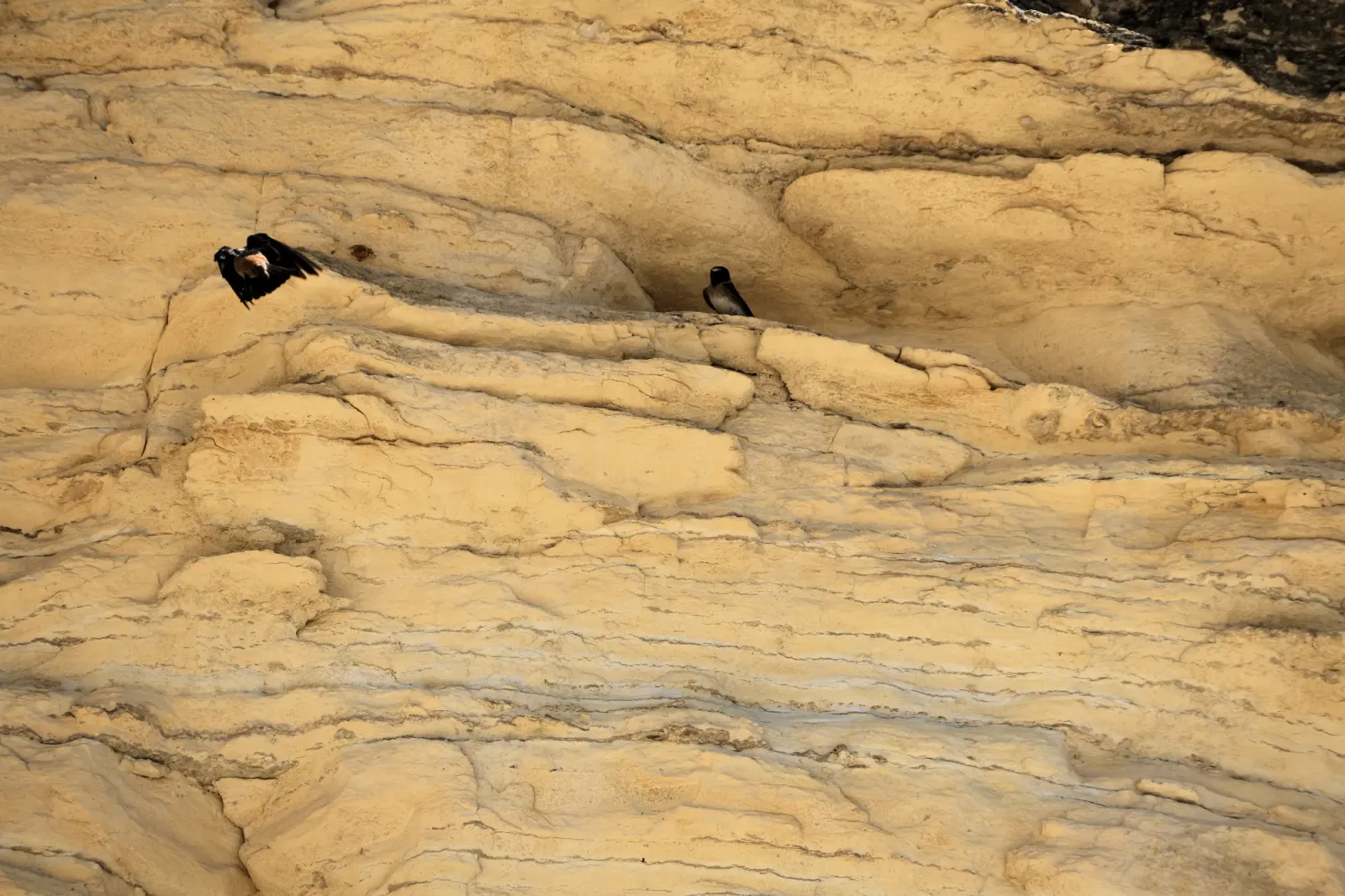
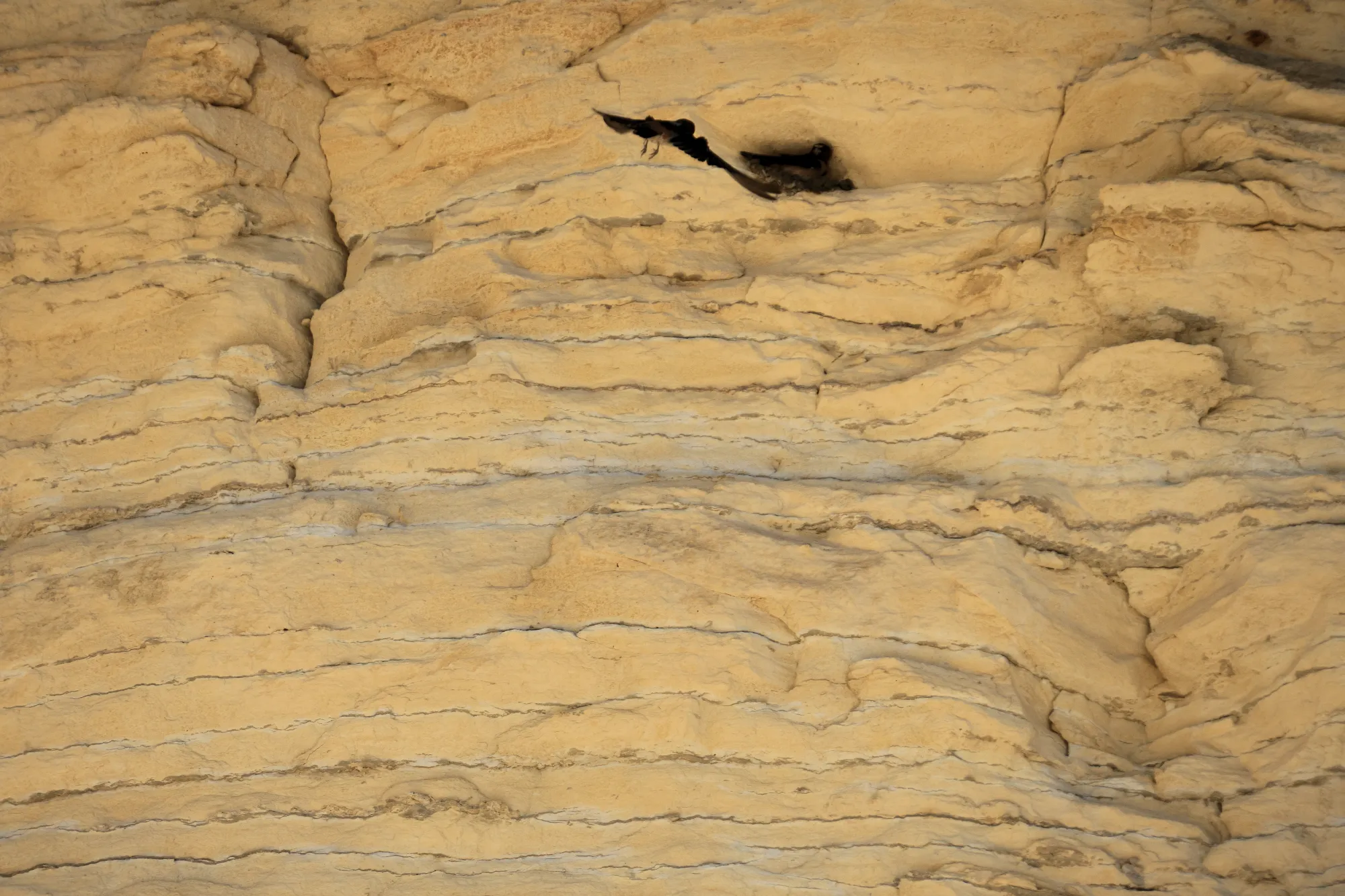
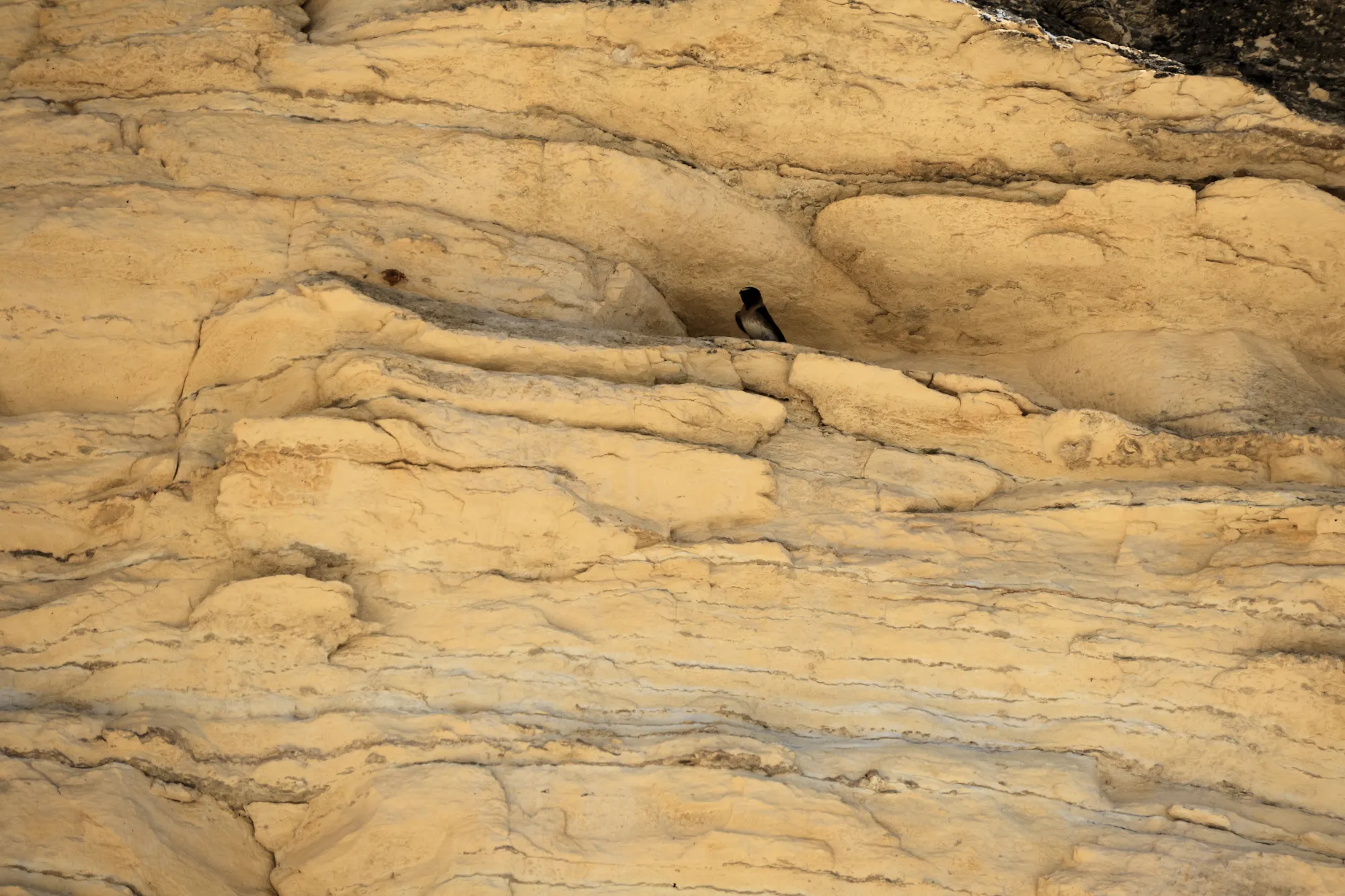
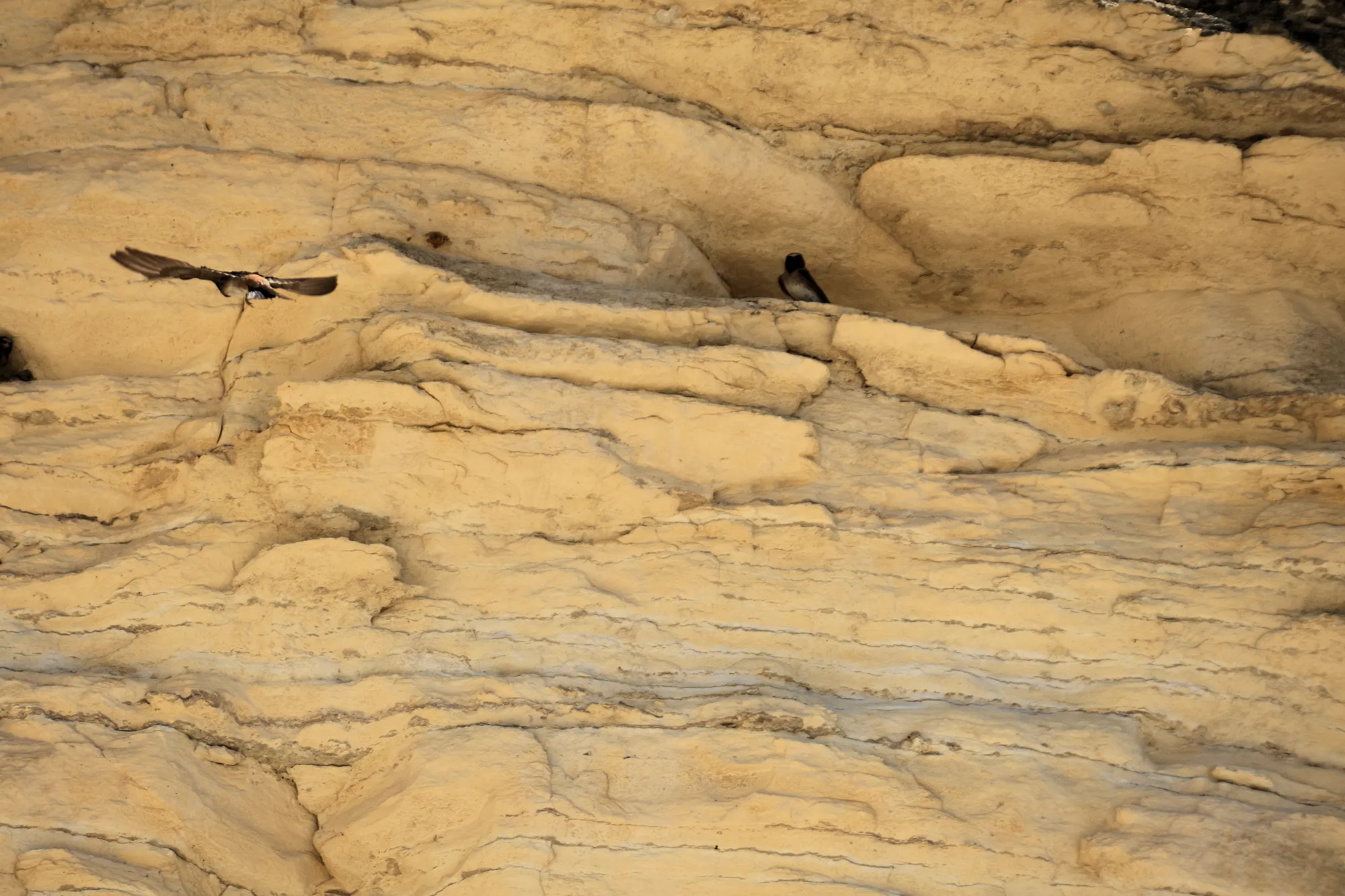
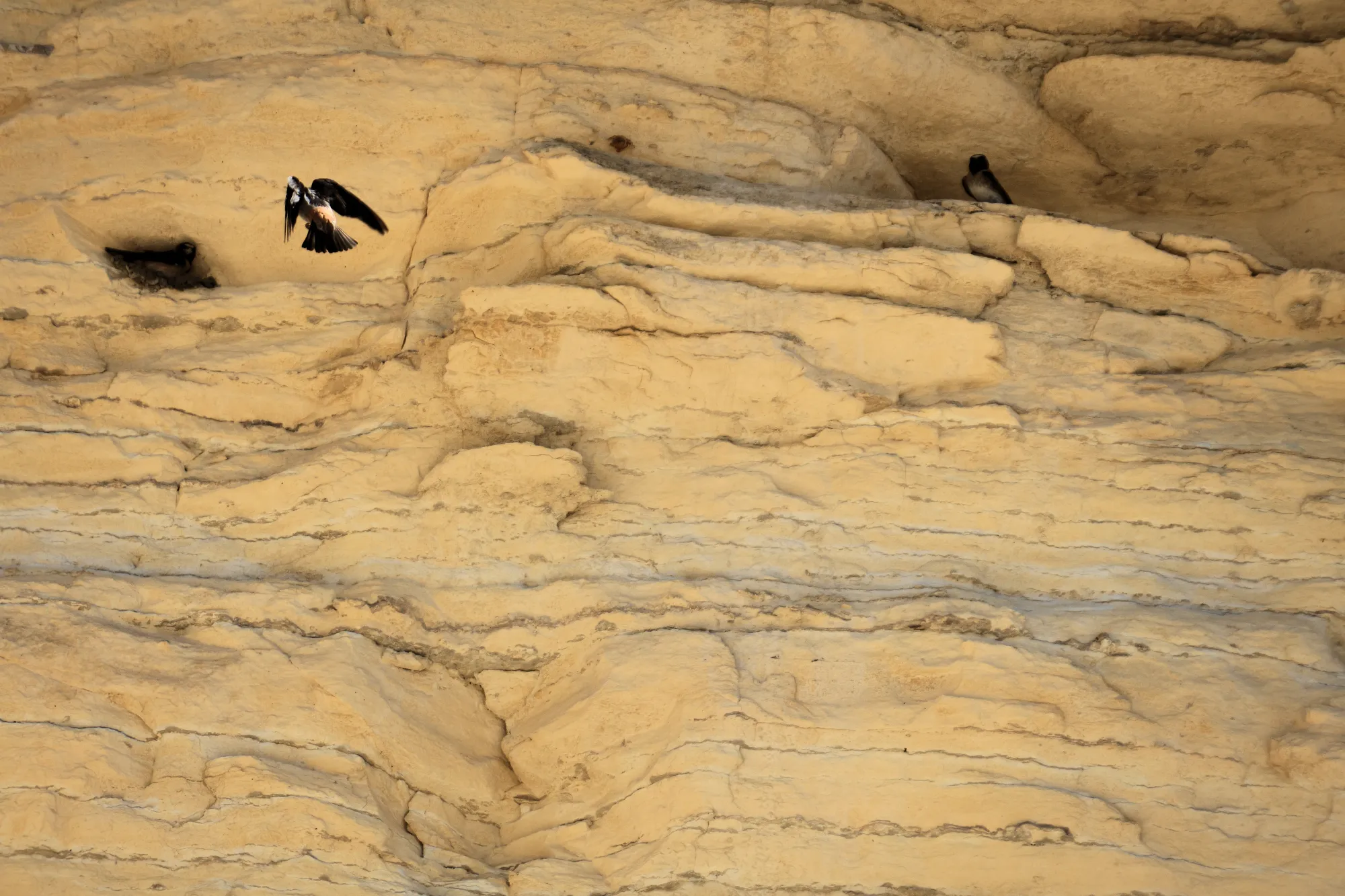
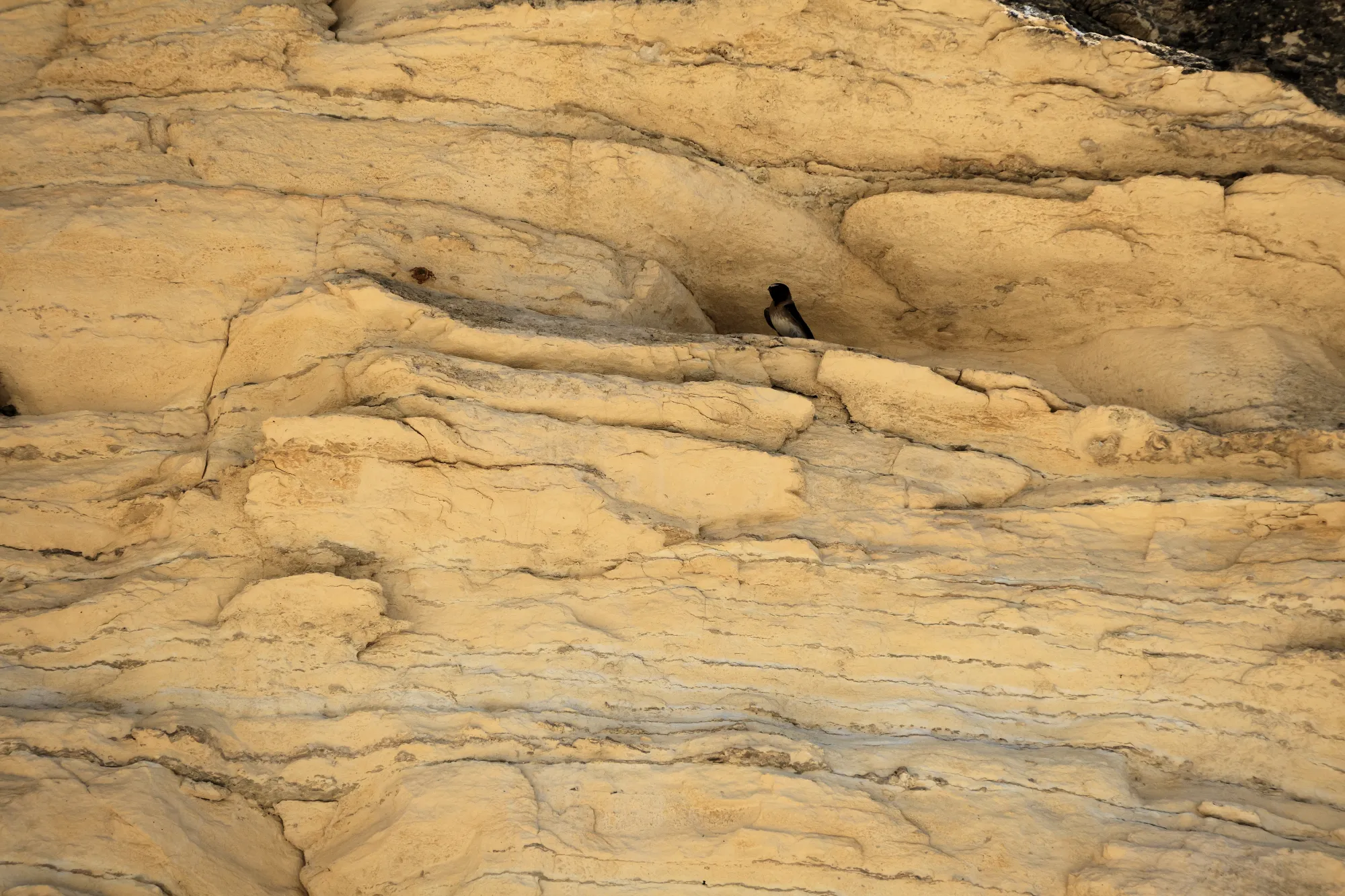
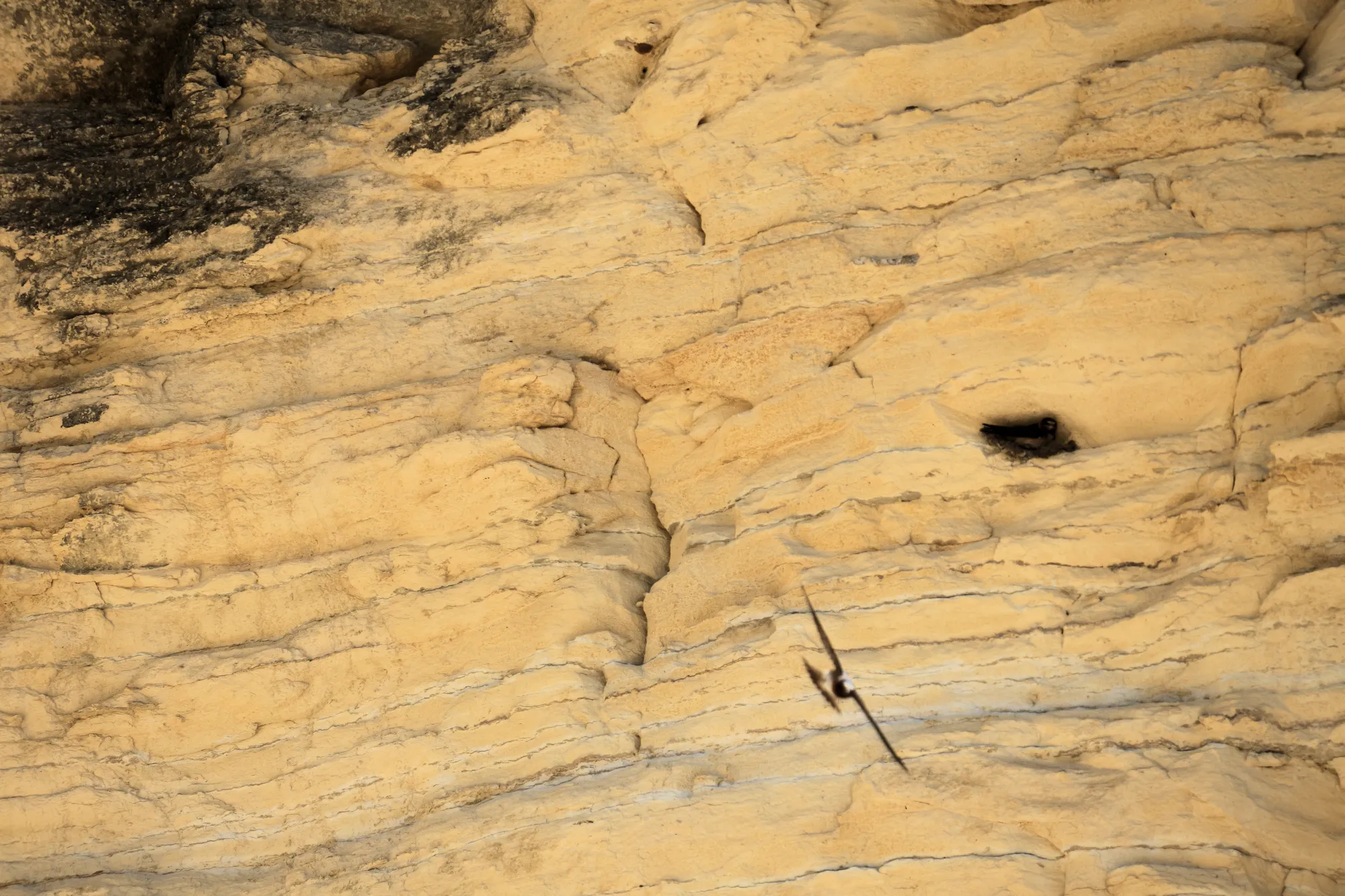
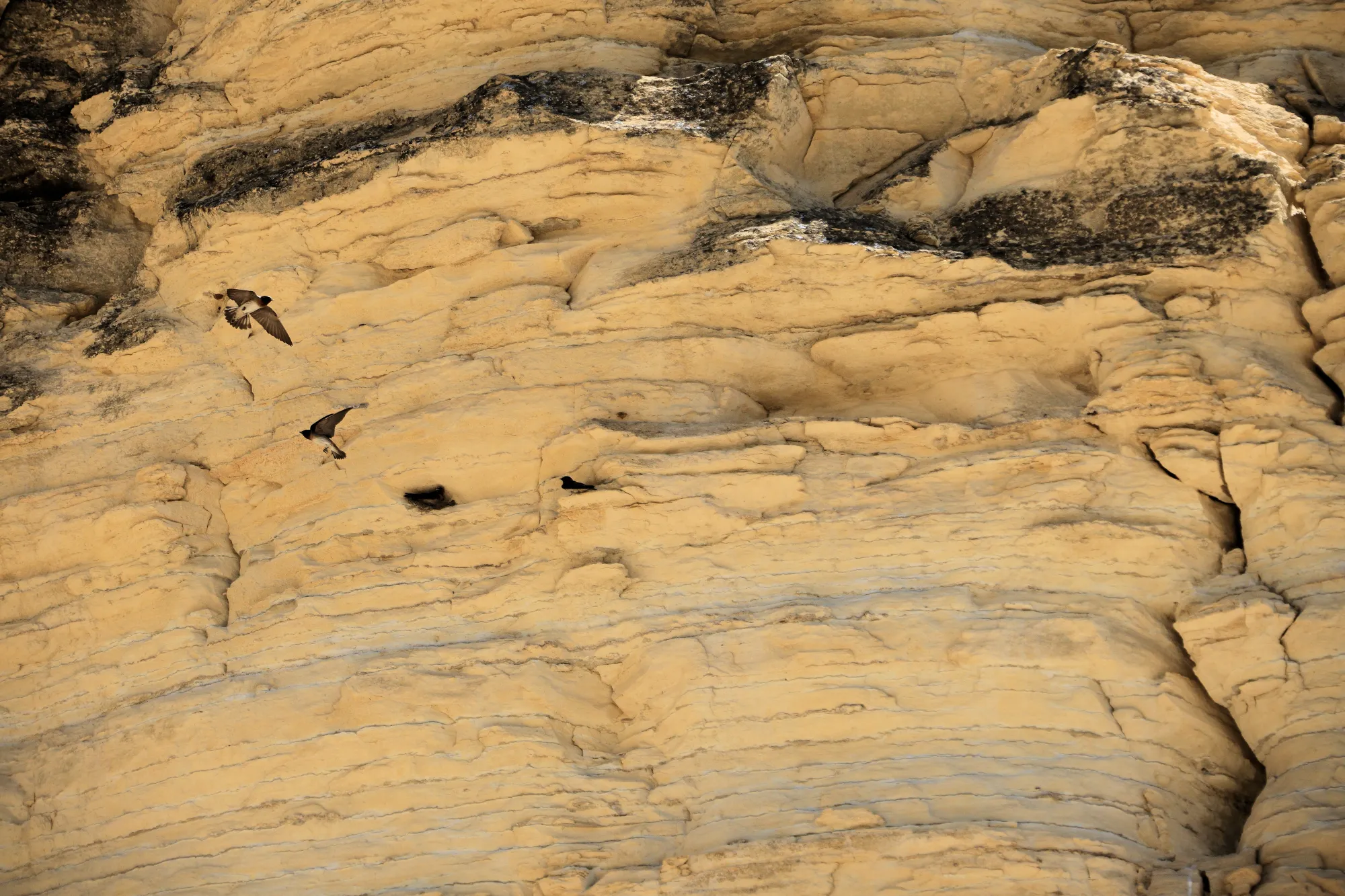
There were not many living creatures on our western trip. However, there were barn swallows that make nests in the limestone. It was fascinating to watch the birds fly in and out of the nests to feed their babies.
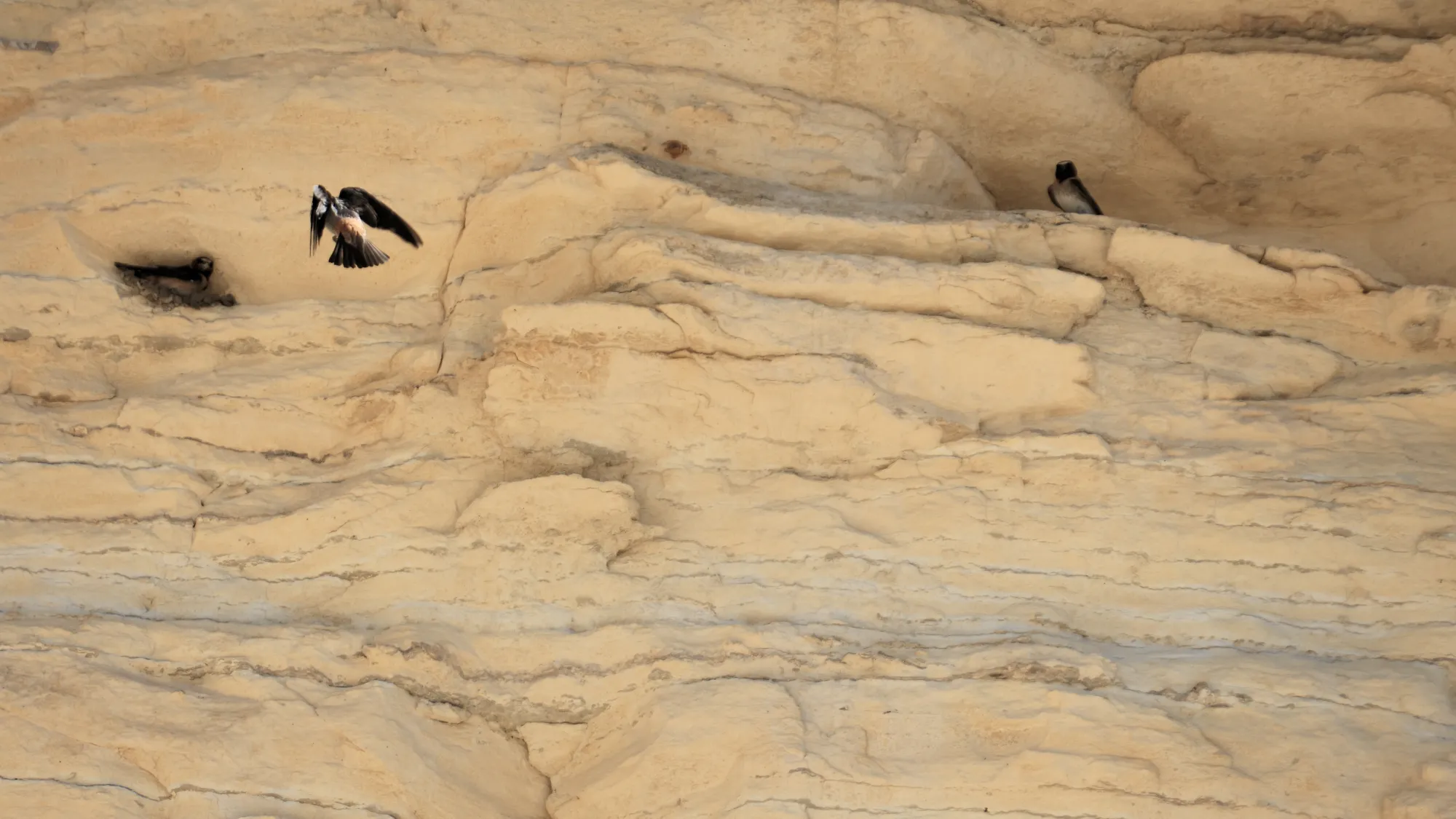
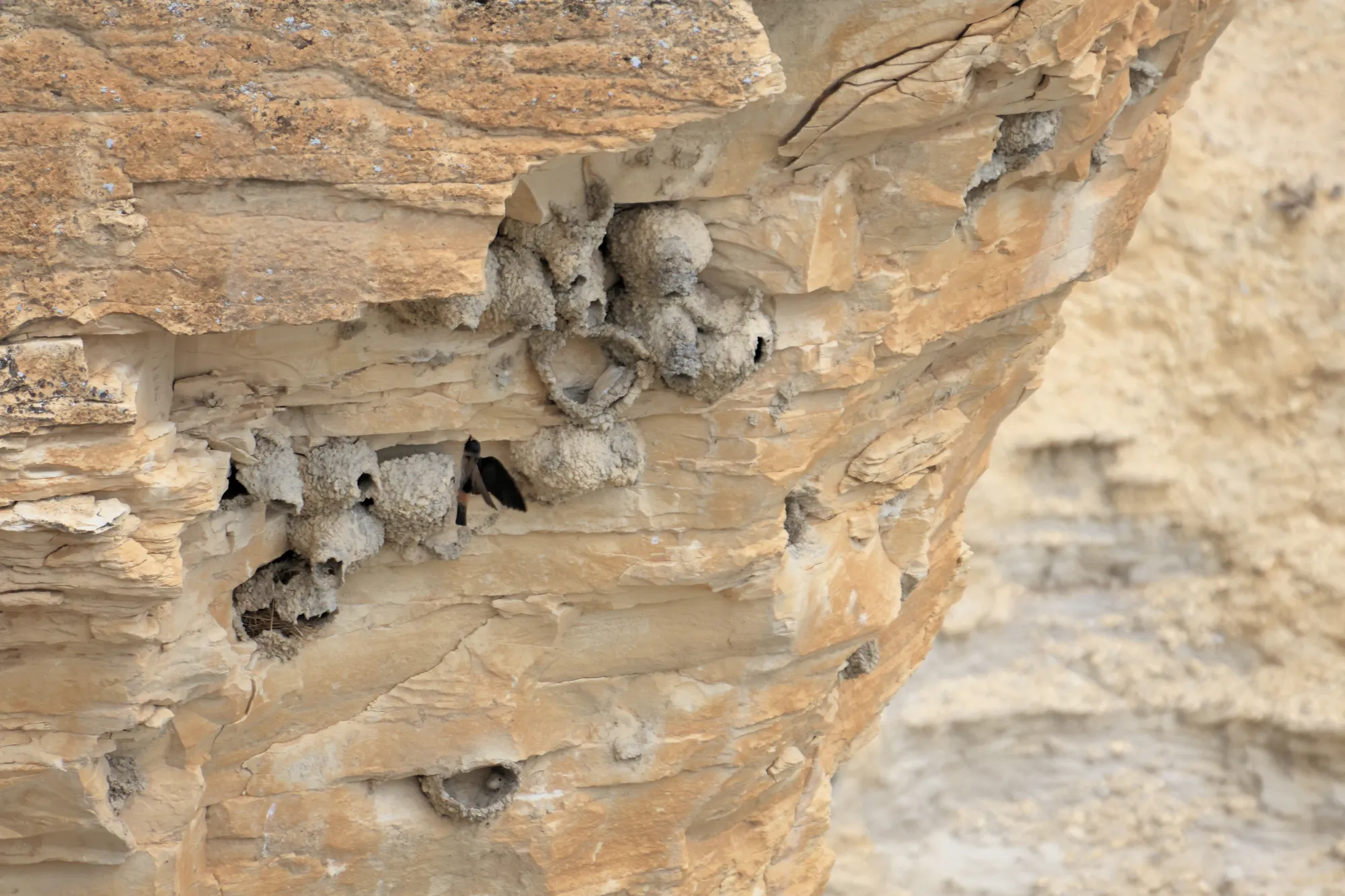
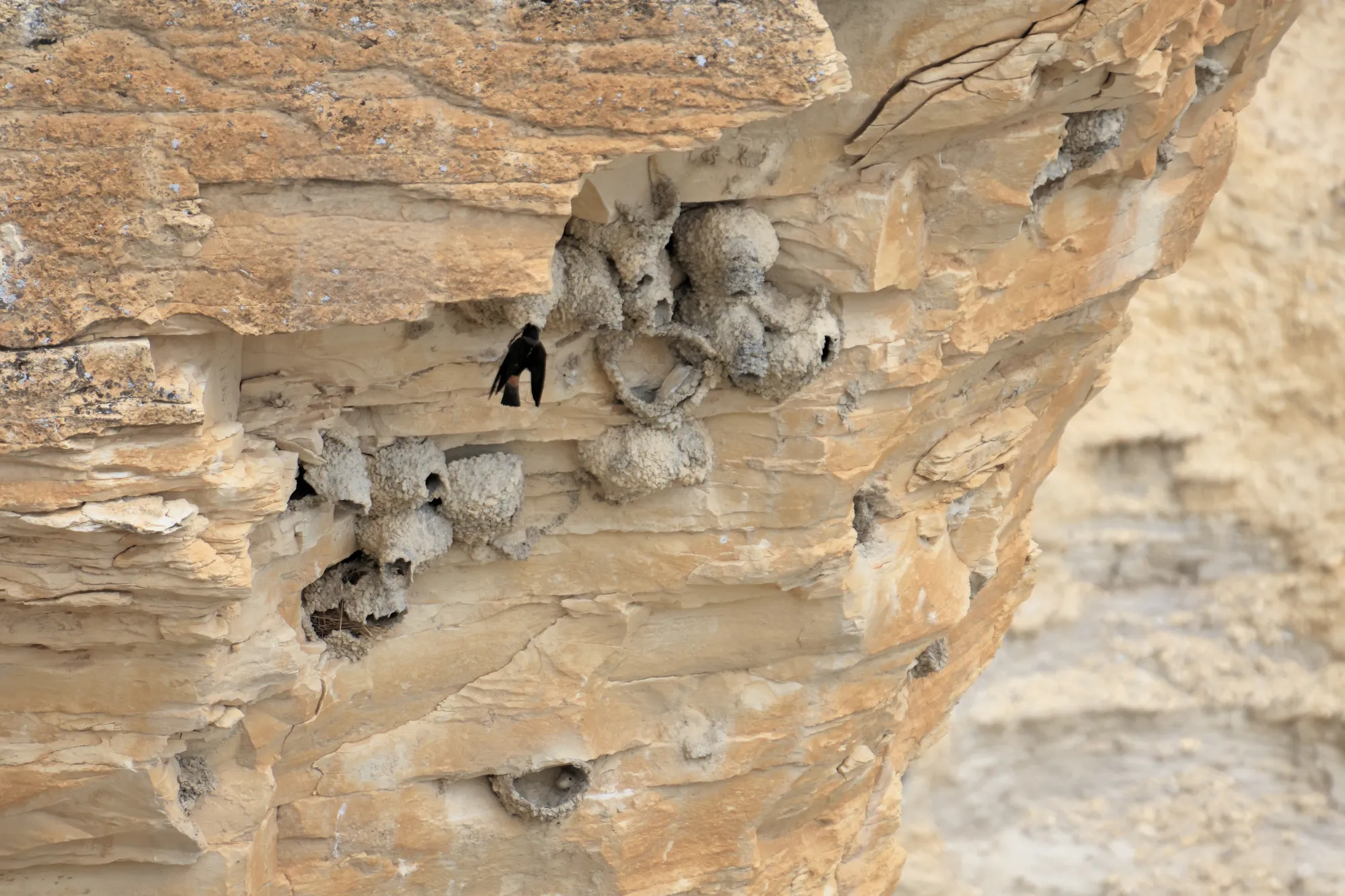
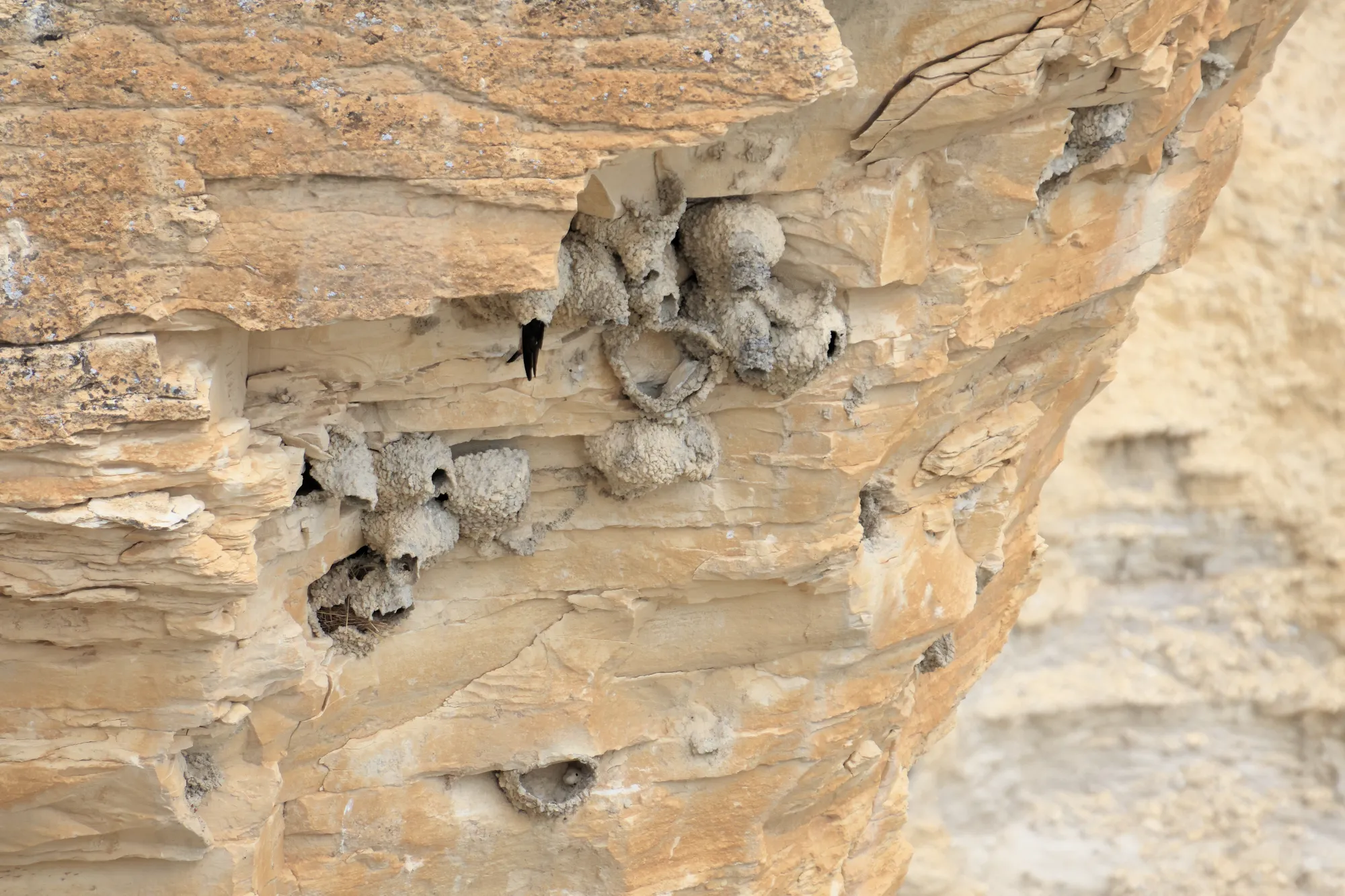
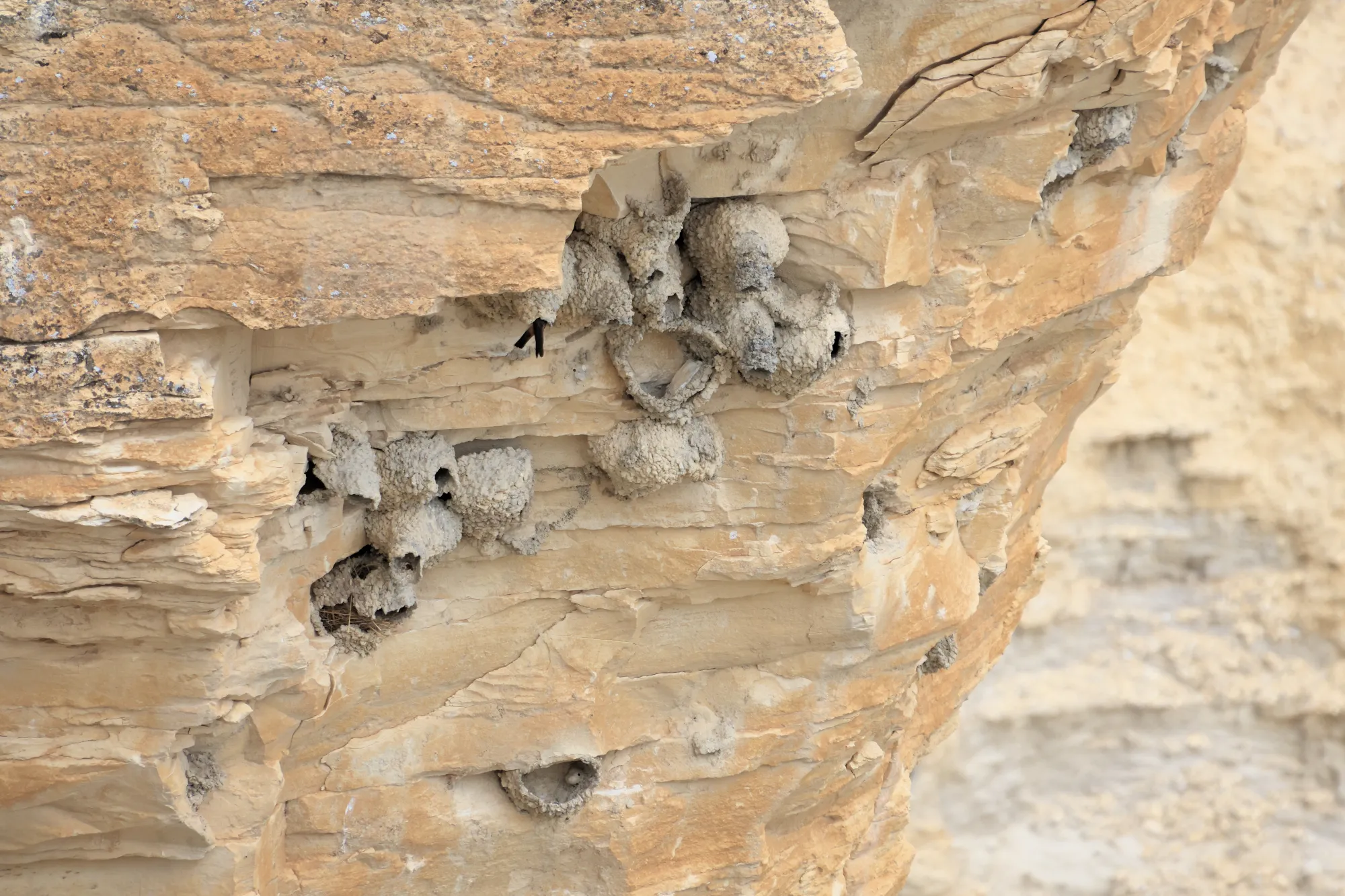
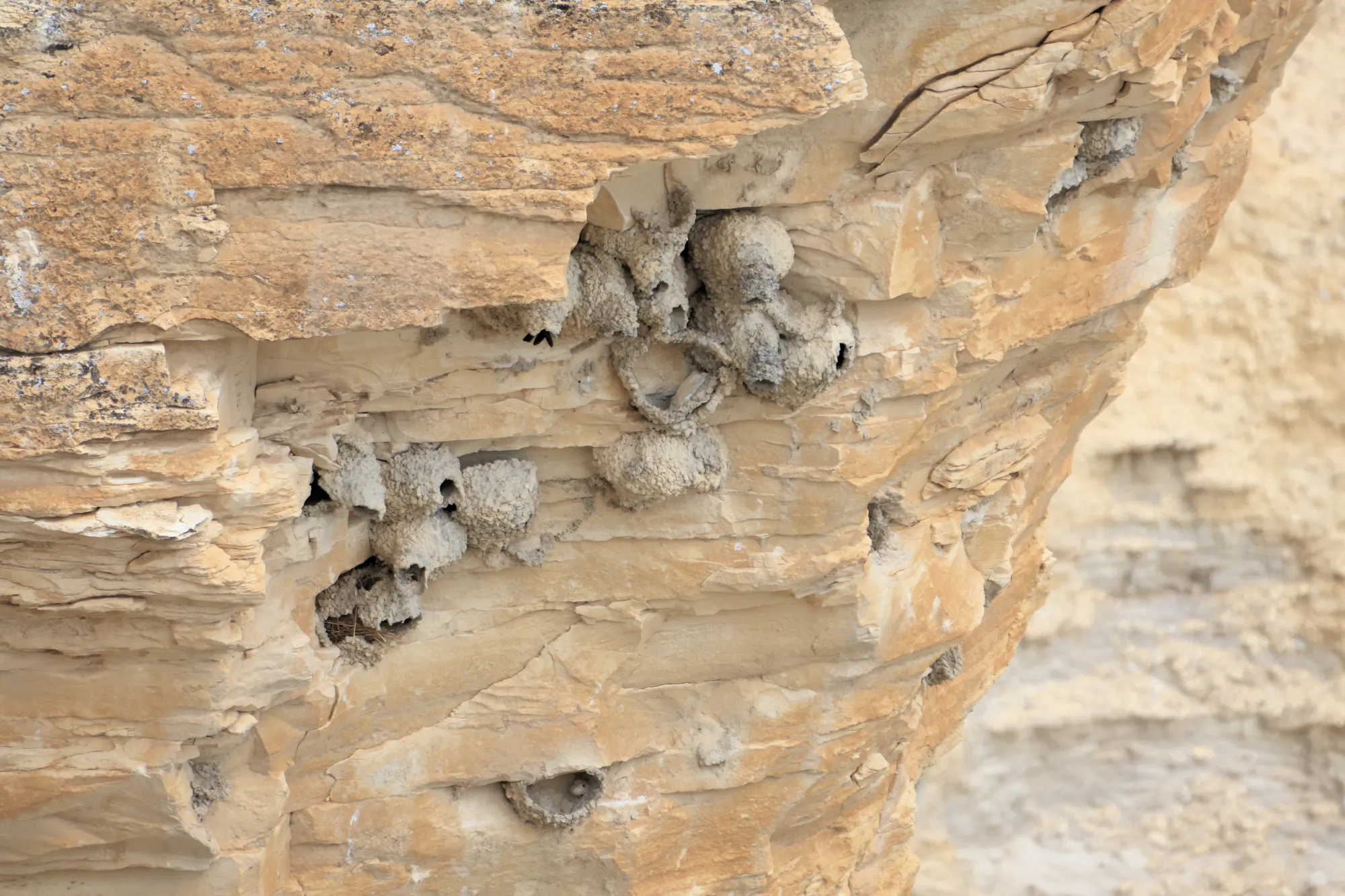
The bird below is a one of our favorites.
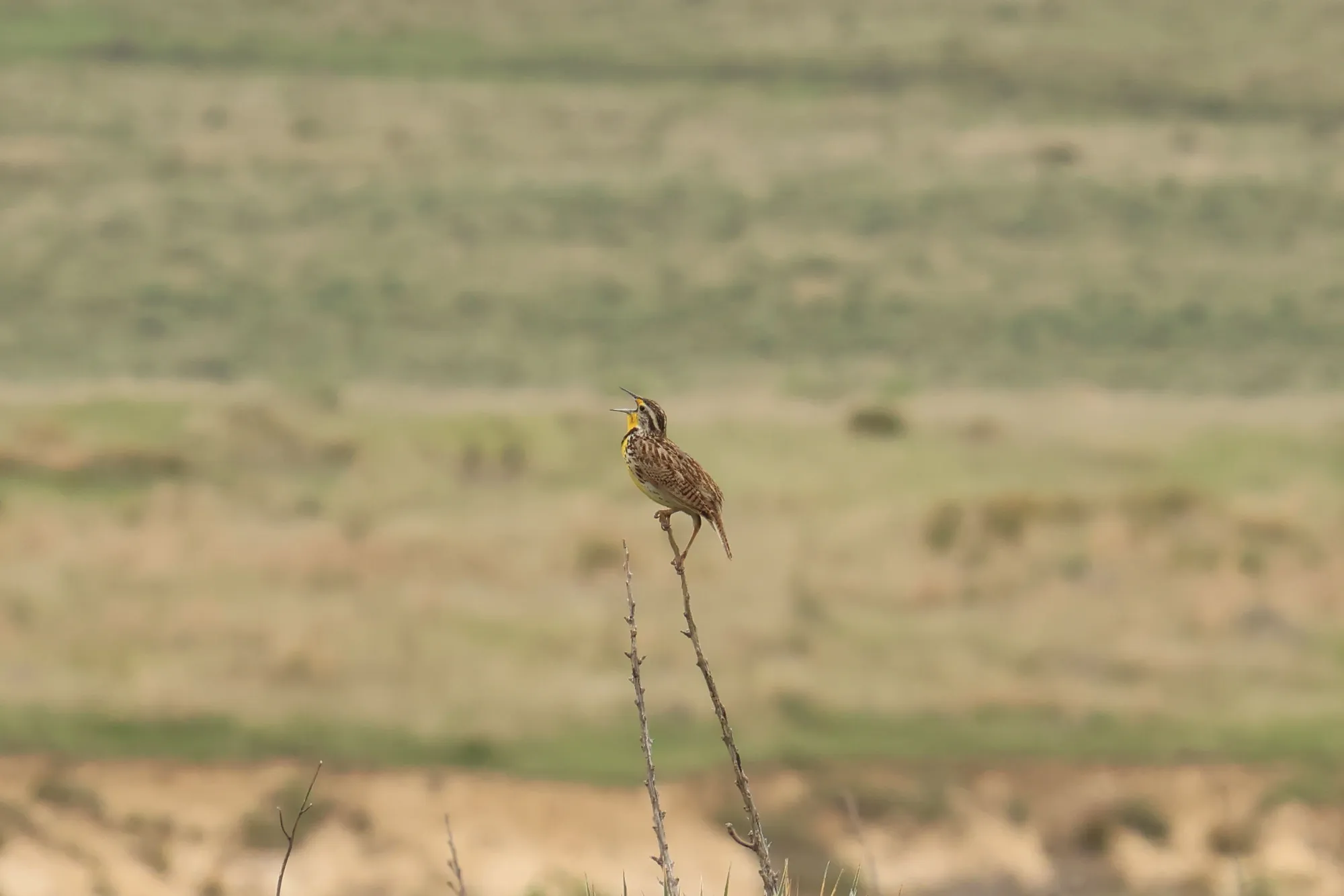
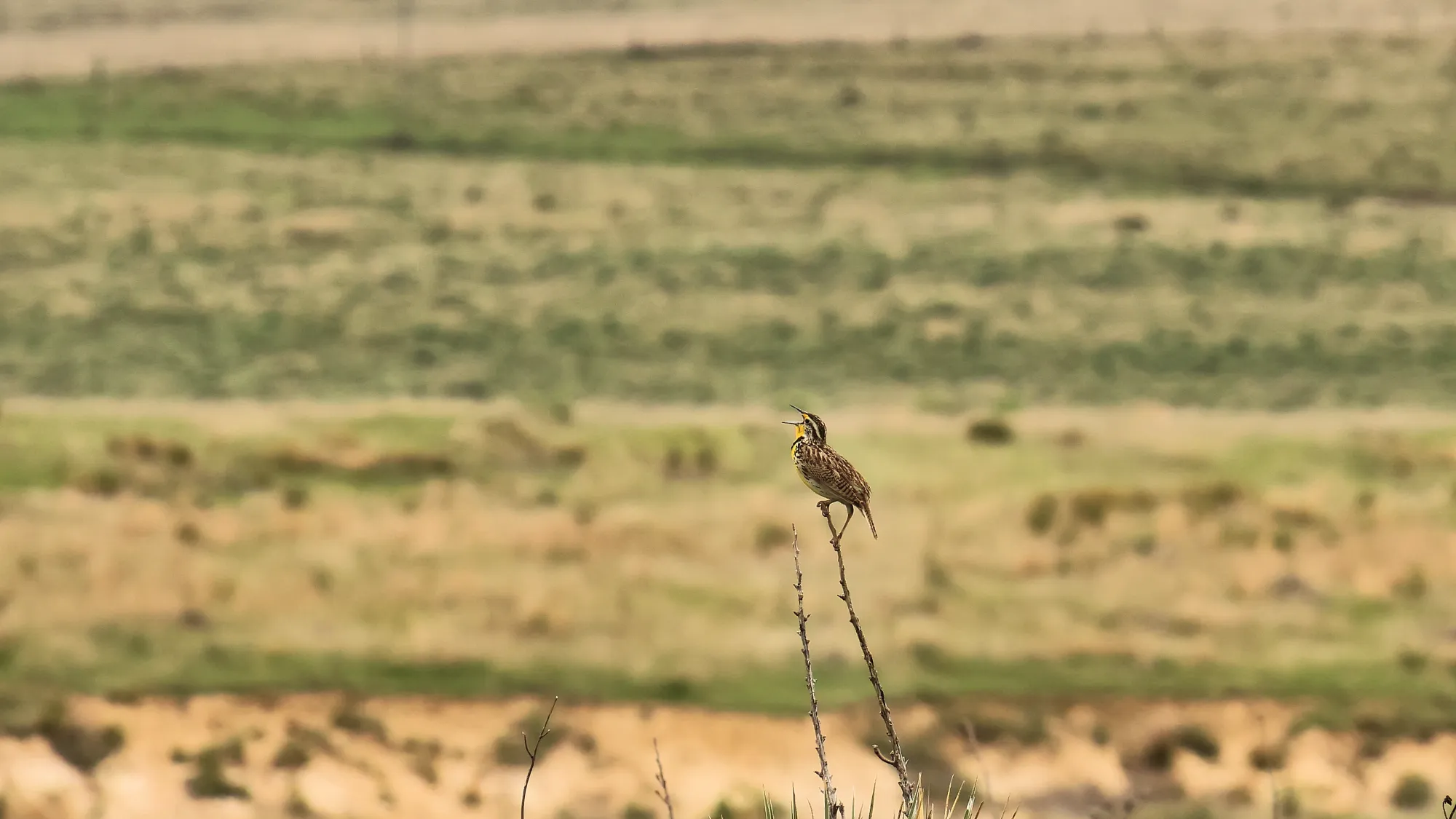
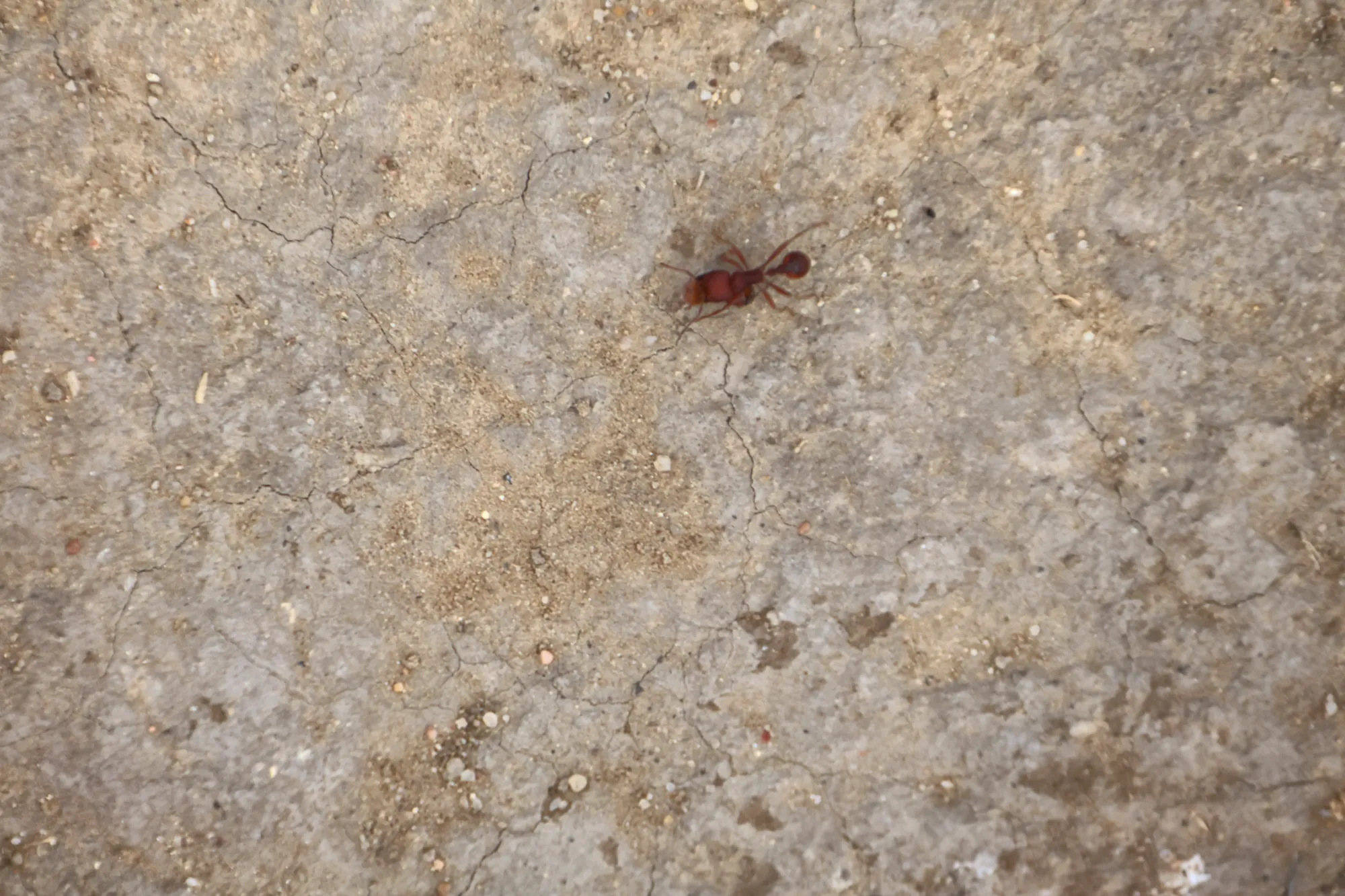
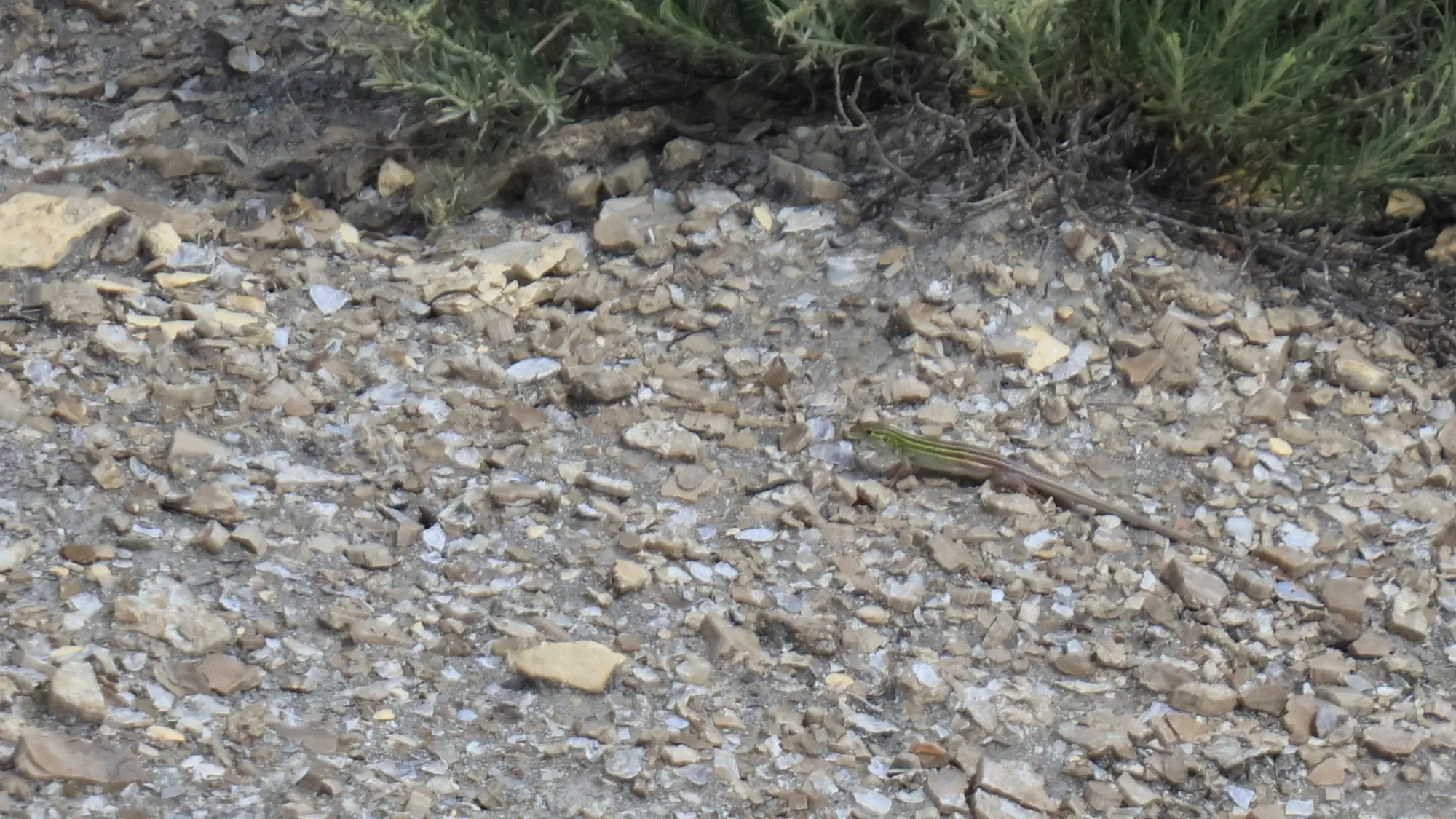
Here are some more wildlife pictures from Little Jerusalem Badlands:
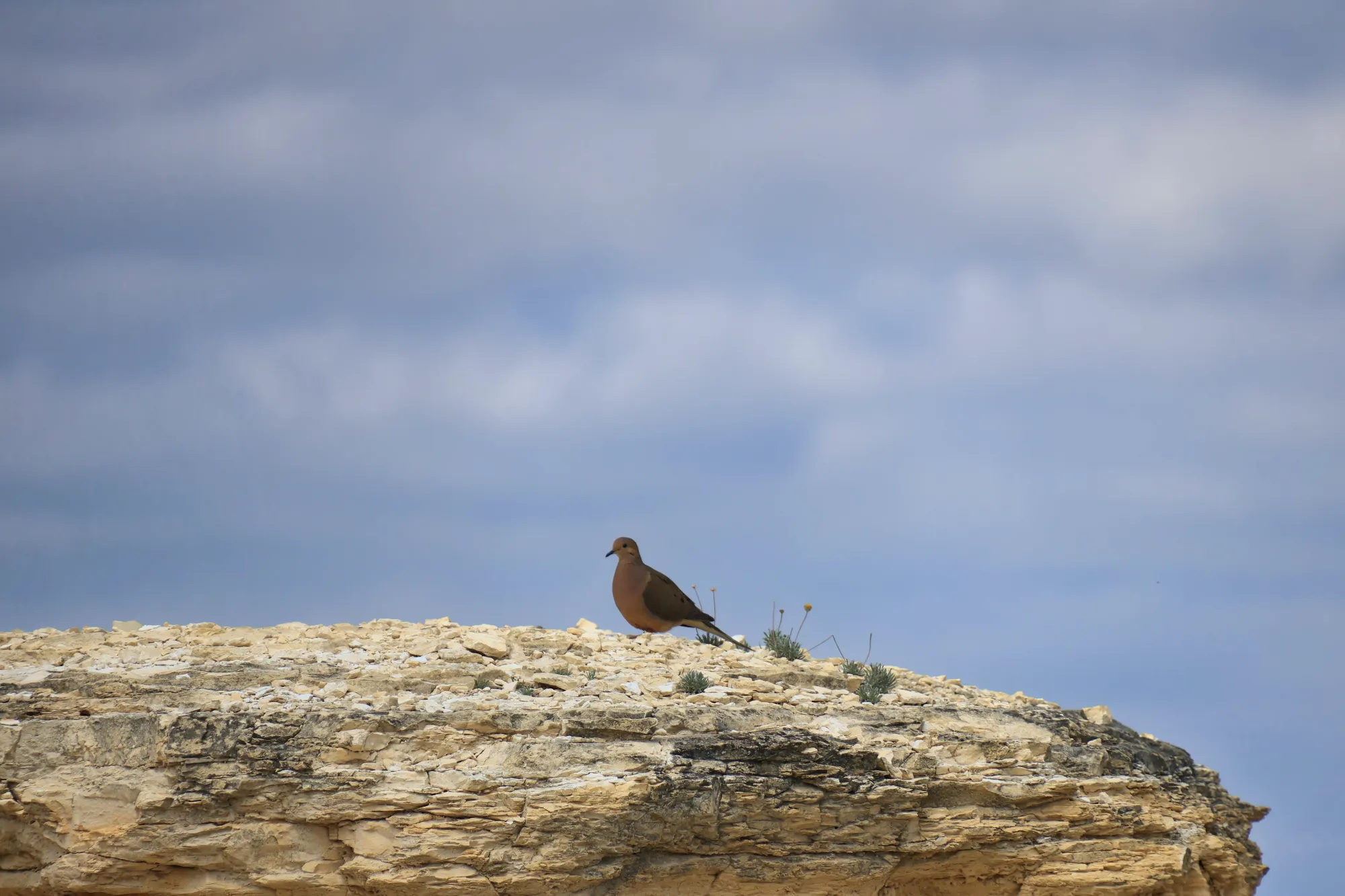
1. Overlook Trail
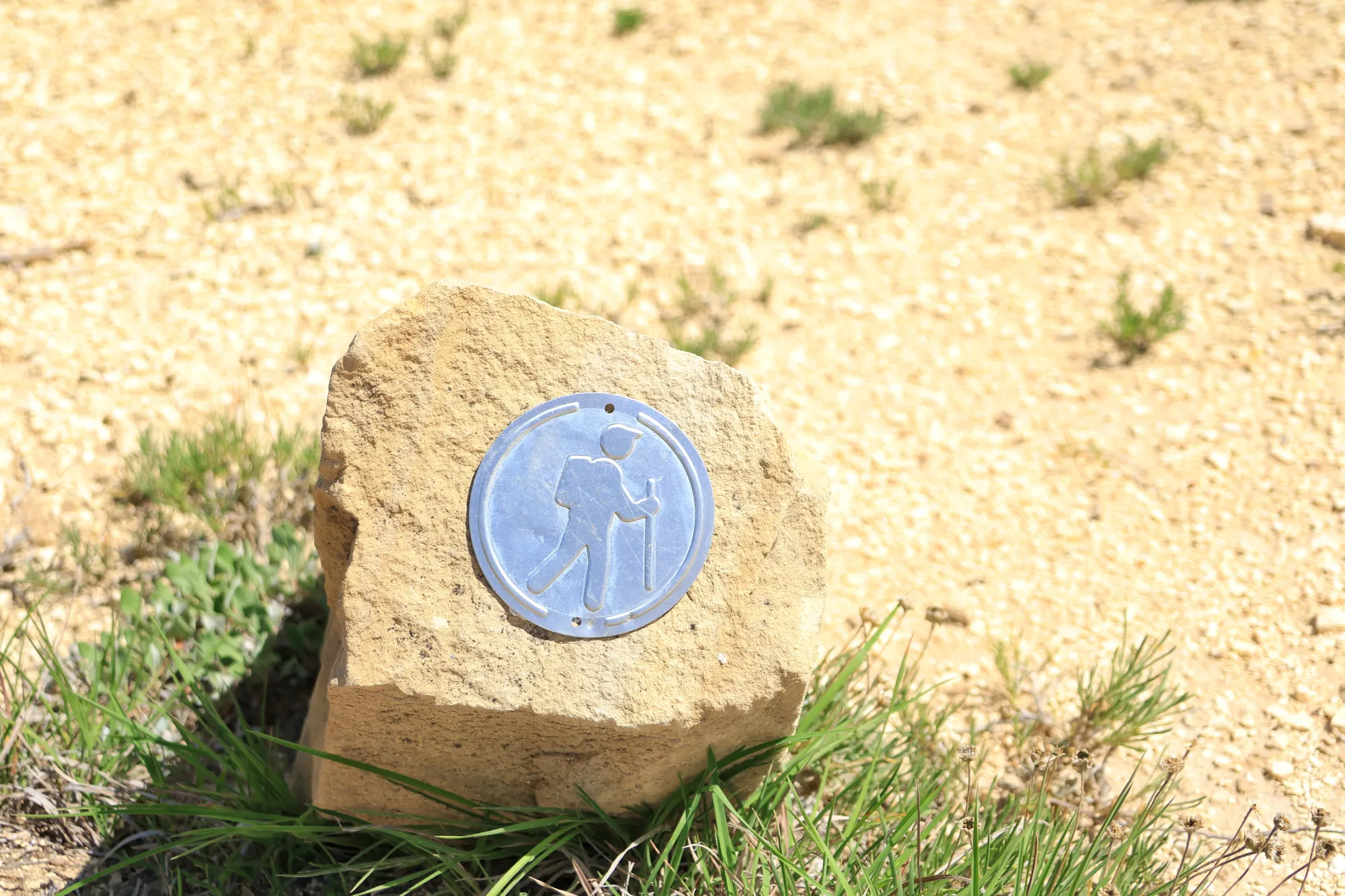
- Length: about 0.5 mile
- Difficulty: Easy
- Activity: Walking
- Takes you along the main overlook area with views down into the chalk formations.
- This is the better choice if you have limited time or mainly want photographs.
2. Life on the Rocks Trail
- Length: about 2.5 miles
- Difficulty: Moderate/easy-to-moderate walking
- Follows the edge of the badlands and provides more extensive views of the formations and surrounding prairie.
- The trailhead is at the west end of the parking area.
⚠️ Important: You can't normally hike down into the formations
The chalk is extremely fragile, so regular visitors must stay on the marked trails, walkways and overlooks. Going into the canyons or formations is permitted only during a scheduled guided off-trail hike. Those guided hikes are considerably more adventurous—they involve uneven ground, grass, brush, loose footing and some scrambling. Sturdy footwear and hiking sticks are suggested.
Monument Rocks
Monument Rocks are located in Gove County, about 25 miles south of Oakley, Kansas.
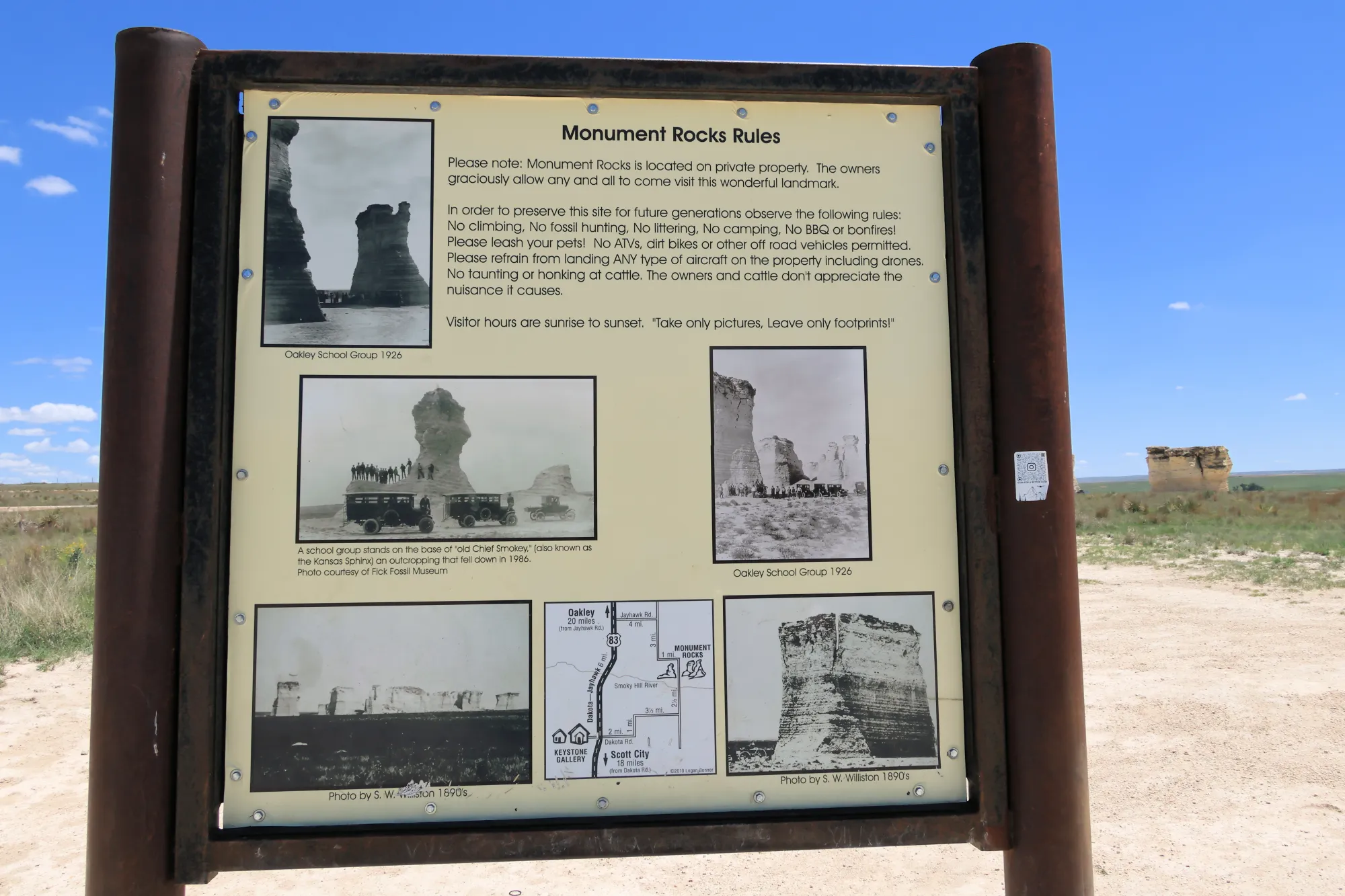
The landmark sits on private property, but the landowners allow public access. Visitors are encouraged to stay on marked areas, avoid climbing on the fragile chalk formations, and leave fossils undisturbed.
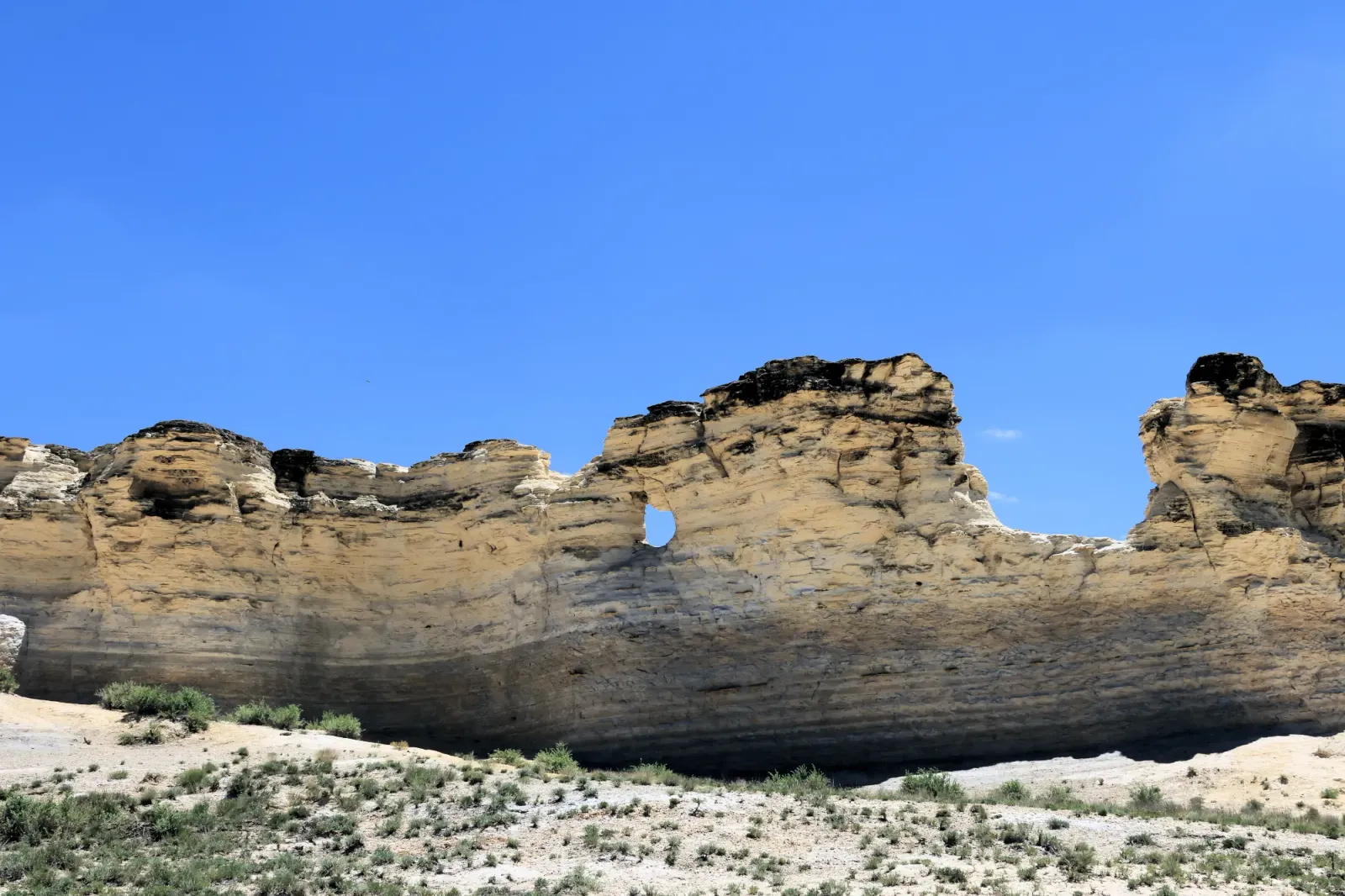
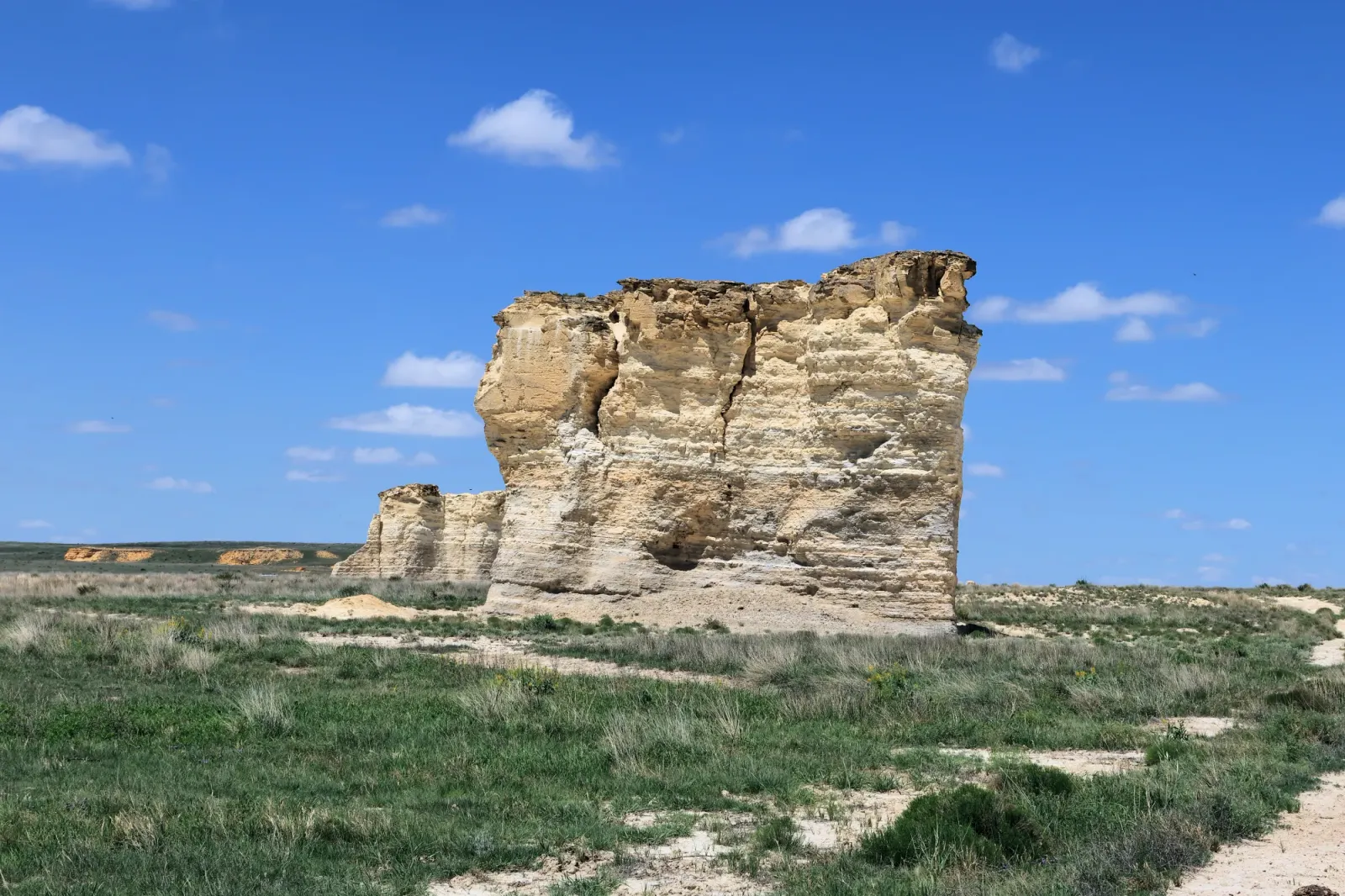
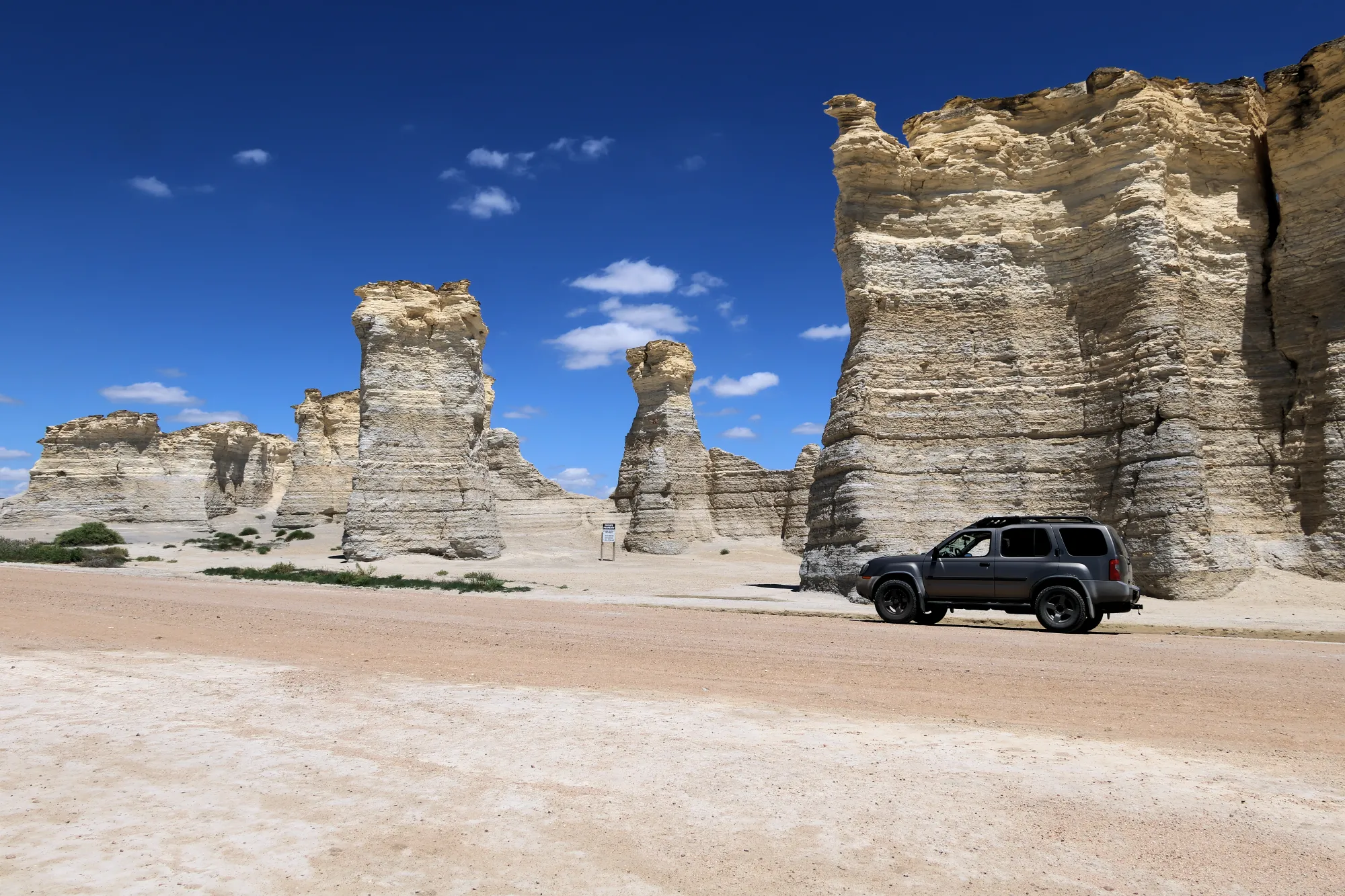
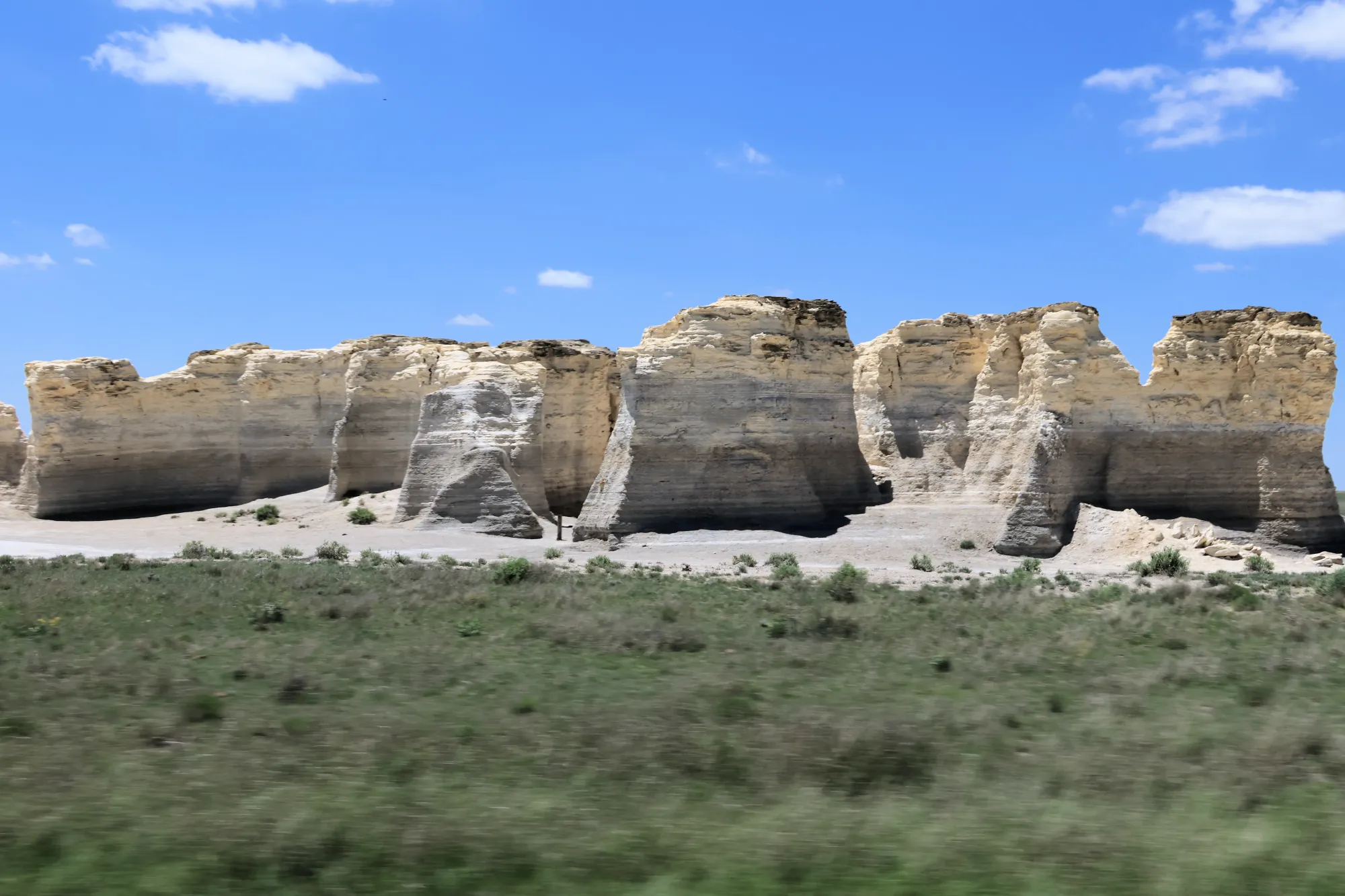
Monument Rocks, also called the Chalk Pyramids, are one of the most remarkable natural landmarks in Kansas. Located in western Kansas, these towering chalk formations rise as high as 70 feet (21 meters) above the prairie and provide a glimpse into a landscape that existed millions of years ago. Monument Rocks were formed about 80 million years ago during the Late Cretaceous Period. Monument Rocks are made primarily of the Smoky Hill Chalk Member of the Niobrara Chalk, a sedimentary rock formation.
Monument Rocks became the first National Natural Landmark in Kansas in 1968. In 2008, Monument Rocks and nearby Castle Rock were named one of the Eight Wonders of Kansas.
The chalk here built up at an incredibly slow pace—just around 0.036 millimeters each year. These formations rank among the oldest visible rock structures in Kansas. Rising dramatically from the flat plains, Monument Rocks create a stunning contrast, making them one of the most photographed natural landmarks in the state.
Tiny marine organisms, algae, and shells settled on the seafloor over millions of years. Their remains accumulated into thick layers of chalk, which later hardened into rock. Wind and water gradually eroded the softer rock, leaving behind the towering spires, arches, and buttes seen today.
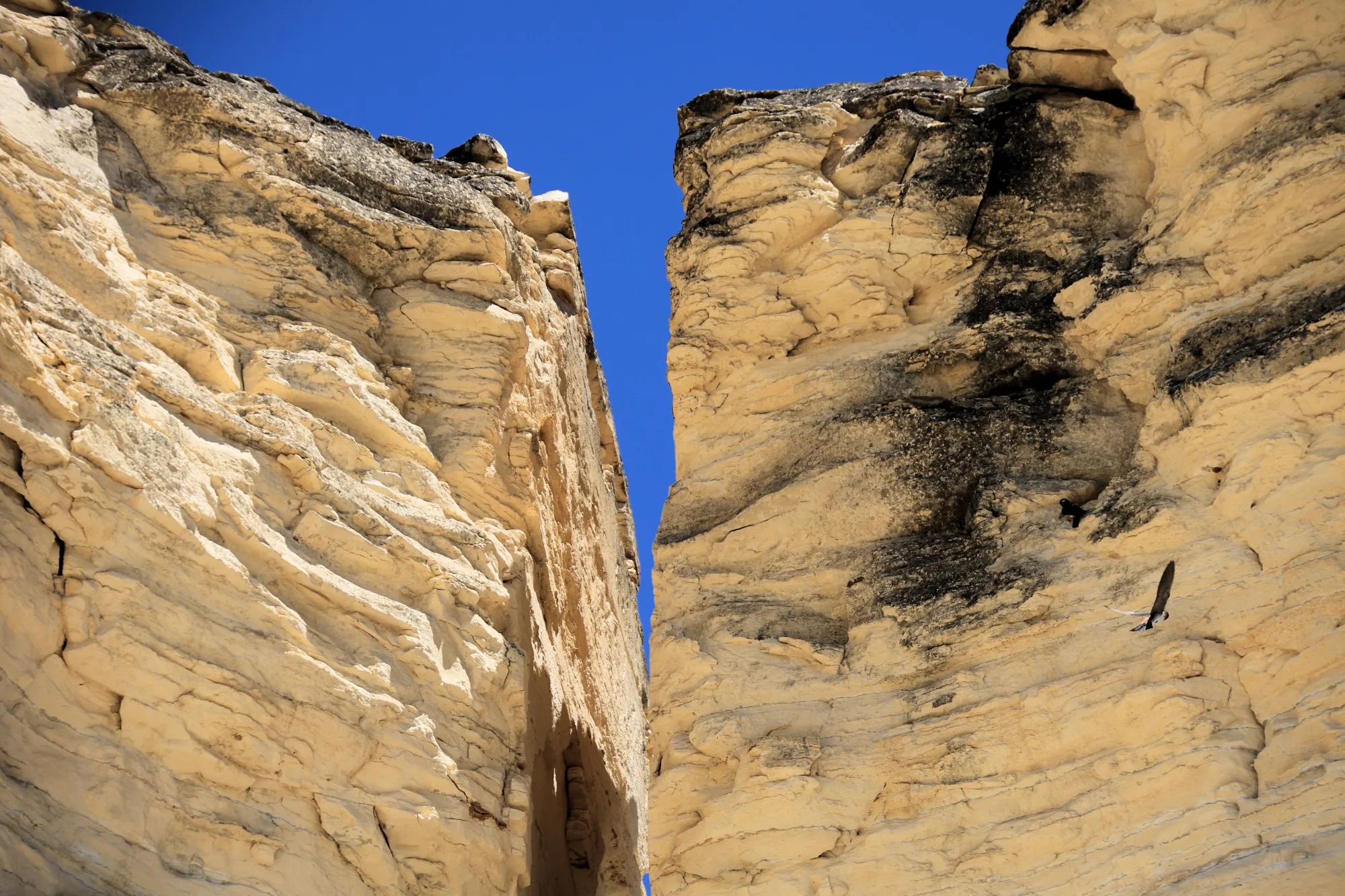
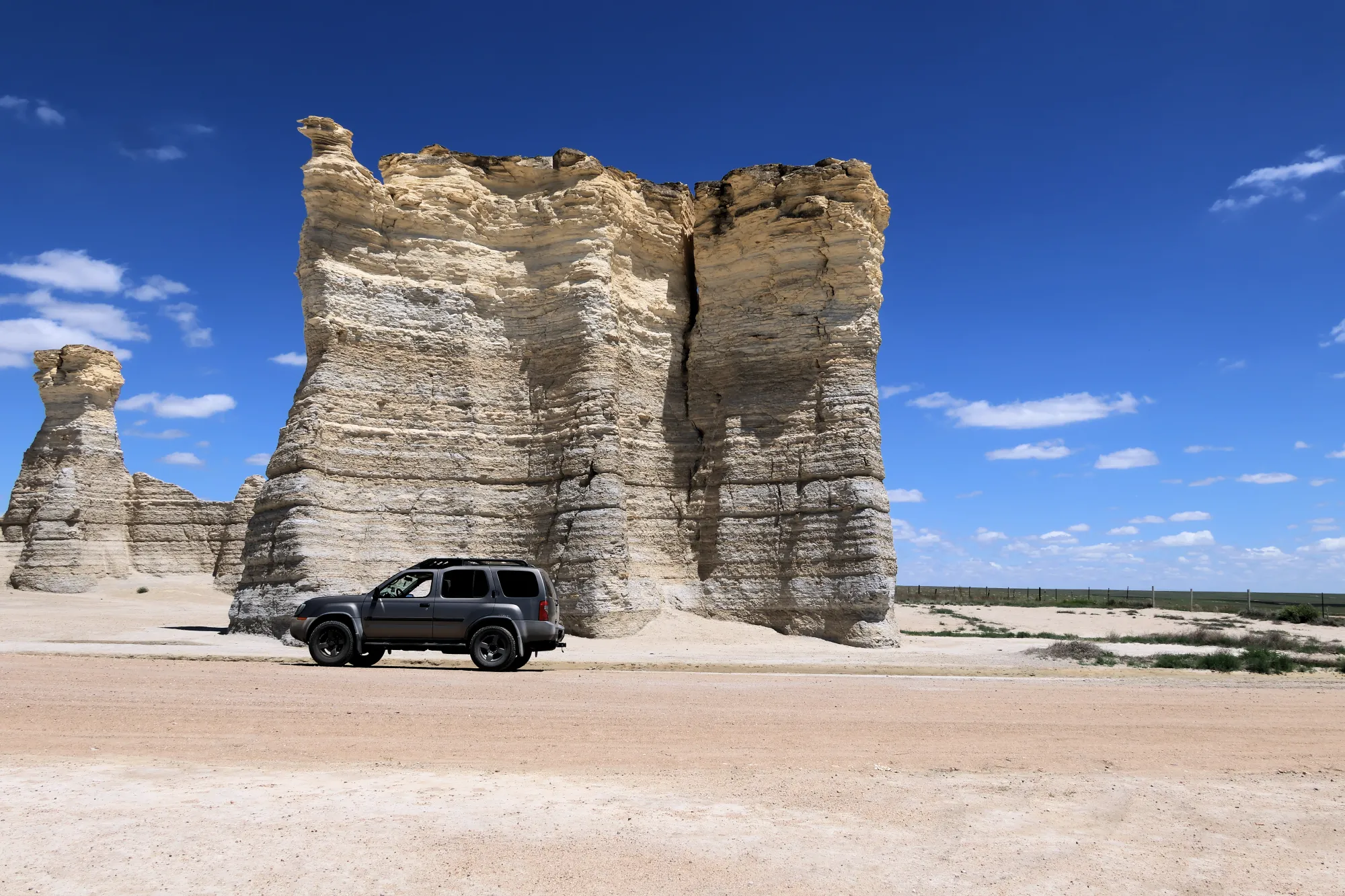
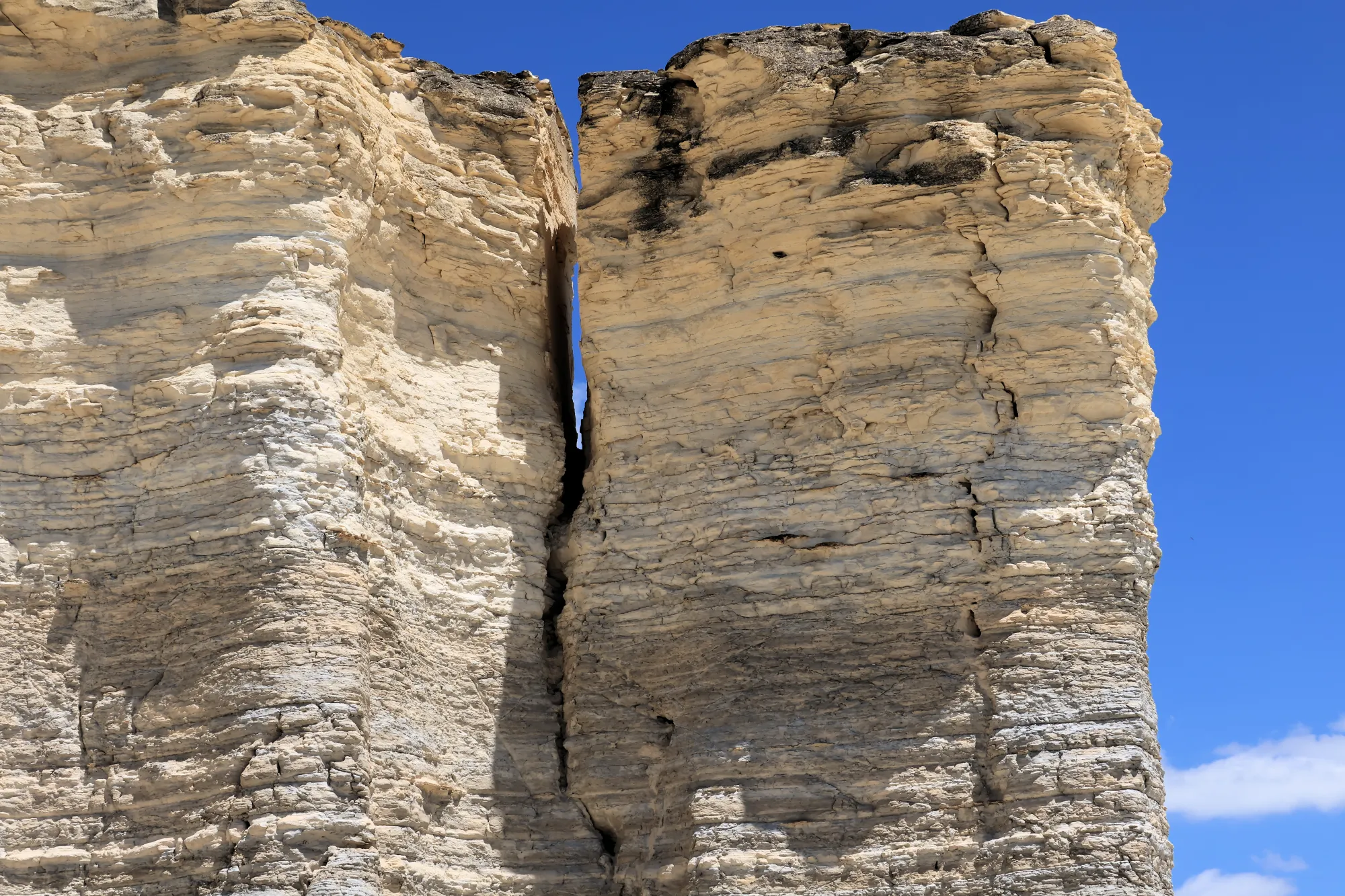
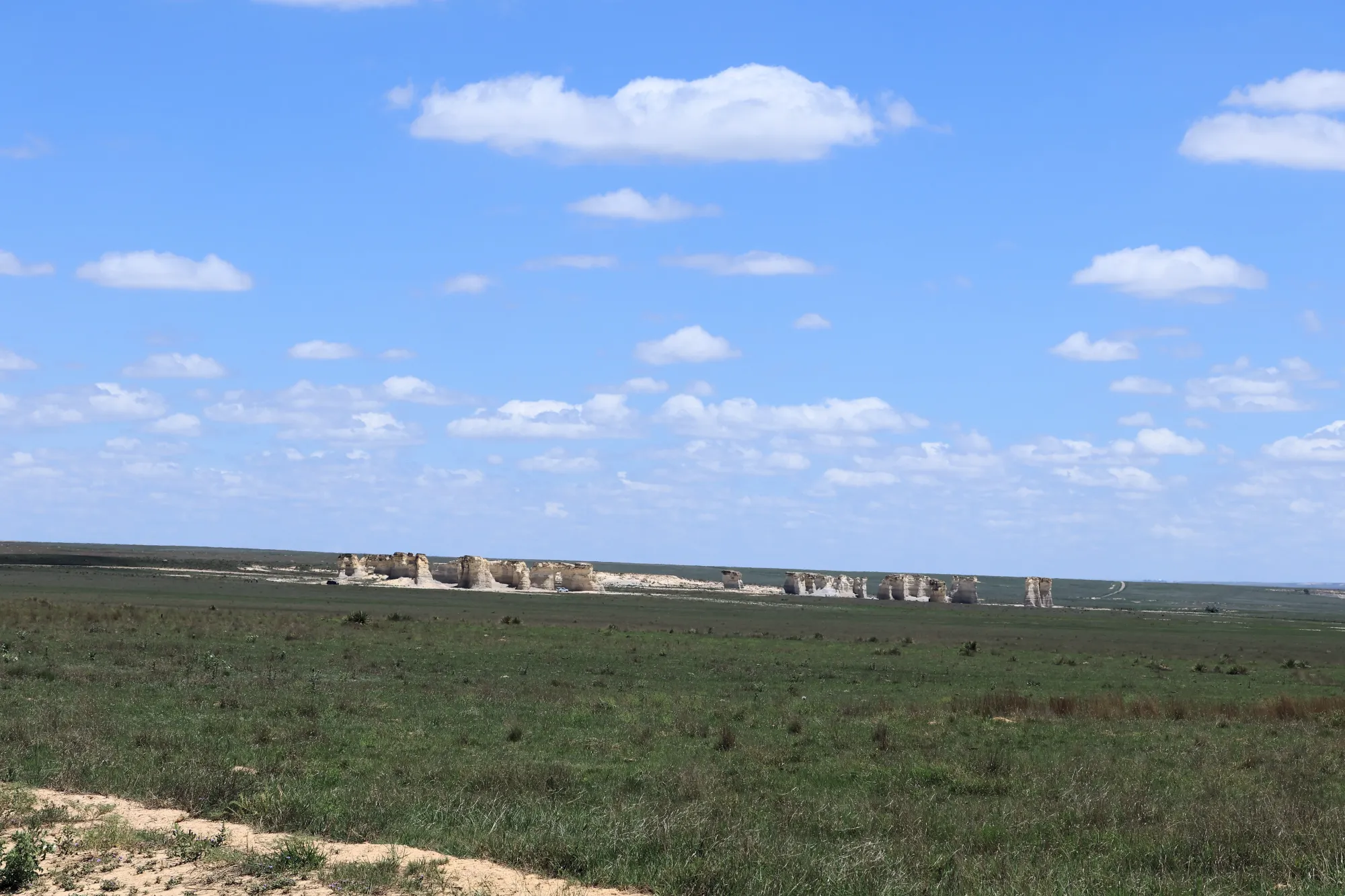
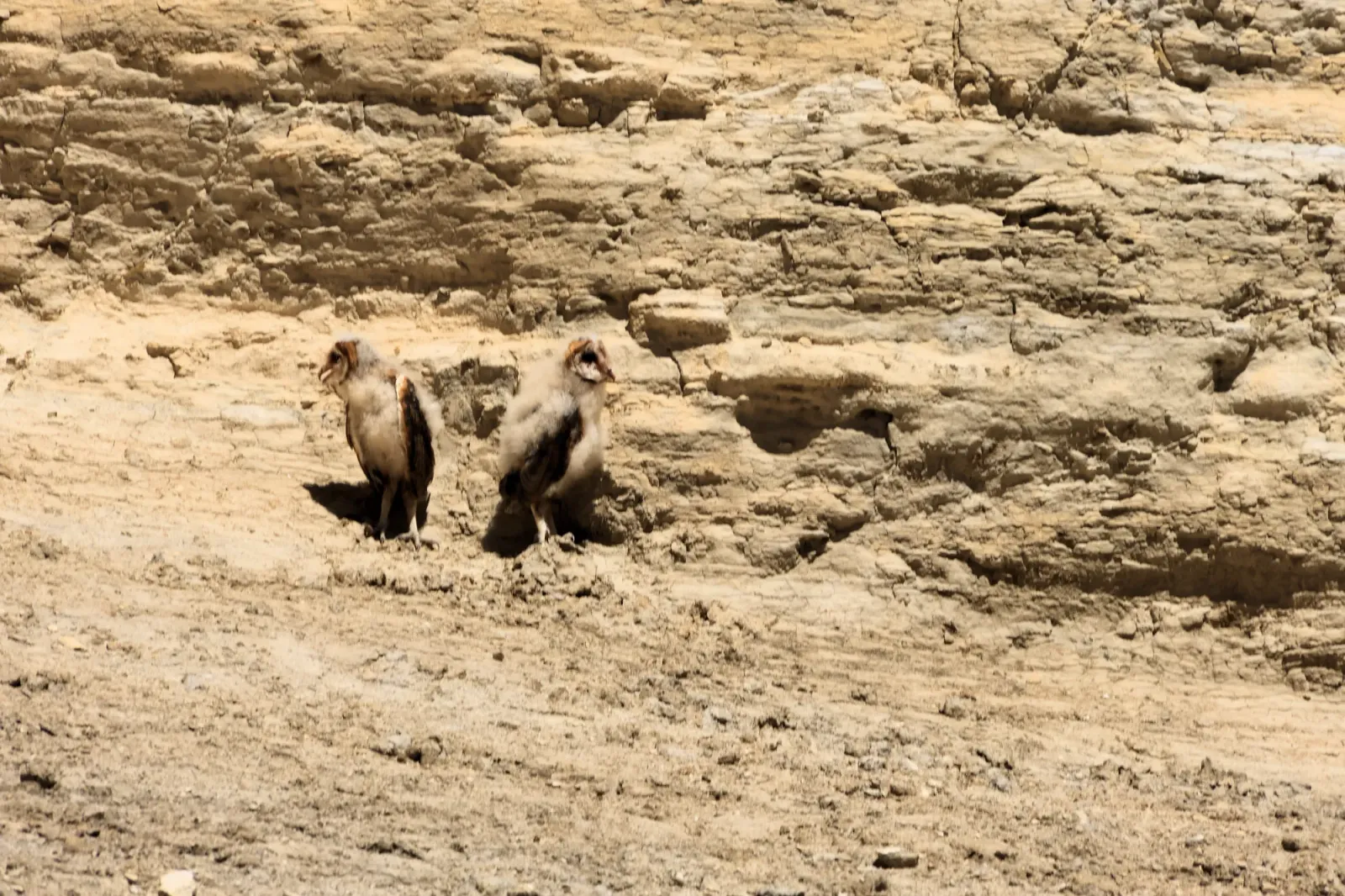
Barn swallows build nests on the rocks. Here are a few pictures. The first picture is two baby owls.
Keystone Gallery
401 US-83, Scott City, KS 67871
620-872-2762
Admission is free.
Keystone Gallery is a small museum, art gallery, and gift shop located near Monument Rocks in western Kansas. It is best known for its extensive collection of local fossils from the ancient Western Interior Seaway and for serving as a popular stop between Monument Rocks, Little Jerusalem Badlands State Park, and Lake Scott State Park.
The gallery occupies a restored 1916 limestone building that originally served as a church before being converted into the museum in 1991. Its hilltop setting overlooks the Smoky Hill River Valley, and a herd of approximately 300 bison is often visible nearby, adding to the distinctive rural experience.
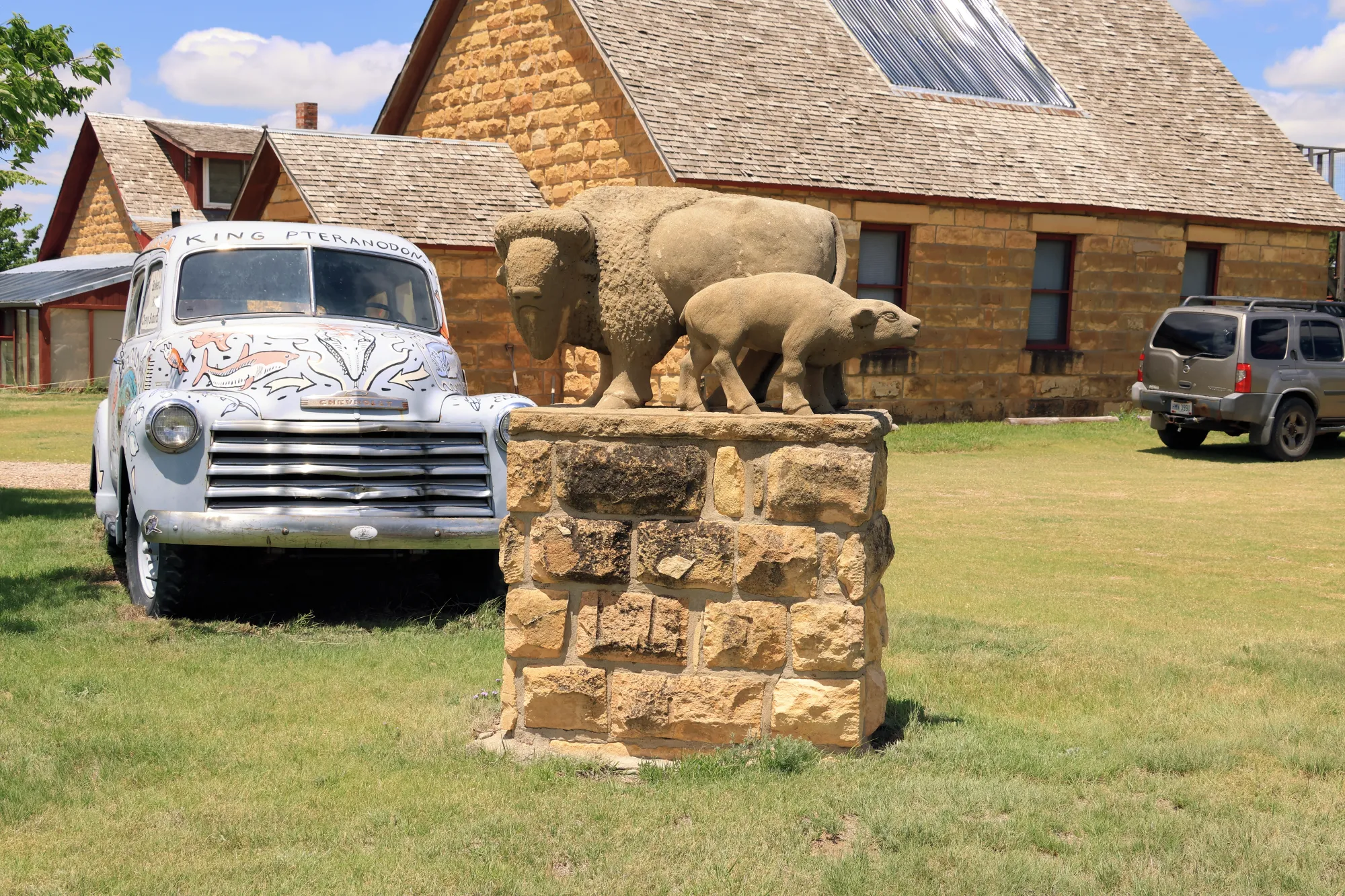
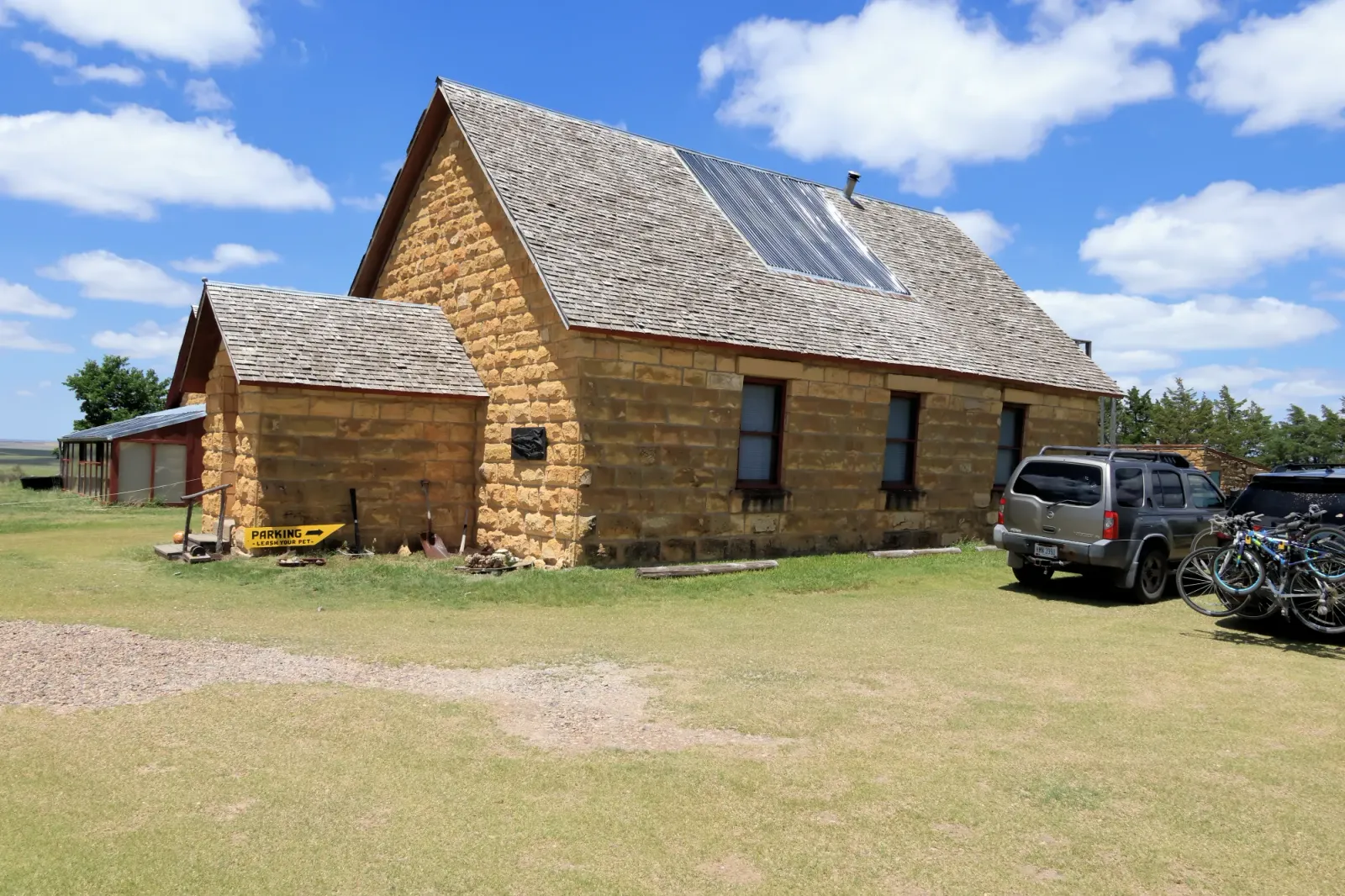
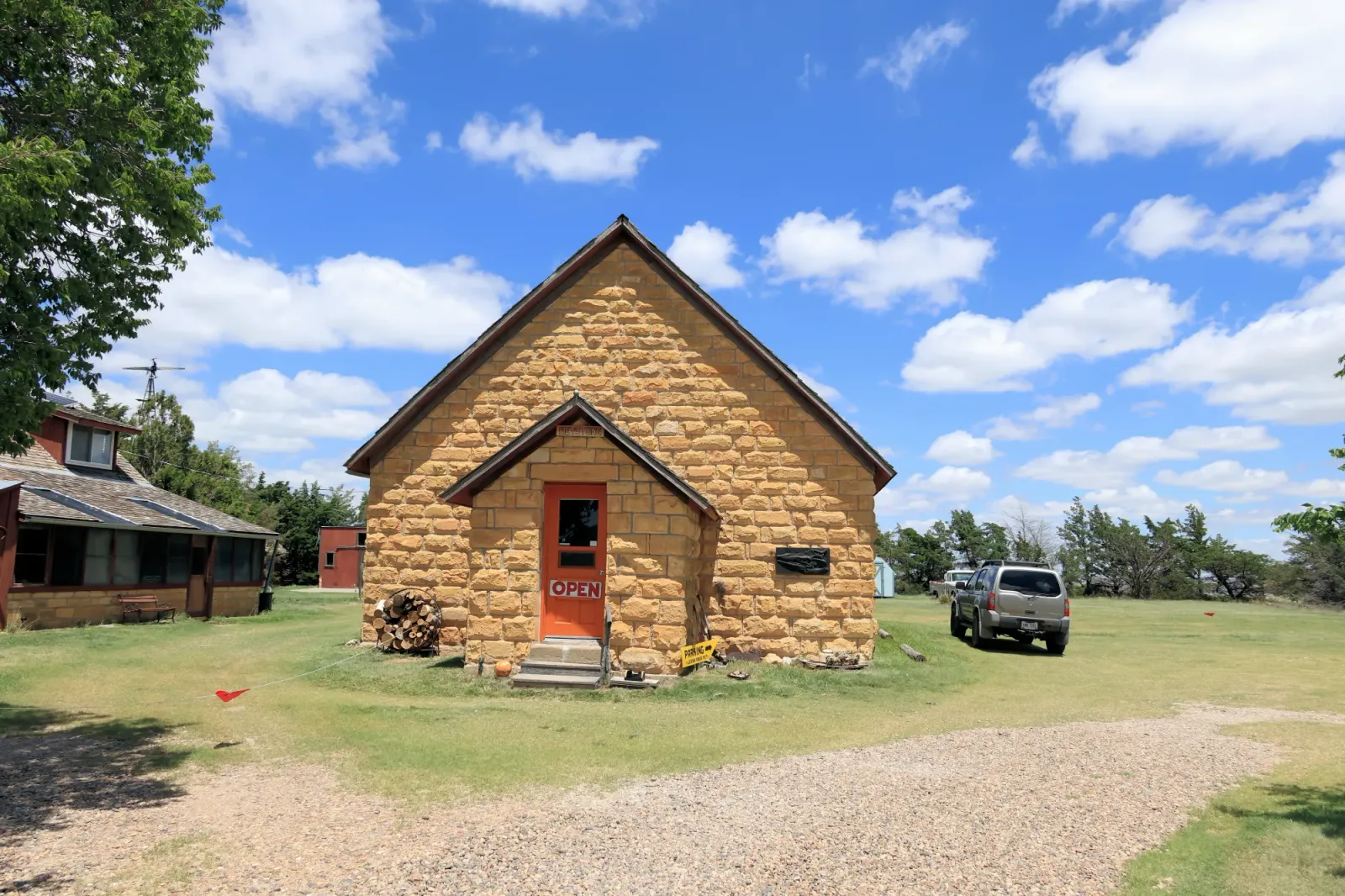
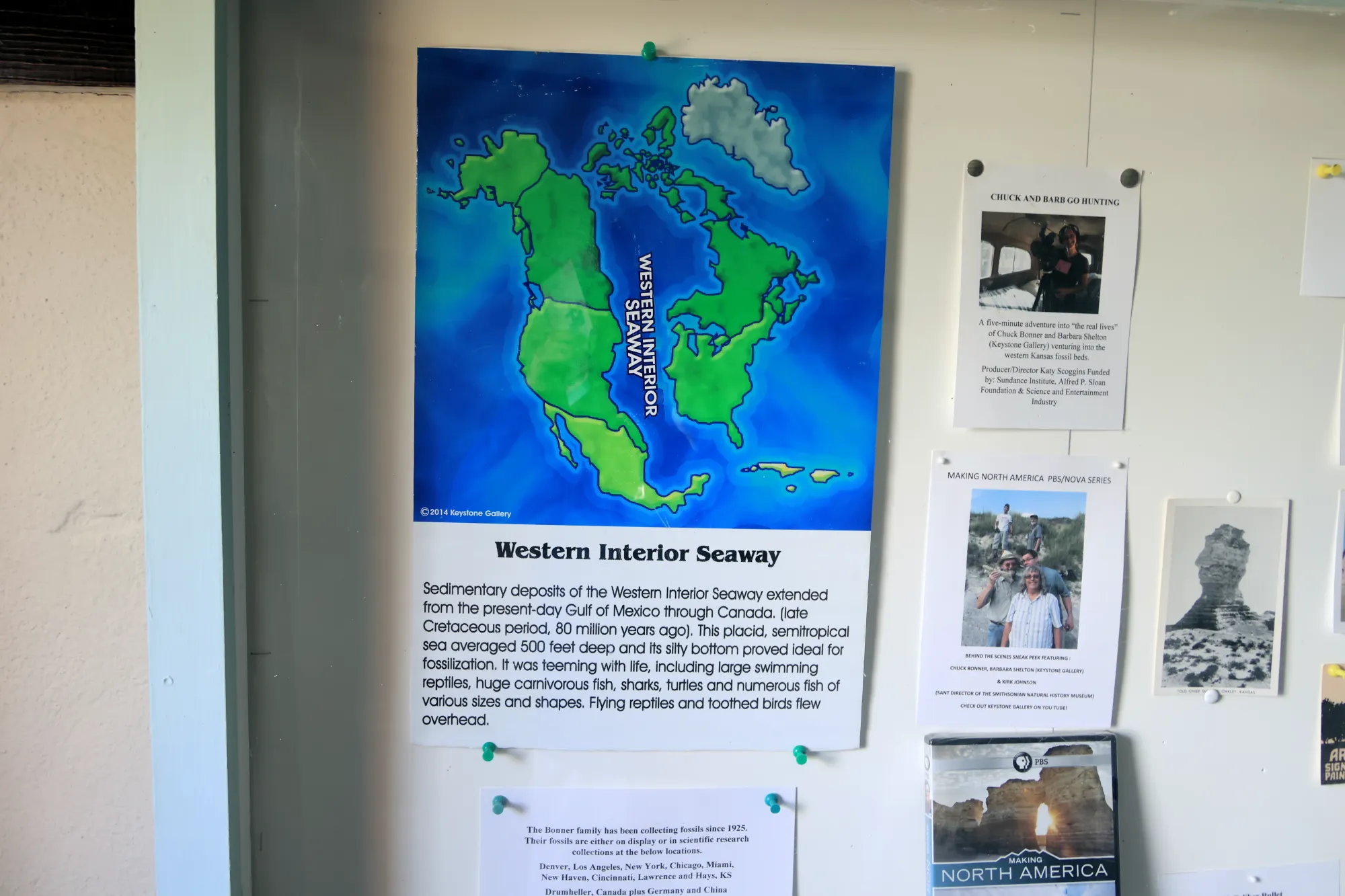
The museum features scientifically significant fossils collected from western Kansas, including a 20-foot mosasaur and a 14-foot Xiphactinus, along with fossil fish, turtles, and birds. Visitors also see a large mural of the ancient Niobrara Seaway painted by owner Chuck Bonner, plus Bonner's artwork and scenic photography by Barbara Shelton displayed throughout the gallery.
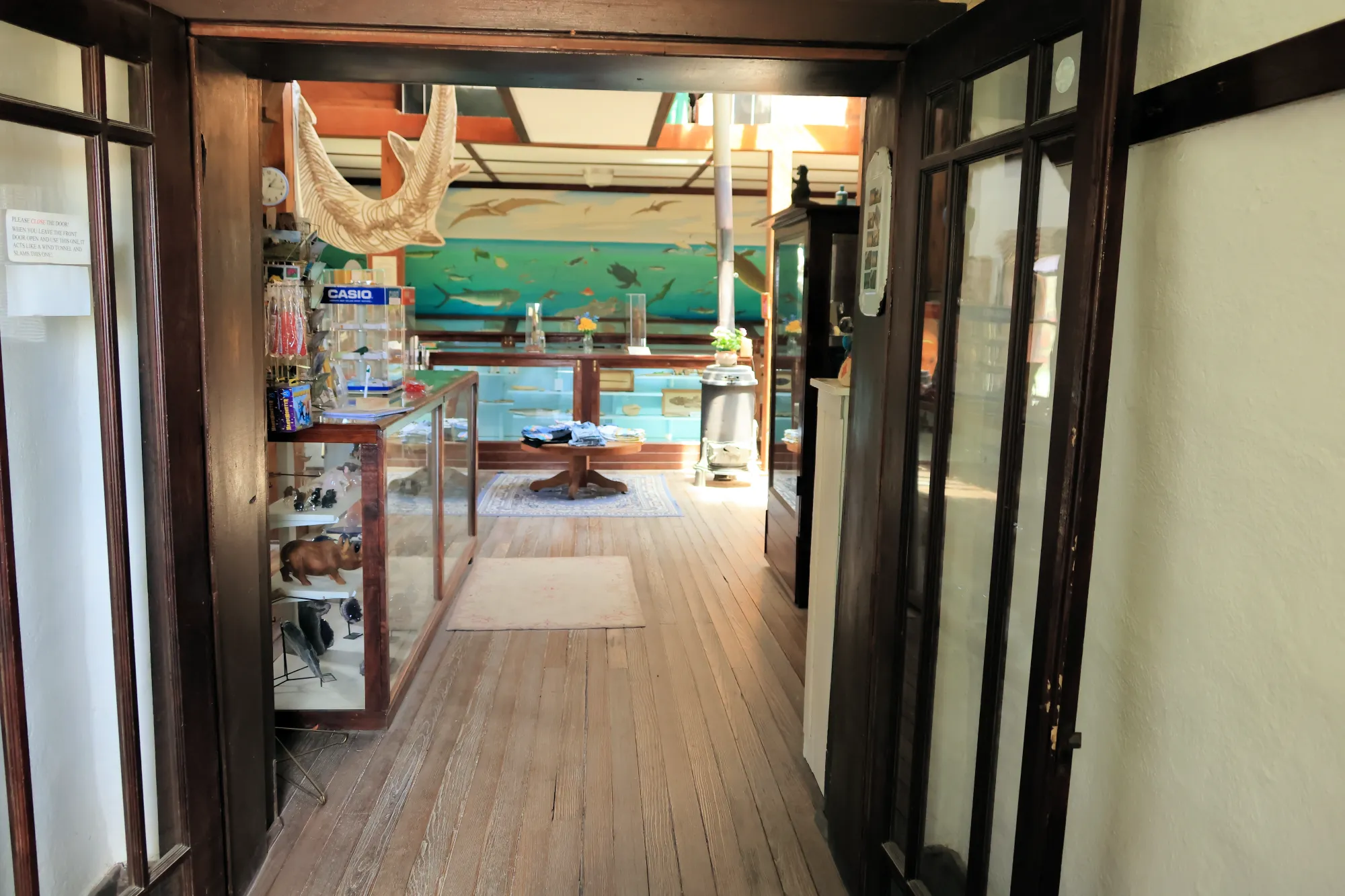
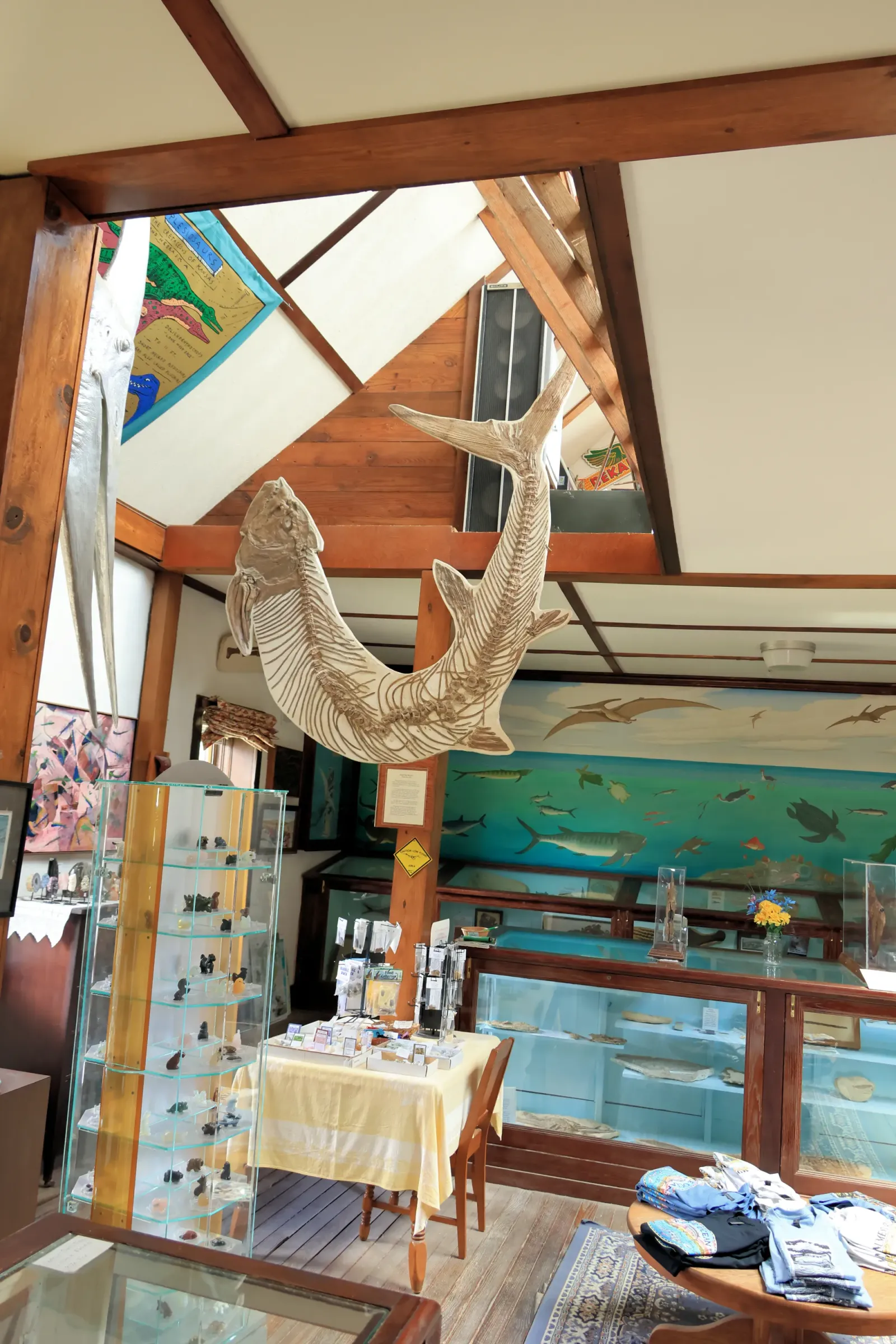
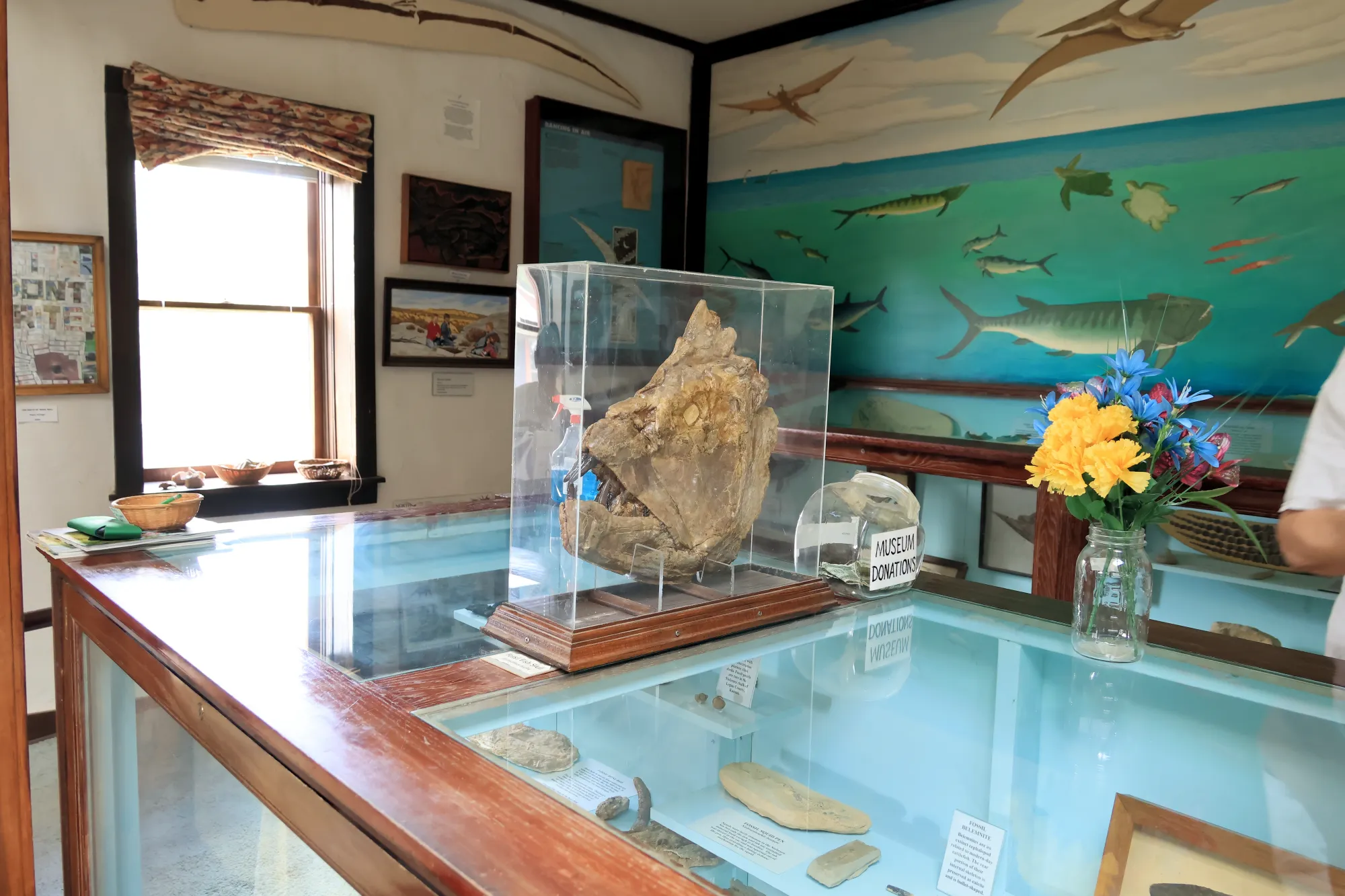
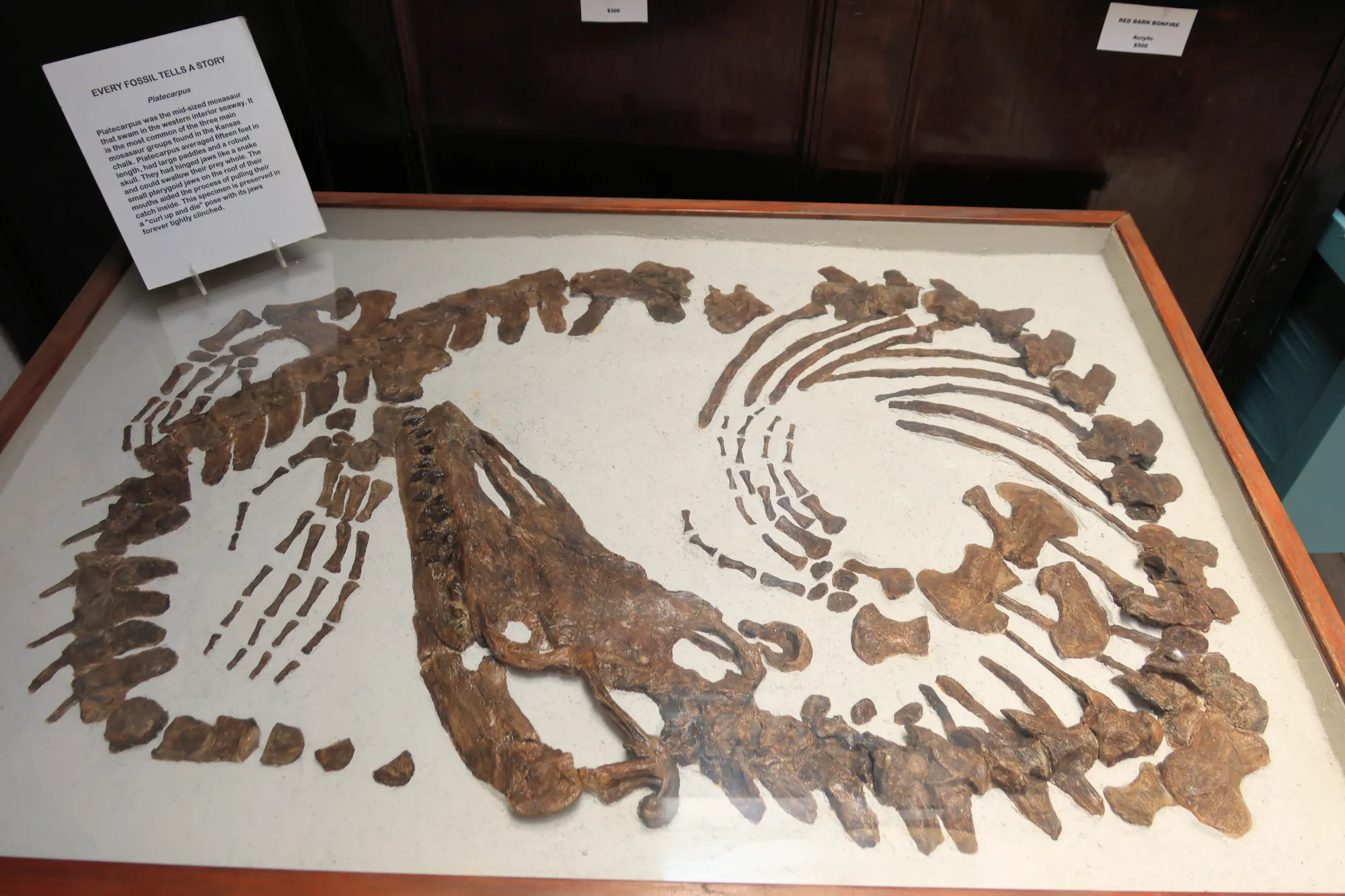
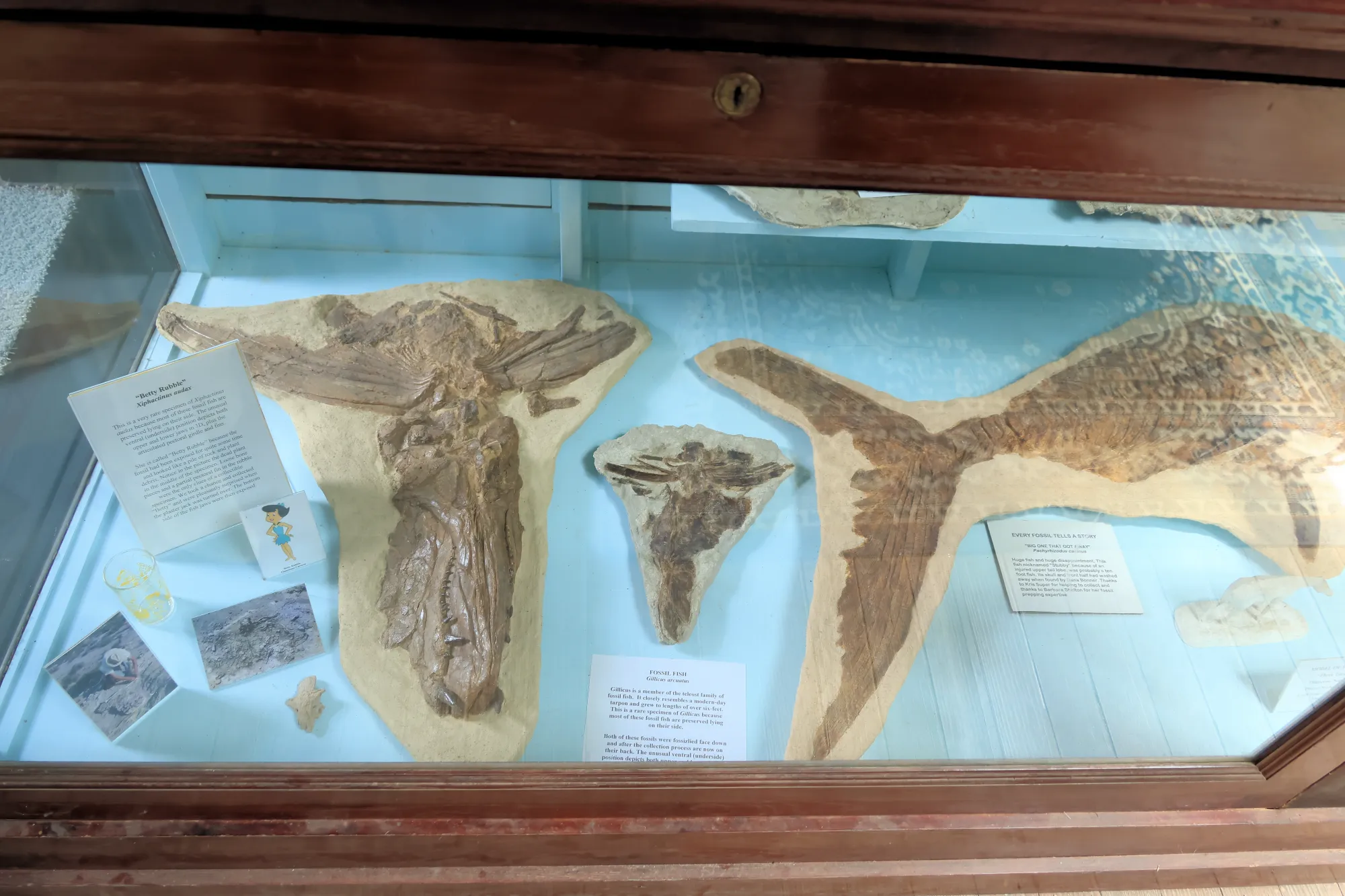
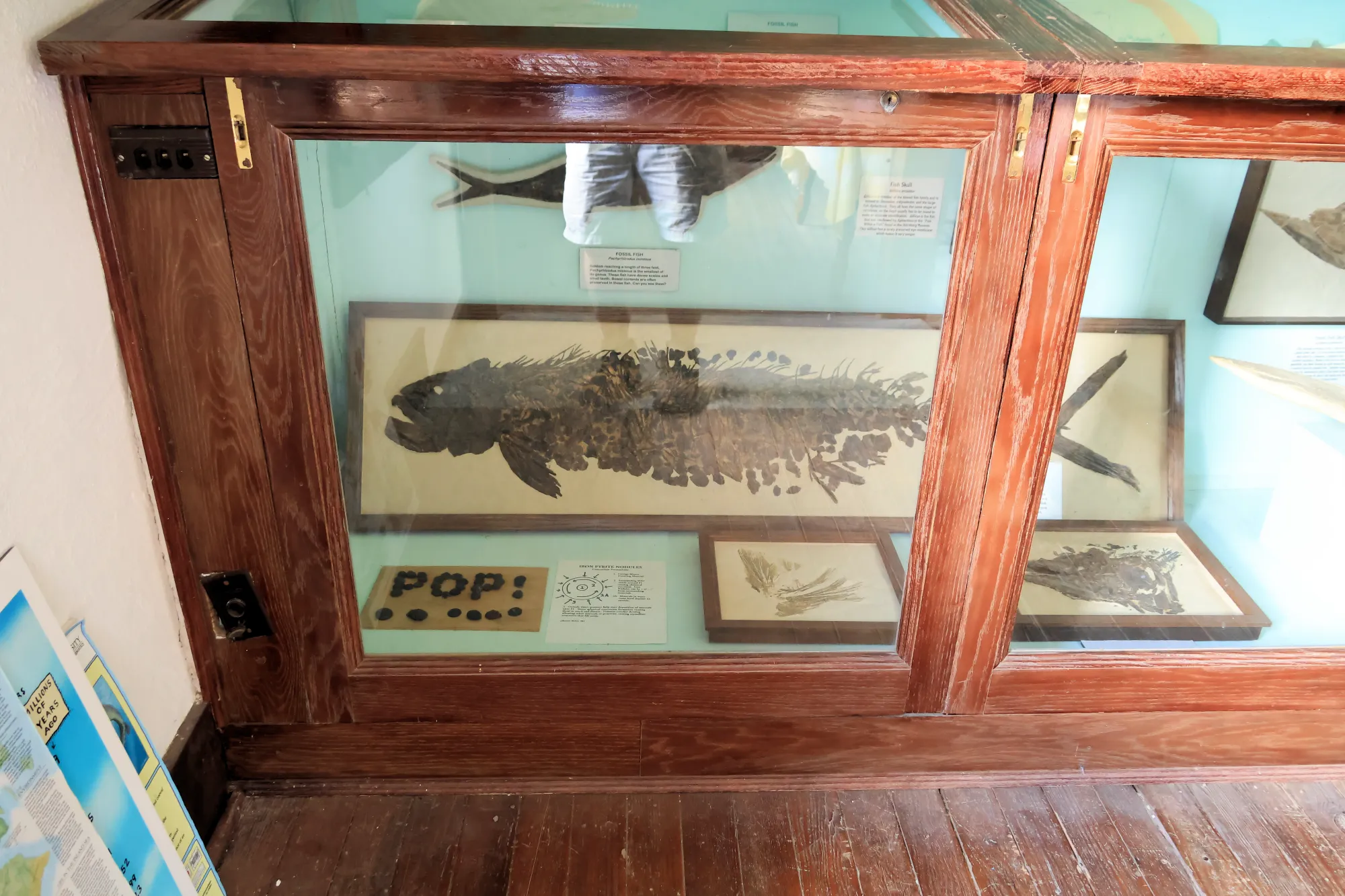
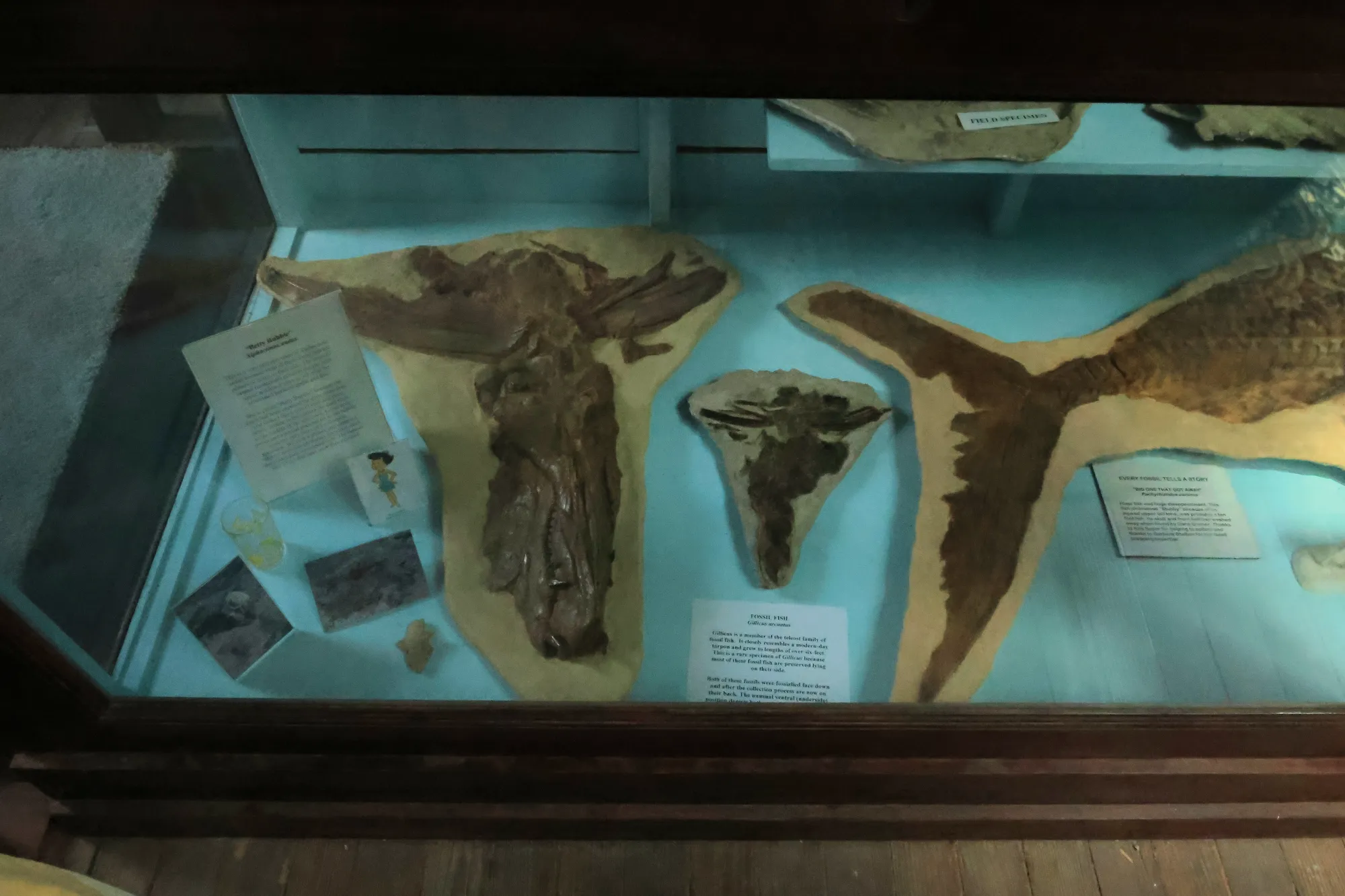
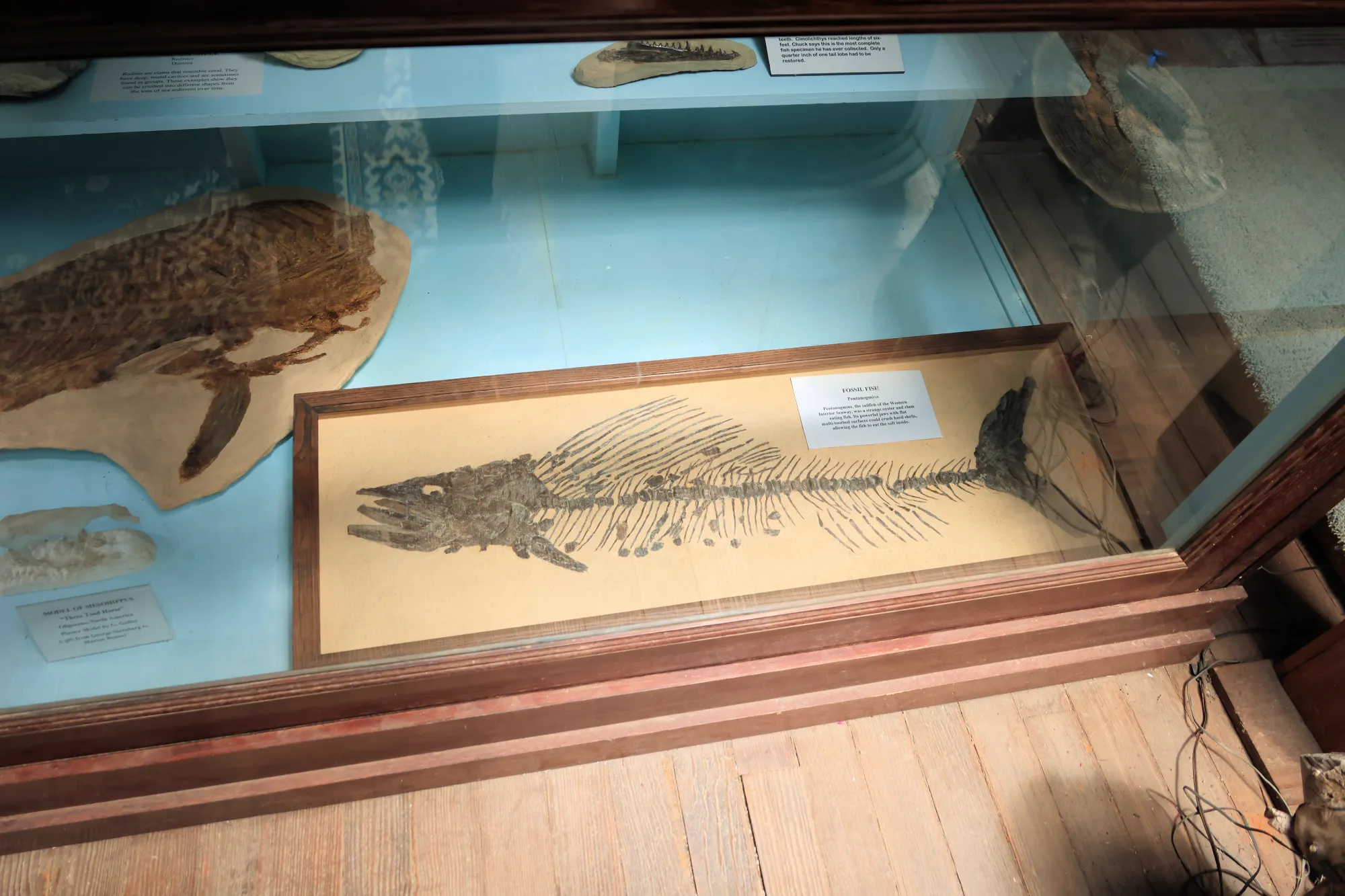
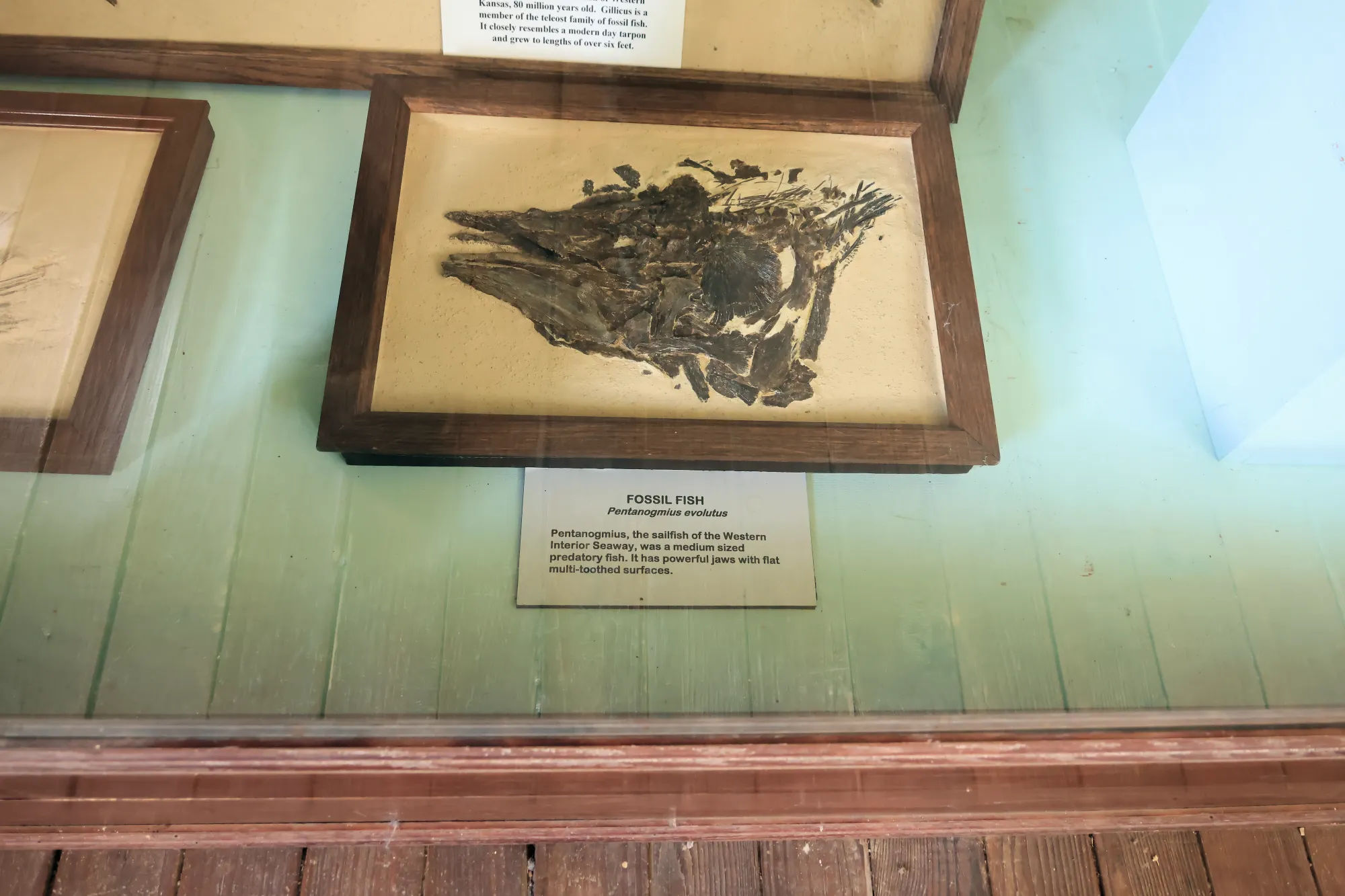
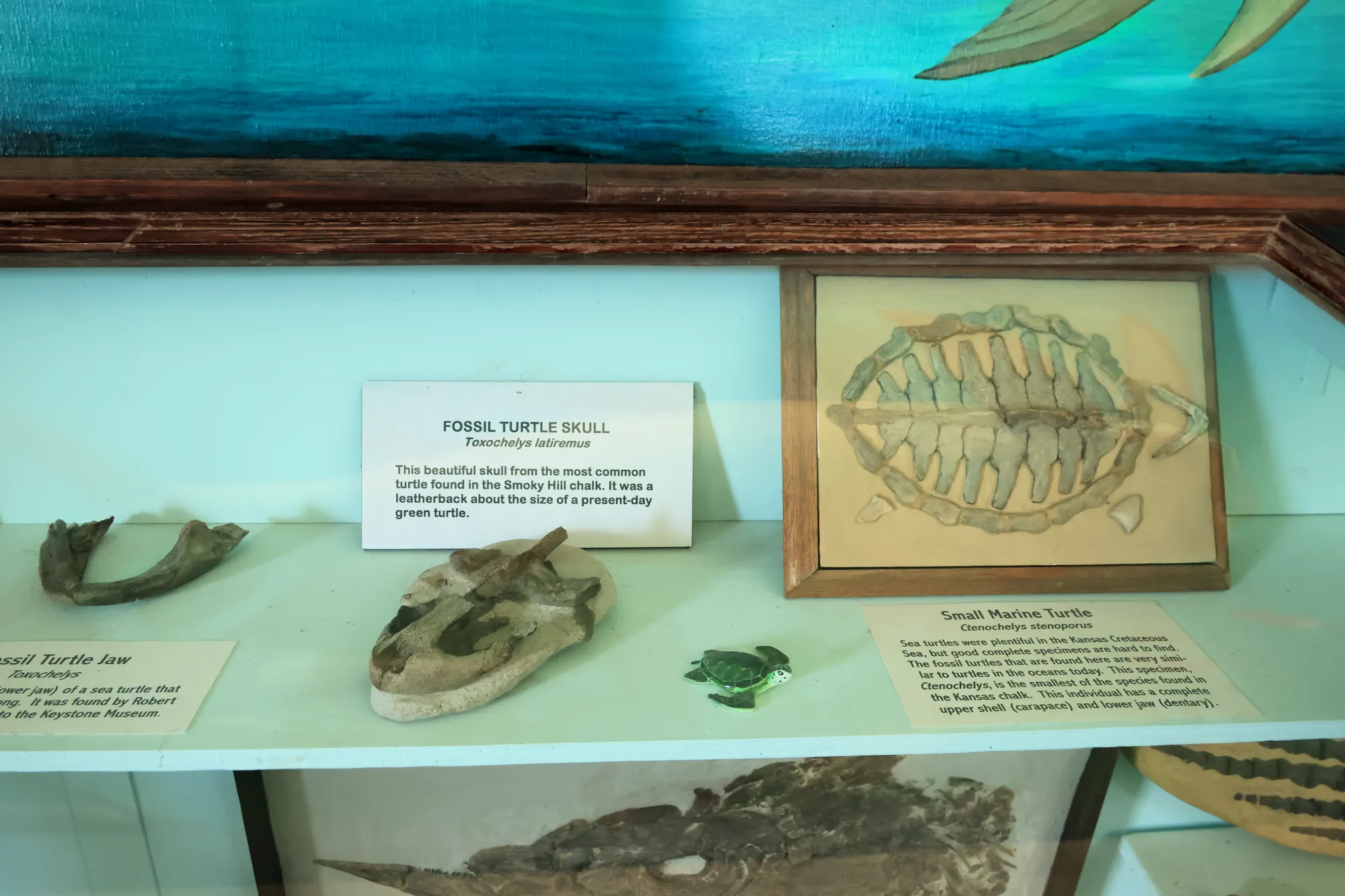
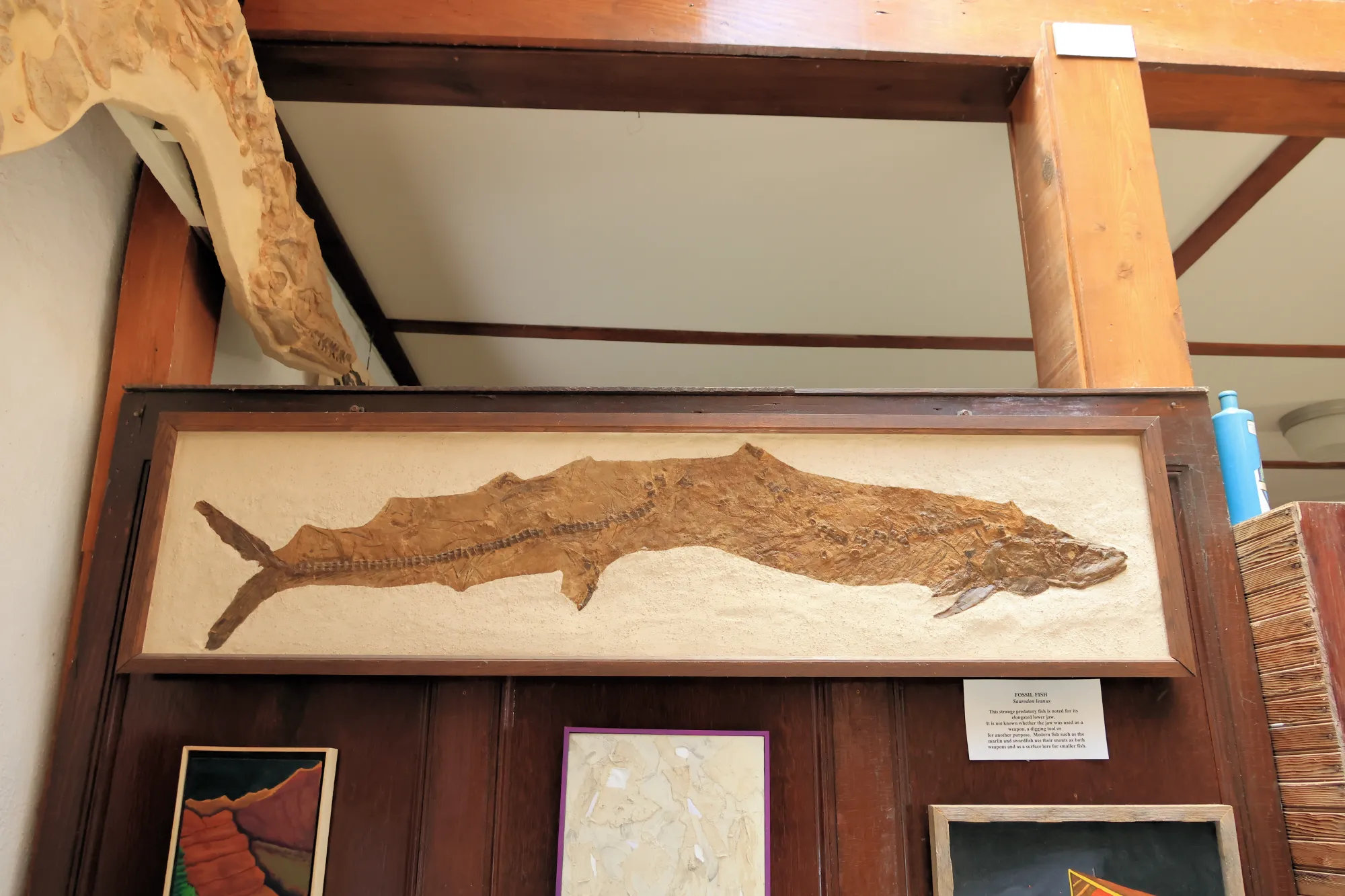
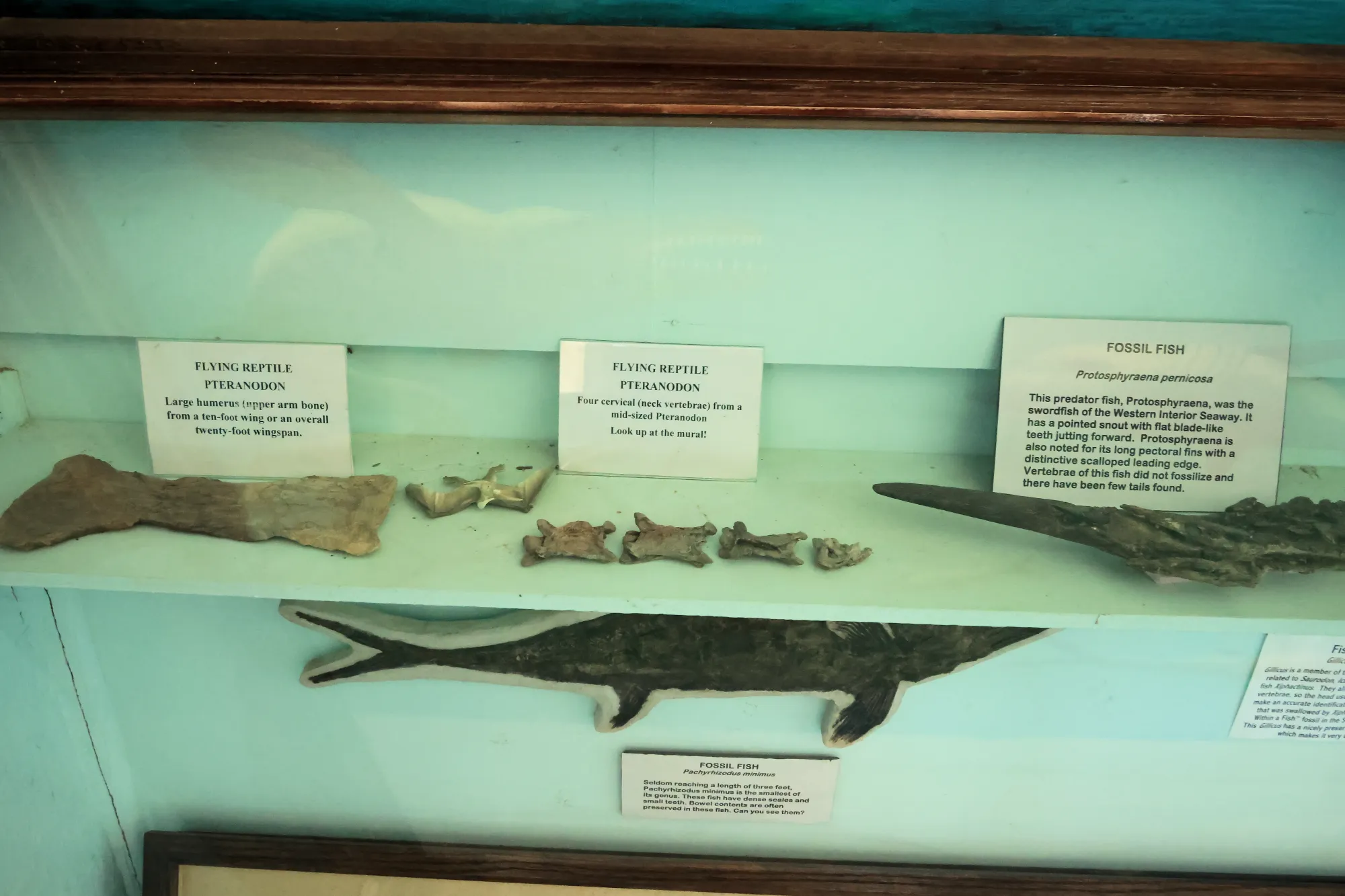
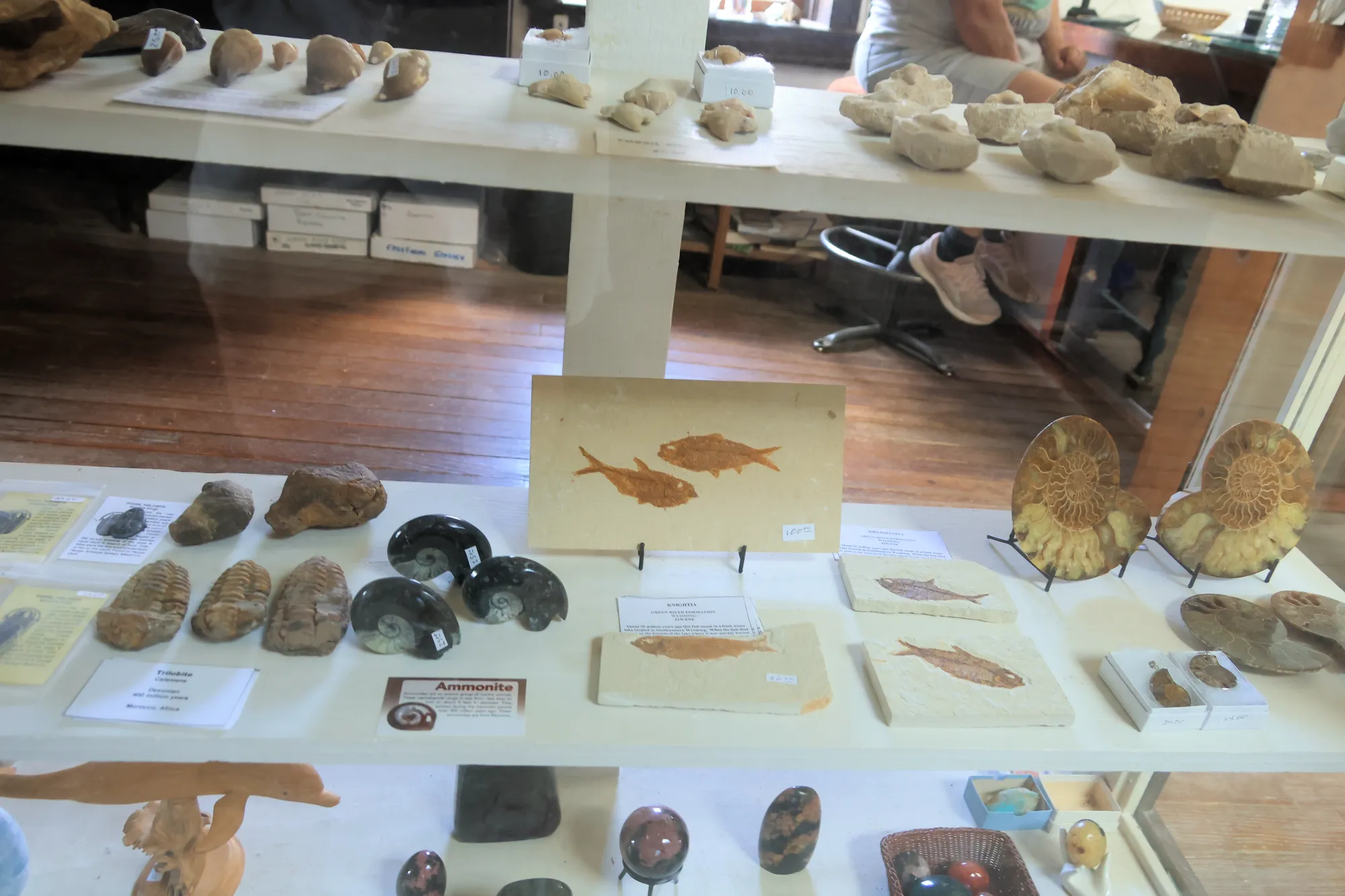
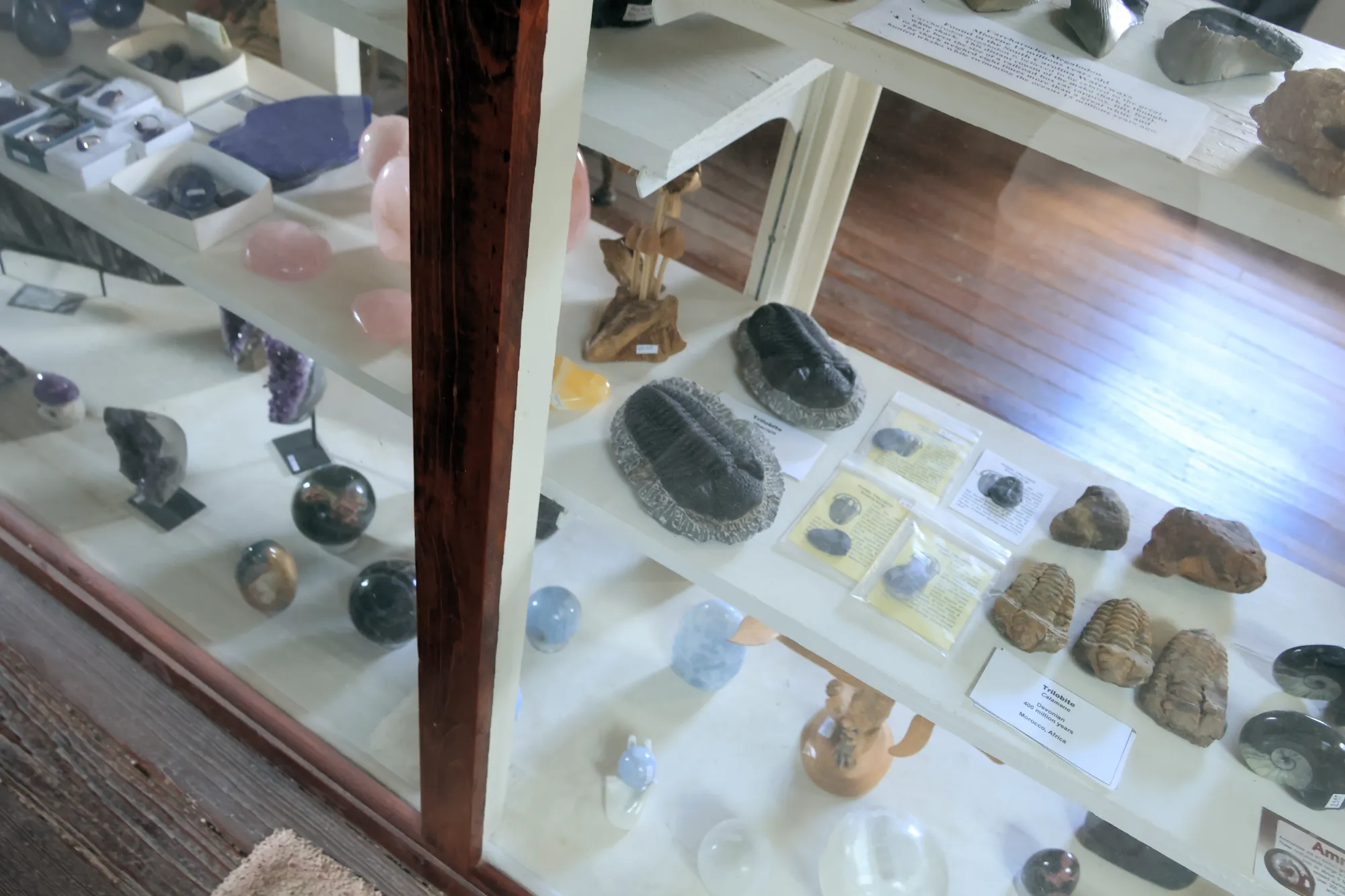
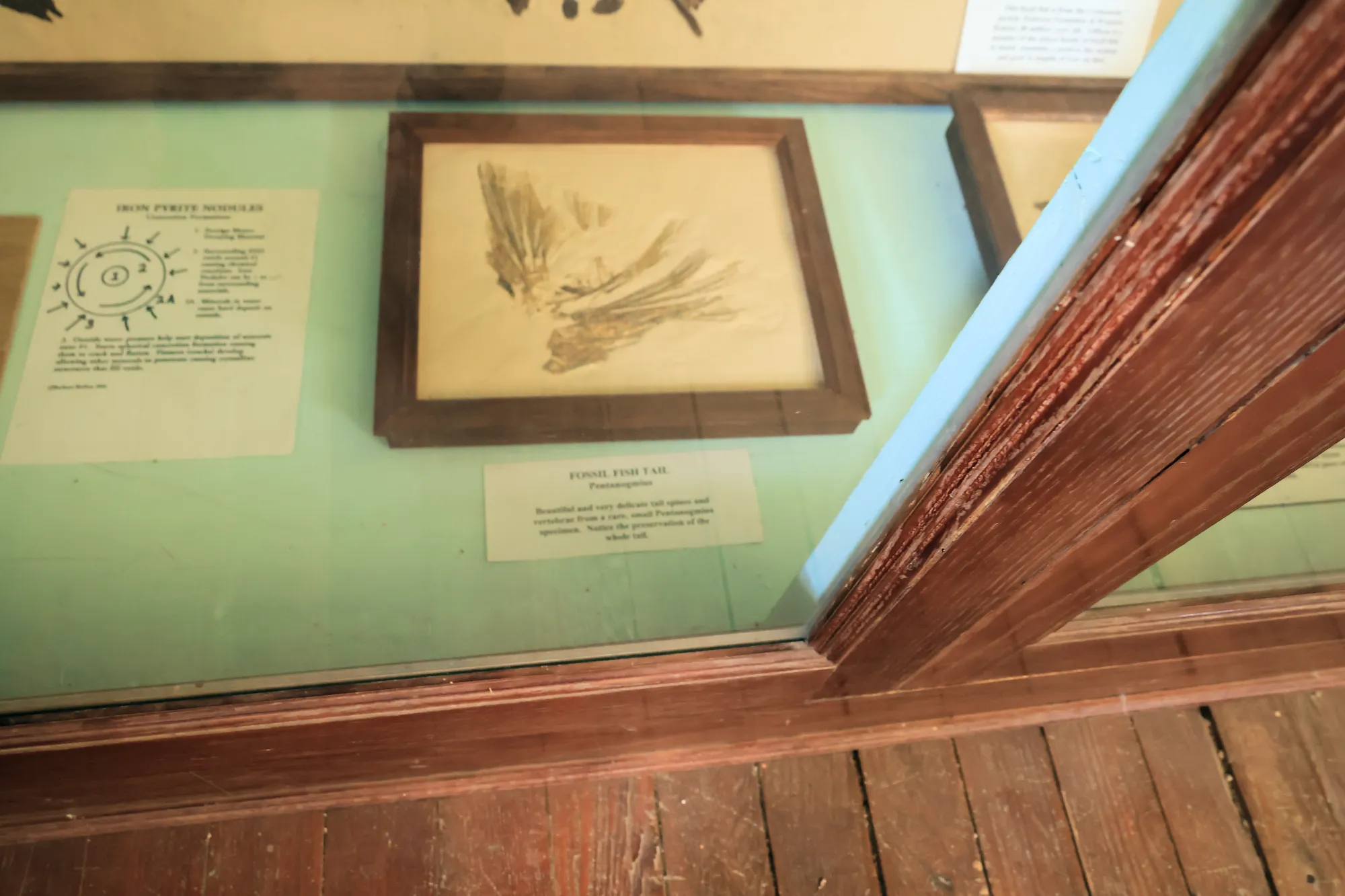
This area is famous worldwide for its incredible fossils, which include giant marine reptiles like mosasaurs and plesiosaurs, flying reptiles known as pterosaurs, massive ancient fish over 20 feet (6 meters) long, toothed seabirds, large clams, and many smaller marine creatures. These discoveries have given scientists valuable insights into marine life during the Cretaceous Period.
The gallery is roughly 15 minutes from Monument Rocks, Little Jerusalem Badlands State Park, and Lake Scott State Park, making it a convenient stop on a regional sightseeing trip.
We didn't have time to stop at the Fick Fossil & History Museum. Below is a little information on the Fick Fossil & History Museum.
Fick Fossil & History Museum
(785) 671-4839
Open year-round with free admission, this top fossil museum in western Kansas showcases marine fossils from the ancient inland sea that once covered the state, including shark teeth, mosasaur fossils, and a massive 15-foot Xiphactinus fish. Visitors can also explore local history exhibits, a restored sod house, railroad artifacts, and unique fossil folk art.
Buffalo Bill Cultural Center
(785) 671-1000
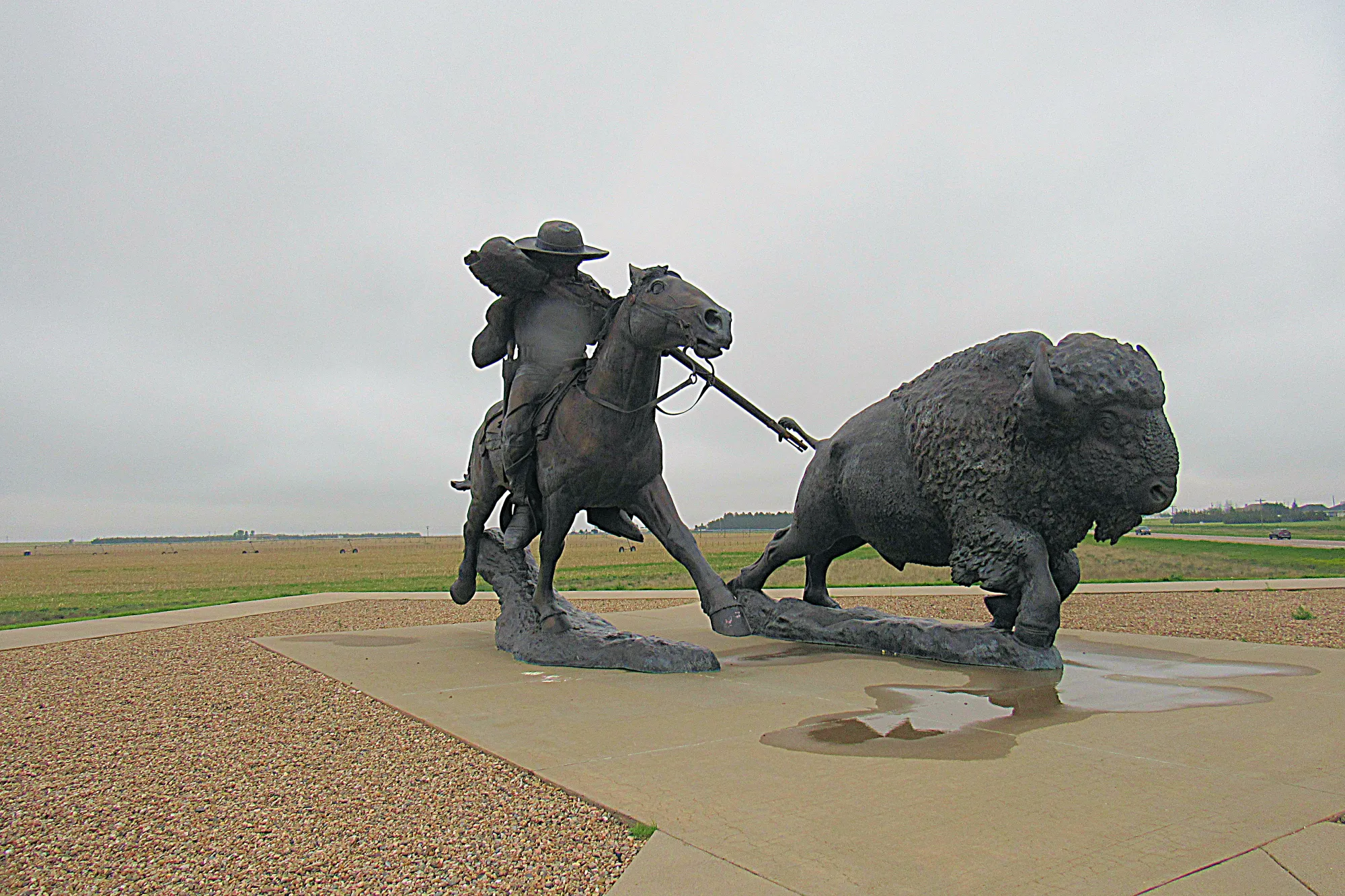
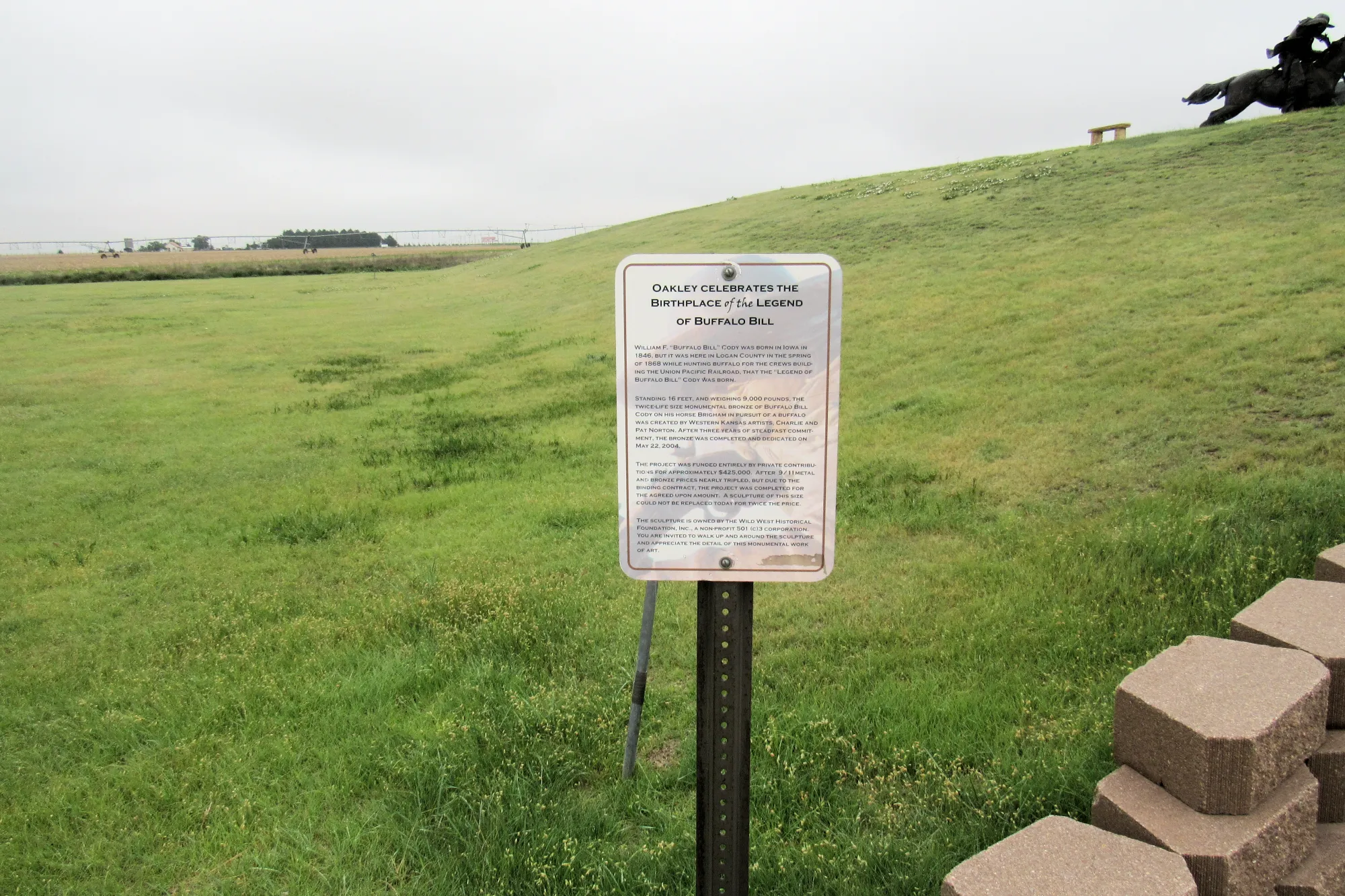
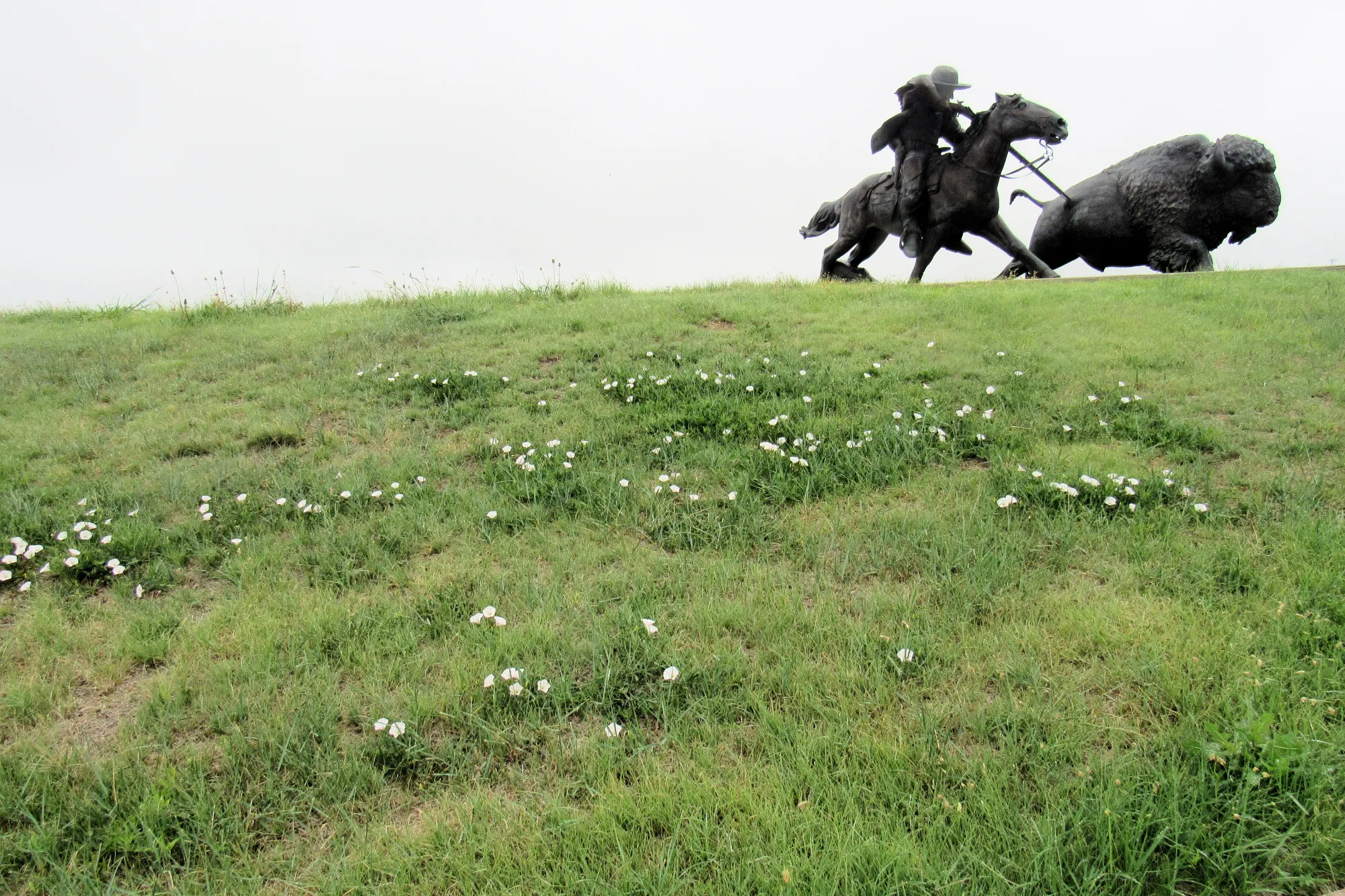
This visitor center celebrates the legend of Buffalo Bill Cody and boasts one of the world’s largest bronze statues of him. It offers exhibits on the Wild West, local history, Native American culture, fossils, and western heritage. Guests can also enjoy a gift shop, travel information, a picnic area, and free Wi-Fi.
Conclusion
We were really surprised by the things to do and see in Oakley, Kansas. We never expected Kansas to be so diverse. To think, I just traced out a route to get to Mesa Verde National Park in Colorado, and it happened to go through Oakley.