
Caesar Creek State Park: Trail Guide & Fossil Hunt 2026
Trail FactsCaesar Creek State Park5.2 miDistanceModerateDifficulty350 ftElevation2.5 hrsDurationLoopTypeYear RoundDog-friendlyScenic viewWildlife
Caesar Creek State Park is located in southwestern Ohio. It was established in the 1970s. ODNR lists the park at 7,086 acres, plus the ~2,830-acre Caesar Creek Lake reservoir (as of September 2026). The park is named for the nearby Caesar Creek. The creek was named for the Native American chief Caesar.

Caesar was a runaway slave who joined the Shawnee tribe in Ohio in the late 1700s. Caesar Creek in Waynesville is named after him, but his story is not well known. Kane Stratton of Yellow Springs is hoping to change that.
His short film, “Caesar: An American Maroon,” depicts a fictionalized key moment in Caesar’s life.
Chief Caesar was a prominent Native American leader of the Shawnee tribe during the late 18th century. He played a significant role during a time of considerable upheaval as settlers encroached on indigenous lands in what is now the United States.
Chief Caesar's leadership occurred during a period when many Native American tribes were resisting European-American expansion. The Shawnee were particularly active in this resistance, forming alliances and participating in various conflicts, including the Northwest Indian War.
He was known for his efforts to negotiate and maintain peace with settlers, even as tensions grew. He sought to protect Shawnee lands and way of life amidst increasing pressure from European settlers.
The name "Caesar Creek" and the surrounding area reflect his influence and significance in the region. His legacy is part of the broader history of Native American resistance and adaptation during a transformative period in American history.
Chief Caesar's contributions and the challenges faced by his people are important aspects of the history of the region, underscoring the complexities of Native American-European settler relations.
Information
Visitor info (as of September 2026, ODNR):
- Address: 8570 E. State Route 73, Waynesville, OH 45068
- Park hours: 6 a.m.–11 p.m. daily (as of October 2026, the ODNR state park rule)
- Park office: (513) 897-3055; noon–4 p.m. Monday, Wednesday and Friday, 9 a.m.–4 p.m. Tuesday and Thursday (as of October 2026, ODNR)
- Official: Confirm facilities on the ODNR Caesar Creek State Park page
Park Hours: 6am to 11pm daily. If you have questions, call the park office.
Park Office: (513) 897-3055; noon to 4pm Monday, Wednesday and Friday; 9am to 4pm Tuesday and Thursday
Facility hours below are from the ODNR page as of October 2026, and ODNR says they can change.
Camp Store: (937) 488-4595; 9am to 9pm every day (seasonal; subject to change)
Marina: 10am to 7pm Monday-Wednesday; 7am to 8:30pm Thursday-Sunday (Apr 1 to Oct 15; subject to change)
Nature Center: (513) 897-2437. ODNR's page gives two schedules: Thursday noon to 4pm and Friday-Saturday 10am to 4pm in its nature center section, and Wednesday-Friday noon to 4pm and Saturday-Sunday 10am to 6pm in its contact section, so call before you go. Schools and groups are welcome to arrange visits outside of public hours.

Fossil collection is allowed at Caesar Creek State Park with the following restrictions: No tools allowed, no fossil collecting for commercial use, all fossils kept must fit in the palm of your hand, and all fossil collection must take place in the designated fossil collection zone.
Pioneer Village
The park has a large lake. There are recreational activities like fishing, boating, and swimming. The park also features several picnic areas, trails, and campgrounds, providing many opportunities for recreation.
The surrounding area includes rolling hills, woodlands, and meadows. It a popular place for hiking, camping, and wildlife observation.
In addition to its natural beauty, the park is known for historical attractions like Pioneer Village, which showcases early settler life.
Pioneer Village is a reconstructed historic village that showcases life in the early 1800s. It features several log cabins, a one-room schoolhouse, and other structures. Established in the 1970s, the village features a collection of authentic historic buildings that were relocated from various sites in southwestern Ohio to create a living history museum.
Pioneer Village hosts various events, demonstrations, and educational programs throughout the year, allowing visitors to experience historical crafts, farming techniques, and traditional celebrations. This hands-on approach helps preserve local history and fosters an appreciation for the pioneering spirit of early American settlers.
Pioneer Village at Caesar Creek State Park was created by relocating several historic buildings from different locations in southwestern Ohio. The structures were moved to the park to form a representation of early 19th-century rural life. Each building was carefully restored and furnished to reflect the era.
The village includes structures like a log cabin, a schoolhouse, a church, and a general store, all intended to represent the pioneer lifestyle.


Hiking Trails in Caesar Creek State Park

- Caesar Creek Trail
- Length: Approximately 9.5 miles
- Difficulty: Moderate
- Description: This trail circles Caesar Creek Lake and features scenic views of the water, forests, and meadows. It includes some gentle elevation changes and is well-marked, making it suitable for intermediate hikers.
- Pioneer Village Trail
- Length: About 1 mile
- Description: This short, easy trail takes you through the Pioneer Village area, allowing visitors to explore the historical sites while enjoying a short walk among the buildings.
- Bridle Trail and Other Horse Trails
- Length: Approximately 5 - 11 miles
- Difficulty: Easy to Moderate
- Description: While primarily designed for horseback riding, these trails can also be hiked. They meander through beautiful landscapes, providing a different perspective of the park.
- Hiking Trail (North Loop)
- Length: Roughly 2.5 miles
- Difficulty: Moderate
- Description: This loop features a mix of wooded areas and open fields. It’s a great trail for those looking for a shorter hike with some beautiful natural scenery.
- Hiking Trail (South Loop)
- Length: Approximately 3 miles
- Difficulty: Moderate
- Description: Similar to the North Loop, this trail offers varied terrain and is a good option for those wanting to explore more of the park’s diverse ecosystems.
- Nature Trail
- Length: About 1 mile
- Difficulty: Easy
- Description: A short and accessible trail perfect for families or those looking for a leisurely stroll. It features interpretive signs about the local flora and fauna.
- Other Shorter Trails
- Various shorter trails (0.5 to 2 miles) connect different parts of the park, allowing for a mix of shorter hikes and nature walks.


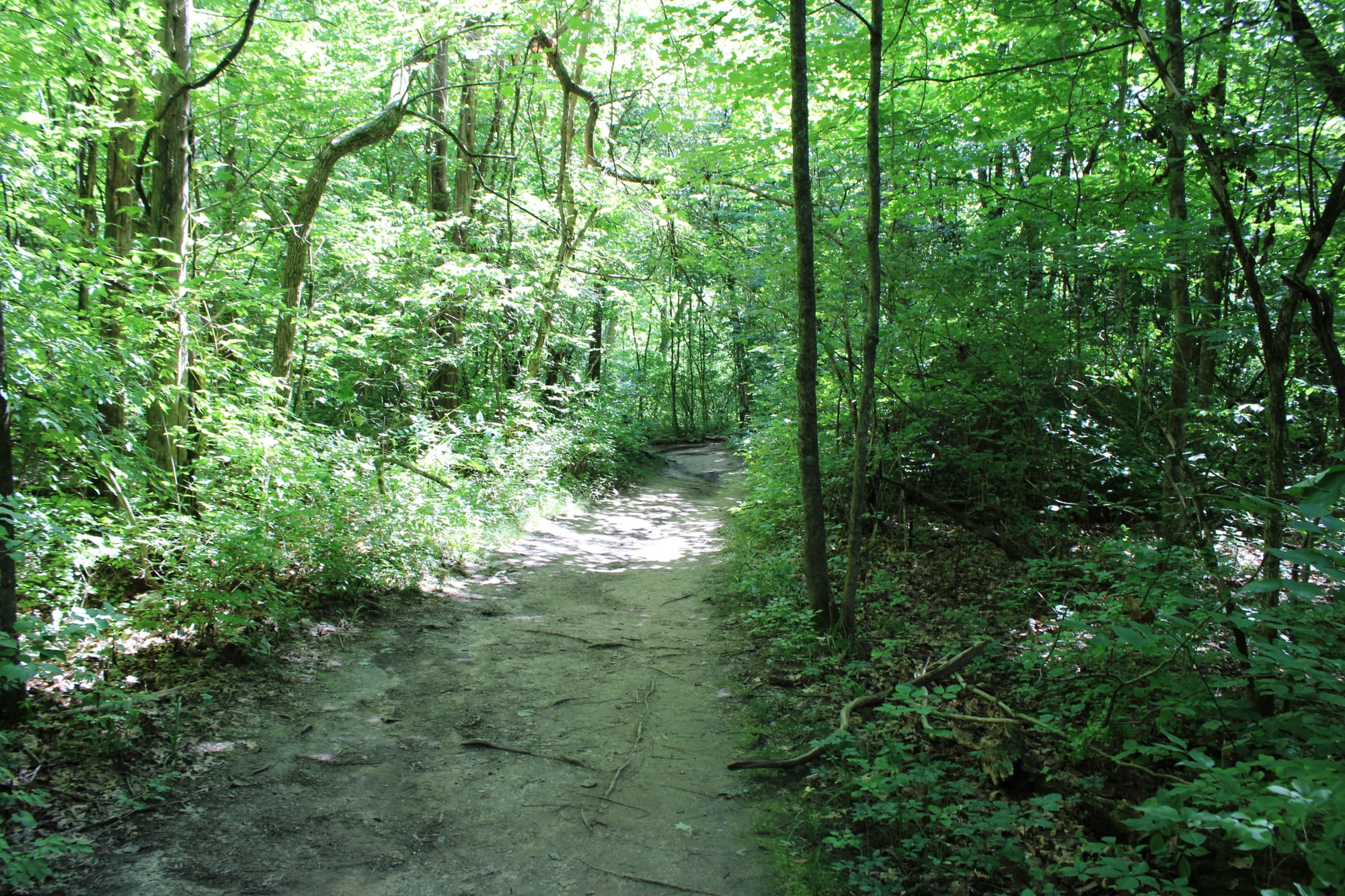


General Tips:
- Wildlife: Keep an eye out for deer, birds, and other wildlife along the trails.
- Seasons: Each season offers a unique experience, from blooming wildflowers in spring to vibrant foliage in the fall.
- Visitor Center: Check in at the visitor center for maps, trail updates, and additional historical context about the area.
- Facilities: There are picnic areas and restrooms available throughout the park.
History
The construction of the Caesar Creek Lake flooded the small farming village of New Burlington, Ohio in 1978. The history of the community was collected through stories, letters, and journals in the book New Burlington: The Life and Death of an American Village by John Baskin.

The park itself is part of the Caesar Creek Lake project, which was developed in the 1970s by the U.S. Army Corps of Engineers. The lake was created primarily for flood control, but it also serves recreational purposes. The park encompasses various habitats, including woodlands, wetlands, and open fields, providing a diverse ecosystem.
The Caesar Creek area has experienced flooding issues, particularly due to its geographical features and heavy rainfall events.
The Caesar Creek Reservoir, which is part of Caesar Creek State Park, was constructed in the 1970s primarily for flood control, recreation, and water supply.
Flooding in the region can occur when heavy rains lead to increased runoff, overwhelming local waterways. This can result in the Caesar Creek spilling over its banks, affecting surrounding areas, including trails, campgrounds, and recreational facilities.
The U.S. Army Corps of Engineers manages the reservoir and monitors water levels to help mitigate flooding risks. Flooding can impact access to park facilities and lead to temporary closures, but efforts are continuously made to manage water levels and protect the surrounding communities.
Personal Experience
We stopped at Caesar Creek State Park and Pioneer Village this summer. The hike to the non-existent waterfall was a nice hike but the waterfall was dried up this summer. Pioneer Village was an excellent place to visit. We really enjoyed seeing the historical buildings. We saw the area where you can dig for fossils. I want to go back to dig.
If you have an opportunity to visit this state park, you won't be sorry if you do.
Please contact us if you have any questions or information.
Nearby Trails and Related Guides
This one is featured in our Best hikes near Cincinnati and Best hikes near Dayton roundups.
🥾
More in
Stop #4 Oakley, KS
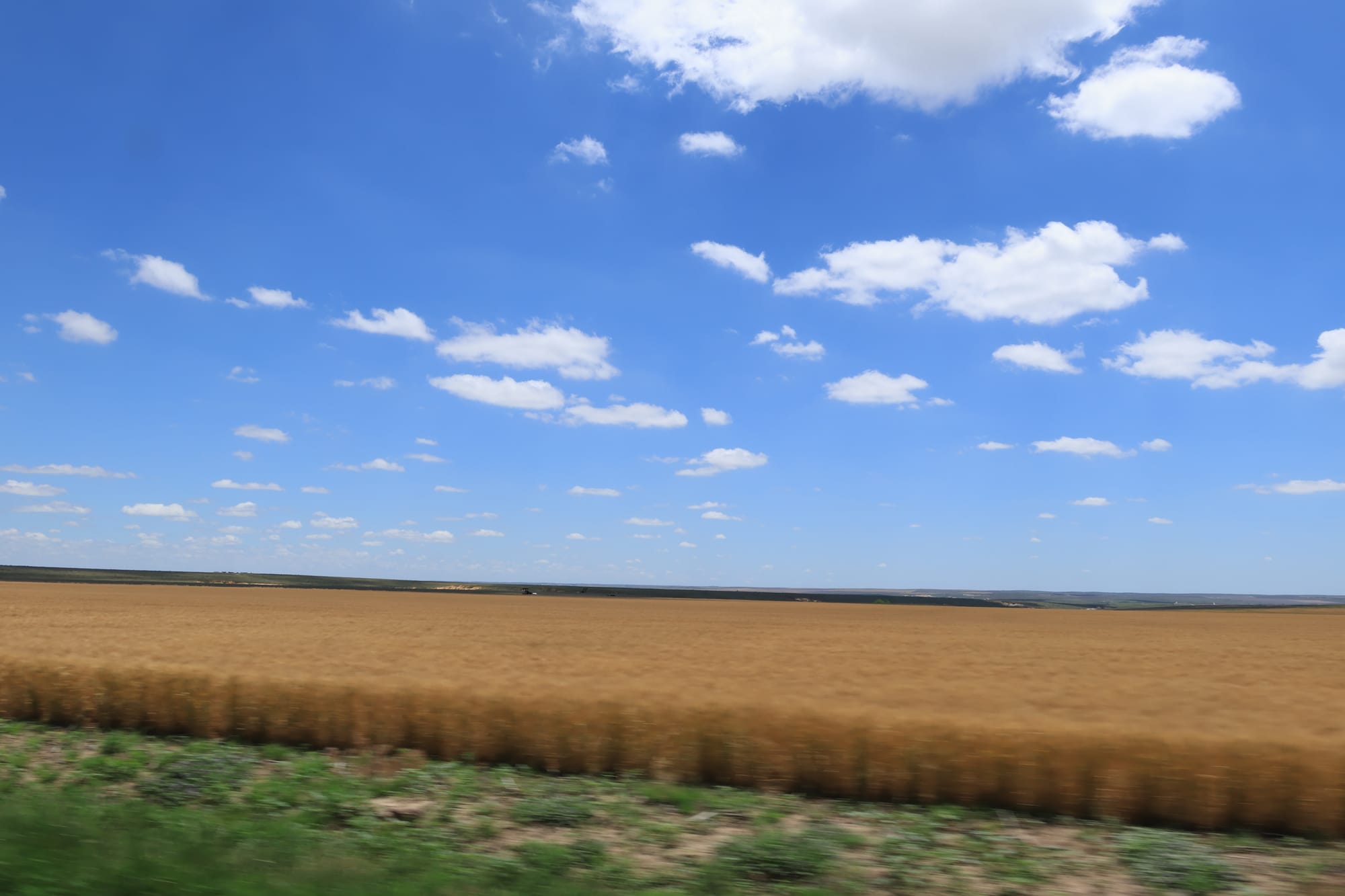
Stop four on our road trip: Oakley, Kansas, a town founded in 1884 along the old Smoky Hill Trail, the settlers' route across the Great Plains.