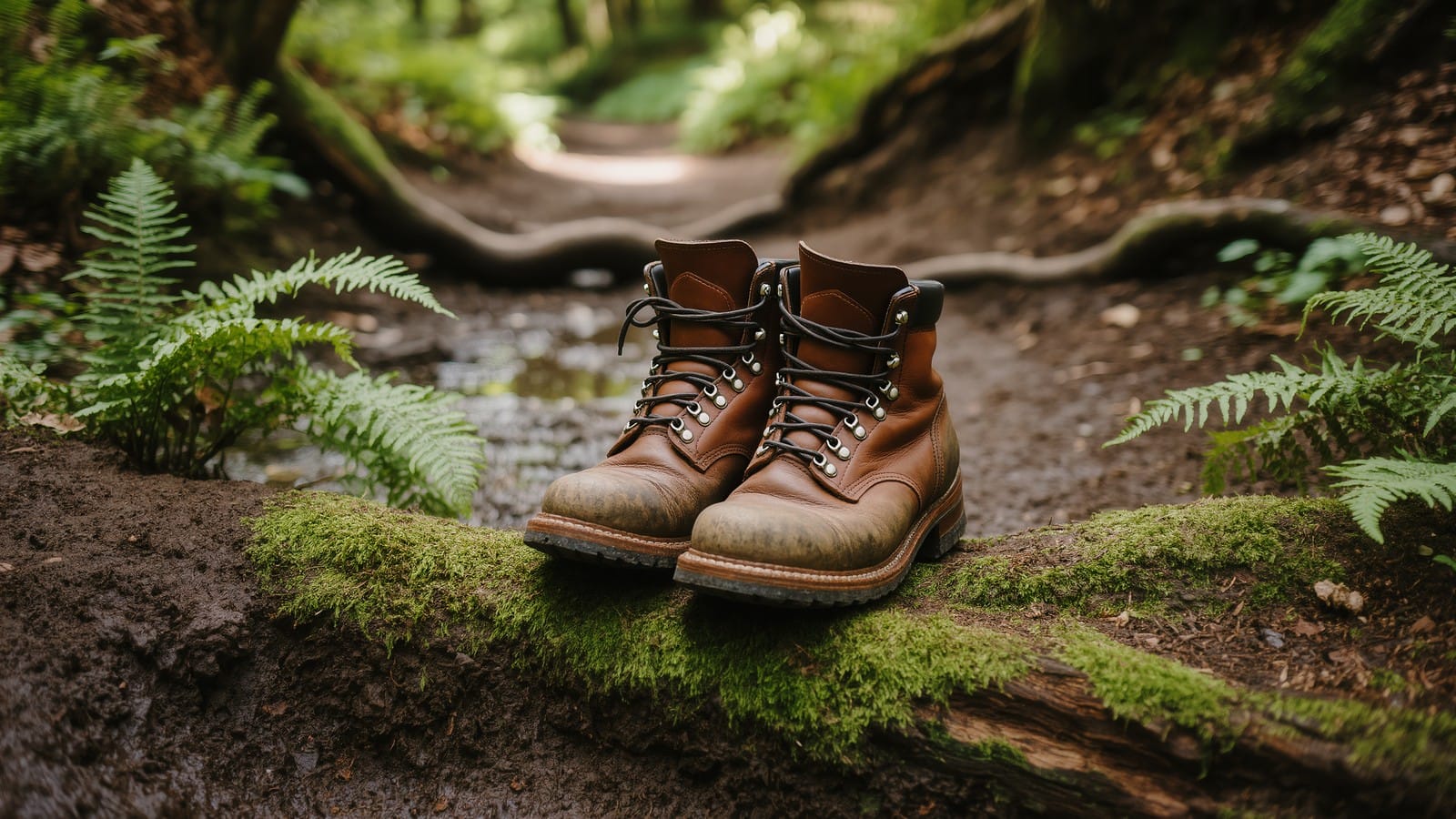
Hiking Boots vs. Trail Runners: What Actually Works on Ohio Trails
I've had this argument at more than one trailhead. Someone glances at my boots on a hot July morning, then down at their own low-cut trail runners, and asks the question every Ohio hiker eventually asks: boots or trail runners? Which one actually makes sense for the trails around here?
The honest answer is that it depends — but not in a wishy-washy way. Ohio throws a genuinely wide range of terrain at your feet, from flat crushed-limestone greenways to root-and-rock gorge climbs to ankle-deep metro-park mud, and the right footwear really does change with the ground. After years of hiking this state in both, I've landed on some clear opinions about when each one wins. Let me save you a few blisters and a couple of soaked socks.
This isn't a sponsored, brand-by-brand shootout. It's a practical, terrain-first look at how boots and trail runners each perform on the specific conditions you'll meet on Ohio trails, plus how I actually decide which pair goes on before a hike. By the end you'll know which belongs in your closet — and for most of us, the real answer is one of each.
The Verdict at a Glance
Reach for hiking boots when: the trail is steep, rocky, muddy, or remote — SE Ohio ridges, Hocking gorge descents, early spring slop, or any pack-carrying day.
Reach for trail runners when: the trail is dry, groomed, or flat and you want speed and comfort — greenways, summer metro-park loops, fast-and-light day hikes.
Best overall answer: own both. Match the shoe to the ground.
The Case for Hiking Boots
Boots earn their keep on hard terrain, and Ohio has more of it than people expect. The big three advantages are support, protection, and traction.
Ankle support is the classic argument, and it's real on uneven ground. When you're picking down a rooty, rock-strewn descent into a Hocking Hills gorge or off a ridge at Great Seal State Park, a mid- or high-cut boot braces your ankle against the sideways rolls that low shoes allow. If you've ever turned an ankle on a hidden root, you know how fast a great day goes bad.
Protection is underrated. A stiffer sole and a real toe box shield your feet from the sharp sandstone, roots, and loose rock that pave Ohio's best hill trails. On a long, rugged day you feel far less foot fatigue in boots because the stiffer platform keeps every jagged rock from pressing through to your sole.
Traction and waterproofing seal the deal for Ohio specifically, because our trails are muddy for a big chunk of the year. Spring in a central Ohio metro park is basically a mud season, and the horse-shared trails at parks like Tar Hollow churn into boot-sucking clay after rain. A waterproof boot with an aggressive lugged sole keeps your feet dry through puddles and grips the slop far better than most low-profile runner treads. Add the weight of a daypack, and the extra support pays off even more.
The trade-offs: boots are heavier, hotter, and take longer to break in. Old wisdom says a pound on your feet equals five on your back, and you feel that over big miles. In July humidity, a waterproof boot that keeps water out also keeps sweat in. And a stiff new boot demands a genuine break-in period before you trust it on a long hike.
The Case for Trail Runners
Trail runners have exploded in popularity for good reason. They're essentially beefed-up running shoes with grippier outsoles, and on the right terrain they're a joy.
They're light and fast. Lifting a fraction of the weight with every step adds up to real energy savings over a day, and that lightness makes your feet feel quick and nimble. On a flat, well-groomed trail I move noticeably faster and fresher in runners than in boots.
They're comfortable right out of the box. There's essentially no break-in. Buy them, lace them, hike them. For new hikers especially, that removes a real barrier — no two weeks of hot spots before your footwear feels like yours.
They breathe and dry fast. Most trail runners are made of quick-draining mesh rather than waterproof membrane, which sounds like a downside until you're hiking Ohio in August. On a hot, humid summer loop your feet stay far cooler, and if you do splash through a creek, mesh shoes drain and dry in minutes instead of staying soggy all day. On the Central Ohio Greenways or the flat towpath miles of Cuyahoga Valley, that breathability is pure comfort.
The trade-offs are the mirror image of the boots' strengths. Less ankle support on uneven ground, so rolls are easier and rock-heavy descents are dicier. Thinner soles mean you feel more of every sharp rock, and your feet tire faster on long rugged days. And standard mesh runners offer no waterproofing — great for draining after a creek crossing, miserable in cold spring mud when your feet get wet and stay that way. Their soft, grippy rubber also wears out faster than a stiff boot sole.
Matching Footwear to Ohio's Terrain
Here's how I actually decide, trail type by trail type — because Ohio's variety is exactly why one pair can't do it all.
Flat, groomed trails and greenways — the paved and crushed-limestone paths of the metro-park system, rail-trails, and towpaths — are trail-runner country all day. There's nothing to roll an ankle on and nothing sharp underfoot, so you might as well enjoy the lightness and breathability. Save the boots.
Rolling metro-park dirt loops are the in-between case. In dry summer conditions, trail runners are perfect. But in the spring mud season, when those same trails at places like Clear Creek turn to soup, a waterproof boot keeps your feet dry and upright. This is the single most terrain-dependent category in Ohio, and it's why I keep both by the door.
Rocky, rooty hill trails — the Hocking Hills gorge routes, the ridge climbs at Great Seal and Tar Hollow, the sandstone-step descents of southern Ohio — are where boots genuinely shine. The support, the protection, and the traction all matter here, especially with any elevation and any pack weight. Experienced hikers do run these in beefy, supportive trail runners, but if you're not sure, boots are the safer call on this terrain.
Wet, creek-crossing, or shoulder-season trails split the difference. In warm weather, where you'll splash through water repeatedly, fast-draining trail runners can actually be the smarter pick — wet mesh dries; wet boots stay wet. In cold spring or late fall, when a soaking means genuinely cold feet, waterproof boots win. Read the temperature, not just the trail.
Durability, Cost, and When Things Wear Out
There's a money angle to this debate that nobody mentions at the trailhead. Trail runners are usually cheaper up front, but they wear out faster — the soft, grippy rubber that makes them so sure-footed also sands down quicker, and most hikers get somewhere around three to five hundred miles out of a pair before the tread and cushioning are shot. Boots cost more but last far longer; a good pair of leather or leather-and-synthetic boots, cared for, will give you years of Ohio seasons. Over the long haul the cost-per-mile tends to even out, so buy based on terrain and comfort, not just the sticker.
Care makes a real difference either way. Knock the mud off after a wet hike, let them dry away from direct heat — a radiator or campfire will crack leather and warp glue — and stuff wet footwear with newspaper to pull the moisture out overnight. Re-treat waterproof boots periodically so the leather doesn't dry and crack, and keep an honest eye on the tread. The single most dangerous piece of worn-out gear on Ohio trails is a smooth sole on wet sandstone. When the lugs go bald, it's time, no matter how comfortable the shoe still feels.
Winter deserves its own note. Neither a boot nor a trail runner grips ice on its own, and Ohio's freeze-thaw cycles glaze the popular gorge trails slick from December through March. For icy conditions I slip a pair of traction cleats over whatever I'm wearing — they turn a treacherous descent into a normal walk and weigh almost nothing in the pack. That's the great equalizer: in true winter, the traction device matters more than the boots-versus-runners question.
Fit, Socks, and Break-In
Whichever you choose, fit matters more than the boot-versus-runner debate ever will. Shop late in the day when your feet are slightly swollen, leave a thumb's width of room past your longest toe so your toes don't jam on descents, and try them on with the hiking socks you'll actually wear. Speaking of which — ditch the cotton. A good pair of merino wool hiking socks does more to prevent blisters than almost any footwear upgrade, wicking sweat and cushioning hot spots in both boots and runners.
Break in new boots gradually — wear them around the house and on short walks before committing to a big day, so you find the hot spots at home instead of five miles from the car. Trail runners need little or no break-in, but do take a fresh pair on a short shakedown hike before a long one. And whatever you wear, keep an eye on the tread; when the lugs wear smooth, traction drops off fast, and smooth soles on wet Ohio sandstone are an invitation to fall.
What I Actually Reach For
If you made me pick just one, it'd be boots — Ohio's mud, roots, and rocky hill trails tip the balance toward support and waterproofing more often than not, especially for newer hikers still building foot and ankle strength. But I don't pick just one, and neither should you if you can help it. My trail runners come out for hot summer greenway miles and dry, fast day hikes. My boots come out for spring mud, rugged southern-Ohio ridges, waterfall gorges, and any day I'm carrying weight.
The best system is honestly cheap peace of mind: one supportive pair of waterproof hiking boots for the hard days and one pair of trail running shoes for the easy, fast, hot ones. Match the shoe to the ground, keep good socks on your feet, and Ohio's trails open up in every season. The gear argument at the trailhead is fun, but the real winner is the hiker who brought the right pair for the day.
If you're brand new to hiking and can only buy one pair to start, here's my honest advice: get the waterproof boots, get them fitted properly at a store where someone watches you walk, and give them a real break-in before your first big trail. Boots are the more forgiving learning tool — they protect your feet while your ankles and legs toughen up, and they'll handle whatever mud and rock an Ohio trail throws at a beginner. Add the trail runners later, once you've logged some miles and know what kind of hiker you're becoming. There's no wrong door into this; there's just the pair that gets you out there this weekend.
More Gear & Trail Reading
Footwear is just the foundation. Once you've got that sorted, my Ohio day-hike gear checklist covers everything else worth carrying on a day out. If you're headed for the backcountry, I've also put my backpacking meal brands to a taste test and reviewed a budget daypack on real trails. And if you're looking for somewhere to break those boots in, the summer-ready loops in my guide to hiking Ohio through the heat and humidity are a good place to start.
🥾 The two pairs I recommend
For the hard days, a supportive pair of waterproof hiking boots. For the fast, dry, hot days, a light pair of trail running shoes. Whichever you lace up, put a few pairs of merino wool socks under them — the cheapest blister insurance there is. As an Amazon Associate, this site earns from qualifying purchases.
So the next time someone eyes your footwear at the trailhead, you'll have your answer ready. It's not boots versus trail runners. It's boots and trail runners — and knowing which Ohio trail calls for which.